Root Grapple Manufacturers: What Industry Pros Should Know
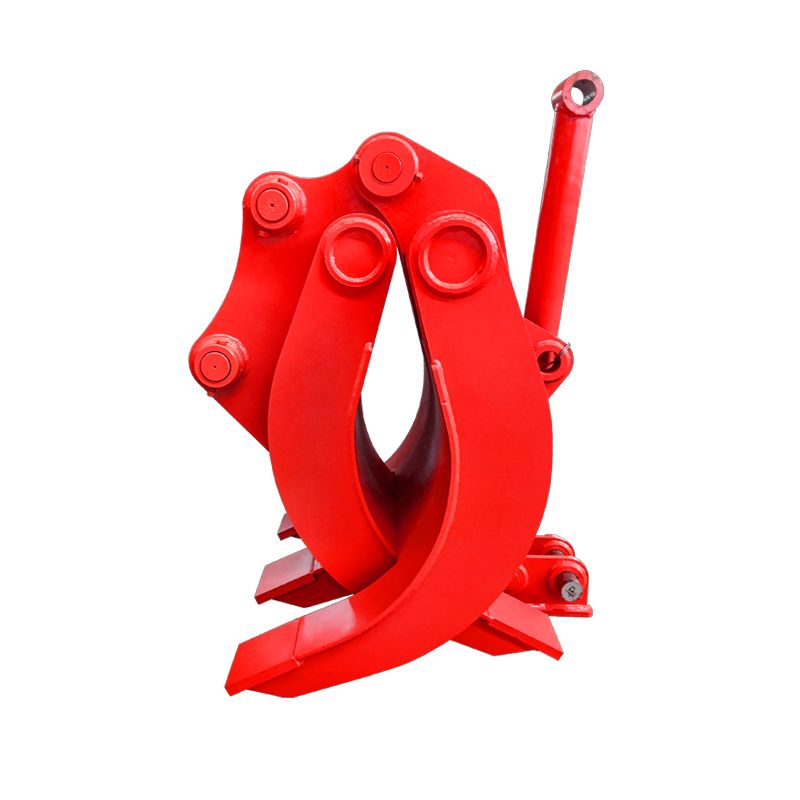
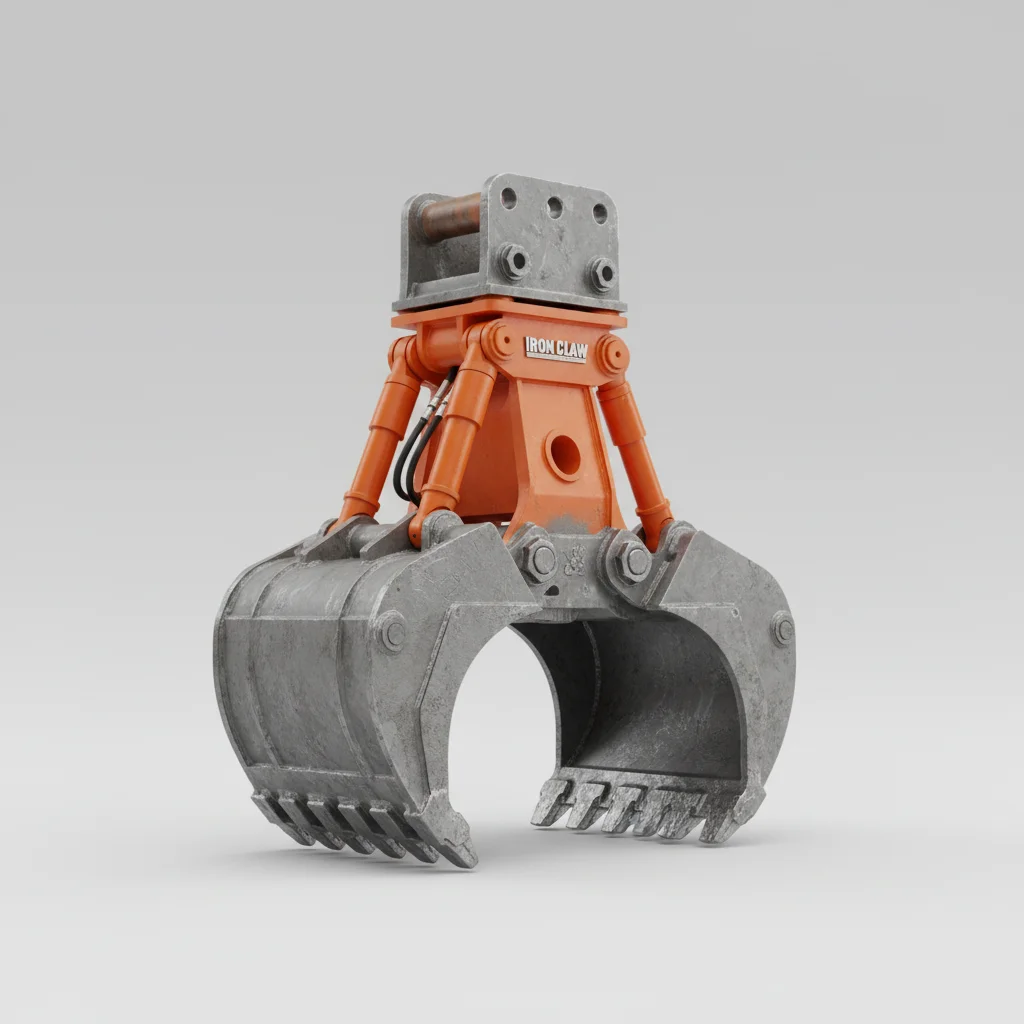
Having spent a good number of years working hands-on in heavy equipment and forestry tools, I’ve come to appreciate that not all root grapple manufacturers are created equal. The devil is really in the details — from the steel thickness and tooth design to the reliability under tough conditions.
Oddly enough, despite the simplicity of the grapple’s purpose — gripping large, often gnarly roots and stumps — getting the manufacturing process right demands knowing materials, hydraulics, and operational stress inside out. It’s often said that a grapple’s design can make or break a jobsite’s productivity, and I’d echo that.
When I first started, I noticed something that stuck with me: a grapple that looked beefy on paper sometimes barely held up a quarter of a day in muddy soil. Others, more carefully engineered and tested, never flinched despite months of constant use. This isn’t just about raw strength—it's about smart design, weld quality, and how the grapple interacts with different earth conditions.
Materials and Build: Why Steel Grade Matters
Most reputable root grapple manufacturers use high-strength, abrasion-resistant steel. This makes sense, as the grapple teeth are constantly scraping, biting through roots, rocks, and dirt. If the steel isn’t up to spec, you’ll either face premature wear or worse, structural failure — which can cost you tens of thousands in downtime.
Personally, I like grapples crafted with AR450 or similar grades — it feels like they last longer without sacrificing weld integrity. Plus, sound engineering includes gussets at stress points and strategic tooth spacing. These “small” details sometimes get overlooked in generic grapples that flood the market, leading to faster breakdowns.
Customization and Versatility
What’s nice about more experienced manufacturers is their willingness to customize. In real terms, that could mean anything from tooth configuration to grapple width and hydraulic cylinder strength. Jobs differ widely, so a one-size-fits-all grapple can only get you so far.
I recall a local contractor who needed a grapple specifically designed for swampy terrain with lots of twigs and fine roots. The manufacturer tweaked the tine spacing and added reinforced tips — the result was a noticeable boost in efficiency and much less downtime for repairs. Those thoughtful touches pay off in the long run.
Testing and Reliability
Many engineers I’ve talked to stress the importance of rigorous, real-world testing before a grapple hits the market. It’s not enough to pass a lab strength test; the grapple has to endure chainsaw impacts, heavy root pulls, and endless wear cycles in the field.
Manufacturers who invest in this kind of testing often offer longer warranties and better customer support — a real plus. You want a partner who stands behind their product, especially as you depend on it for heavy daily workloads.
| Feature | Description | Common Range |
|---|---|---|
| Steel Grade | Abrasion Resistant Steel | AR400 to AR450 |
| Tooth Count | Optimized for gripping | 6 to 10 teeth |
| Width Options | Fits various excavator sizes | 36 to 72 inches |
| Weight | Heaviness for stability | 1000 to 3500 lbs |
| Hydraulic Cylinders | Dual for maximum grip force | 2 or More (according to size) |
Comparing Root Grapple Manufacturers
| Manufacturer | Material Quality | Customization | Warranty | Customer Support |
|---|---|---|---|---|
| Crafts Manufacturing | Premium AR400-450 Steel | Highly customizable | 5 Years | Responsive & knowledgeable |
| Generic Brand A | Standard AR400 Steel | Limited Options | 2 Years | Basic Support |
| Popular Brand B | Good Quality Steel | Some Customization | 3 Years | Moderate |
In summary, picking a root grapple isn’t just a matter of price or flashy specs. Frankly, a well-built grapple from a trustworthy manufacturer (like Crafts Manufacturing) can truly save hours and headaches in the field. It feels like an investment that pays off after just a few jobs, as compared to replacing cheaper models multiple times a year.
If you’re venturing into advice or procurement, keep a close eye on material grades, warranty length, and whether the manufacturer listens to your needs. And of course, don’t underestimate post-sale support—just ask anyone who’s been stuck with a busted grapple miles from assistance.
Lastly, if I were to leave you with one tip: spend the little extra on quality and customization. You’ll thank yourself when your grapple chews through those stubborn root balls without a hitch.
References:
- Industry specs on abrasion-resistant steel grades, ASM International
- Field reports & user testimonials from forestry equipment forums
- Manufacturer whitepapers on grapple design and testing protocols
Post time: Dec-03-2025