- afrikaans
- albanian
- amharic
- arabic
- armenian
- assamese
- aymara
- azerbaijani
- bambara
- basque
- belarusian
- bengali
- bhojpuri
- bosnian
- bulgarian
- burmese
- catalan
- cebuano
- corsican
- creole
- croatian
- czech
- danish
- deutsch
- dhivehi
- dogrid
- dutch
- english
- estonian
- ewe
- filipino
- finnish
- french
- frisian
- galician
- georgian
- greek
- guarani
- gujarati
- haitian_creole
- hausa
- hawaiian
- hebrew
- hindi
- hungarian
- icelandic
- igbo
- indonesian
- irish
- italian
- japanese
- kannada
- khmer
- kinyarwanda
- korean
- kurdish
- kurdish_sorani
- kyrgyz
- lao
- latin
- latvian
- lithuanian
- luganda
- luxembourgish
- macedonian
- maithili
- malay
- malayalam
- maltese
- maori
- marathi
- nepali
- norwegian
- nyanja
- oromo
- pashto
- persian
- polish
- portuguese
- punjabi
- quechua
- romanian
- russian
- samoan
- sanskrit
- scottish_gaelic
- shona
- sindhi
- singapore
- slovak
- slovene
- somali
- spanish
- swahili
- swedish
- tajik
- tamil
- tatar
- telugu
- thai
- turkish
- turkmen
- twi
- ukrainian
- urdu
- vietnamese
- welsh
- yiddish
- yoruba
You know, I’ve been running around construction sites for twenty years. Seen a lot of things come and go. Right now, everyone’s talking about hybrid buckets. Not just the standard digging stuff, but ones built for specific tasks – ditch cleaning, rock grabbing, even forestry work. To be honest, it's a bit of a scramble to keep up, but it’s good to see people thinking beyond just the basic scoop. It’s not about making buckets bigger, it's about making them smarter.
Have you noticed how many manufacturers are trying to cram too much into one design? It looks good on paper, ‘multi-functional,’ they call it. But in practice, it usually means it’s not great at anything. They’ll try to make a bucket that digs, grabs, and levels, and you end up with something that's mediocre at all three. I encountered this at a factory in Changsha last time; beautiful renderings, but the actual prototype… let’s just say it wouldn't survive a week on a real job site.
We're using a lot of AR500 steel these days, which is good stuff. Tough, holds up to abrasion. You can smell it when it’s being welded, that metallic tang. Kind of comforting, actually. And a lot of the newer buckets use quenched and tempered steel – makes a huge difference. It's heavier, sure, but it doesn’t bend like butter when you hit a stubborn rock. We also started incorporating more Hardox in the cutting edges. It's expensive, no denying that, but the lifespan… well, the lifespan pays for itself. Anyway, I think.

The Current Landscape of excavator bucket for sale
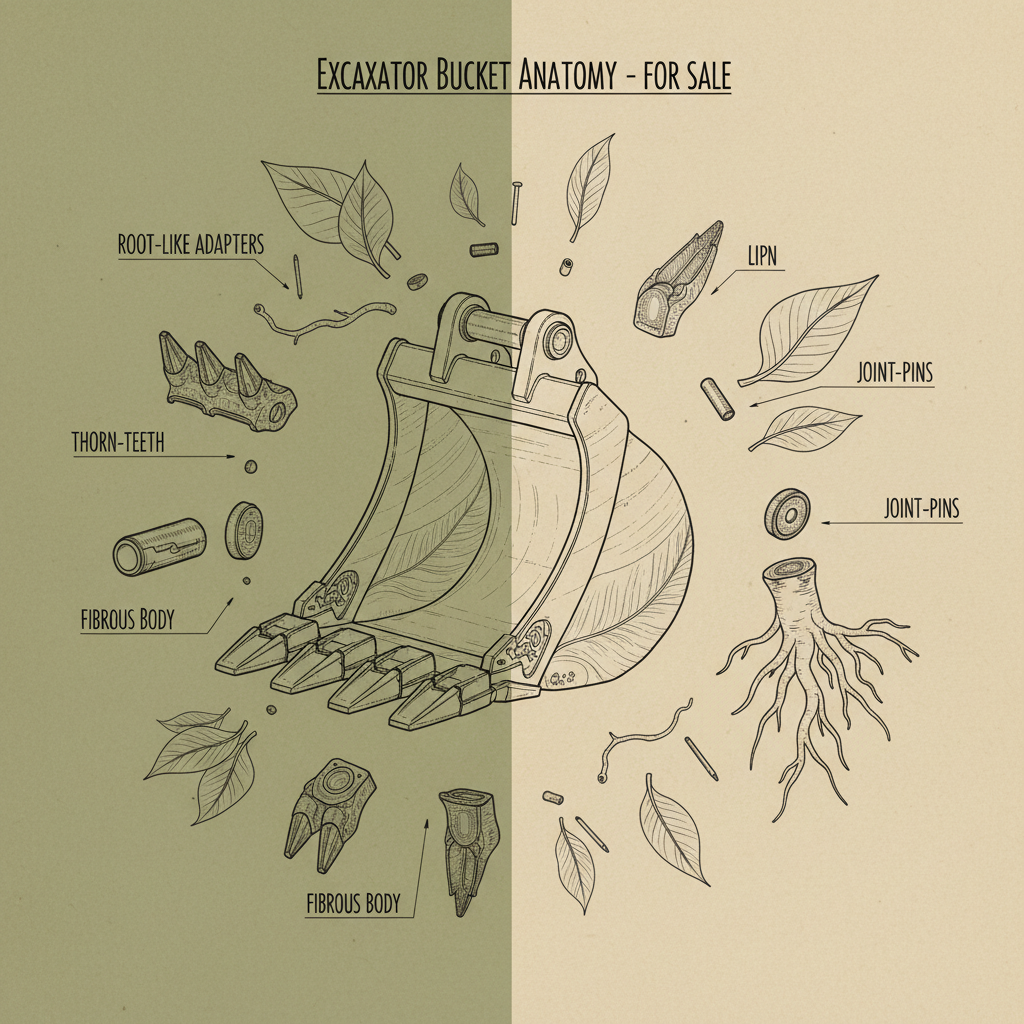
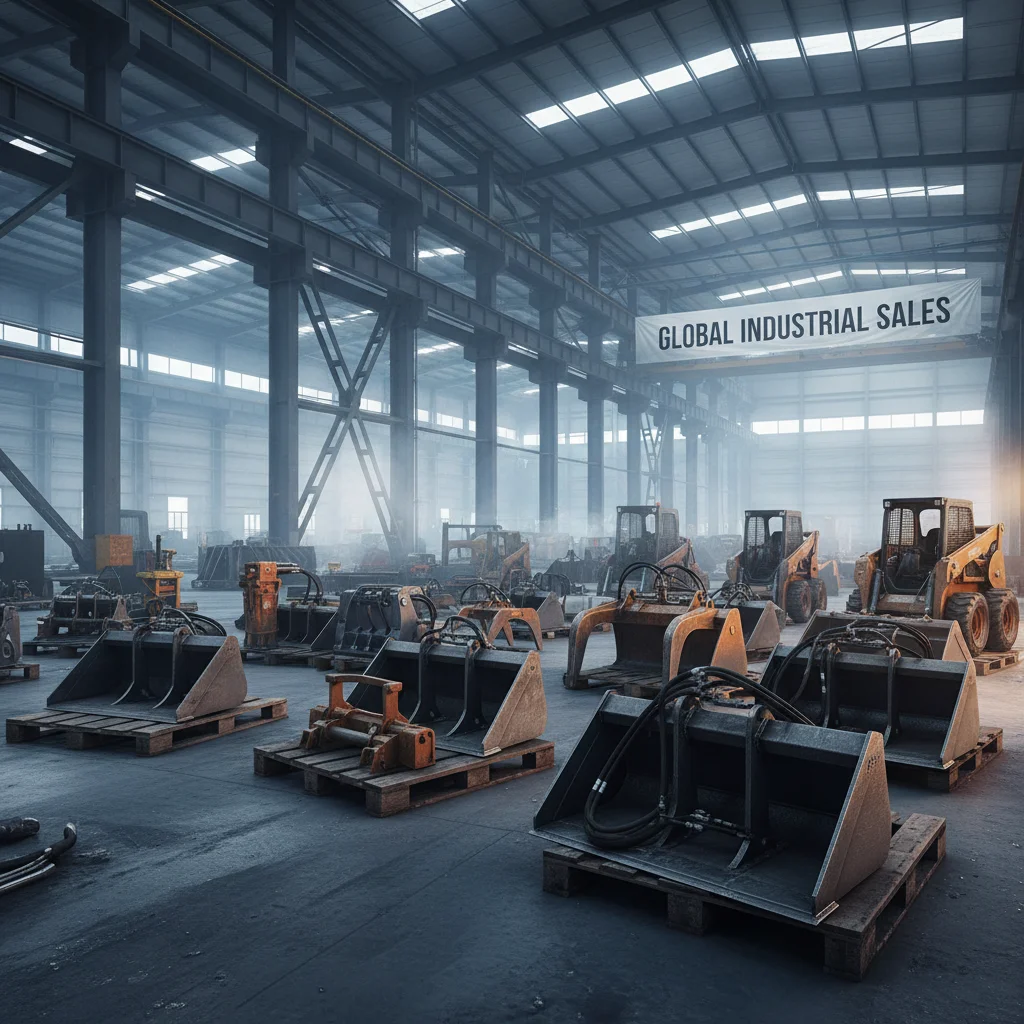
The market’s shifted a lot in the last few years. It’s no longer just about heavy-duty, one-size-fits-all buckets. Demand for specialized buckets is booming – particularly for applications like landscaping, demolition, and utility work. There’s a real push towards efficiency, and that means having the right tool for the job. Folks are starting to realize that spending a little more upfront on a specialized bucket can save them a ton of time and money in the long run.
There's also a growing interest in tilt rotators. They're expensive, sure, but the versatility is insane. Suddenly, one excavator can do the work of two, maybe three. The learning curve is steep, though. I saw a guy nearly take out a power line trying to get the hang of one. Scary stuff.
FAQS
It really depends on the conditions, but a well-maintained, heavy-duty bucket should last anywhere from 3,000 to 5,000 hours. That assumes you’re using the right bucket for the job and keeping the teeth sharp. If you’re constantly digging in abrasive materials, it'll be shorter. And if you ignore maintenance, well, it'll be a lot shorter. Replacing teeth regularly is key, seriously.
You need to consider the excavator's operating capacity and the material you’re digging in. A bigger bucket isn’t always better. Overloading the excavator can damage the hydraulics and reduce its efficiency. Consult the excavator's manual and talk to a bucket specialist. They can help you determine the optimal size for your needs. Don’t just guess!
Regular inspection is crucial. Check the teeth for wear, look for cracks in the steel, and make sure the mounting points are secure. Grease the pivot points regularly. If you notice any damage, get it repaired immediately. Small problems can quickly turn into big, expensive ones. Also, keep it clean! Dirt and debris can accelerate wear.
Absolutely. Custom buckets require more engineering time, specialized materials, and skilled labor. But sometimes, the added cost is worth it if you need a bucket that's specifically designed for a unique application. It’s about balancing cost and performance. Don’t just go for the cheapest option. Think long-term.
Standard teeth are designed for general digging in softer materials. Heavy-duty teeth are made from harder steel and are more resistant to wear and tear. They’re ideal for digging in rocky soil, gravel, or other abrasive materials. They’re more expensive, but they’ll last longer and save you money in the long run if you’re working in tough conditions.
Generally, no. Excavator buckets are designed for digging, not lifting. Attempting to lift heavy materials with a bucket can damage the excavator and the bucket itself. There are specialized lifting attachments available for excavators, but you should never use a bucket as a substitute. Safety first, always!
Conclusion
So, that’s the gist of it. The excavator bucket market has changed a lot, it's moving towards specialization and efficiency. You've got to think about materials, design, testing, and usage. It's more than just a scoop; it’s a critical piece of equipment that can make or break a job.
Ultimately, whether this thing works or not, the worker will know the moment he tightens the screw. And that’s the truth. If it feels right, it probably is. If it doesn’t, send it back. You can find more information and browse our selection of excavator buckets at excavator bucket for sale.