- afrikaans
- albanian
- amharic
- arabic
- armenian
- assamese
- aymara
- azerbaijani
- bambara
- basque
- belarusian
- bengali
- bhojpuri
- bosnian
- bulgarian
- burmese
- catalan
- cebuano
- corsican
- creole
- croatian
- czech
- danish
- deutsch
- dhivehi
- dogrid
- dutch
- english
- estonian
- ewe
- filipino
- finnish
- french
- frisian
- galician
- georgian
- greek
- guarani
- gujarati
- haitian_creole
- hausa
- hawaiian
- hebrew
- hindi
- hungarian
- icelandic
- igbo
- indonesian
- irish
- italian
- japanese
- kannada
- khmer
- kinyarwanda
- korean
- kurdish
- kurdish_sorani
- kyrgyz
- lao
- latin
- latvian
- lithuanian
- luganda
- luxembourgish
- macedonian
- maithili
- malay
- malayalam
- maltese
- maori
- marathi
- nepali
- norwegian
- nyanja
- oromo
- pashto
- persian
- polish
- portuguese
- punjabi
- quechua
- romanian
- russian
- samoan
- sanskrit
- scottish_gaelic
- shona
- sindhi
- singapore
- slovak
- slovene
- somali
- spanish
- swahili
- swedish
- tajik
- tamil
- tatar
- telugu
- thai
- turkish
- turkmen
- twi
- ukrainian
- urdu
- vietnamese
- welsh
- yiddish
- yoruba
Replacement rubber tracks are essential components for a wide range of heavy machinery, impacting industries from construction and agriculture to landscaping and material handling. Their importance stems from their ability to provide reliable traction and support in diverse and often challenging terrains. Understanding the nuances of these tracks – from their material composition to proper maintenance – is crucial for optimizing equipment performance, reducing downtime, and maximizing operational efficiency.
Globally, the demand for robust and durable replacement rubber tracks is consistently high, driven by the continual growth of industries reliant on tracked vehicles. The UN estimates a significant increase in infrastructure development projects across developing nations, fueling the need for construction equipment and, consequently, replacement parts like tracks. Furthermore, the increasing adoption of precision agriculture techniques necessitates dependable machinery, placing further pressure on the availability of high-quality tracks.
Effective management of replacement rubber tracks is no longer simply a matter of reactive repairs. It’s a proactive strategy that directly impacts a company's bottom line and overall operational sustainability. Choosing the right tracks, implementing preventative maintenance schedules, and understanding the factors that contribute to track wear are all vital aspects of responsible fleet management. For those seeking to upgrade or maintain their tracked equipment, exploring options like replacement rubber tracks is a smart investment.
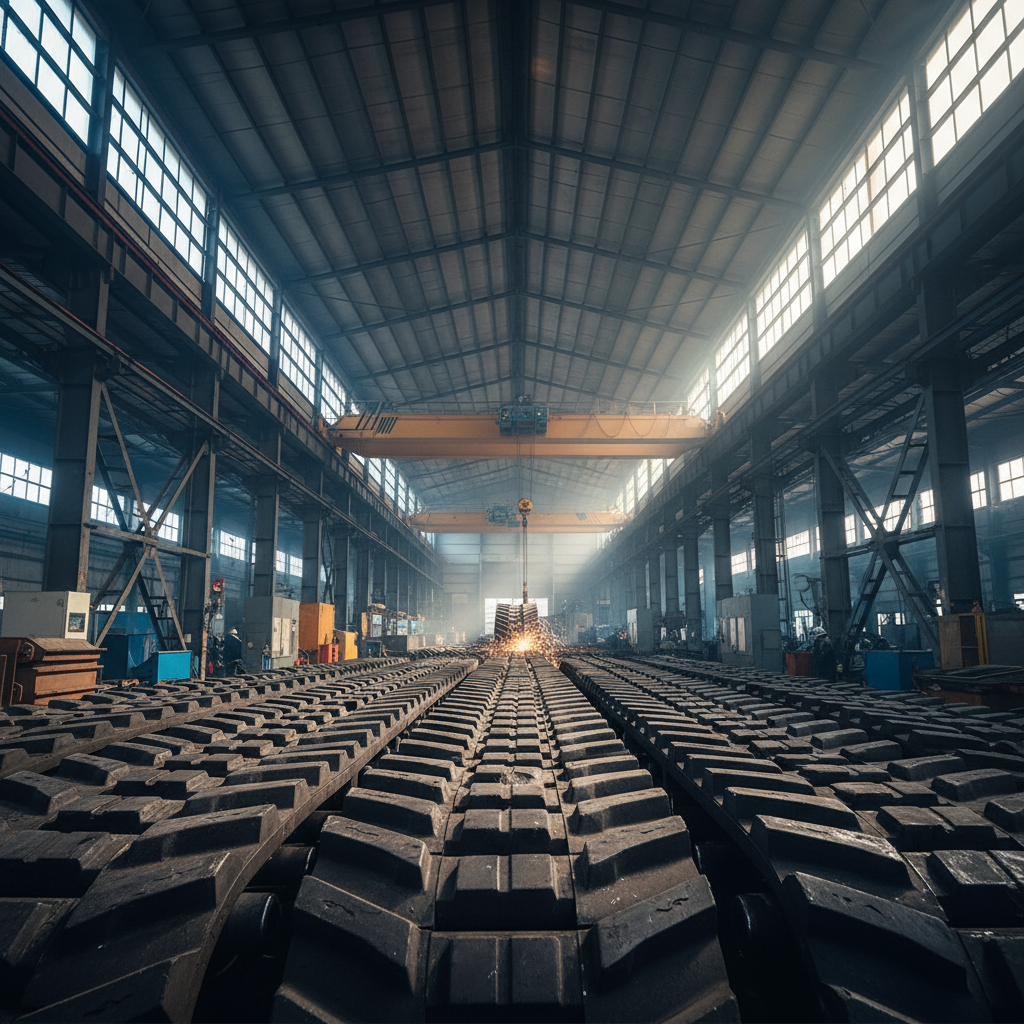
Introduction: The Importance of Replacement Rubber Tracks
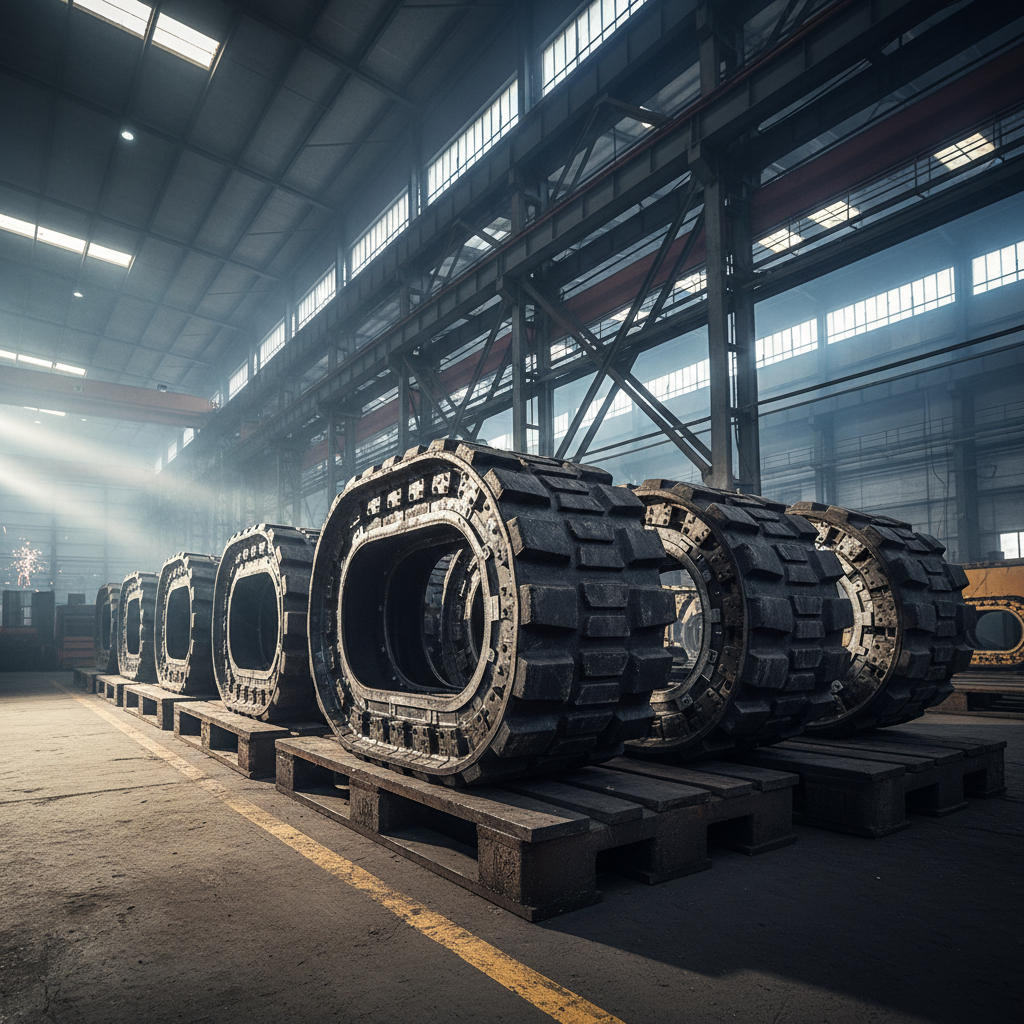
The continued operation of vital industries often hinges on the reliable performance of heavy machinery. Replacement rubber tracks are a critical, yet often overlooked, component in maintaining this performance. Regular inspection and timely replacement of worn tracks directly impact productivity, safety, and overall operational costs. Ignoring track maintenance can lead to expensive repairs, project delays, and potentially hazardous working conditions.
From large-scale agricultural operations to demanding construction sites, the terrain and workload place significant stress on these rubber components. A high-quality set of replacement rubber tracks ensures optimal grip, stability, and efficient power transfer, allowing machines to navigate challenging environments and complete tasks effectively. Selecting the right tracks tailored to the specific application is paramount for maximizing their lifespan and preventing premature failure.
FAQS
Regular inspection is crucial for maximizing track life. We recommend a visual inspection before each use, looking for cuts, abrasions, or embedded objects. A more thorough inspection, including checking track tension and bolt tightness, should be performed at least every 50 operating hours, or more frequently in harsh conditions. Early detection of issues can prevent catastrophic failures and costly repairs.
Proper track tension is vital for optimal performance and longevity. Too loose, and the track can de-track; too tight, and it can cause excessive wear on the rollers, idlers, and the track itself. The ideal tension varies depending on the machine model and operating conditions. Consult your machine’s operator manual for specific recommendations. As a general guideline, there should be minimal sag on the lower run of the track.
Several practices can extend track life. Maintain proper tension, avoid spinning the tracks on hard surfaces, clean debris regularly, and avoid abrupt stops and turns. Use a track protector when operating on abrasive surfaces. Choosing high-quality replacement rubber tracks designed for your specific application is also key. A proactive maintenance plan is the best investment.
De-tracking can result from several factors, including improper track tension, worn rollers or idlers, excessive load, operating on steep slopes, or encountering obstacles. Ensure the track is properly tensioned, rollers and idlers are in good condition, and the machine is operated within its load capacity. Regular inspection and maintenance can help prevent de-tracking incidents.
Absolutely not. The quality of rubber tracks can vary significantly based on the materials used, the manufacturing process, and the quality control measures employed. Cheaper tracks may offer short-term cost savings, but they often have a shorter lifespan and are more prone to failure, ultimately costing more in the long run. Investing in high-quality tracks from a reputable supplier is a wise decision.
Look for a supplier with a proven track record of quality, reliability, and customer service. Ensure they offer a wide selection of tracks compatible with your machine model. Check for certifications and warranties. Consider their technical support capabilities and their ability to provide timely delivery. A reliable supplier will be a valuable partner in ensuring your equipment operates smoothly.
Conclusion
In conclusion, replacement rubber tracks are an indispensable component for a vast range of industries, impacting productivity, safety, and operational efficiency. Understanding the factors that influence track performance – from material composition and internal construction to operating conditions and maintenance practices – is crucial for maximizing lifespan and minimizing downtime. Investing in high-quality tracks and implementing a proactive maintenance plan are essential for achieving long-term value.
Looking ahead, advancements in materials science, smart technologies, and sustainable manufacturing will continue to shape the future of replacement rubber tracks. By embracing these innovations, businesses can further optimize their operations, reduce their environmental footprint, and ensure the reliable performance of their tracked equipment. Visit our website at www.crafts-mfg.com to explore our comprehensive range of replacement rubber tracks and find the perfect solution for your needs.