Case 350 Dozer Undercarriage Parts: What You Need to Know
If you have ever worked around construction sites or heavy machinery yards, you know how crucial Case 350 dozer undercarriage parts are for keeping these beasts running. I’ve spent years in the industrial equipment sector, and frankly, there’s nothing quite like the rhythmic rumble of a well-maintained dozer rolling across tough terrain. But the undercarriage? That’s where the real story is. Those parts often get overlooked until something breaks—and when it does, productivity takes a dive faster than you’d like.
Let’s take a closer, no-nonsense look at what goes into these undercarriage components, why they’re vital, and the little nuances I’ve noticed over time working hands-on with these machines.
Undercarriage Basics: Why It Matters
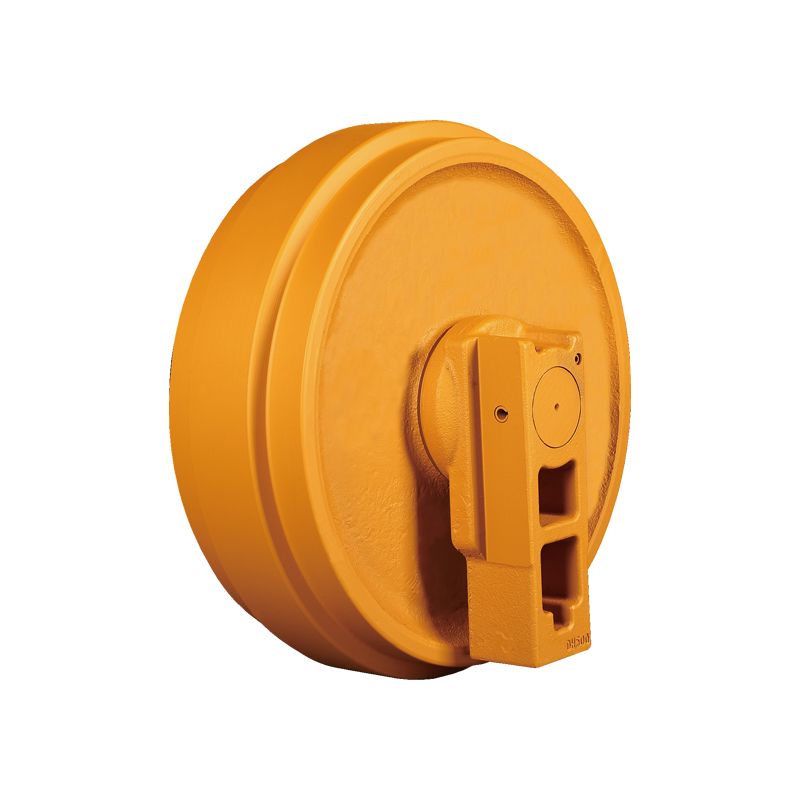
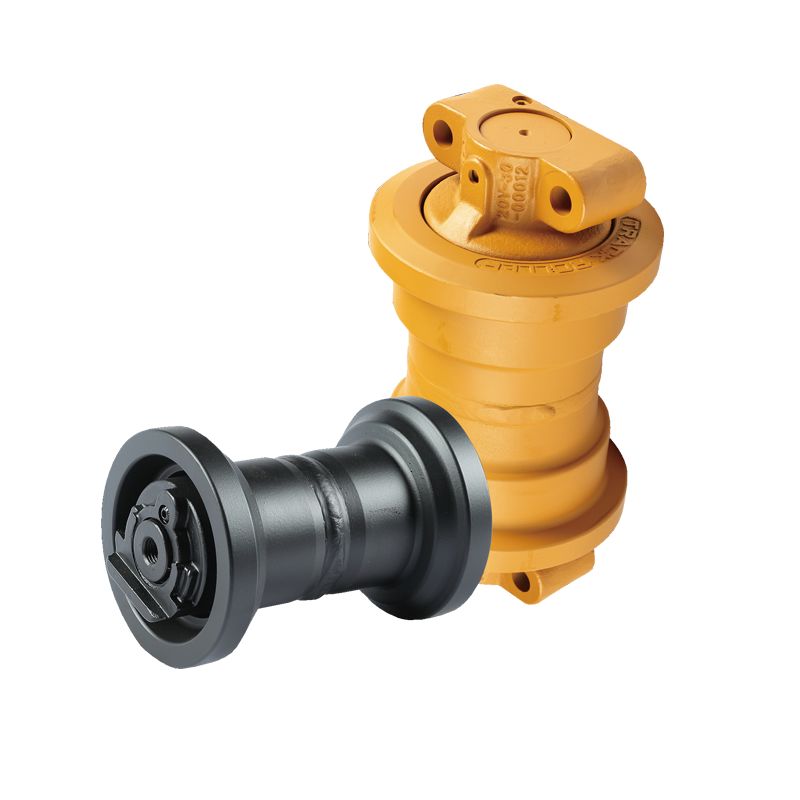
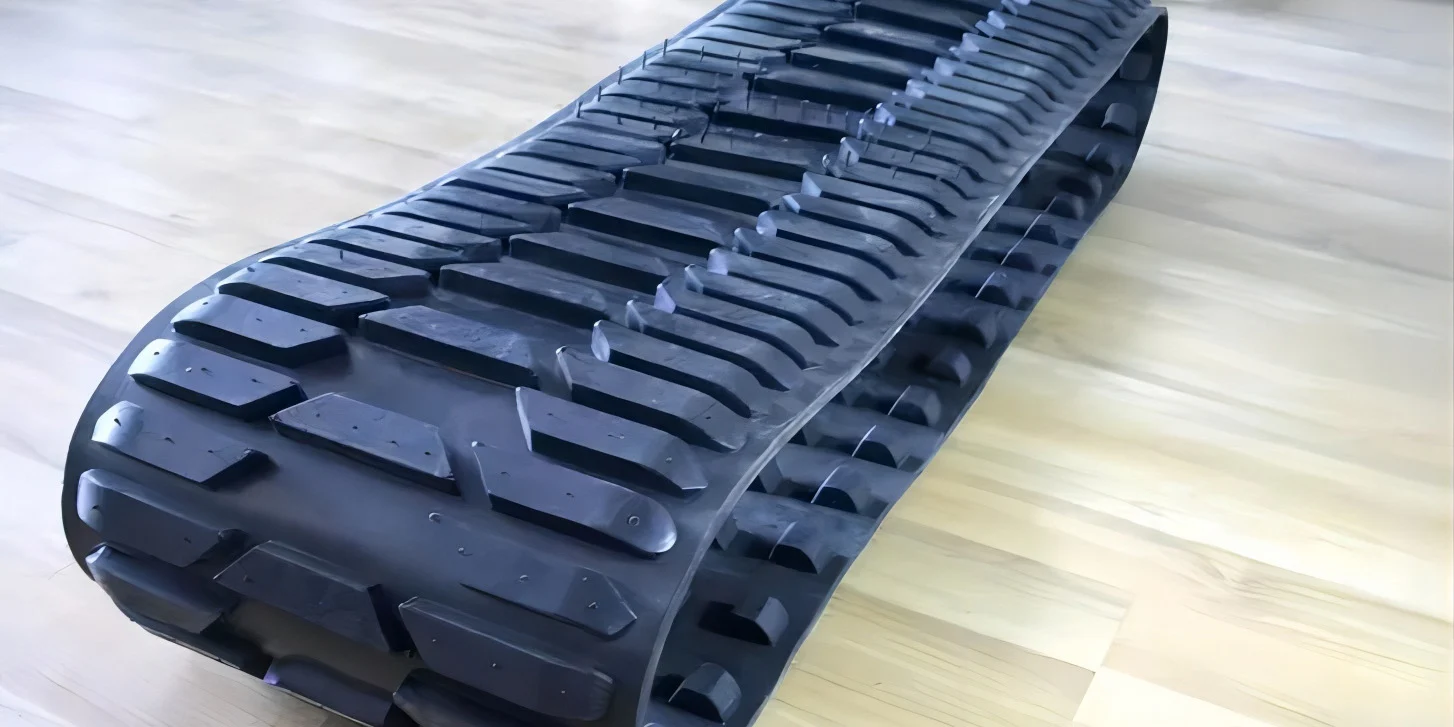
The undercarriage of a Case 350 dozer isn’t just a frame holding the whole setup; it’s the literal foundation that absorbs shock, transfers power from the engine to the ground, and keeps everything moving forward without unnecessary wear. Components like tracks, rollers, idlers, sprockets, and bushings all play their part. Out in the field, I’ve often seen how varying ground conditions—from mud to rocky gravel—can wear these parts down unevenly, which wastes both time and money.
Materials & Design: Built Tough, but Not Invincible
The folks manufacturing Case 350 undercarriage parts generally use high-grade alloy steel to ensure durability and resistance to abrasion. Still, odd as it sounds, nothing beats routine inspections. You’d be surprised how a small crack or loosened component can spiral into a costly problem if left unchecked. I suppose the takeaway here is that quality materials need backup from good maintenance habits.
Specs at a Glance
| Component | Material | Average Lifespan (Hours) | Typical Weight (lbs) |
|---|---|---|---|
| Tracks | High-carbon steel | 1500-2000 | Approx. 1200 |
| Rollers | Heat-treated alloy steel | 1200-1500 | 300 each |
| Sprockets | Forged steel | 1300-1800 | Approx. 450 |
| Idlers | Cast steel | 1000-1400 | Approx. 600 |
Vendor Comparison: Sourcing Your Parts
Choosing the right vendor can feel like navigating a maze, especially when you want both quality and cost efficiency. Over the years, I’ve evaluated a variety of suppliers, but here’s a quick comparison that might help you decide:
| Vendor | Part Quality | Pricing | Customer Service | Lead Time |
|---|---|---|---|---|
| Crafts Manufacturing | Excellent | Competitive | Responsive | 3-5 days |
| Generic Heavy Parts | Average | Low | Variable | 7-10 days |
| OEM Dealers | Premium | High | Excellent | 5-7 days |
A Quick Story From the Field
I recall one tough winter working with a crew where the undercarriage parts on a Case 350 had been neglected. Mid-project, the rollers had worn down so much that the operator complained about uneven traction. Switching them out for refurbished parts from Crafts Manufacturing felt like night and day—I swear the machine fired up with a new vigor. The contractor ended up saving both downtime and repair costs. It’s little moments like these that remind me how critical these parts really are.
Final Thoughts
In real terms, investing in quality Case 350 dozer undercarriage parts is not just about preservation; it’s about maximizing operational uptime and safety. I’ve seen too many projects slow down simply because someone underestimated the wear and tear down there. Whether you’re a fleet manager or a site supervisor, keep a close eye on those tracks and rollers—they’ll tell you a lot before trouble strikes.
It feels like we often take these rugged machines for granted, but the undercarriage definitely deserves its moment in the spotlight.
References:
- Industry maintenance reports, Heavy Equipment Journal, 2023.
- Crafts Manufacturing product manuals and service bulletins.
- Field notes from years of site supervisor experience, anonymized.
Post time: Dec-03-2025