Understanding Rubber Track Rollers: A Comprehensive Guide
Rubber track rollers are essential components in tracked machinery, providing a smooth and efficient ride. They play a critical role in distributing the weight of the machine and maintaining proper track tension. This article will explore the function, types, maintenance, and benefits of rubber track rollers, offering insights for operators, maintenance personnel, and anyone involved in the operation of tracked vehicles. Understanding these components is key to maximizing machine performance and minimizing downtime.
The Role of Rubber Track Rollers in Tracked Machinery
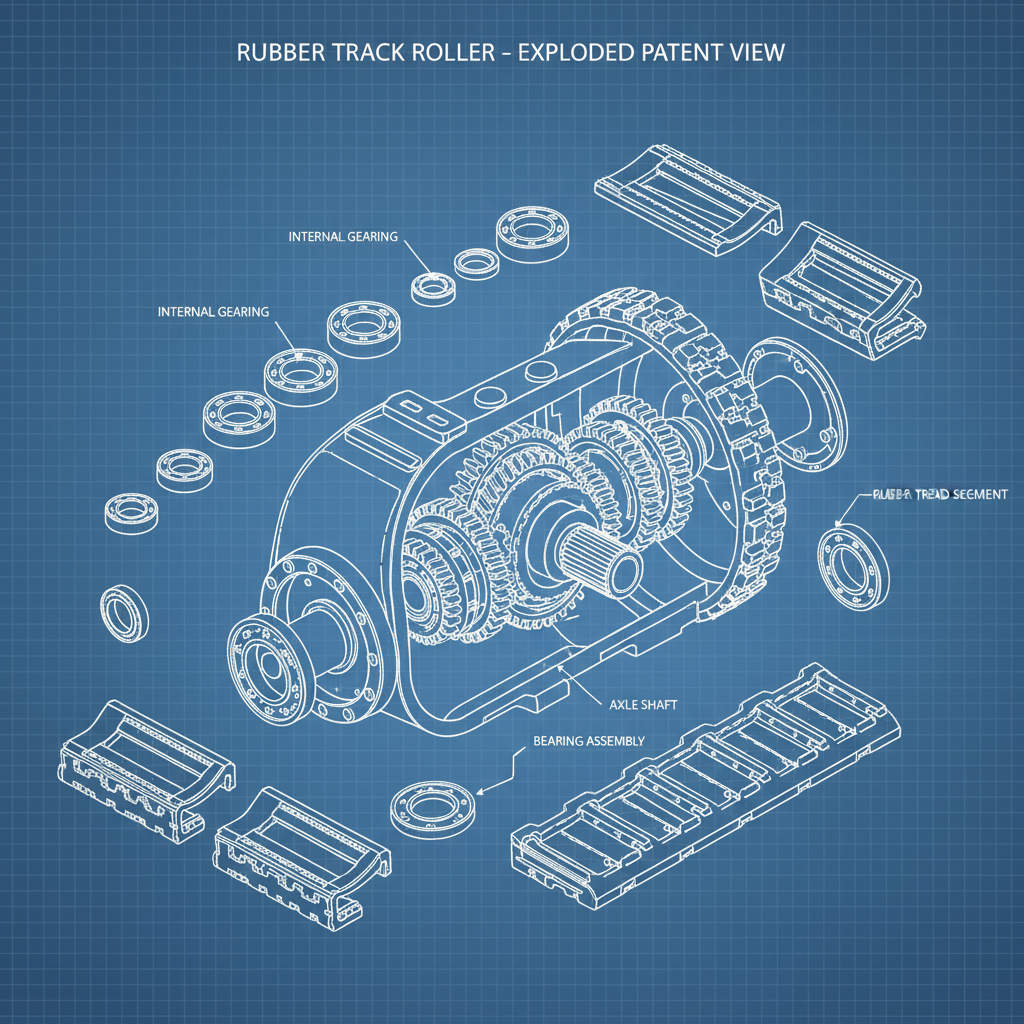
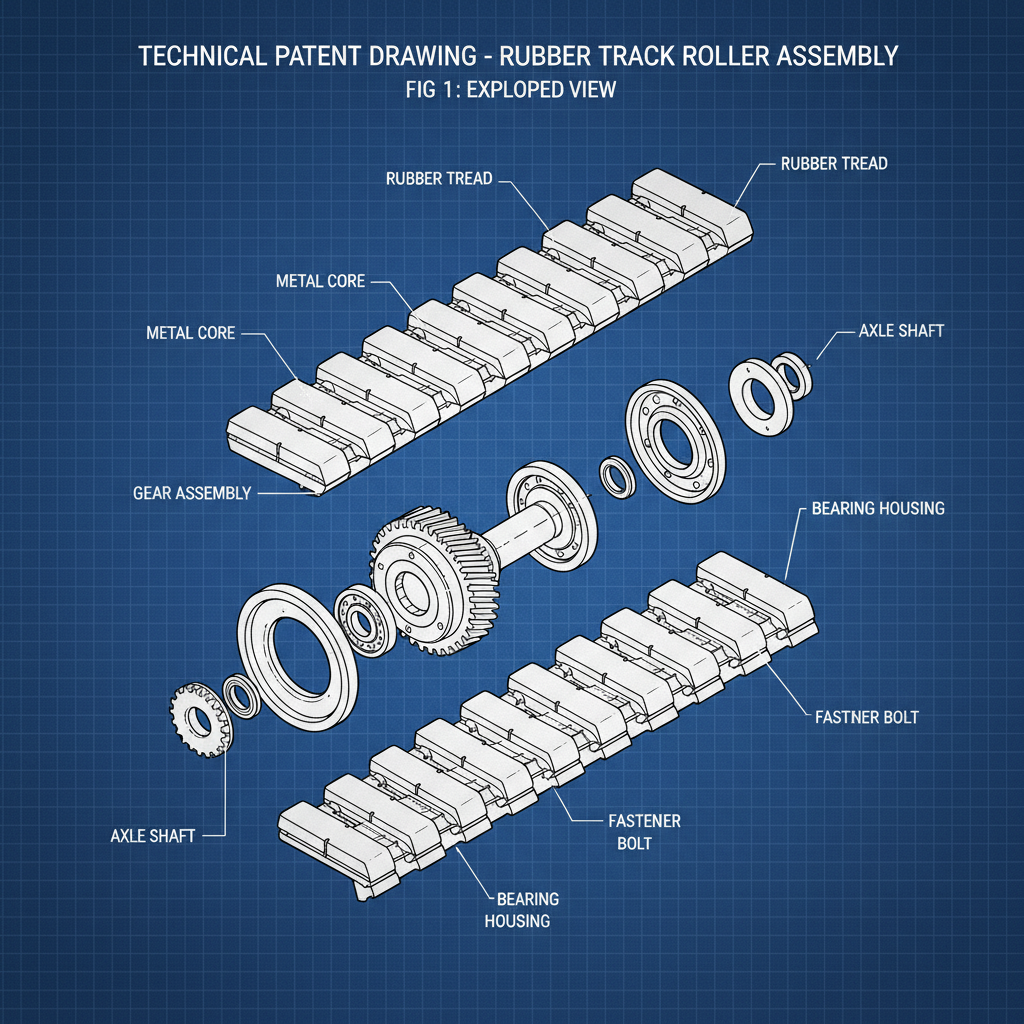
Rubber track rollers, also known as carrier rollers, are situated on the underside of the tracked vehicle, supporting the track and distributing the machine's weight across a larger surface area. This reduces ground pressure, improving traction and preventing excessive wear on both the track and the ground. They work in conjunction with other track components, such as idlers and sprockets, to ensure smooth and reliable operation. Their primary function is to enable the tracks to move efficiently, even over uneven terrain. Properly functioning rollers contribute significantly to the overall stability and maneuverability of the machine.
Key Benefits: Reduced ground pressure, improved traction, minimized wear, enhanced stability, and smoother operation.
Types of Rubber Track Rollers
There are several types of rubber track rollers available, each designed for specific applications and machine types. The most common types include single flange rollers, double flange rollers, and rollers with reinforced seals. Single flange rollers are suitable for general-purpose applications, while double flange rollers provide increased stability on slopes and uneven terrain. Rollers with reinforced seals are ideal for use in harsh environments with abrasive materials. Selecting the appropriate roller type is crucial for maximizing performance and lifespan. Crafts MFG offers a wide variety of these options to suit your machinery needs.
Roller Type Breakdown:
• Single Flange: General-purpose applications.
• Double Flange: Increased stability on slopes.
• Reinforced Seal: Harsh, abrasive environments.
Choosing the Right Rubber Track Rollers for Your Machine
Selecting the correct rubber track rollers requires careful consideration of several factors, including the machine's operating weight, terrain conditions, and application requirements. Using rollers with inadequate load capacity can lead to premature failure, while rollers that are too large can reduce efficiency. Consider the type of terrain – rocky or muddy conditions may necessitate more durable rollers with enhanced seals. It's also essential to ensure compatibility with the existing track system. Always refer to the machine manufacturer's specifications for recommended roller types and sizes.
Maintenance and Longevity of Rubber Track Rollers
Regular maintenance is crucial for maximizing the lifespan of your rubber track rollers. This includes inspecting them for wear and tear, cleaning them to remove debris, and ensuring proper track tension. Over-tensioning can cause premature roller failure, while under-tensioning can lead to track slippage. Periodically rotate the rollers to promote even wear. Monitor the rollers for signs of cracking, peeling, or excessive play. Promptly replace worn or damaged rollers to prevent further damage to the track system. Crafts MFG provides high quality replacement parts.
The Benefits of Investing in High-Quality Rubber Track Rollers
Investing in high-quality rubber track rollers offers numerous benefits, including increased machine uptime, reduced maintenance costs, and improved overall performance. Durable rollers withstand harsh operating conditions and resist wear and tear, minimizing the need for frequent replacements. This translates to significant cost savings over the lifespan of the machine. Furthermore, high-quality rollers contribute to a smoother and more efficient ride, enhancing operator comfort and productivity. Choosing reliable rollers from a reputable supplier like Crafts MFG is a smart investment for any tracked machinery operator.
Conclusion: Ensuring Optimal Tracked Machine Performance
Rubber track rollers are a vital component of tracked machinery, influencing performance, efficiency, and longevity. Selecting the right rollers and implementing a proactive maintenance schedule are key to maximizing the return on your investment. By understanding the different types, choosing quality components, and performing regular upkeep, you can ensure your tracked machines operate at peak efficiency for years to come.
Frequently Asked Questions (FAQs)
How often should I inspect my rubber track rollers?
Regular inspection is key to preventing costly repairs. Inspect your rubber track rollers at least every 250 operating hours, or more frequently in harsh conditions. Look for signs of wear, such as cracks, cuts, or uneven wear patterns. Check for proper rotation and ensure the rollers are free from debris. Addressing issues early on can significantly extend the lifespan of your rollers and prevent further damage to the track system.
What causes premature wear on rubber track rollers?
Several factors can contribute to premature wear. These include improper track tension, operating on abrasive surfaces, lack of lubrication, and overloading the machine. Sharp turns and repeated impacts can also accelerate wear. Regularly monitoring and addressing these issues can help extend the life of your rollers. Maintaining proper track tension is perhaps the single most important factor in preventing premature wear.
Can I repair a damaged rubber track roller?
While minor damage, like small cuts, might be repairable with specialized compounds, it's generally not recommended to repair rubber track rollers. The structural integrity of the roller can be compromised, even with repairs, leading to potential failure and safety risks. Replacing the damaged roller with a new one is the safest and most reliable solution. Contact Crafts MFG for quality replacements.
How do I determine the correct track tension?
Consult your machine’s operator manual for the recommended track tension specifications. Generally, you should be able to lift the track slightly at the midpoint between the sprockets. The tension should be adjusted so that the track doesn't sag excessively, but also isn't overly tight, which can strain the rollers and bearings. Regularly checking and adjusting track tension is vital for optimal performance and longevity.
Post time: Feb-02-2026