- afrikaans
- albanian
- amharic
- arabic
- armenian
- assamese
- aymara
- azerbaijani
- bambara
- basque
- belarusian
- bengali
- bhojpuri
- bosnian
- bulgarian
- burmese
- catalan
- cebuano
- corsican
- creole
- croatian
- czech
- danish
- deutsch
- dhivehi
- dogrid
- dutch
- english
- estonian
- ewe
- filipino
- finnish
- french
- frisian
- galician
- georgian
- greek
- guarani
- gujarati
- haitian_creole
- hausa
- hawaiian
- hebrew
- hindi
- hungarian
- icelandic
- igbo
- indonesian
- irish
- italian
- japanese
- kannada
- khmer
- kinyarwanda
- korean
- kurdish
- kurdish_sorani
- kyrgyz
- lao
- latin
- latvian
- lithuanian
- luganda
- luxembourgish
- macedonian
- maithili
- malay
- malayalam
- maltese
- maori
- marathi
- nepali
- norwegian
- nyanja
- oromo
- pashto
- persian
- polish
- portuguese
- punjabi
- quechua
- romanian
- russian
- samoan
- sanskrit
- scottish_gaelic
- shona
- sindhi
- singapore
- slovak
- slovene
- somali
- spanish
- swahili
- swedish
- tajik
- tamil
- tatar
- telugu
- thai
- turkish
- turkmen
- twi
- ukrainian
- urdu
- vietnamese
- welsh
- yiddish
- yoruba
To be honest, things are moving fast in this industry. Everyone’s talking about prefabrication, modular stuff... and lightweighting, of course. It's all about getting more done with less material, reducing on-site labor. But a lot of folks get caught up in the "lightweight" part and forget about durability. I saw a batch of those flimsy composite track pads at a site in Shanghai last year… they crumbled after a week. Seriously.
Have you noticed how everyone wants things "customizable" now? It’s good, in theory, but it also opens a can of worms. Simple changes can throw off the whole balance of the track pad. And don’t even get me started on the vendors promising "proprietary blends" of rubber… most of them are just repackaging the same old stuff with a fancy label.
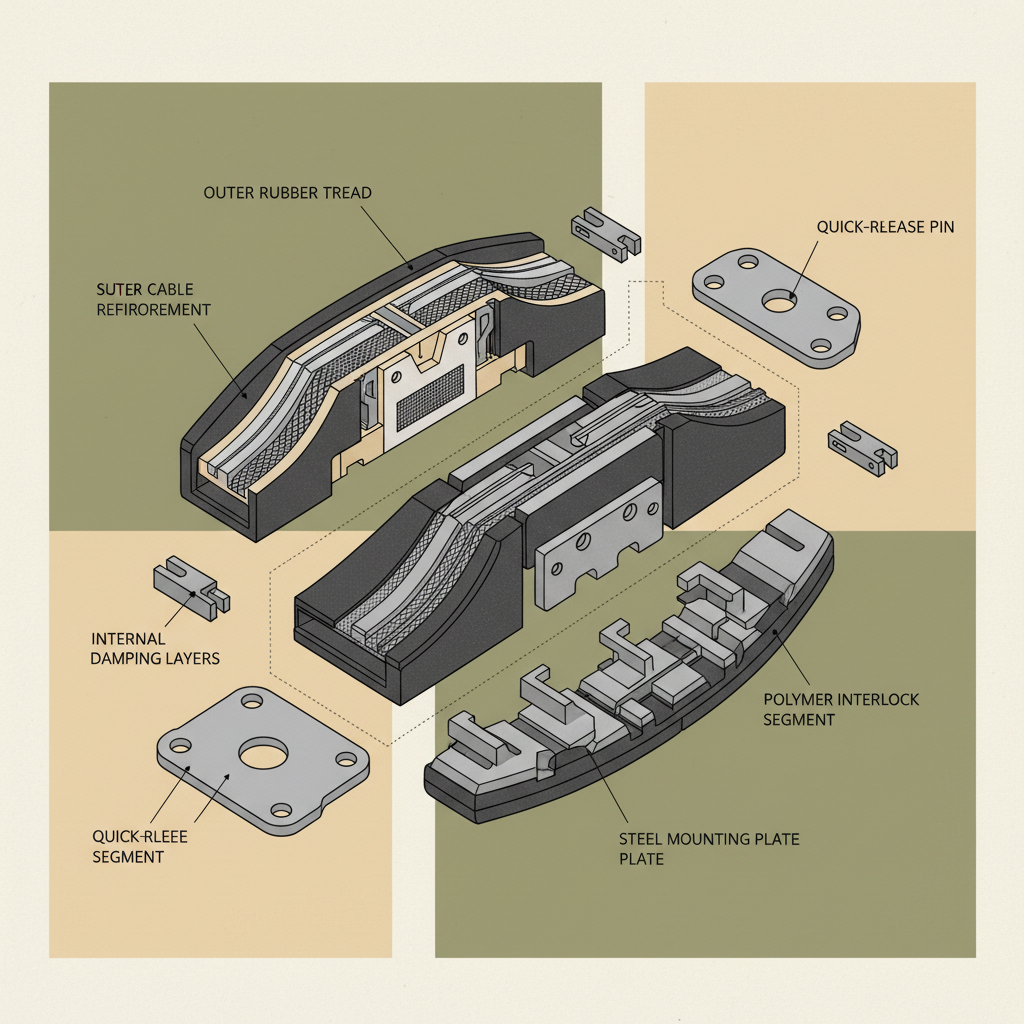
Anyway, I think the core material really matters. We primarily use a blend of natural and synthetic rubber – SBR, polybutadiene, a little bit of EPDM for weather resistance. The natural rubber gives it that good grip and resilience, but it's also heavier, smells a bit like tires when you first open the pallet, and gets sticky in really hot weather. The synthetic stuff helps counteract that. It’s not glamorous, but it works. We also use steel reinforcements – not fancy alloys, just good old high-carbon steel. You can feel the weight in your hands. That's a good sign.
Industry Trends and Common Pitfalls
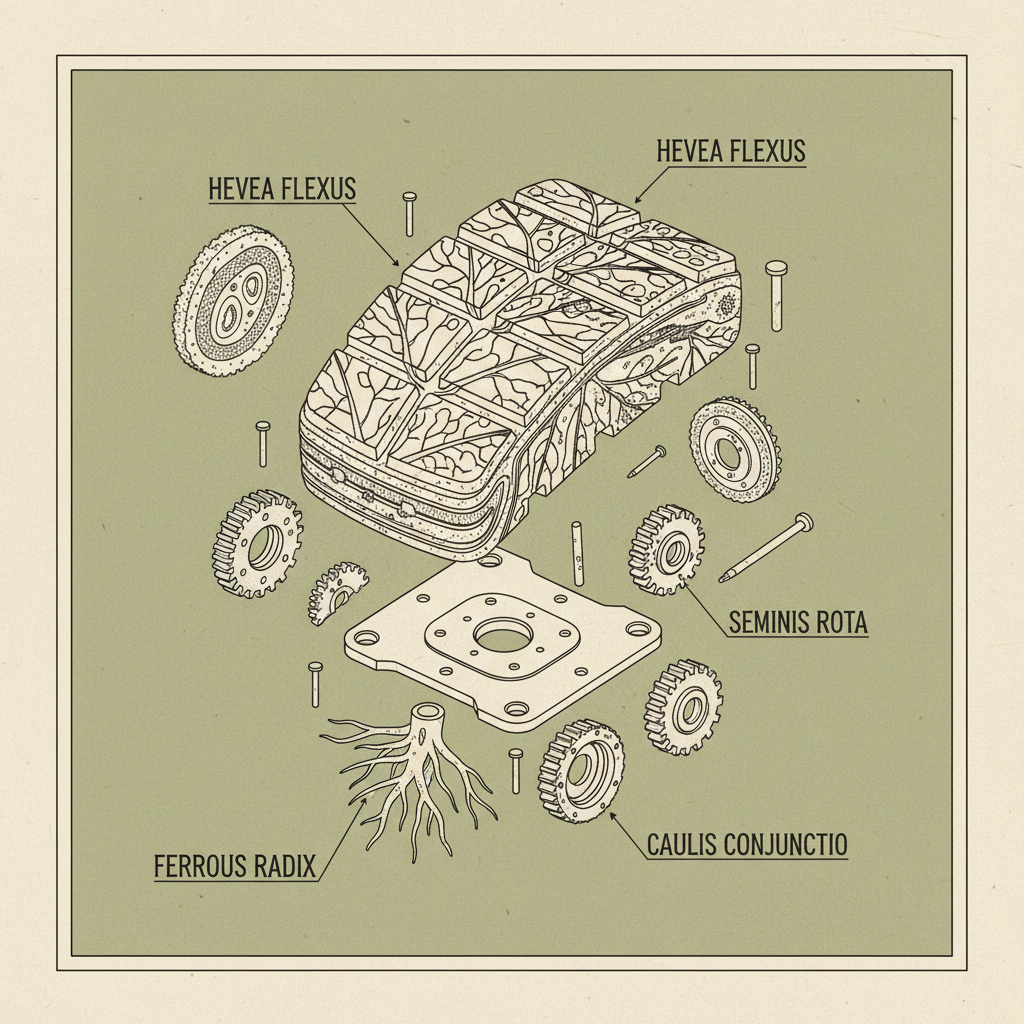
Strangely, everyone’s chasing after “smart” track pads now, with sensors and all kinds of gizmos. Look, I’ve been doing this for twenty years, and I've learned that simple usually wins. More sensors mean more points of failure. The real innovation is in getting the basics right. And the biggest pitfall? Underestimating the sheer weight and stress these things endure. A slightly undersized pad will fail, and it won’t be pretty.
Also, people often forget about the ground conditions. Soft soil, rocky terrain, extreme temperatures – they all affect performance. You can have the best track pad in the world, but if you don’t install it properly, it’s going to cause problems.
FAQS
That depends entirely on the application and ground conditions. A pad used on a smooth, paved surface will last much longer than one used on rocky terrain. We generally estimate 1-3 years for typical construction use, but we've seen them last longer with proper maintenance. Regular cleaning and inspection for wear are key.
They offer good resistance to most common construction chemicals and oils, but prolonged exposure can degrade the rubber. We recommend avoiding direct contact with harsh solvents and acids. Our EPDM-blended compounds offer superior chemical resistance if that's a major concern for your application. Always check the specific chemical resistance chart before use.
We offer a wide range of standard sizes, and we can also manufacture custom sizes to meet your specific needs. We typically need the track width, length, and any specific mounting requirements to create a custom pad. Don't hesitate to contact us with your dimensions and we'll be happy to provide a quote.
Installation is generally straightforward. Most pads are designed to simply slip over the track links. Some may require bolting or clamping, depending on the model. We provide detailed installation instructions with each order. Make sure the tracks are clean and free of debris before installation. And always double-check that the pads are securely fastened.
Yes, we offer a one-year warranty against defects in materials and workmanship. The warranty does not cover normal wear and tear, or damage caused by improper installation or misuse. We stand behind the quality of our products, and we'll work with you to resolve any issues that may arise.
Store them in a cool, dry place away from direct sunlight and heat sources. Avoid storing them near ozone-generating equipment, as ozone can degrade the rubber. Keep them off the ground to prevent moisture buildup. Proper storage will help ensure they remain in good condition until you're ready to use them.
Conclusion
Ultimately, all the fancy materials and engineering in the world don’t matter if the track pad can’t withstand the real-world punishment it’s going to face. We focus on building durable, reliable products that can handle the toughest conditions. It's about finding that sweet spot between performance, cost, and longevity.
And here's the thing: whether this thing works or not, the worker will know the moment he tightens the screw. They're the ones who are out there day in and day out, dealing with the mud, the rocks, and the relentless pressure. Their feedback is what drives us to keep improving. Visit our website at www.crafts-mfg.com to learn more and get a quote.
Related Posts