- afrikaans
- albanian
- amharic
- arabic
- armenian
- assamese
- aymara
- azerbaijani
- bambara
- basque
- belarusian
- bengali
- bhojpuri
- bosnian
- bulgarian
- burmese
- catalan
- cebuano
- corsican
- creole
- croatian
- czech
- danish
- deutsch
- dhivehi
- dogrid
- dutch
- english
- estonian
- ewe
- filipino
- finnish
- french
- frisian
- galician
- georgian
- greek
- guarani
- gujarati
- haitian_creole
- hausa
- hawaiian
- hebrew
- hindi
- hungarian
- icelandic
- igbo
- indonesian
- irish
- italian
- japanese
- kannada
- khmer
- kinyarwanda
- korean
- kurdish
- kurdish_sorani
- kyrgyz
- lao
- latin
- latvian
- lithuanian
- luganda
- luxembourgish
- macedonian
- maithili
- malay
- malayalam
- maltese
- maori
- marathi
- nepali
- norwegian
- nyanja
- oromo
- pashto
- persian
- polish
- portuguese
- punjabi
- quechua
- romanian
- russian
- samoan
- sanskrit
- scottish_gaelic
- shona
- sindhi
- singapore
- slovak
- slovene
- somali
- spanish
- swahili
- swedish
- tajik
- tamil
- tatar
- telugu
- thai
- turkish
- turkmen
- twi
- ukrainian
- urdu
- vietnamese
- welsh
- yiddish
- yoruba
To be honest, these cold milling machine undercarriage parts… they’re not glamorous. Nobody’s putting them on Instagram, right? But spend a year crawling around construction sites like I have, and you quickly realize everything comes down to these bits. Lately, everyone's obsessed with electric, you know? Trying to squeeze more power out of smaller batteries, which means lighter undercarriage components. It’s a big push, and it's forcing us to rethink a lot of what we’ve been doing. It’s not just about making things lighter, though. Durability is still king.
Have you noticed how everyone wants 'modular' everything now? Makes sense, simplifies maintenance. But modularity on an undercarriage… that's tricky. You gotta balance ease of swap-out with structural integrity. I encountered this at a factory in Jiangsu Province last time, they were using these really fancy quick-release pins, looked great on paper, but sheared under heavy load. Turns out, the steel wasn’t up to snuff. It’s the small things, you know?
And the material choices… don’t even get me started. We’re mostly working with high-strength alloy steels – 4340, 8640, that sort of thing. It smells like oil and heat treatment when you're cutting it, a good smell though, means it's tough. Sometimes we'll use some boron steel in critical areas. That stuff is a pain to weld, though, needs a specific pre-heat and post-weld heat treatment or it cracks. Then there’s the polymers – polyurethane for the shock absorption, polyurea for the liners. They feel… rubbery, obviously. But it’s the density that matters. You need to squeeze every ounce of energy absorption you can get out of it.
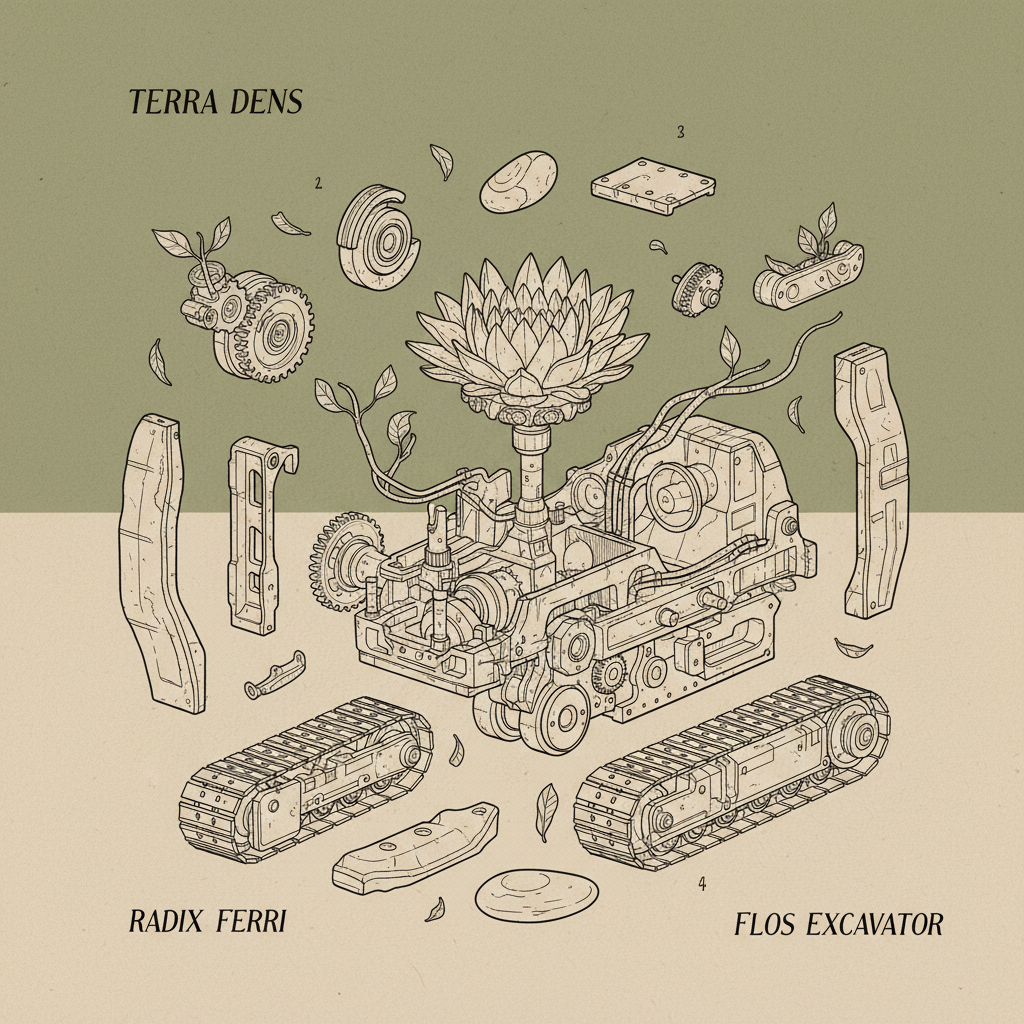
The Evolving Landscape of cold milling machine undercarriage part
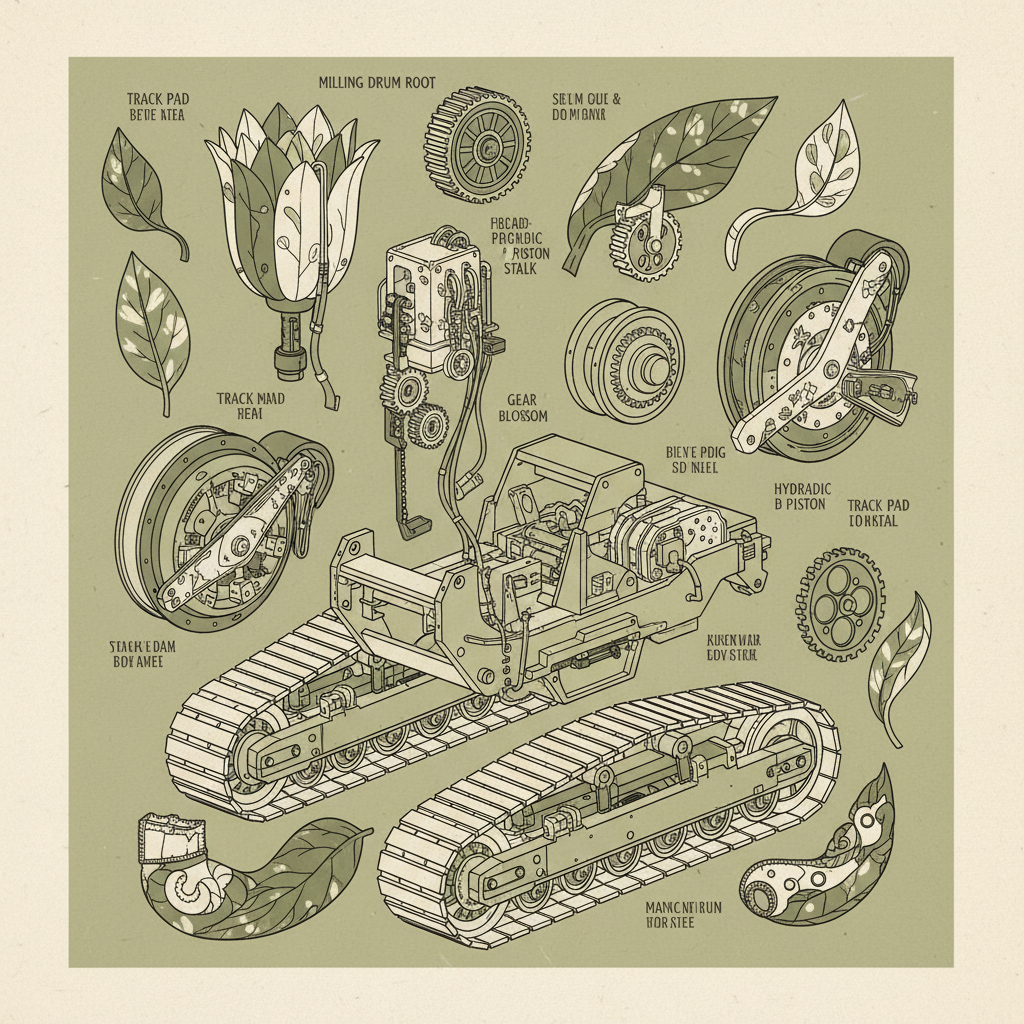
Strangely, the biggest change I've seen isn’t the materials or the design, it's the data. Everyone's throwing sensors on everything now. Load sensors, vibration sensors, strain gauges... It's a lot of data to sift through, but it's helping us understand how these parts are actually performing, not just how we think they’re performing. It also helps with predictive maintenance, which is a big deal for keeping downtime to a minimum.
The demand for higher precision and faster milling speeds is constantly increasing, which naturally puts more stress on the undercarriage. So, we're moving towards more sophisticated designs and materials to handle those loads.
FAQS
That depends entirely on the operating conditions and the quality of maintenance. In ideal situations, you can get 500-800 hours out of a set of undercarriage components. But if you're constantly milling abrasive materials or neglecting maintenance, it could be as low as 200 hours. It's a tough life out there.
Crucially important. Catching small cracks or wear early on can prevent catastrophic failures down the line. A simple visual inspection can identify loose bolts, damaged seals, and other potential problems. And don't forget to check the hydraulic lines for leaks. Prevention is always cheaper than repair.
Excessive vibration, unusual noises, and visible cracks are all red flags. Also, if you notice a significant decrease in milling performance, that's a sign something's wrong. Don’t ignore these symptoms; address them immediately to avoid further damage.
Some minor damage can be repaired – welding a crack, for example. But in most cases, replacement is the safest and most cost-effective option. Trying to repair a severely damaged part can compromise its structural integrity and lead to another failure.
OEM parts are generally more expensive, but they’re also made to the original specifications and have undergone rigorous testing. Aftermarket parts can be cheaper, but the quality can vary significantly. You get what you pay for, usually. If you're looking for reliability and longevity, stick with OEM.
Harsh environments – extreme temperatures, exposure to corrosive chemicals, abrasive dust – can significantly reduce the lifespan of cold milling machine undercarriage parts. Regular cleaning and protective coatings can help mitigate these effects. Don’t underestimate the impact of a dirty worksite.
Conclusion
So, yeah, cold milling machine undercarriage parts aren’t sexy, but they're absolutely critical. The industry's moving towards lighter, more efficient designs, but durability is still paramount. Material selection, rigorous testing, and a little bit of common sense are key to building a reliable and long-lasting undercarriage. We’ve got data, we’ve got testing, but really, it all boils down to real-world performance.
Ultimately, whether this thing works or not, the worker will know the moment he tightens the screw. If it feels solid, if it handles the load, if it lasts… that’s what matters. If you're looking for quality undercarriage components, built to withstand the toughest conditions, visit our website at www.crafts-mfg.com. We've been in the trenches long enough to know what works.
Related Posts