Excavator Track Components: What Really Keeps Your Machine Moving
Having spent years knee-deep in the industrial equipment trenches, one thing’s clear: excavator track components might sound like just another part of the machinery, but they are the unsung heroes of every digging job out there. Without them, well, you’re just pushing a pile of dirt around with nothing to grab a grip on.
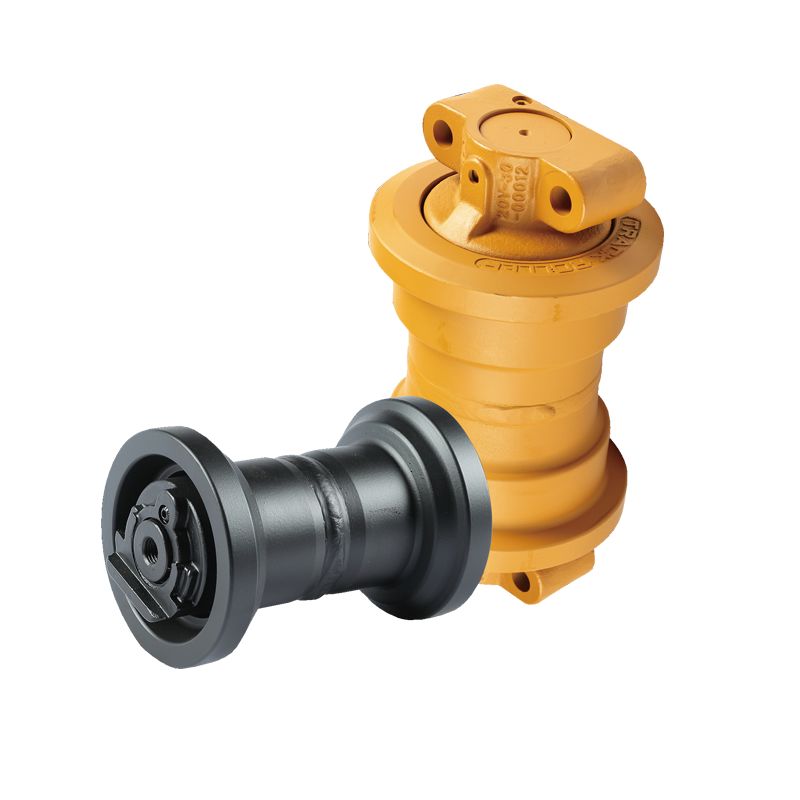
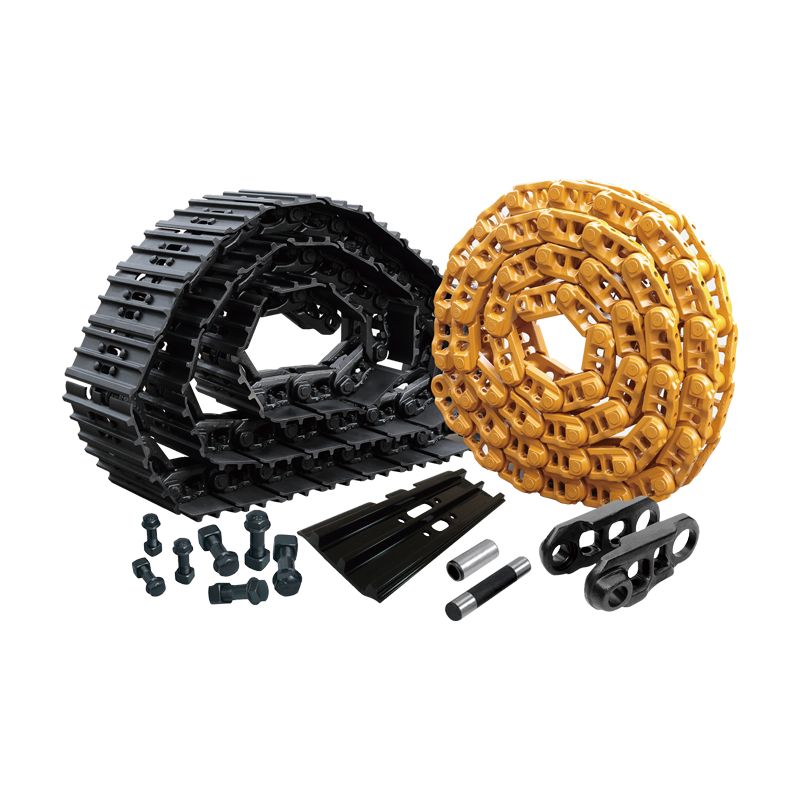
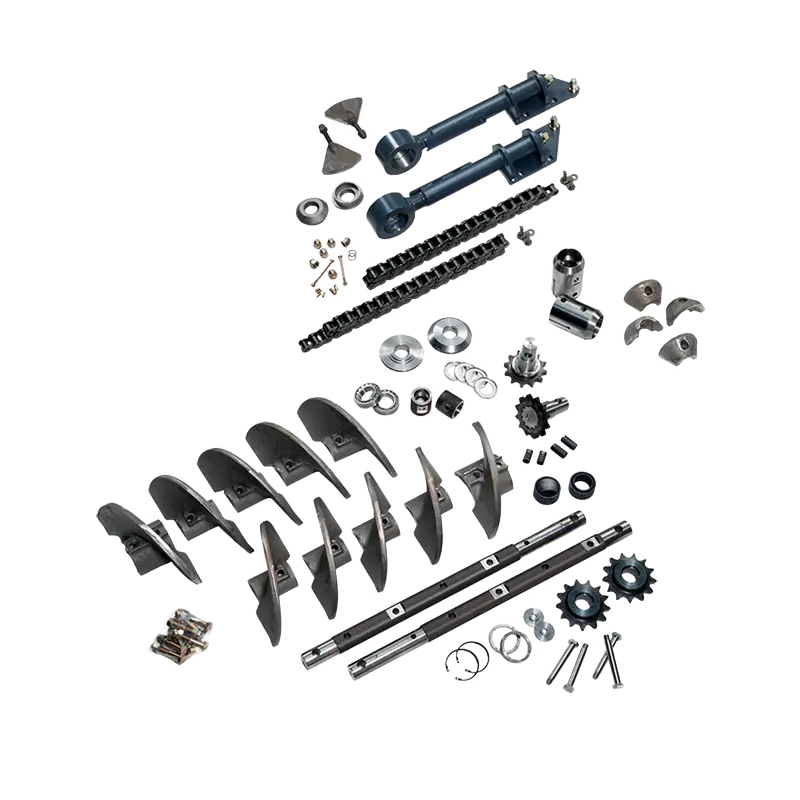
Let me tell you, the track system on an excavator is more complex than most people realize. It’s not just a bunch of metal links slapped together; it’s a finely balanced interplay of components — rollers, sprockets, track chains, shoes — that all have to endure massive stress while keeping everything smooth and reliable. In fact, I’ve often said to my colleagues, “If your tracks are singing, you’ve got a machine that’s working in harmony.”
The materials used in these components have evolved dramatically. Nowadays, you’re looking at heat-treated alloy steels designed to resist wear and abrasion, which is a game changer in environments where rocks, mud, and debris are the norm. I remember early in my career when we used to see track pins fail after just a few hundred hours. Now? They last practically twice as long thanks to better metallurgy and precision manufacturing techniques.
It’s worth highlighting that each part of the track system wears differently — for example, the sprocket teeth are under constant impact pressure, while rollers mostly deal with compression and wandering forces. So, manufacturers test them rigorously, from impact simulations to real-world field trials. This comprehensive testing, frankly, helps reduce downtime, which is the bane of all site managers I know.
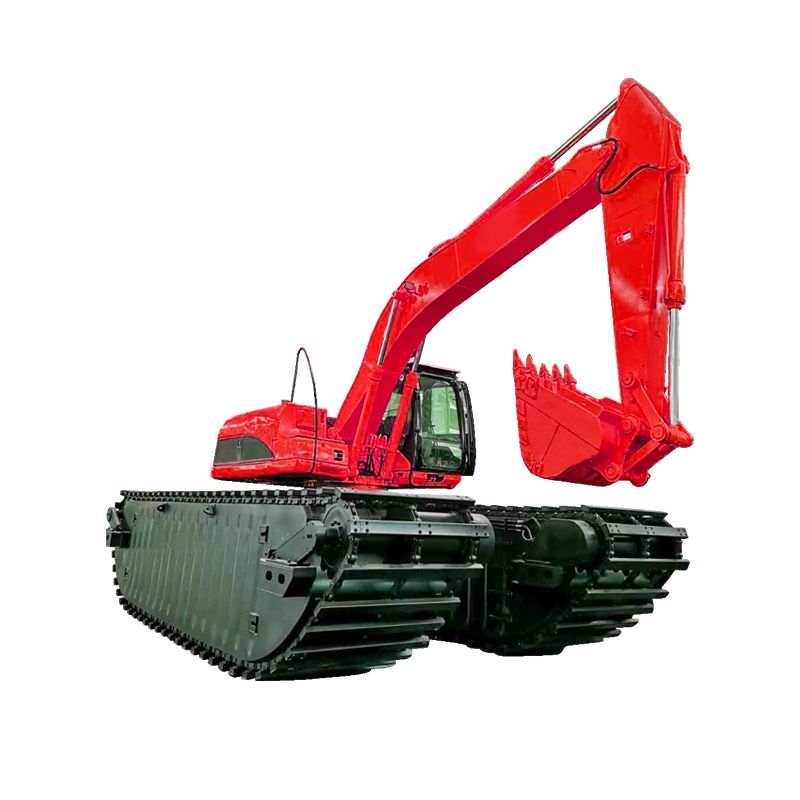
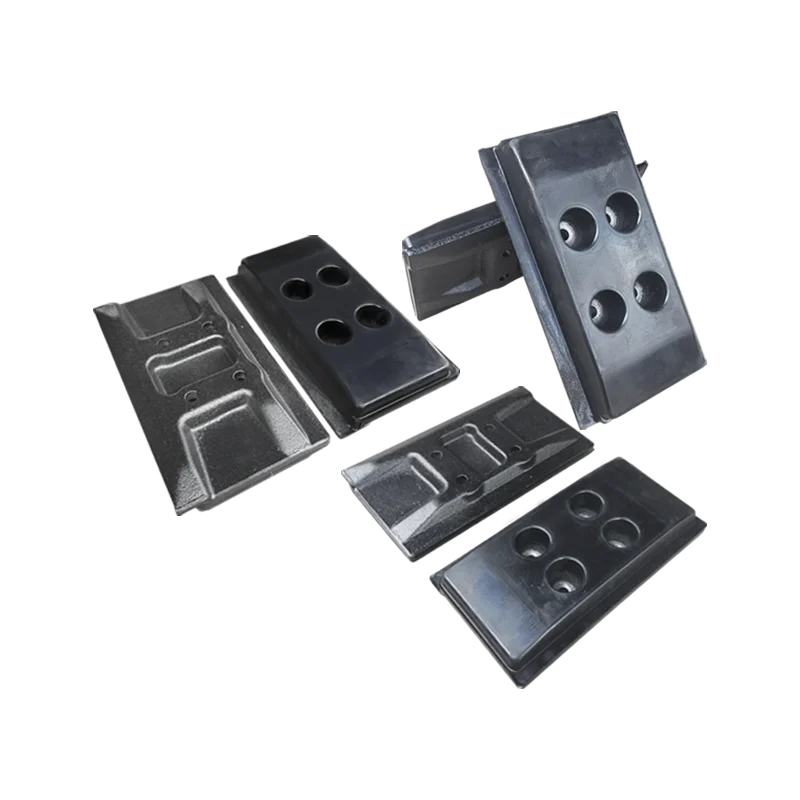
Interesting enough, customization has become a big deal. Depending on the soil condition or the working environment, you might want wider or narrower track shoes, welded or bolted, open or closed lug designs. It’s not just coat and hat sizes; these variations have real impact on traction, ground pressure, and even fuel efficiency. One project I worked on in a wetland area required special wide track shoes, which cut our machine’s sinking risk by a good margin — made all the difference.
| Component | Material | Average Lifespan | Common Applications |
|---|---|---|---|
| Track Chain | Heat-treated alloy steel | 1,500 - 3,000 hours | General earthmoving, heavy-duty mining |
| Sprocket | Forged steel with carburized surface | 1,800 - 3,500 hours | High torque applications, stone handling |
| Track Shoe | Manganese steel alloy | 1,200 - 2,800 hours | Wetlands, rocky terrains |
| Rollers | Case-hardened forged steel | 2,000 - 4,000 hours | Smooth soil, construction sites |
Now, naturally, when it comes to sourcing these components, you run into a jungle of vendors, each with their own claims of superiority. Here’s a quick comparison I’ve seen frequently discussed among equipment managers and engineers:
| Vendor | Product Quality | Customization Options | Lead Time | Price Range |
|---|---|---|---|---|
| Crafts Manufacturing | High – ISO certified, extensive field testing | Wide – bespoke designs available | 4-6 weeks | Mid to high |
| Global Tracks Inc. | Medium – standard specs | Limited – standard sizes only | 2-3 weeks | Low to mid |
| Heavy Duty Components | High – premium materials | Moderate – some customization | 6-8 weeks | High |
Speaking personally, I appreciate vendors like Crafts Manufacturing because they not only deliver quality parts but also understand the right balance between durability and price. Machines don’t just sit pretty on a showroom floor; they work hard. The track components have to keep pace — no shortcuts. I’ve seen field supervisors rave about the customizable options too; it lets teams tailor the track setups exactly for their project’s needs, which, frankly, pays off in uptime and less frustration.
Before I forget, one of the more memorable projects involved a client replacing their entire undercarriage in the midst of a busy construction season. They opted for fully customized track shoes and sprockets, which reduced their usual downtime by nearly 30%. That’s not just numbers on paper — that directly translates to saved labor costs and faster project completion.
In real terms, investing a bit more time and thought into choosing the right excavator track components pays dividends. Tracks aren’t the flashiest part of an excavator, but they’re among the most critical. When those components mesh well, everything else follows suit.
So, the next time you hear your machine rumbling steadily across a tough jobsite, remember to give a little nod of respect to those hardworking tracks.
References:
1. Industry Metallurgy Reports on Track Components, 2023
2. Field Notes from Equipment Maintenance Teams, 2019–2023
3. Manufacturer Data Sheets and ISO Certifications, Crafts Manufacturing
Post time: Dec-07-2025