Understanding the Excavator Idler Wheel: A Workhorse Often Overlooked
Having spent close to two decades in the industrial equipment sector—more specifically around heavy machinery like excavators—I've learned to appreciate the small components that keep these giants moving. One such component that doesn't always get the spotlight? The excavator idler wheel. Oddly enough, it’s often overlooked but it plays a vital role in the undercarriage system.
The idler wheel isn’t just a metal disc spinning mindlessly; it’s actually a crucial part of the track tensioning mechanism. Picture it this way: without the idler maintaining proper track tension, the entire track could sag, slip off, or wear unevenly. And that, frankly, is a nightmare on a job site where downtime eats into your bottom line. I’ve had a few close calls where a poorly maintained or poorly designed idler wheel caused unexpected track failures — not fun.
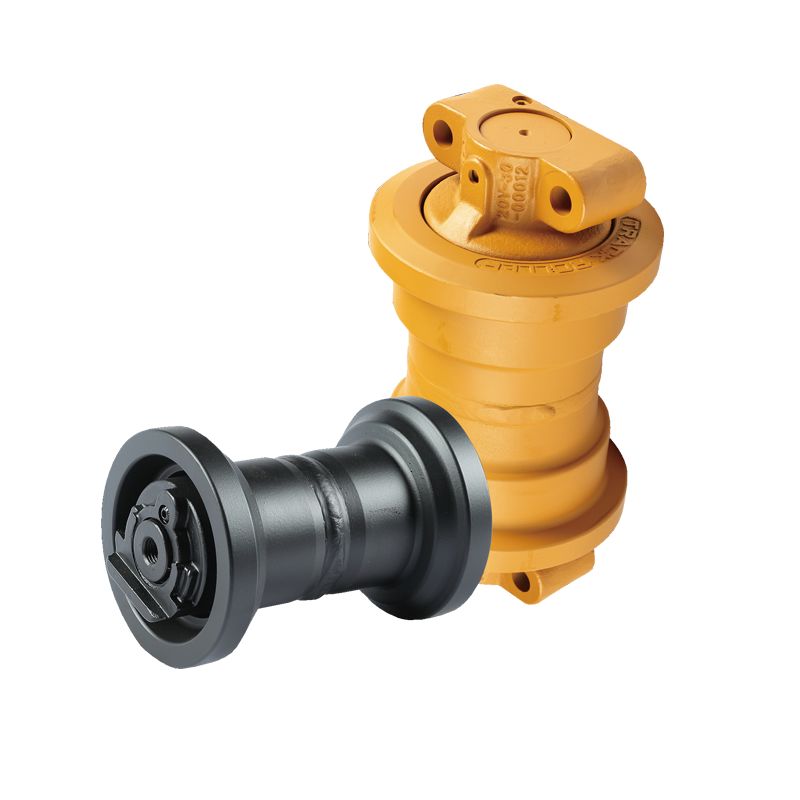
In real terms, the idler wheel guides and supports the track chain and keeps the system aligned. Usually made from high-grade steel, the wheel must endure substantial impacts, abrasive material contact, and constant rotation. The engineering behind it has evolved quite a bit. For instance, modern idlers often incorporate sealed bearings and tough coatings to resist corrosion and wear—a big upgrade from older open-style models I remember working with years ago.
Material-wise, the choice usually falls on heat-treated alloy steel combined with machining precision to ensure the wheel handles heavy loads without cracking or excessive wear. Many engineers I talk to emphasize testing under extreme conditions—think dusty, muddy, and sometimes icy environments—making this more than just a simple wheel; it’s a durability proof point.
Now, speaking of specs, here’s a quick look at what you typically should expect from a quality excavator idler wheel:
| Specification | Typical Value / Description |
|---|---|
| Material | Heat-treated alloy steel (e.g., 40Cr, 50Mn) |
| Diameter Range | 300 mm – 800 mm (varies by model) |
| Standard Coating | Heat-resistant, anti-corrosion paint or plating |
| Bearings | Sealed roller bearings with lubrication packs |
| Load Capacity | Varies, typically up to several tons per idler |
| Compatibility | Designed for specific excavator models/track width |
When I first started overseeing maintenance schedules, I noticed many operators underestimated the idler’s impact on overall track life. Imagine replacing an entire track system just because the tension went out of whack due to a faulty idler wheel. That’s downtime and expenses nobody enjoys, but maintaining or upgrading the idler can prevent that.
On that note, selecting the right vendor is just as crucial. Not all idler wheels are created equal. Some companies rely on cheaper steel or skip certain wear tests which, to me, signals trouble down the line. Below is a comparison I compiled, weighing typical vendors by quality, price, warranty, and after-sales support.
| Vendor | Material Quality | Price Range | Warranty | After-Sales Support |
|---|---|---|---|---|
| Crafts Manufacturing | Premium heat-treated alloys | Mid to high | 12 months | Strong, responsive support |
| Generic Brand A | Standard steel, minimal treatment | Low | 6 months | Limited support |
| Premium Supplier B | Top-tier steel & coatings | High | 18 months | Excellent, global support |
I recall one client — a site supervisor working in a particularly rough quarry — mentioning how switching to a higher-grade idler wheel reduced their track replacement frequency significantly. The initial expense seemed steep at first, but over two years, the payoff was clear in terms of less downtime and fewer repairs. I suppose that’s a recurring lesson: sometimes you pay a bit more upfront to save headaches later.
So, in a nutshell? If you’re running excavators regularly, understanding and investing in quality excavator idler wheels isn’t just smart—it’s essential. Keep an eye on material specs, the vendor’s track record, and product warranties. Oddly enough, such a “small” part has a disproportionately large impact on your machine’s performance and your project's success.
Just a little thing—a wheel—yet it underlines a bigger truth: lasting performance in heavy equipment comes from attention to each link in the chain.
References:
1. Heavy Machinery UnderCarriage Maintenance Manual, 2019 Edition.
2. Industry insights from the International Construction Machinery Association, 2022.
3. Personal experience and client feedback over 18 years in equipment support.
Post time: Dec-07-2025