Understanding the Importance of a Robust Track Chain
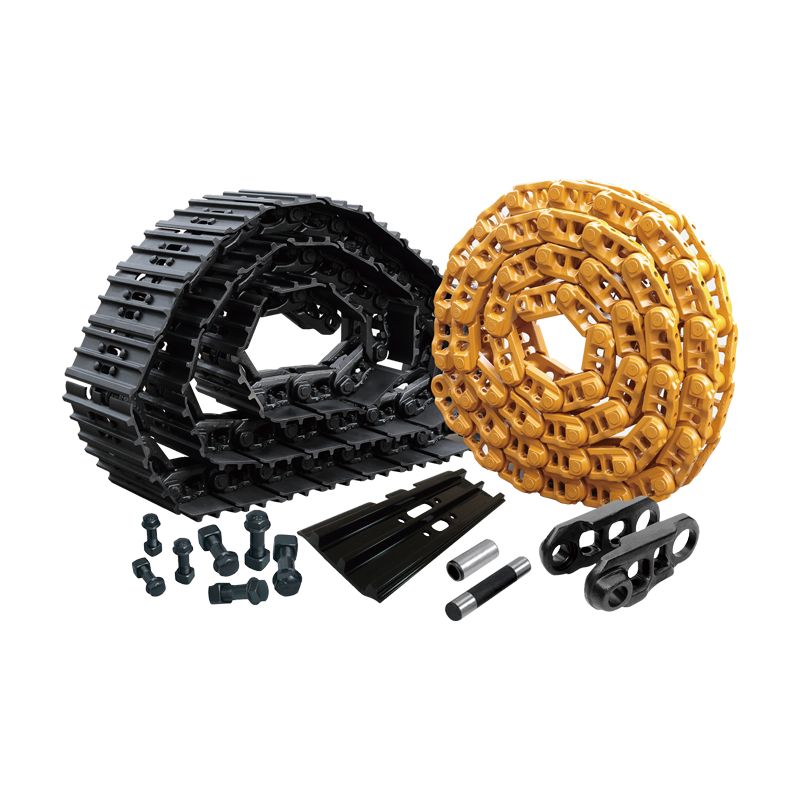
In the complex world of material handling and logistics, a reliable track chain is fundamental. It's the core component enabling the smooth and efficient operation of tracked vehicles and machinery across diverse industries. From construction and agriculture to mining and military applications, the performance of a track chain directly impacts productivity, safety, and operational costs. At Crafts-Mfg, we specialize in delivering high-quality track chains engineered for durability and performance. This article will delve into the crucial aspects of track chains, exploring their types, applications, maintenance, and the factors to consider when choosing the right one for your needs.
Types of Track Chains
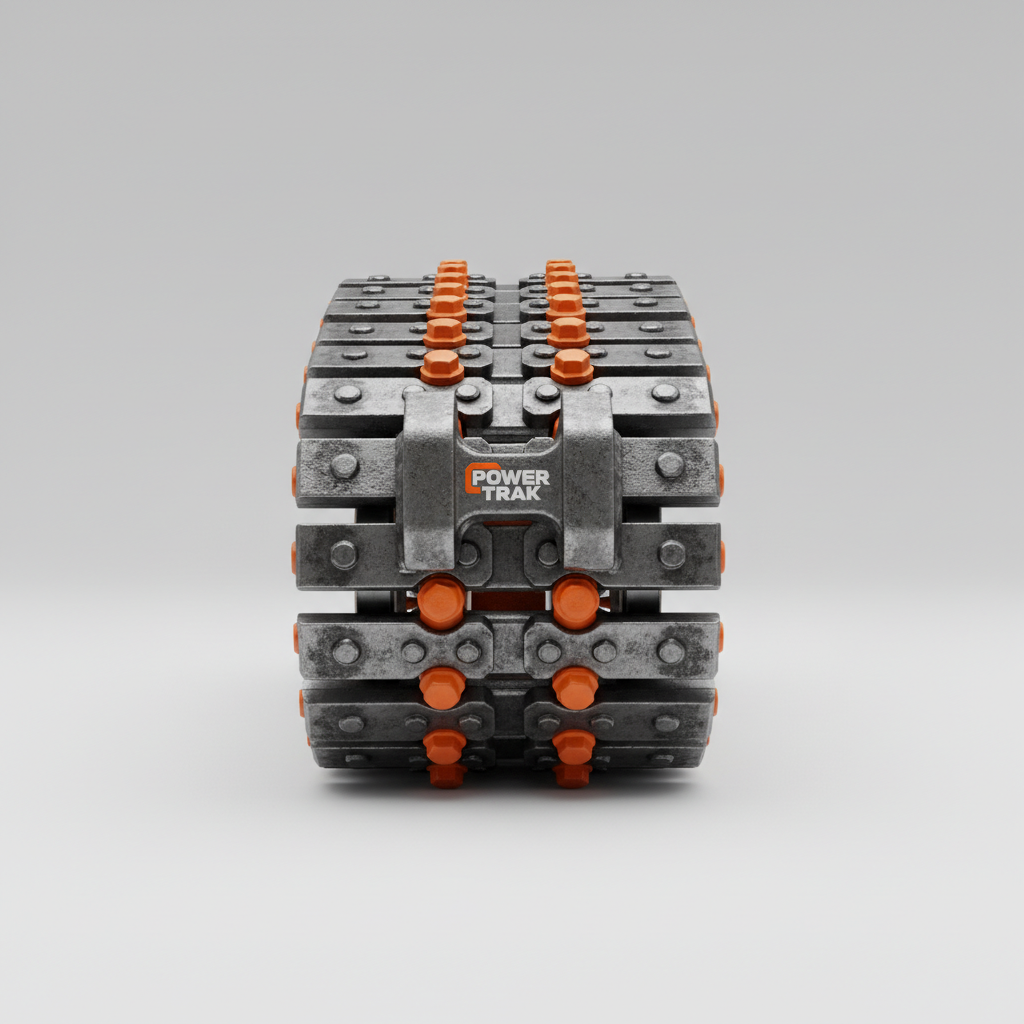
Track chains aren’t one-size-fits-all. Several types cater to specific applications and load requirements. The most common include: Standard Track Chains, designed for general-purpose use; Heavy-Duty Track Chains, built to withstand high loads and abrasive environments, frequently seen in construction; and Rubber Track Chains, offering lower noise levels and improved traction, ideal for indoor use or sensitive surfaces. Understanding the unique characteristics of each type is crucial for optimal performance. The choice depends on the vehicle’s weight, operating conditions, and the type of terrain it will navigate. Crafts-Mfg offers a comprehensive range of track chain types to meet diverse operational demands.
Key Considerations: Selecting the appropriate track chain type ensures optimal performance, minimizes wear and tear, and maximizes the lifespan of the equipment.
Applications of Track Chains Across Industries
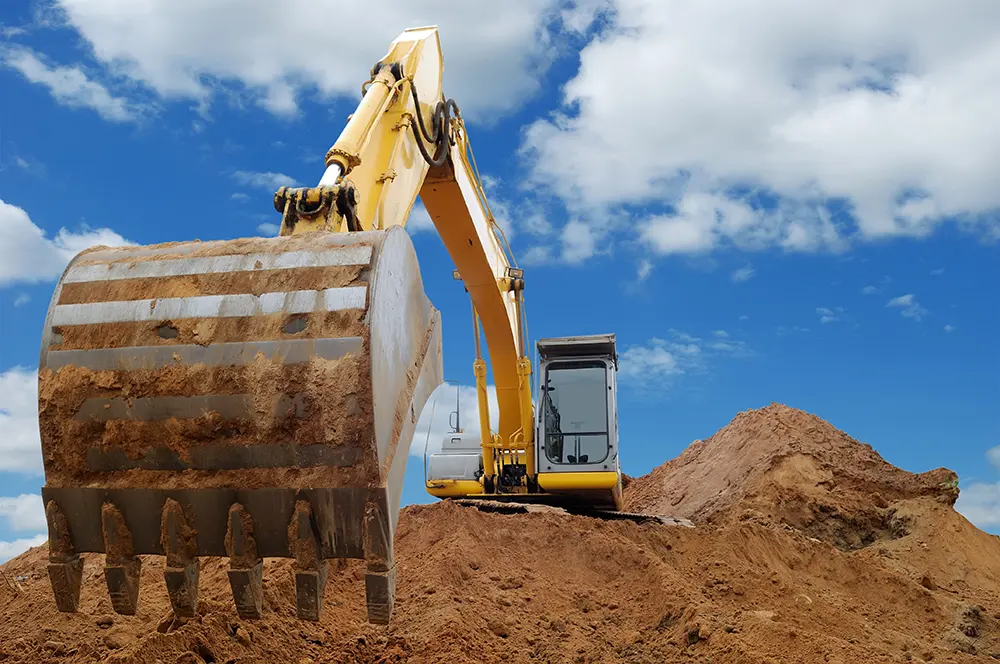
The versatility of track chains makes them indispensable across numerous industries. In construction, they power excavators, bulldozers, and loaders, providing the traction and stability needed for heavy lifting and earthmoving. Agriculture utilizes track chains in combines, tractors, and harvesters for efficient crop processing. Mining operations rely on them for rugged durability in demanding underground and surface applications. Even the military depends on track chains for armored vehicles and transport equipment, requiring unwavering reliability in challenging terrains. Crafts-Mfg’s track chains are specifically engineered to perform optimally in these varied and often harsh environments.
Industry-Specific Benefits:
• Construction: Increased stability and lifting capacity.
• Agriculture: Enhanced traction and reduced soil compaction.
• Mining: Exceptional durability in abrasive environments.
• Military: Reliable performance in demanding terrains and conditions.
Comparing Track Chain Materials: Strength and Durability
The material used in a track chain significantly impacts its strength, durability, and resistance to wear. Common materials include carbon steel, alloy steel, and stainless steel. Carbon steel is cost-effective but less resistant to corrosion. Alloy steel, enhanced with elements like manganese and chromium, offers superior strength and wear resistance. Stainless steel provides excellent corrosion resistance, making it ideal for marine or chemically aggressive environments. Choosing the right material depends on the specific operating conditions and budget constraints. Crafts-Mfg utilizes high-quality alloy steels in many of its track chains to provide a balance of strength, durability, and cost-effectiveness.
Optimizing Track Chain Lifespan: Maintenance Best Practices
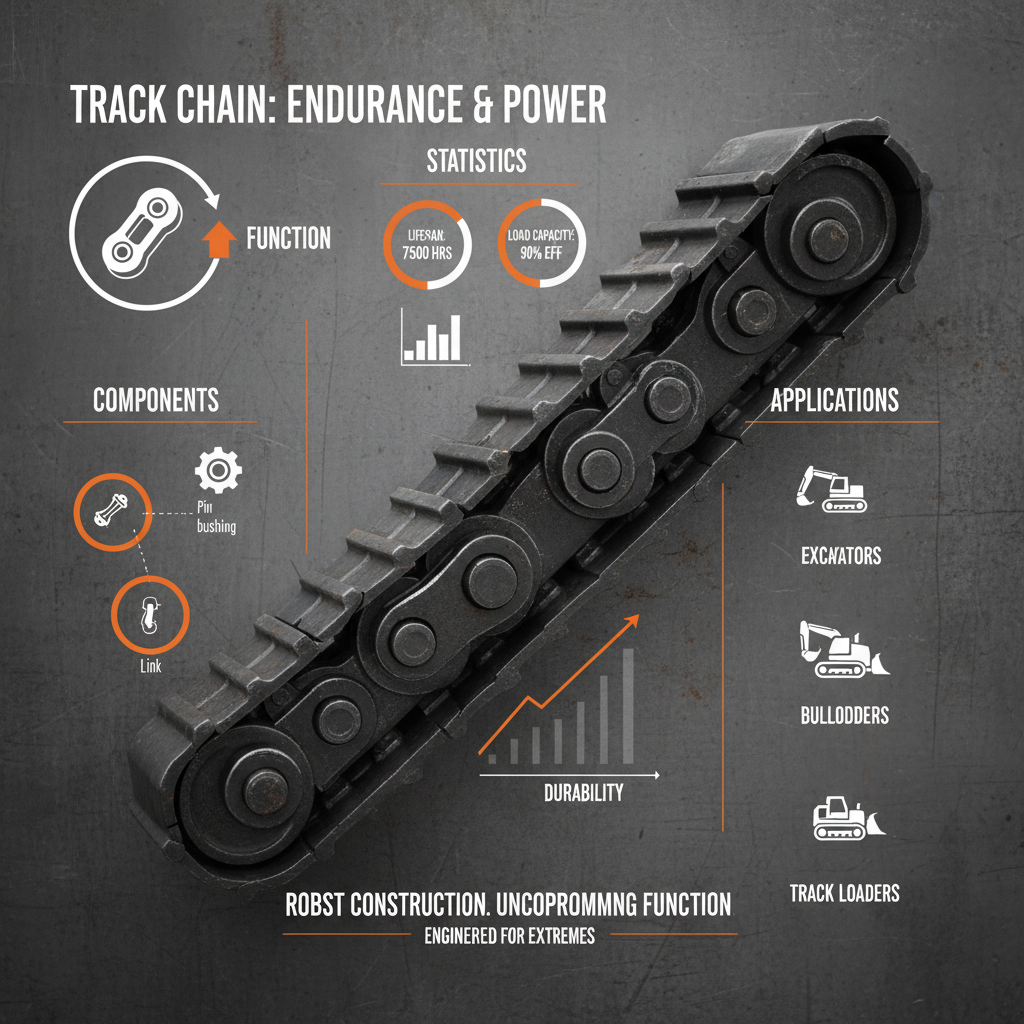
Regular maintenance is critical for extending the lifespan of your track chain and preventing costly downtime. Key practices include: Regular lubrication, using the recommended type of grease; tension adjustment, ensuring proper tension to prevent excessive wear; inspection for wear and damage, identifying and replacing worn or damaged links promptly; and cleaning, removing dirt and debris that can accelerate wear. Crafts-Mfg provides detailed maintenance guidelines and support to help you maximize the performance and longevity of your track chain.
Choosing the Right Track Chain Supplier
Selecting a reputable track chain supplier is crucial. Look for a supplier with a proven track record of quality, reliability, and technical expertise. Consider factors like product range, customization options, lead times, and after-sales support. Crafts-Mfg is committed to delivering high-quality track chains, exceptional customer service, and expert technical support. We partner with you to ensure you get the right track chain for your specific needs.
Conclusion: Invest in Quality for Optimal Performance
Investing in a high-quality track chain from a trusted supplier like Crafts-Mfg is an investment in the long-term reliability and productivity of your equipment. Proper selection, maintenance, and supplier support are all key to maximizing performance and minimizing downtime.
Frequently Asked Questions (FAQs)
What is the typical lifespan of a track chain?
The lifespan of a track chain varies significantly based on operating conditions, load, maintenance, and the quality of the chain itself. Generally, a well-maintained track chain can last between 2,500 to 5,000 operating hours. However, harsh environments, heavy loads, and infrequent maintenance can significantly reduce its lifespan. Regular inspections and adherence to recommended maintenance schedules are vital for maximizing longevity. At Crafts-Mfg we recommend professional inspections after every 250 hours of operation, and replacement based on wear measurements.
How often should I lubricate my track chain?
Lubrication frequency depends on the operating environment and load. In general, it’s recommended to lubricate the track chain every 25 to 50 operating hours. However, in dusty, muddy, or corrosive environments, more frequent lubrication may be necessary. Always use a high-quality grease specifically designed for track chains. Insufficient lubrication is a leading cause of premature wear and failure.
What are the signs that a track chain needs to be replaced?
Several signs indicate that a track chain needs replacement. These include excessive wear on the chain links, elongated pitch (indicating stretching), visible cracks or damage, difficulty maintaining tension, and unusual noises during operation. Ignoring these signs can lead to catastrophic failure and potentially damage other components. If you observe any of these symptoms, it’s crucial to have the track chain inspected by a qualified technician and replaced if necessary. Contact Crafts-Mfg for a professional inspection today!
Post time: Feb-10-2026