Understanding Heavy Equipment Undercarriage
Having spent more than a decade around industrial machinery, the undercarriage of heavy equipment always struck me as the unsung hero of the job site. I suppose it’s one of those components you rarely think about—until it’s worn out or failing. Oddly enough, it’s probably the most abused part of machines like excavators, bulldozers, and track loaders, bearing the brunt of dirt, rocks, and the relentless grind of daily use.
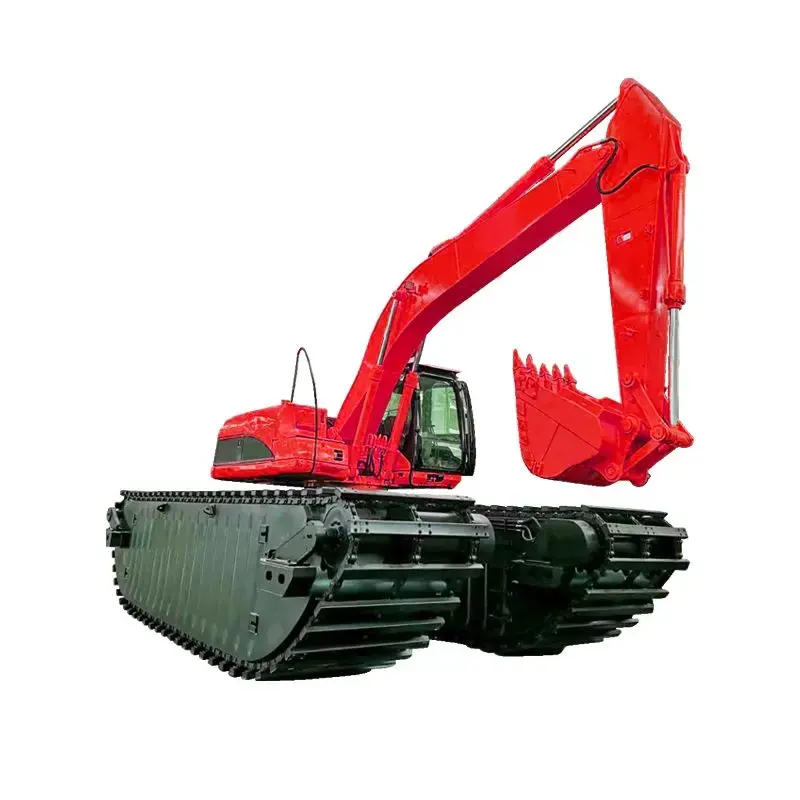
The heavy equipment undercarriage is essentially the foundation that supports the entire machine, distributing weight and enabling mobility across rough terrain. But it’s not just about steel tracks and rollers; there’s a world of engineering that goes into ensuring durability, performance, and ease of maintenance.
In real terms, good undercarriage parts save you thousands in downtime and repair costs. I remember one particular project where a client underestimated the importance of undercarriage maintenance and ended up halting work for days. The replacement parts were a pain to source, and frankly, it cost them more than simply choosing premium components upfront. That's something many engineers say all too often.
Key Components and Material Choices
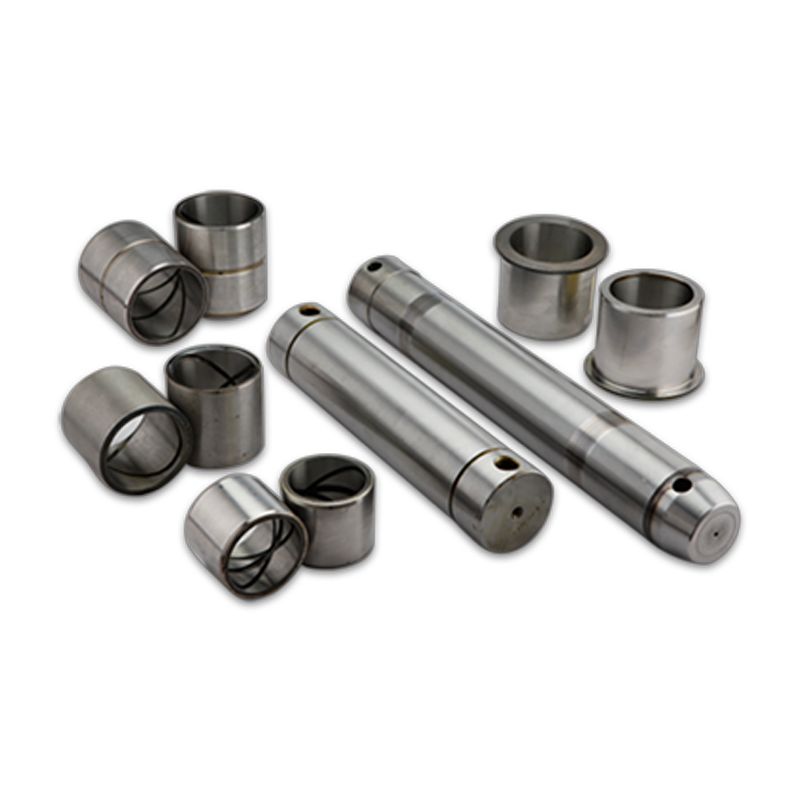
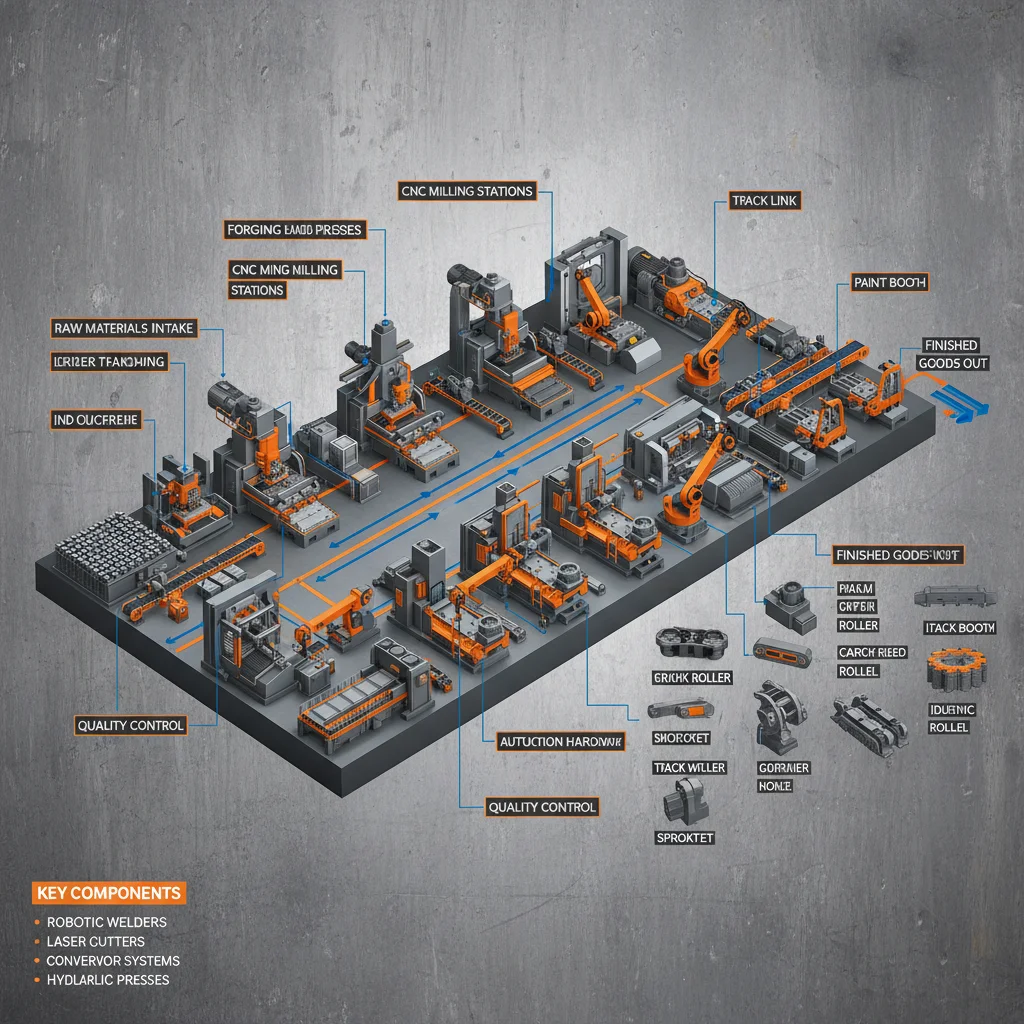
The undercarriage usually consists of components like track chains, sprockets, rollers, idlers, and track shoes. Each has its specific role and challenge. For example, track chains are typically made from high-strength alloy steel to resist wear and impact, while rollers ensure smooth motion under heavy loads.
What fascinates me is how manufacturers are innovating with heat treatments and metallurgical processes. These improvements add just enough flexibility to prevent brittle failure but still maintain hardness for abrasion resistance. It's a tricky balance—sort of like designing a good pair of hiking boots that must be both tough and comfortable.
Product Specs Snapshot
| Component | Material | Typical Lifespan | Weight Range |
|---|---|---|---|
| Track Chain | High-strength alloy steel | 2,000 – 4,000 hours | 50 – 120 lbs per link |
| Sprocket | Heat-treated carbon steel | 3,000 – 5,000 hours | 30 – 100 lbs each |
| Rollers | Forged steel alloy | 2,500 – 4,500 hours | 20 – 80 lbs each |
| Idler | Alloy steel with seal protection | 3,000 – 6,000 hours | 40 – 90 lbs each |
| Track Shoes | Heat treated steel | 4,000 – 7,000 hours | 10 – 60 lbs each |
Choosing the Right Vendor: A Quick Comparison
From my experience, selecting undercarriage suppliers can be surprisingly complex. You want the right balance of quality, lead time, and cost — and frankly, the market doesn’t always make that easy. Here’s a quick vendor comparison I’ve put together based on reputation, product range, and service responsiveness:
| Vendor | Product Quality | Delivery Time | Customization Options | Warranty |
|---|---|---|---|---|
| Crafts Manufacturing | High - premium alloys, tested rigorously | 4-6 weeks | Available on request | 2 years |
| Vendor B | Moderate - standard alloys | 3-5 weeks | Limited | 1 year |
| Vendor C | Variable - depends on batch | 6-8 weeks | Custom after negotiation | 6 months |
One good piece of advice I picked up over the years: always ask for detailed material certifications and try to get customer references. It’s easy to be dazzled by lower prices, but heavy equipment undercarriage is a long-term investment, not a short-term fix.
For instance, a company I worked with in Oregon switched to using components from Crafts Manufacturing. They saw less downtime and fewer costly repairs during the subsequent two years. It felt like they finally got a partner who understood the harsh demands of their environment.
So whether you’re replacing a worn-out track chain or considering a full undercarriage overhaul for a fleet of excavators, it’s worth investing the time to pick parts that last. Frankly, I find the craftsmanship behind quality undercarriage components kind of inspiring—an industrial art form that keeps massive machines moving.
Anyway, that’s my two cents for today. Whether you’re out in the field or in the shop, remember: good undercarriage parts are what keep the heavy lifting... heavy lifting.
References:
1. Heavy Equipment Manufacturers Association – Industry Durability Standards
2. Metallurgy of Wear-Resistant Steel by J. Matthews, 2019
3. Field Reports from Construction Tech Journal, 2022
Post time: Dec-09-2025