Wheel Loader Quick Attach: Revolutionizing Industrial Efficiency
If you’ve ever watched a construction site or a mining operation, you might have noticed one thing—the frantic swapping of attachments on wheel loaders. This little marvel, the wheel loader quick attach system, is quietly transforming productivity across industries worldwide. But what exactly is it, why does it matter so much, and how does it fit into the bigger picture of global infrastructure and humanitarian efforts? Let’s break it down.
Introduction: Why the World Needs Wheel Loader Quick Attach Systems
Globally, infrastructure projects are booming, with the World Bank estimating that trillions of dollars will be invested in construction and mining over the next decade. The efficiency of equipment like wheel loaders isn’t just a matter of cutting costs—it affects timelines, worker safety, and environmental impact. The quick attach mechanism comes into play as a solution to constant downtime and inefficiency caused by traditional manual attachment swapping.
According to ISO standards for construction machinery, the ability to swap attachments quickly and securely enhances not only operational efficiency but the safety standards on-site. Yet, many operations still rely on slower methods, leading to costly delays or even hazards from improper attachment.
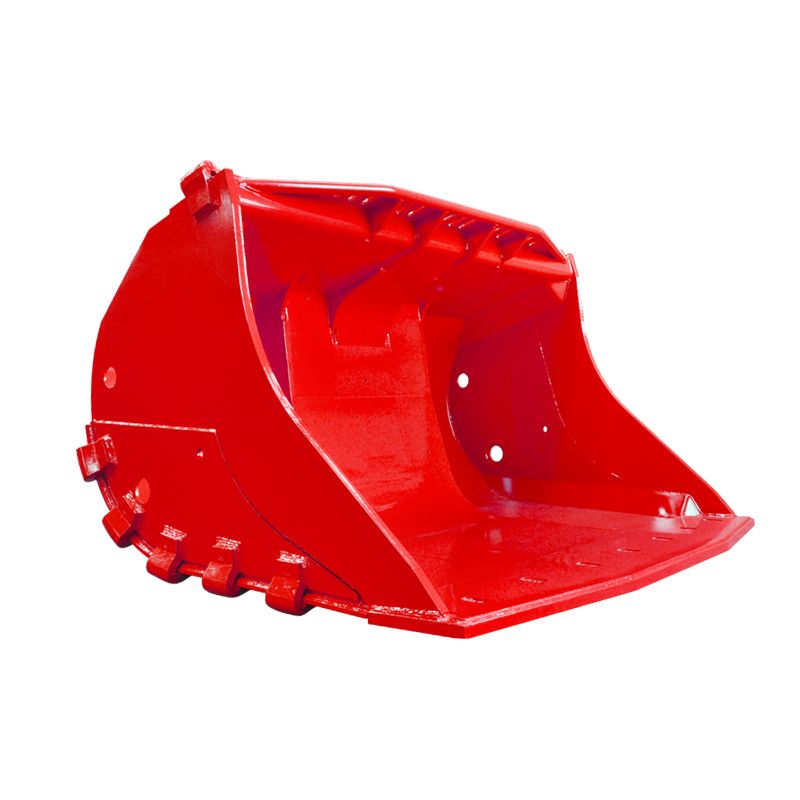
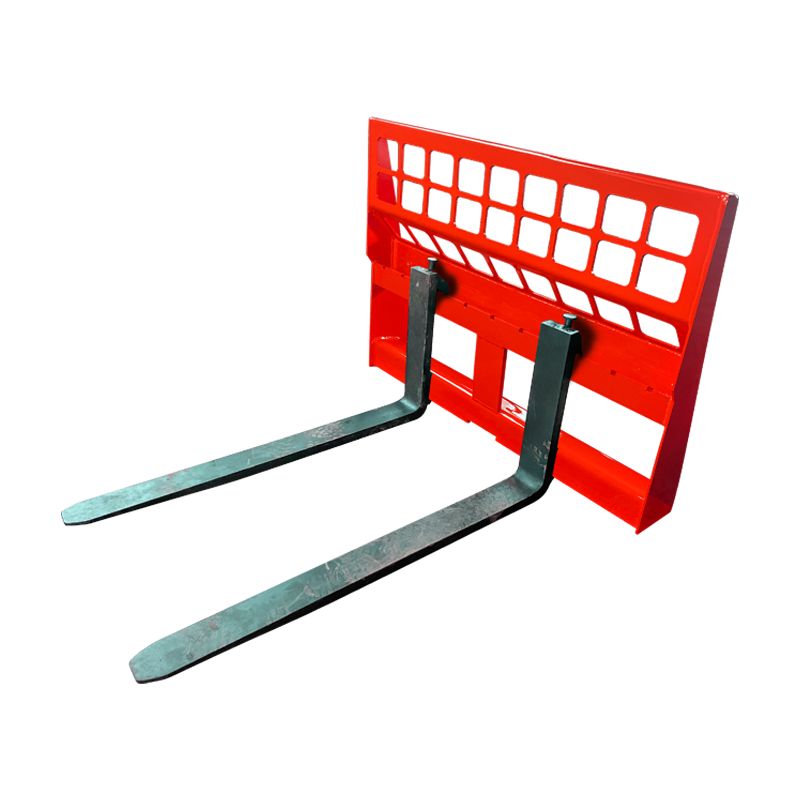
In real terms, faster loader attachment switching means machines spend more time working and less time idle. Add to that the flexibility to switch from buckets to grapples or forks in minutes, and the impact on productivity becomes clear.
What Is a Wheel Loader Quick Attach?
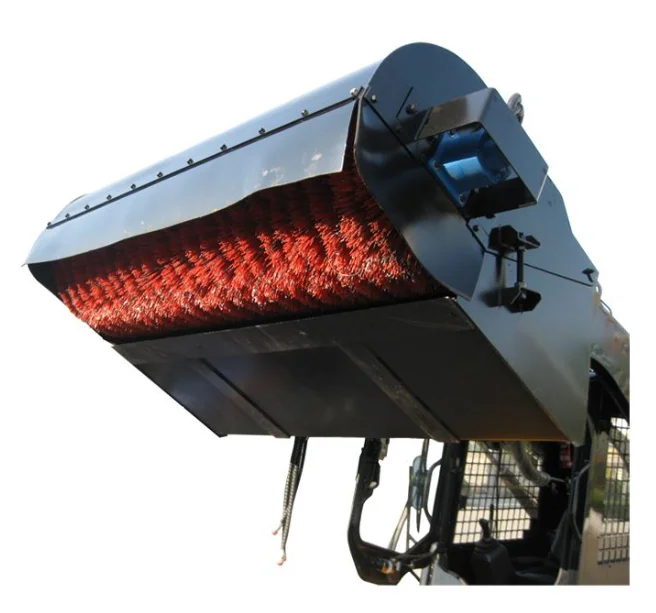
Simply put: a wheel loader quick attach system is a mechanical interface that allows operators to swap attachments on a wheel loader rapidly and safely, without specialized tools or extra labor. Think of it like a universal connector for loaders, ensuring the bucket or other tool clicks into place and locks securely, ready for immediate use.
This technology is essential not just in heavy construction but also in disaster response, agriculture, and recycling, where adaptability and speed can change the outcome of critical tasks. For humanitarian agencies operating in quickly evolving disaster zones, being able to switch loaders' attachments on the fly can mean quicker debris clearance or cargo handling.
Core Components of Wheel Loader Quick Attach Systems
Durability and Safety
The attachments endure massive forces, so the quick attach must be made from high-strength steel or alloy, often hardened to resist wear. Safety systems include fail-safe locks to prevent accidental detachment—pretty critical, given the hefty loads involved.
Ease of Use
Operators should be able to switch attachments with minimal effort, ideally from the cab or at least with no more than a rod or lever. Often, hydraulic or electric actuators are integrated for convenience.
Compatibility and Scalability
Systems have to fit multiple loader brands and attachment types, which means manufacturers often follow standardized dimensions or offer adapters for interoperability. This reduces inventory and maintenance complexity.
Cost Efficiency
Of course, the quicker the attach, the less you pay in labor hours lost. However, cost isn’t just upfront—longevity and maintenance also must be factored in.
Corrosion Resistance and Environmental Suitability
From dusty arid mines to wet, salty coastal ports, quick attach systems have to resist rust and corrosion over time, often with specialized plating or coatings.
Product Specifications of a Typical Wheel Loader Quick Attach System
| Spec | Detail |
|---|---|
| Material | Hardened alloy steel |
| Max Load Capacity | Up to 5,000 kg |
| Attachment Change Time | Under 3 minutes |
| Locking Mechanism | Double safety mechanical lock, hydraulic optional |
| Corrosion Protection | Electroplated zinc coating |
| Compatibility | Fits OEM loader mounts and aftermarket adapters |
Global Applications & Real-World Examples
The real magic of wheel loader quick attach systems shines in where and how they’re used worldwide:
- Construction & Mining: In Canada’s vast mining zones, operators quickly switch between buckets and snow plows to cope with varying conditions without losing time.
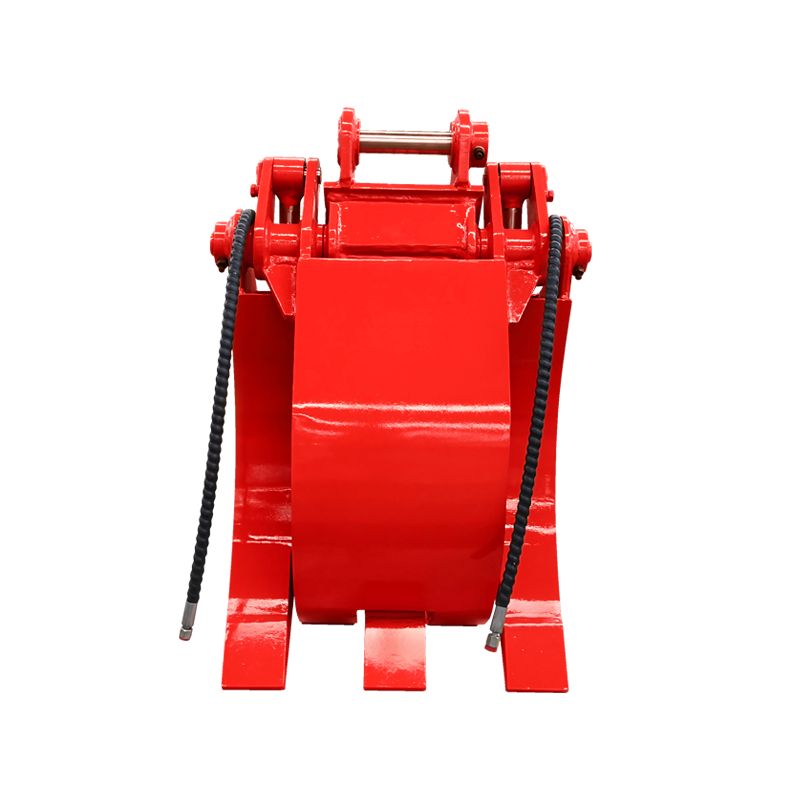
- Disaster Relief: After hurricanes in the southeastern US, emergency crews use loaders to swiftly change from debris grapples to sandbag buckets.
- Agriculture: Farms in Australia use quick attach loaders to move feed, clear land, and maintain infrastructure all day long with minimal down-time.
- Recycling: In Europe, recyclers benefit from rapid tool changes to sort different materials, improving sorting speed and safety.
Oddly enough, many NGO humanitarian agencies are starting to specify quick attach systems for machinery deployed in fragile contexts because of the flexibility they bring to dynamic field conditions.
Comparing Top Wheel Loader Quick Attach Vendors
| Vendor | Material Quality | Compatibility Range | Average Attachment Change Time | Price Range |
|---|---|---|---|---|
| Crafts Manufacturing | Premium hardened steel | Wide, supports OEM & aftermarket | ~2.5 minutes | $$$ |
| Global Attachments Co. | Standard steel with coating | Moderate, OEM specific | ~3.5 minutes | $$ |
| QuickCouple Experts | High strength alloy | Narrow but deep—specialized fittings | ~2 minutes | $$$$ |
Advantages and Long-Term Value of Wheel Loader Quick Attach Systems
Let’s face it: when you can cut attachment change time by half or more, the cost savings add up quickly. But beyond just dollars, these systems improve workplace safety by reducing human interaction with heavy parts during swapping. This means fewer injuries and peace of mind for operators and supervisors alike.
Sustainability comes into play too—as machines run more efficiently, fuel consumption and emissions drop. Not just some theoretical benefit: dozens of ISO studies note that efficient machinery use ties directly to carbon emission reductions.
On the emotional side, quick attach systems make operators feel empowered. The ability to adapt quickly keeps them engaged and less frustrated. It’s innovation that earns trust over time, especially in high-stakes environments.
Future Trends & Innovations
Looking ahead, I keep hearing about digitized quick attach systems keyed to smart machinery with sensors confirming secure locking in real time. Imagine a loader that won’t start unless attachments are perfectly locked—safety on autopilot.
Moreover, materials science is pushing lighter but stronger alloys and composites, reducing system weight without sacrificing durability. I guess this will help reduce wear on loaders, too.
On the environmental front, manufacturers are experimenting with greener coatings that avoid hazardous chemicals, promising longer life with less ecological footprint.
Challenges & Solutions
Despite their promise, wheel loader quick attach systems aren’t without drawbacks. Some users report compatibility issues when mixing brands or older machinery. Plus, hydraulic release mechanisms can sometimes fail in cold or muddy conditions.
The solution? Vendors increasingly offer modular kits and adapters to improve interoperability and perform rigorous testing to mitigate failures under extreme climates. Of course, user training remains critical—an often overlooked but vital piece of the puzzle.
FAQ: Your Wheel Loader Quick Attach Questions Answered
Q1: How quickly can I swap attachments with a quick attach system?
A1: Most modern quick attach systems allow changing attachments in under 3 minutes, some as fast as 2 minutes, significantly faster than traditional pin methods that can take 15-30 minutes.
Q2: Are quick attach systems compatible with all wheel loader brands?
A2: Many manufacturers design their quick attach systems to fit standard OEM mounts or offer adapters. However, always verify compatibility to ensure safe and secure attachment.
Q3: What maintenance does a quick attach system require?
A3: Regular lubrication of moving parts, inspection of locking mechanisms, and corrosion checks are essential. Proper maintenance extends service life and ensures safety.
Q4: Can hydraulic quick attach systems fail in extreme weather?
A4: Yes, low temperatures or muddy conditions can impact hydraulic actuators. Selecting systems rated for your environment and maintaining them rigorously helps mitigate this risk.
Q5: How do quick attach systems improve operator safety?
A5: By minimizing manual handling and ensuring secure locking, quick attach reduces the risk of injury during attachment swaps. Safety interlocks also prevent accidental detachment during operation.
Conclusion: Why Embrace Wheel Loader Quick Attach Now?
So, the long and short of it is this: wheel loader quick attach systems represent a quiet revolution in industrial efficiency. They save time, enhance safety, cut costs, and even contribute to sustainability goals. For any operation looking to optimize workflows or adapt rapidly to changing conditions, investing in a reliable quick attach mechanism is frankly a no-brainer.
If you want to explore top-notch options, feel free to visit our partner site for detailed solutions: wheel loader quick attach.
In an industry where every minute counts, and safety can never be compromised, quick attach systems deliver both—and that’s a powerful combination.
References & Mini Takeaways
- ISO 6165:2015
Tractors and machinery for agriculture and forestry — Machinery for soil working — Vocabulary - World Bank Infrastructure Group Reports, 2023
Forecast on global infrastructure investments - Wikipedia contributors, "Quick Coupler," Wikipedia, The Free Encyclopedia
(https://en.wikipedia.org/wiki/Quick_coupler)
Post time: Dec-03-2025