Wheel Loader Quick Hitch: The Game-Changer in Heavy Machinery Efficiency
In a world that’s increasingly leaning on construction, mining, agriculture, and relief operations, having the right tools to boost productivity isn't just a luxury—it’s a necessity. The wheel loader quick hitch system tops that list for many industries because it directly tackles one of the biggest challenges on-site: time wasted swapping attachments. Globally, construction projects, infrastructure rebuilding, and resource extraction rely on speed and safety. The quick hitch is a relatively simple but critical innovation that’s helped transform the workflow of heavy equipment operators everywhere.
Introduction: Why the Wheel Loader Quick Hitch Matters Globally
Think about the sheer scale of construction and infrastructure development worldwide. According to the World Bank, global construction output is projected to reach over $15 trillion by 2030. Much of that work depends on earthmoving machinery like wheel loaders, which need to switch between buckets, forks, grapples, or snow plows quickly and safely. Traditionally, swapping attachments often required time-consuming manual labor and safety risks. The wheel loader quick hitch system answers this challenge with an innovative latch mechanism that lets operators change attachments rapidly without leaving the cab.
From huge mining sites in Australia to post-disaster relief zones in Southeast Asia, the efficiency gained reduces downtime, human error, and potential injury. Oddly enough, while the concept is elegantly simple, it has global ramifications for productivity, safety, and cost effectiveness.
What Exactly Is a Wheel Loader Quick Hitch?
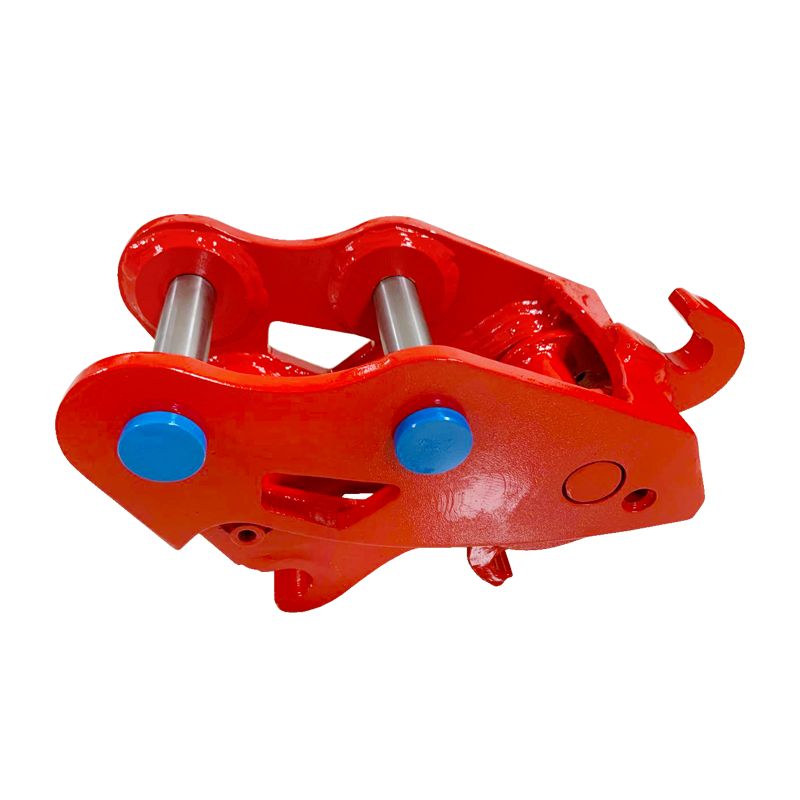
At its core, a wheel loader quick hitch is a mechanical or hydraulic device mounted on the loader's bucket arm that lets operators quickly secure or release attachments. Instead of manually unbolting and rebolting attachments—a process that can take up to 30 minutes or more—the quick hitch locks and unlocks attachments in seconds. This not only speeds up work but also reduces reliance on ground crew personnel, increasing safety and flexibility.
In humanitarian and industrial contexts alike, it’s become a staple because it merges old-school heavy lifting with modern efficiency, which is no small feat. You can think of it as the “Swiss knife” connector of wheel loaders.
Key Components and Factors of Wheel Loader Quick Hitch Systems
- Durability: These hitches must withstand enormous stress—lifting heavy loads repeatedly without failure. High-grade steel alloys and robust welding techniques are industry standards.
- Compatibility: With dozens of wheel loader models worldwide, one big consideration is ensuring the quick hitch fits a range of attachments and carrier machines.
- Safety Features: Lock sensors, double locking systems, and hydraulic interlocks prevent accidental detachment—a critical feature to protect operators and bystanders.
- Ease of Use: Controls inside the cab must be intuitive, allowing operators to engage or release the hitch with minimal distraction.
- Cost Efficiency: While upfront investment in a quality quick hitch might feel steep, the savings in labor hours, increased uptime, and fewer accidents quickly offset initial costs.
- Maintenance: Like all heavy machinery parts, regular inspection and lubrication extend the tool’s life and performance.
Each element ties back into practical field applications, especially in demanding environments.
Structuring Basic Specifications: Typical Wheel Loader Quick Hitch Features
| Feature | Common Specification |
|---|---|
| Material | High-strength alloy steel |
| Maximum Load Capacity | Up to 20 tons (varies by model) |
| Attachment Types Supported | Buckets, forks, grapples, plows |
| Locking Mechanism | Hydraulic and mechanical double-lock |
| Cycle Time | Less than 30 seconds |
Global Applications & Use Cases
The beauty of wheel loader quick hitches is how universal their utility is. In northern Europe, where snow is a pounding problem each winter, operators swap buckets for snow plows rapidly to keep roads clear. Over in mining-rich Canada, quick hitches connect loaders to specialized digging attachments for efficient mineral extraction. In Southeast Asia’s frequent disaster response scenarios, NGOs often deploy loaders with quick hitches to swiftly move debris and switch tools, accelerating relief efforts.
Even construction giants in the Middle East rely on these systems to tackle vast infrastructure projects that require fast-paced work. This diversity is a testament to the quick hitch’s flexibility and global importance.
Advantages & Long-Term Value
- Cost Savings: Less downtime means more operation hours, and fewer ground crew hours reduce labor costs.
- Increased Safety: Operators stay inside the cab during attachment changes, markedly reducing accidents.
- Operational Flexibility: Teams adapt faster to changing tasks and conditions without equipment downtime.
- Environmental Impact: Improved efficiency cuts fuel use and emissions—a small but meaningful plus in sustainable practices.
- Worker Satisfaction: Handling equipment smoothly and safely can reduce stress and improve morale on tough job sites.
Future Trends & Innovations for Quick Hitches
Looking forward, the integration of IoT and sensor technologies into quick hitch systems is gaining momentum. Imagine a hitch that automatically verifies attachment compatibility, reports wear, or alerts operators to maintenance needs. Automation could further reduce errors and downtime. Moreover, manufacturers experiment with lighter but stronger composite materials to reduce weight without sacrificing durability, responding to sustainability pressures.
Digital transformation in heavy machinery beckons, and quick hitches are firmly in that pipeline.
Challenges & Solutions
Of course, no system is perfect. Some operators report occasional misalignment during attachment engagement, especially in poor visibility or rough terrain. Another concern is maintenance in dusty or corrosive environments, which can affect locking mechanisms.
Innovative solutions include real-time camera systems and proximity sensors to assist operators, plus sealed hydraulic connections to resist environmental elements. Training operators thoroughly and investing in quality products with field-proven designs mitigate most of these concerns.
Vendor Comparison: Leading Wheel Loader Quick Hitch Manufacturers
| Vendor | Product Range | Safety Features | Price Range | Global Reach |
|---|---|---|---|---|
| Crafts Manufacturing | Custom quick hitches for all loader sizes | Hydraulic double lock, sensor alerts | $$ - $$$ | North America, Asia, Europe |
| RapidLock Systems | Focus on mid-weight loaders | Mechanical fail-safe locking | $ - $$ | Europe, Africa |
| SafeGrab Technologies | Heavy-duty hitches with automation integration | Sensors & remote diagnostics | $$$ | Global |
FAQ: Wheel Loader Quick Hitch Essentials
- How does a quick hitch improve site safety?
- By enabling attachment changes directly from the loader’s cab, it drastically reduces the need for ground personnel to be near heavy equipment during potentially hazardous operations.
- Can a wheel loader quick hitch fit all brands and models?
- Most manufacturers design quick hitches to be model-specific or include adjustable features for compatibility. It’s crucial to check with the vendor about your loader’s specifications to ensure fit and safety compliance.
- What maintenance is required for quick hitches?
- Regular cleaning, lubrication, and inspections for wear or damage are essential. Many quick hitches have diagnostic systems now that alert operators to maintenance needs.
- Are quick hitches suitable for harsh environmental conditions?
- Yes, especially those built with sealed hydraulic fittings and corrosion-resistant materials. However, extreme conditions require more frequent maintenance and operator vigilance.
Conclusion + Call to Action
To sum up, the wheel loader quick hitch remains a cornerstone technology for efficiency, safety, and adaptability in countless industrial fields globally. Its ability to quickly switch attachments saves valuable time and lives while boosting productivity and reducing costs over the long haul. If you’re in construction, mining, agriculture, or disaster response, this system is something worth considering — frankly, it might just transform how you work.
For detailed specs, expert advice, or to explore the latest quick hitch options tailored to your needs, visit Crafts Manufacturing today.
Takeaway: The wheel loader quick hitch may be an unsung hero on the job site, but its impact on operational efficiency and worker safety is unmistakable and ever-growing.
Post time: Dec-03-2025