Dozer Track Components: What Keeps Your Machine Moving
Having spent more than a decade working hands-on with industrial equipment, I can tell you that the backbone of any reliable dozer isn’t just grunt power—it’s the dozer track components. These parts may seem mundane or overlooked when the machine’s roaring across a site, but honestly, they're the unsung heroes standing up to mud, rocks, and sheer weight day in and day out.
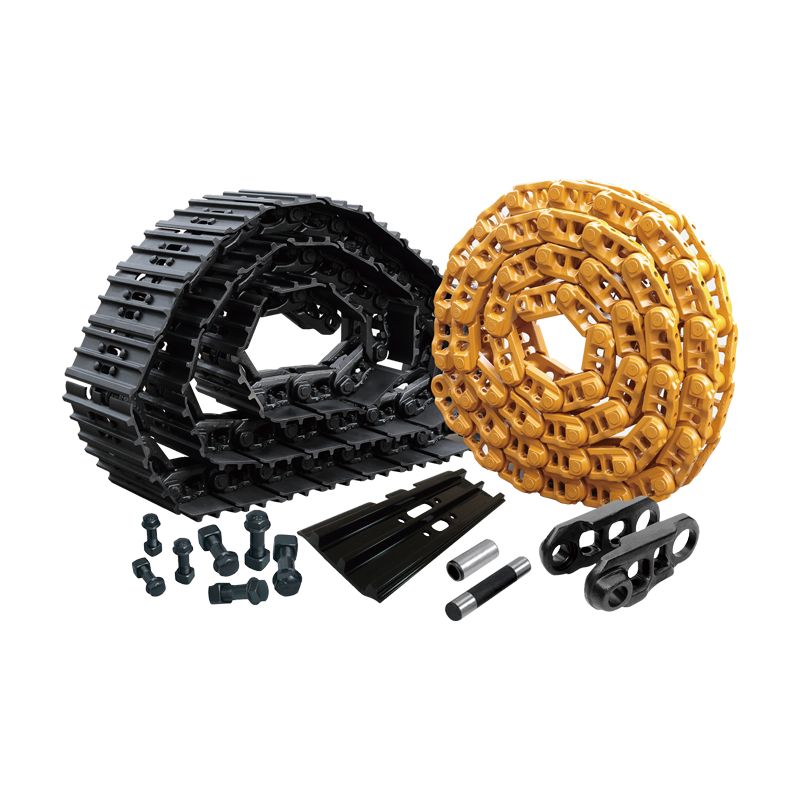
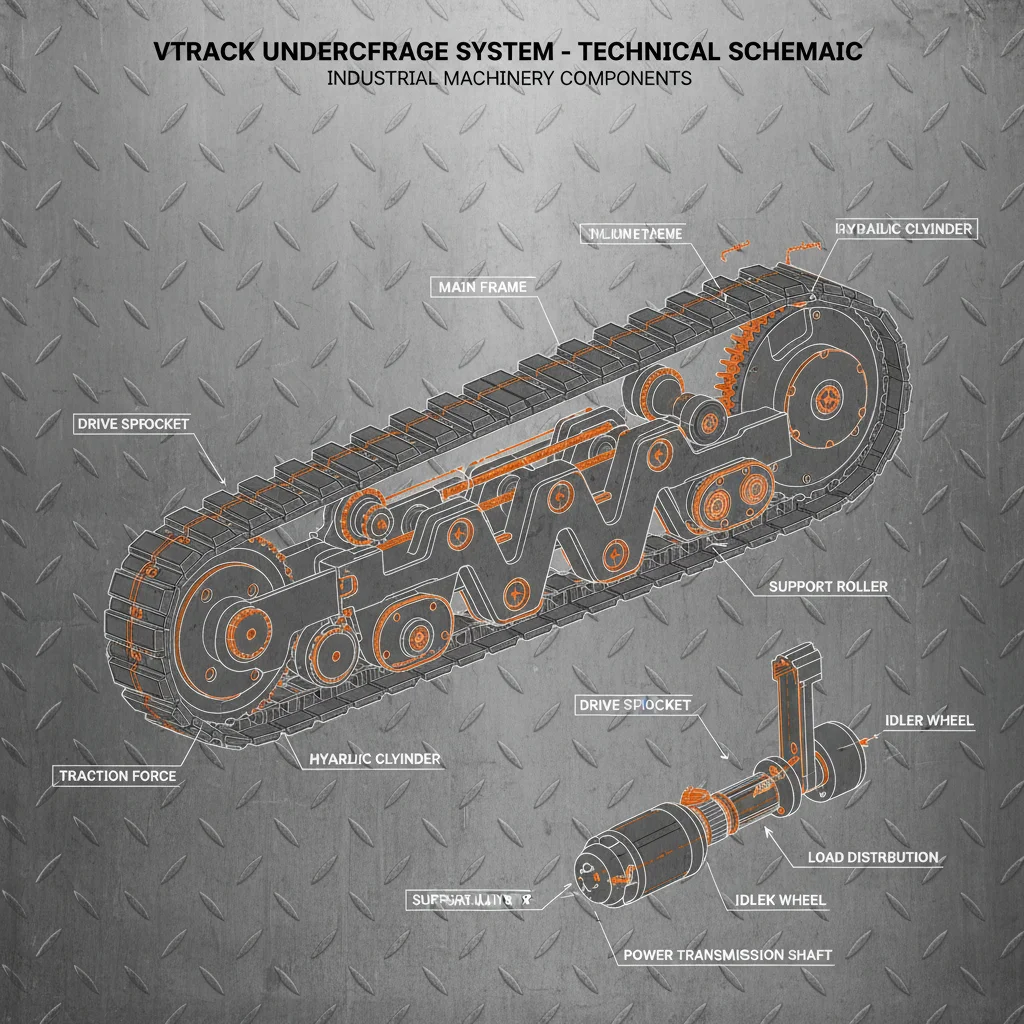
Dozer tracks comprise a handful of critical components—track chains, shoes, rollers, idlers, sprockets—that together form a tough, responsive traction system. Over the years, I've noticed how small design tweaks or material upgrades in these parts can drastically extend uptime, a blessing when project deadlines loom.
For instance, track shoes are typically cast from high-strength steel. The hardness has to strike a balance — too hard, and the shoes crack under shock; too soft, and they wear prematurely. I recall a job where switching to a thicker, abrasion-resistant steel shoe saved weeks of downtime in a clay-heavy, abrasive environment.
Testing these components is no joke, either. Many manufacturers run accelerated wear trials, simulating years of heavy use in just weeks—a process that frankly gives me some peace of mind when choosing replacement parts. Good track components reduce vibration, improve fuel efficiency, and lower maintenance costs. Many engineers I've worked with swear by vendors who customize components to fit specific dozer models, considering terrain and load types.
Typical Specifications for Dozer Track Components
| Component | Material | Hardness (HRC) | Typical Weight | Average Lifespan |
|---|---|---|---|---|
| Track Shoe | Heat-treated Steel | 45-55 HRC | 30-50 lbs per shoe | 1000-1500 hours |
| Track Chain | Alloy Steel | 50-60 HRC | Varies by size | 1500-2000 hours |
| Rollers | Forged Steel | 55-65 HRC | 20-35 lbs each | 1200-1800 hours |
| Idlers | Heat-treated Steel with Rubber Seals | 50-60 HRC | 35-60 lbs | 1500+ hours |
Oddly enough, one of my favorite things about dozer track parts is how customizable they are. Depending on the manufacturer and model, you can get various track shoe patterns optimized for slippery mud, rocky terrain, or soft sand. And you can bet the choice to add grouser bars or thicker shoes trickles right down into how the dozer grips and maneuvers.
Comparing Dozer Track Component Vendors
| Vendor | Material Quality | Customization Options | Price Range | Support & Warranty |
|---|---|---|---|---|
| Crafts Manufacturing | High-grade alloy steels, rigorous testing | Custom-sized shoes & chains, terrain-specific designs | Mid-range competitive pricing | Excellent; extended warranty available |
| Generic Parts Co. | Standard steel, basic heat treatment | Limited customization | Lower upfront cost | Basic warranty, slow customer service |
| ProTrack Supply | Premium materials, some proprietary alloys | Custom patterns, material grade options | Higher price bracket | Strong customer support, onsite help |
One memory sticks out clearly: a client was struggling with accelerated track wear on a mountain forestry site. After switching to a vendor offering custom tempering and thicker shoes, we doubled the component lifespan. It felt like turning frustration into a win—a proper reminder that those dozer track components are well worth the careful selection they deserve.
In real terms, investing in quality dozer track components isn’t just about part replacement; it’s about maintaining machine efficiency, safety, and project momentum. Oddly enough, while we tend to focus on engines and hydraulics, these heavy-duty treads get grimy and keep us going quietly on.
So next time you hear the clatter of a dozer on site, remember—it’s the track components working overtime beneath the noise.
Keep those tracks tight and your projects smoother.
References
- Industry Material Hardness Standards for Construction Equipments, ASTM International, 2022.
- “Improving Track Component Longevity in Harsh Terrain,” Journal of Construction Engineering, 2021.
- Personal experience and client case studies, 2009–2023.
Post time: Dec-07-2025