Understanding Tracked Undercarriage Systems
Tracked undercarriage systems are essential components in a variety of heavy machinery, providing the foundation for movement and stability. These systems are integral to excavators, bulldozers, cranes, and other equipment used in construction, mining, forestry, and agriculture. Choosing the right tracked undercarriage is crucial for maximizing equipment efficiency, minimizing downtime, and ensuring operator safety. At Crafts Manufacturing, we specialize in providing high-quality, durable tracked undercarriage systems tailored to your specific needs. This article will delve into the key aspects of these systems, exploring their components, maintenance, and factors to consider when selecting the best solution for your operation.
Key Components of Tracked Undercarriage Systems
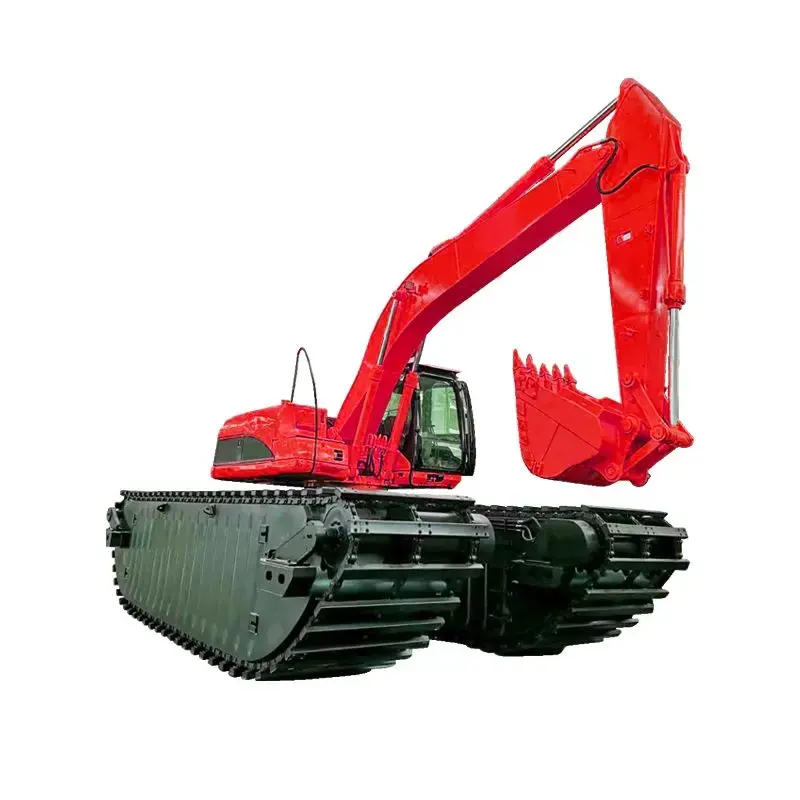
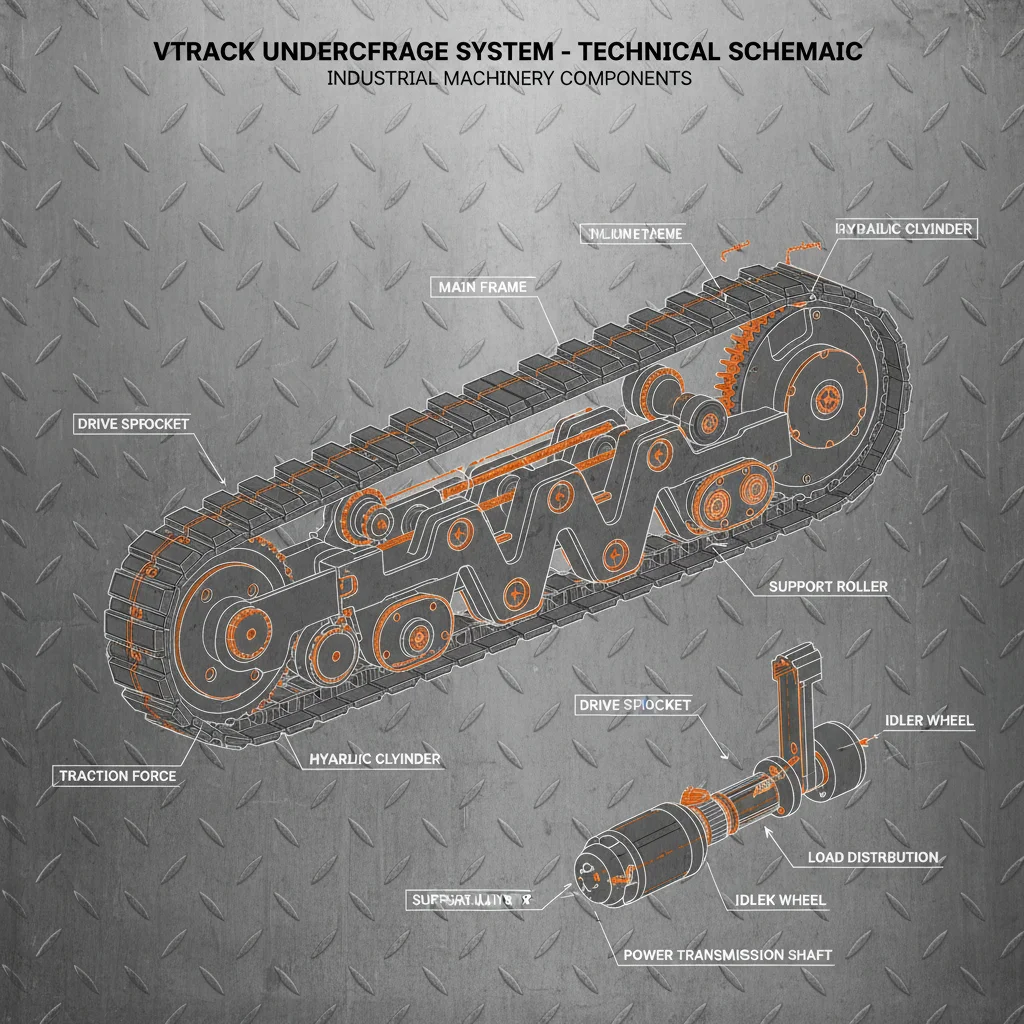
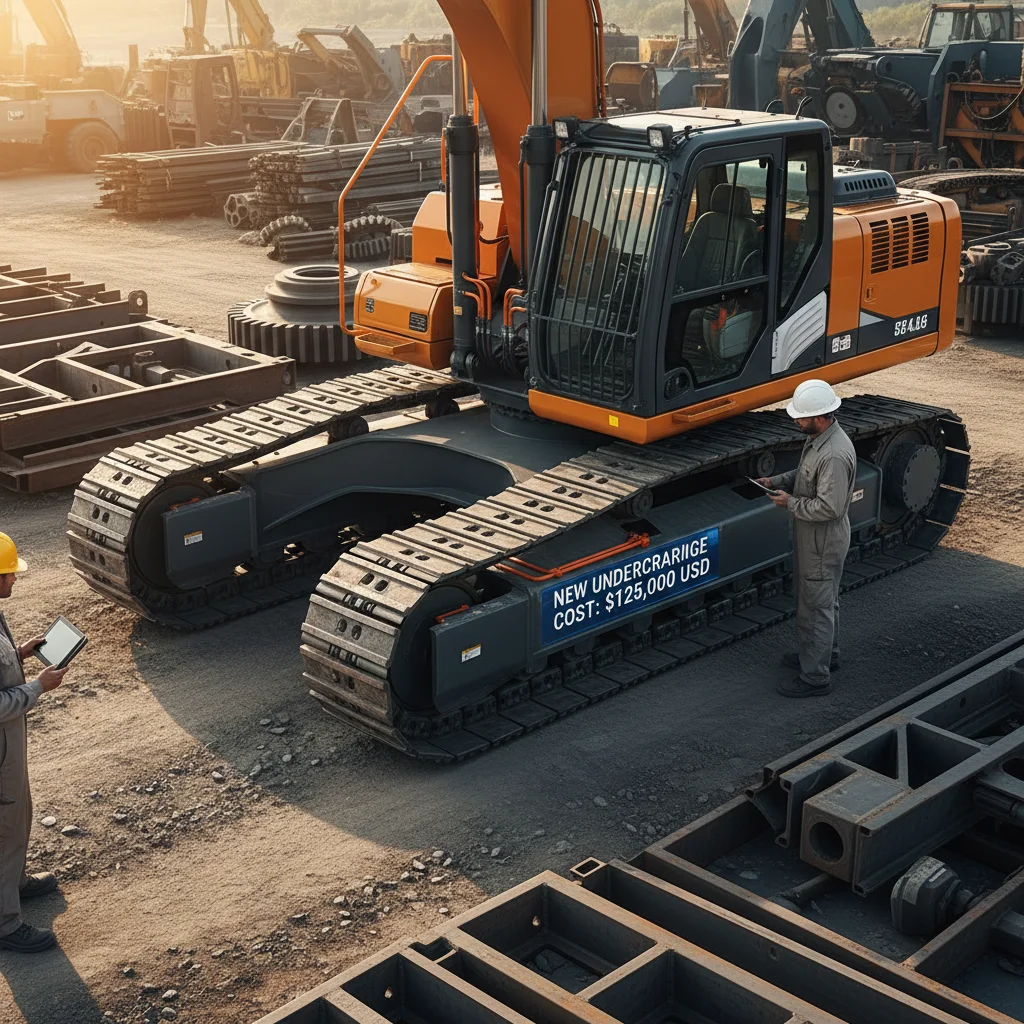
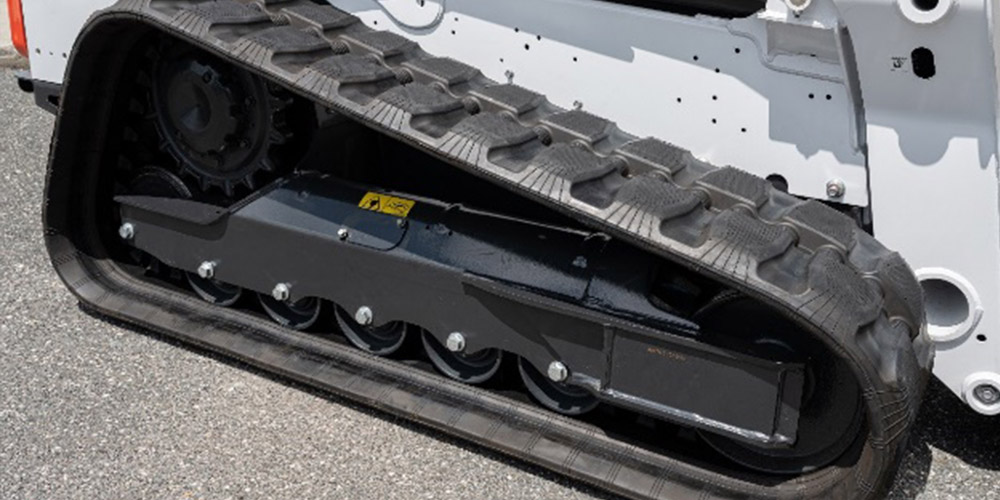
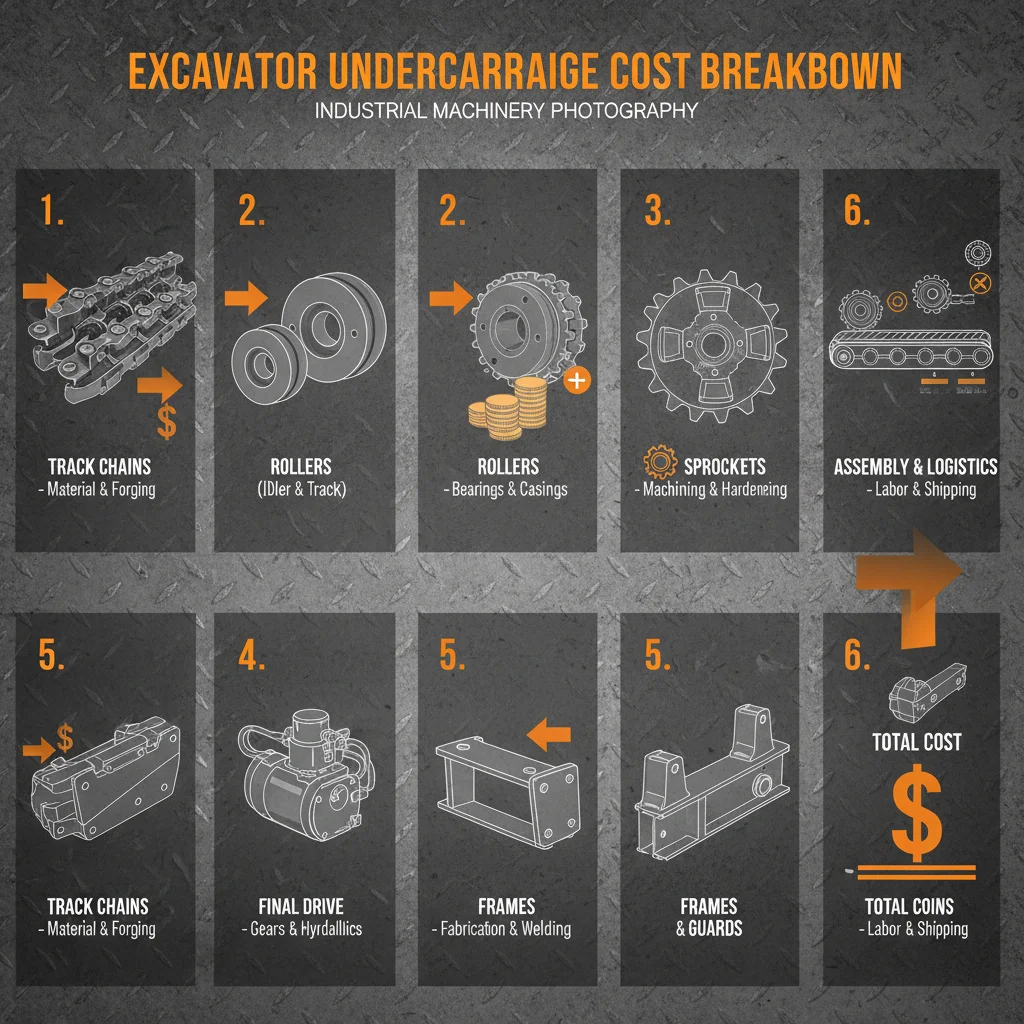
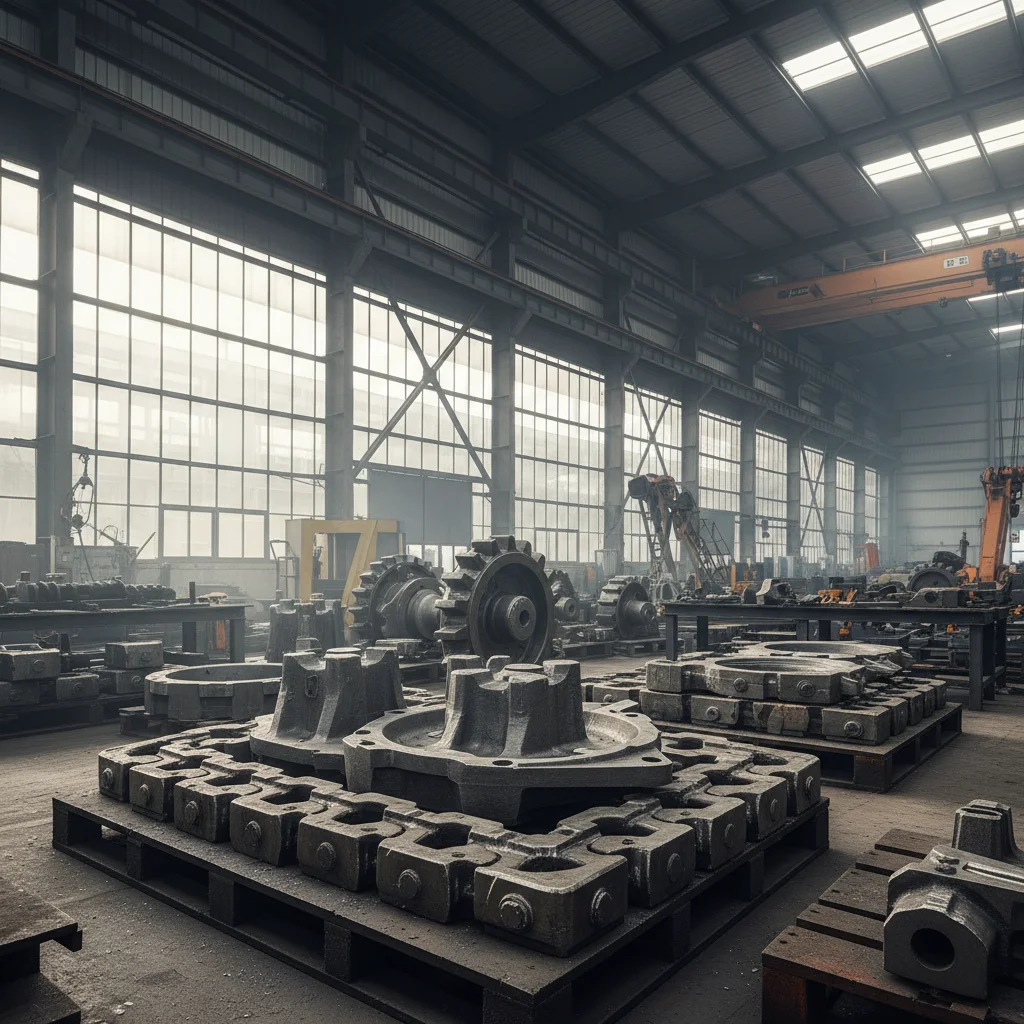
A tracked undercarriage system comprises several critical components working in harmony. These include the tracks themselves, rollers (both carrier and idler), sprockets, front and rear idlers, and tensioning systems. The tracks, typically made of steel, provide the gripping surface for propulsion. Rollers support the weight of the machine and facilitate smooth movement. The sprockets engage with the track links, driving the system forward or backward. Proper functioning of each component is paramount for optimal performance and longevity. Understanding how these components interact is vital for effective maintenance and troubleshooting.
Key Takeaway: The undercarriage is a complex system; neglecting one component can lead to failure across the entire assembly.
Choosing the Right Tracked Undercarriage System
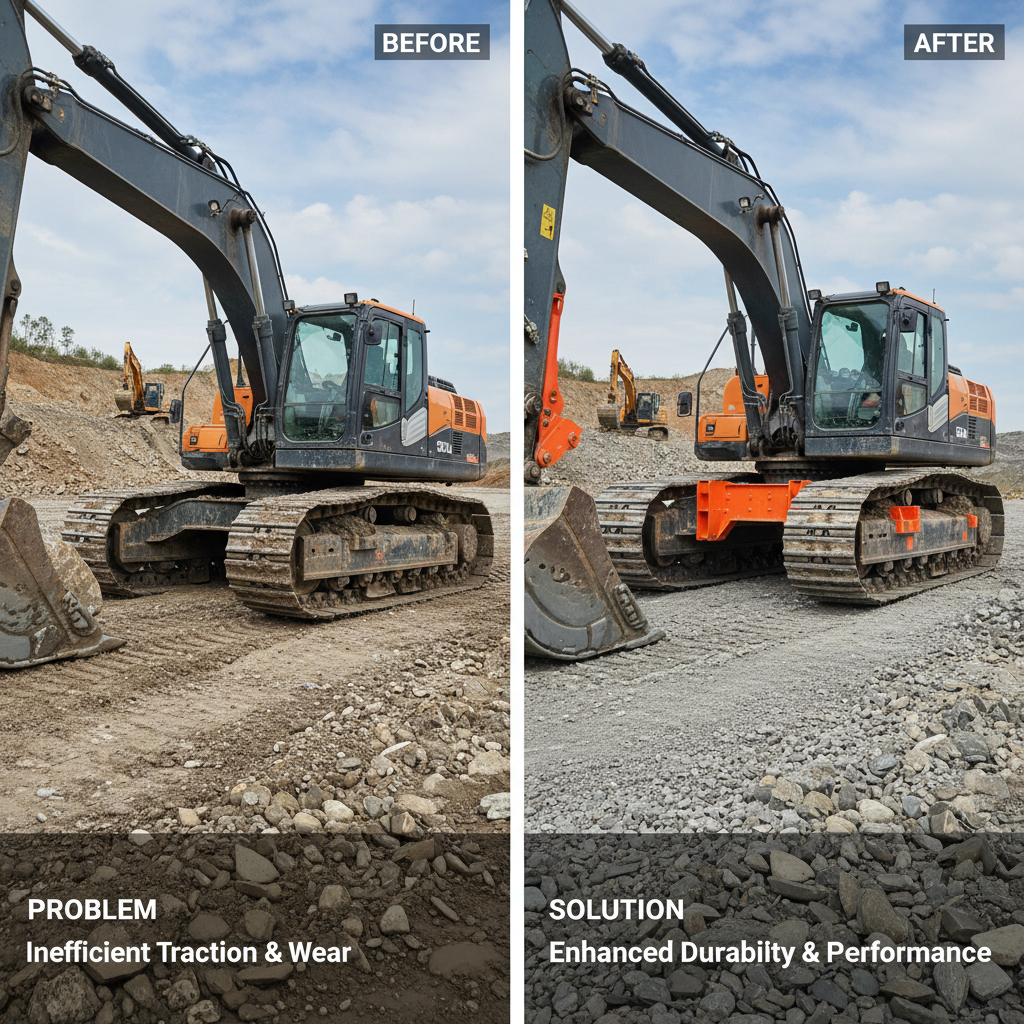
Selecting the appropriate tracked undercarriage system depends on several factors, including the type of machinery, the operating environment, and the expected workload. Consider the ground conditions: soft soil, rocky terrain, or paved surfaces will each demand different track specifications. The weight of the machine and the types of materials it will be handling are also crucial considerations. Furthermore, factors like track shoe width and pitch should be tailored to maximize traction and minimize ground disturbance. Crafts Manufacturing offers a range of options to address diverse application requirements.
Key Considerations for Selection:
• Operating Environment
• Machine Weight & Workload
• Track Shoe Width & Pitch
• Ground Conditions
Tracked Undercarriage Systems: Steel vs. Rubber Tracks
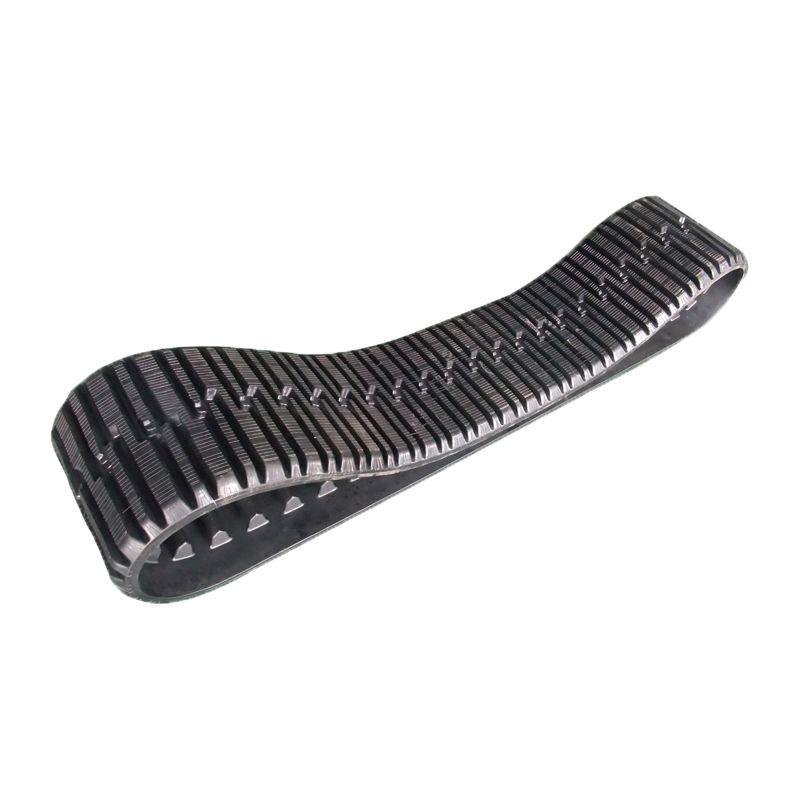
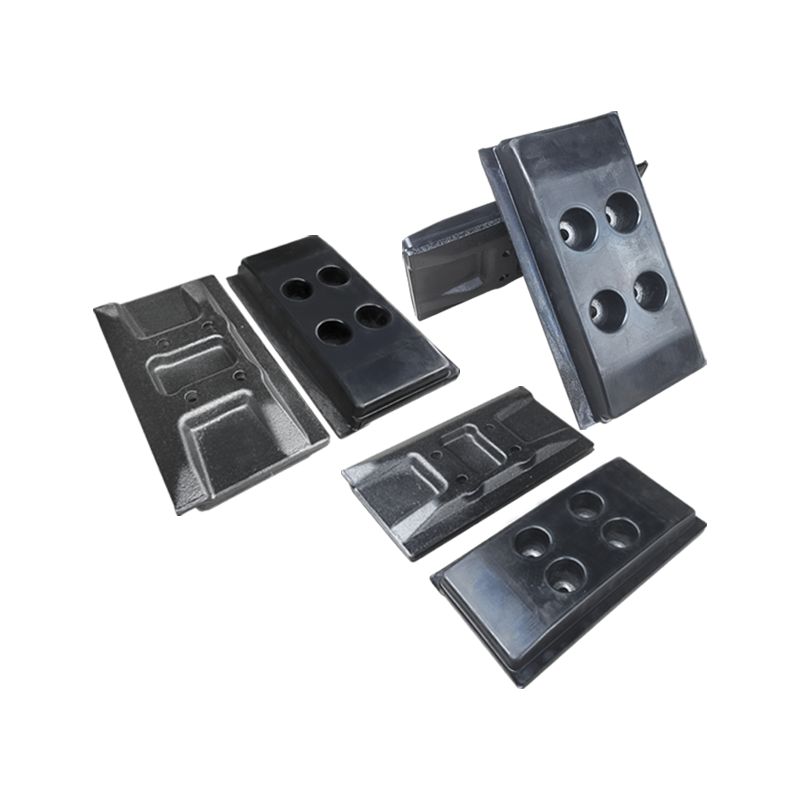
Tracked undercarriage systems utilize either steel or rubber tracks, each offering distinct advantages and disadvantages. Steel tracks are incredibly durable and are ideal for demanding applications like mining and forestry, where resistance to abrasion and punctures is critical. However, they can be heavier and more expensive than rubber tracks. Rubber tracks, on the other hand, offer better traction on paved surfaces, reduced noise levels, and less ground disturbance. They're commonly used in landscaping, construction, and agricultural applications. The choice between steel and rubber depends heavily on the specific operational needs and priorities.
Maintenance and Longevity of Tracked Undercarriage Systems
Regular maintenance is critical for extending the life of your tracked undercarriage system. This includes inspecting the tracks for wear and tear, lubricating rollers and idlers, checking track tension, and addressing any loose or damaged components promptly. Proper maintenance not only prevents costly repairs but also improves machine performance and safety. At Crafts Manufacturing, we offer comprehensive maintenance services and genuine replacement parts to keep your equipment operating at peak efficiency.
Tracked Undercarriage Systems: Technical Specifications & Common Standards
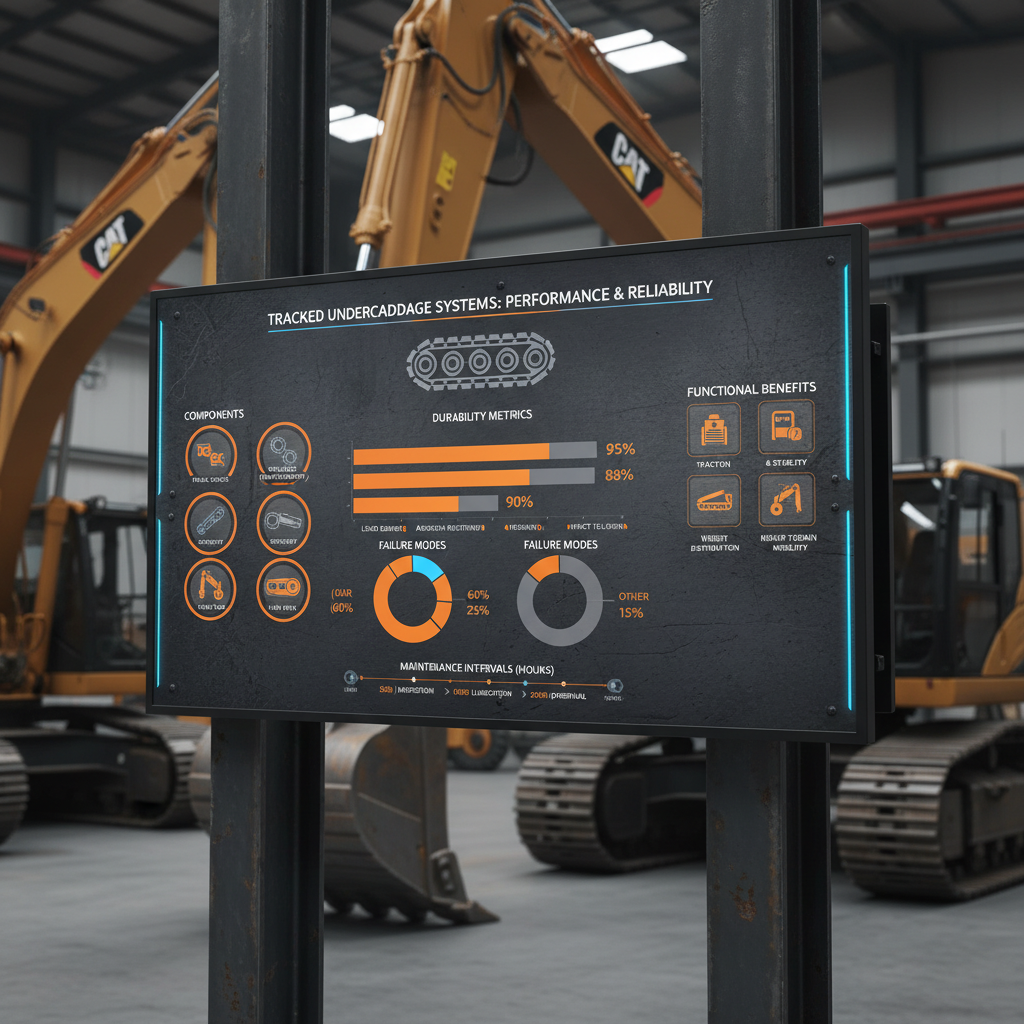
Undercarriage systems adhere to various industry standards to ensure safety and performance. Common specifications include track gauge, pitch, and shoe width. Track gauge refers to the distance between the centerlines of the tracks. Pitch is the distance between the pins on the track links. Shoe width impacts ground pressure and traction. Understanding these specifications is crucial when sourcing replacement parts or upgrading your system. We at Crafts Manufacturing ensure our products meet or exceed industry standards.
Conclusion: Investing in Quality Tracked Undercarriage Systems
Investing in a high-quality tracked undercarriage system from a trusted provider like Crafts Manufacturing is an investment in the longevity, efficiency, and safety of your heavy machinery. By understanding the key components, considerations for selection, and the importance of regular maintenance, you can maximize the return on your investment and minimize downtime. Contact us today to discuss your specific needs and find the perfect solution for your operation.
Frequently Asked Questions (FAQs)
What is the typical lifespan of a tracked undercarriage?
The lifespan of a tracked undercarriage varies greatly depending on operating conditions, machine type, and maintenance practices. On average, an undercarriage can last between 2,500 to 5,000 hours of operation. However, in harsh environments like mining or quarrying, the lifespan may be significantly shorter. Regular inspections, proper lubrication, and timely replacement of worn components are crucial for maximizing undercarriage longevity. At Crafts Manufacturing, we offer undercarriage inspections and can provide a realistic estimate of remaining life based on wear patterns.
How often should I inspect my tracked undercarriage?
We recommend performing a visual inspection of your tracked undercarriage at least every 250-500 hours of operation. This inspection should include checking for wear on the tracks, rollers, sprockets, and idlers. Pay close attention to any cracks, dents, or excessive play in the components. A more thorough inspection, including measuring wear patterns and checking track tension, should be conducted every 1,000 hours. Crafts Manufacturing provides detailed inspection checklists and can schedule regular inspections for your equipment.
What are the signs that my tracked undercarriage needs repair or replacement?
Several signs indicate that your tracked undercarriage may require repair or replacement. These include excessive track sag, difficulty steering, unusual noises during operation, visible wear on the tracks or rollers, and increased vibration. If you notice any of these signs, it's crucial to stop operating the machine and schedule an inspection immediately. Ignoring these warning signs can lead to more severe damage and costly repairs.
Post time: Feb-24-2026