Understanding the Digger Idler Wheel: A Backbone of Modern Excavation
When you think about construction and excavation machines—the ones that move earth and tame rough landscapes—the digger idler wheel might not be the first part that comes to mind. Yet, globally, these humble wheels play a pivotal role in ensuring equipment runs smoothly and efficiently. They matter not just to engineers and manufacturers but to industries as varied as mining, construction, and disaster recovery. Grasping how these idler wheels function can save downtime, costs, and even improve safety on sites worldwide.
Why the Digger Idler Wheel Commands Global Attention
According to the International Organization for Standardization (ISO), construction equipment reliability directly impacts sustainability and productivity metrics across the globe (1). In environments where downtime means lost millions—think massive mining operations in Australia or infrastructure rebuilds in post-earthquake Nepal—the idler wheel quietly does its job guiding and maintaining track tension. Oddly enough, while the world races toward automation, this component remains a mechanical hero ensuring that large excavators traverse tough terrain without hiccups.
What Is a Digger Idler Wheel?
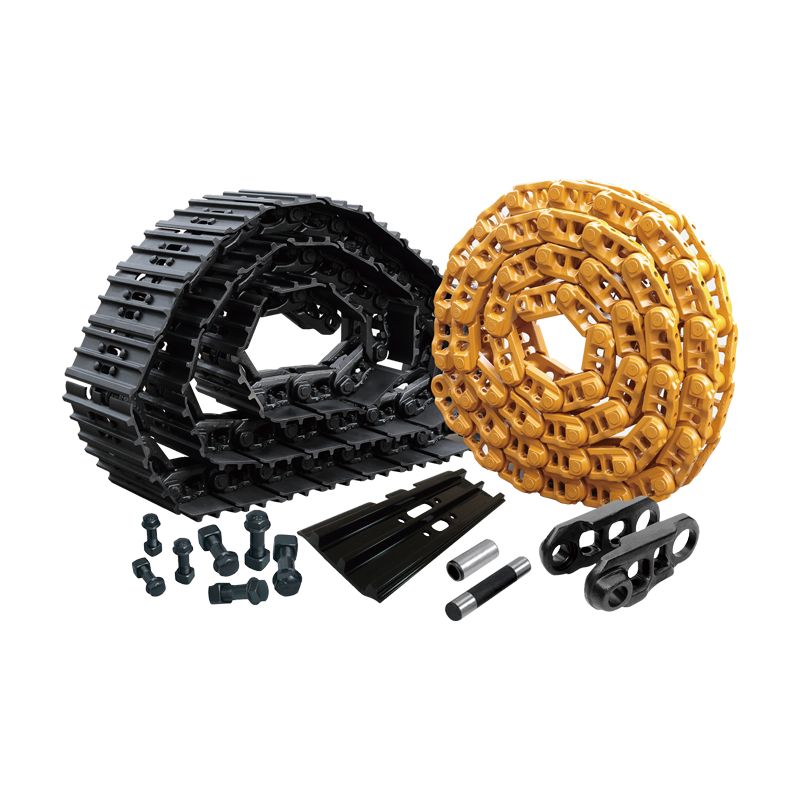
Simply put, the digger idler wheel is a wheel located at one end of the track system on excavators or tracked vehicles. Its job? Maintaining proper track tension and guide the continuous track as the machine moves. Without it, the track could slacken or come off entirely, causing delays and potential accidents. Think of it as a subtle but critical tensioner and guidepost that keeps everything aligned and running seamlessly.
In the bigger picture, idler wheels connect deeply with modern industry needs—providing durability and reliability for machines operating in harsh environments, from dense jungles to Arctic tundras. Humanitarian missions benefit too: rapid deployment of heavy diggers to clear debris hinges on gear that won’t fail under pressure.
Key Factors of Digger Idler Wheels
Durability
These wheels face rough conditions—mud, rocks, and constant abrasion. Typically made from high-grade steel or specialized alloys, they’re designed to resist wear and corrosion. A durable idler reduces replacement frequency and downtime, which is crucial onsite.
Track Tension Control
The idler’s ability to maintain proper tension prevents track slip or derailment. Proper tension means safer, smoother operation and less stress on the drivetrain.
Cost Efficiency
Since these wheels often last thousands of hours, choosing quality upfront can save significant maintenance costs. It's a long game—skimping here can lead to expensive repairs.
Compatibility & Scalability
Manufacturers offer idlers that fit different models and sizes of excavators, from mini-diggers for urban constructions to massive earth movers in mining. Scalable parts keep versatility high, cutting down inventory needs.
Maintenance & Ease of Replacement
Designs that simplify inspection and swapping out worn idlers reduce equipment downtime. Quick maintenance cycles mean machines get back in operation faster.
| Specification | Details |
|---|---|
| Material | High-strength alloy steel (e.g., 42CrMo) |
| Diameter | Typically 400-700 mm (varies by machine size) |
| Bearing Type | Sealed roller bearings for minimal maintenance |
| Surface Treatment | Heat treated + anti-corrosion coating |
| Warranty | 12-24 months or 2000 working hours |
Global Applications of Digger Idler Wheels
Around the world, from heavy civil engineering projects in Europe to resource extraction in South America, the digger idler wheel is indispensable. In regions prone to natural disasters—such as Southeast Asia—idlers ensure that excavation equipment can quickly clear debris to save lives. For example, in the aftermath of the 2010 Haiti earthquake, tracked excavators were vital, and their performance hinged on reliable track components.
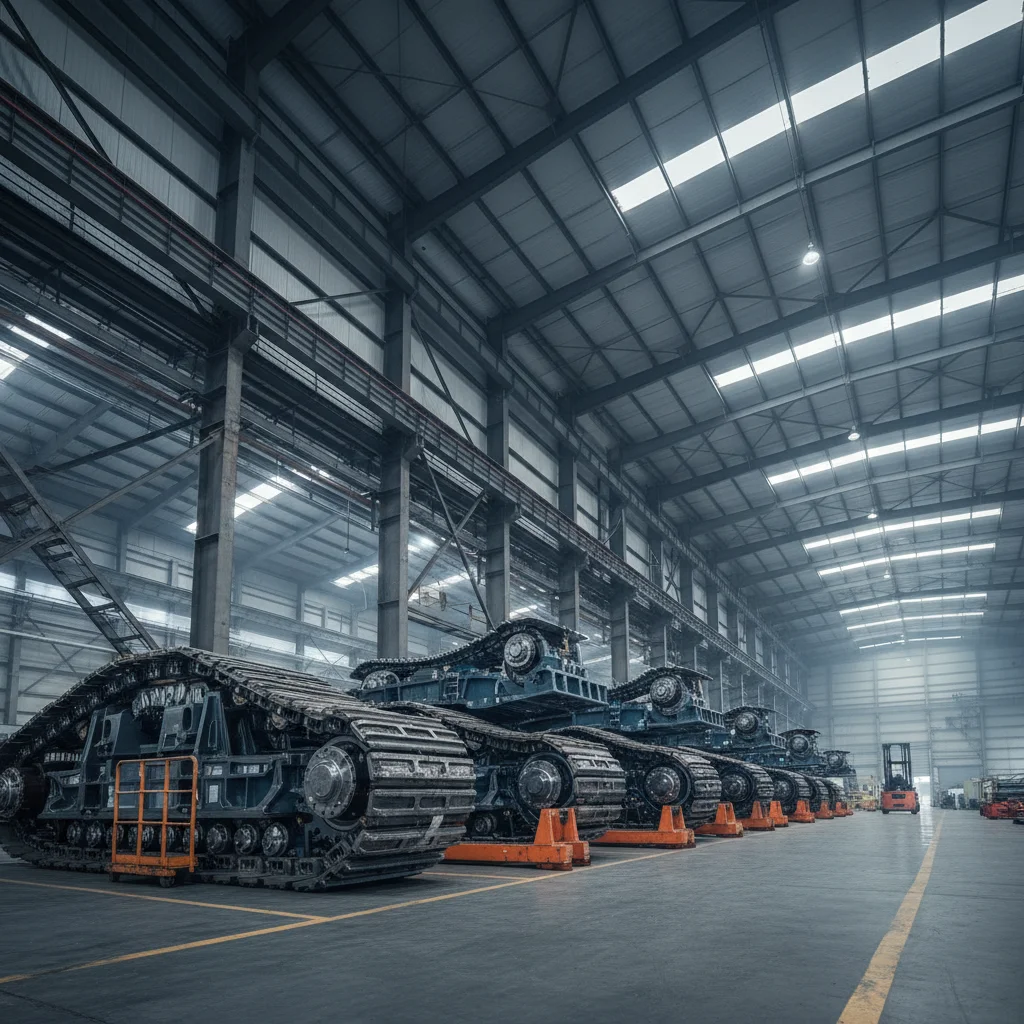
Mining hubs in Canada and Australia rely heavily on large hydraulic excavators fitted with robust idler wheels that stand up to abrasive rock and dust. Meanwhile, in developing nations investing in infrastructure, these components support growth by reducing machine downtime.
Key Vendors Comparison
| Vendor | Material Quality | Warranty | Price Range | Lead Time |
|---|---|---|---|---|
| Crafts Manufacturing | Premium alloy steel | 24 months | $$$ | 2-3 weeks |
| GlobalParts Inc. | Standard steel | 12 months | $$ | 4-6 weeks |
| EarthTrack Solutions | Enhanced-treated steel | 18 months | $$$ | 3-4 weeks |
Advantages & Long-Term Value
- Cost Savings: With fewer breakdowns and longer lifespans, operators save on repairs and replacement.
- Safety: Properly functioning idlers keep excavators stable and prevent track failures, enhancing operator safety.
- Sustainability: Durable materials and efficient maintenance reduce waste and environmental impact.
- Reliability: Trusted components increase machine uptime and project efficiency, fostering stakeholder confidence.
I suppose what’s most striking is how these components quietly support the dignity and safety of workers by minimizing machine failures. It feels like a small part, but it’s really a safeguards-and-trust mechanism embedded into every site.
Future Trends in Digger Idler Wheel Technology
Industry innovation is pushing toward lighter yet stronger materials, such as advanced composite alloys. Digital monitoring integrated into idler assemblies is also emerging—allowing real-time track tension diagnostics to head off issues before they occur. Plus, with green energy initiatives increasing, manufacturers are exploring eco-friendly coatings and manufacturing processes that reduce carbon footprint.
Challenges & Solutions
A common challenge is premature wear due to harsh operating environments, especially when dust and debris accumulate in bearings. However, new sealed bearing technologies and hydrophobic coatings help extend service intervals. Additionally, uneven terrain and poor maintenance habits can cause track derailments—regular inspections and operator training remain key solutions.
FAQ: Frequently Asked Questions About Digger Idler Wheel
- What is the typical lifespan of a digger idler wheel?
- Generally, high-quality idler wheels last between 2,000 to 5,000 operating hours depending on conditions and maintenance. Harsh environments can shorten this, so regular inspection matters.
- How does track tension affect excavator performance?
- Proper tension ensures the track stays aligned, reduces slippage, and protects drivetrain components, leading to safer, more efficient machine operation.
- Can idler wheels be custom-made to fit specific machines?
- Yes, many suppliers offer custom or semi-custom idler wheels tailored to machine models or special applications, often improving compatibility and lifespan.
- What maintenance is recommended for digger idler wheels?
- Regular visual inspections, cleaning of debris, lubrication of bearings where applicable, and immediate repair of any damage are best practices for prolonging idler life.
- Are there environmentally friendly options for these wheels?
- Manufacturers increasingly use recycled steel and coatings with lower environmental impact. Digital diagnostics can also help optimize maintenance, reducing waste.
Conclusion
The digger idler wheel might sound like a small cog in the enormous machinery of construction, but in real terms it's a fundamental piece ensuring those machines perform reliably and safely. With advances in materials, monitoring, and manufacturing, the future looks promising. For anyone operating or maintaining tracked excavation equipment, understanding and investing in quality idler wheels is simply smart. Curious to learn more or source reliable idler wheels? Visit Crafts Manufacturing to explore options tailored for your needs.
In the end, the simple idler wheel teaches us how small engineering choices can enable massive outcomes worldwide.
Post time: Dec-05-2025