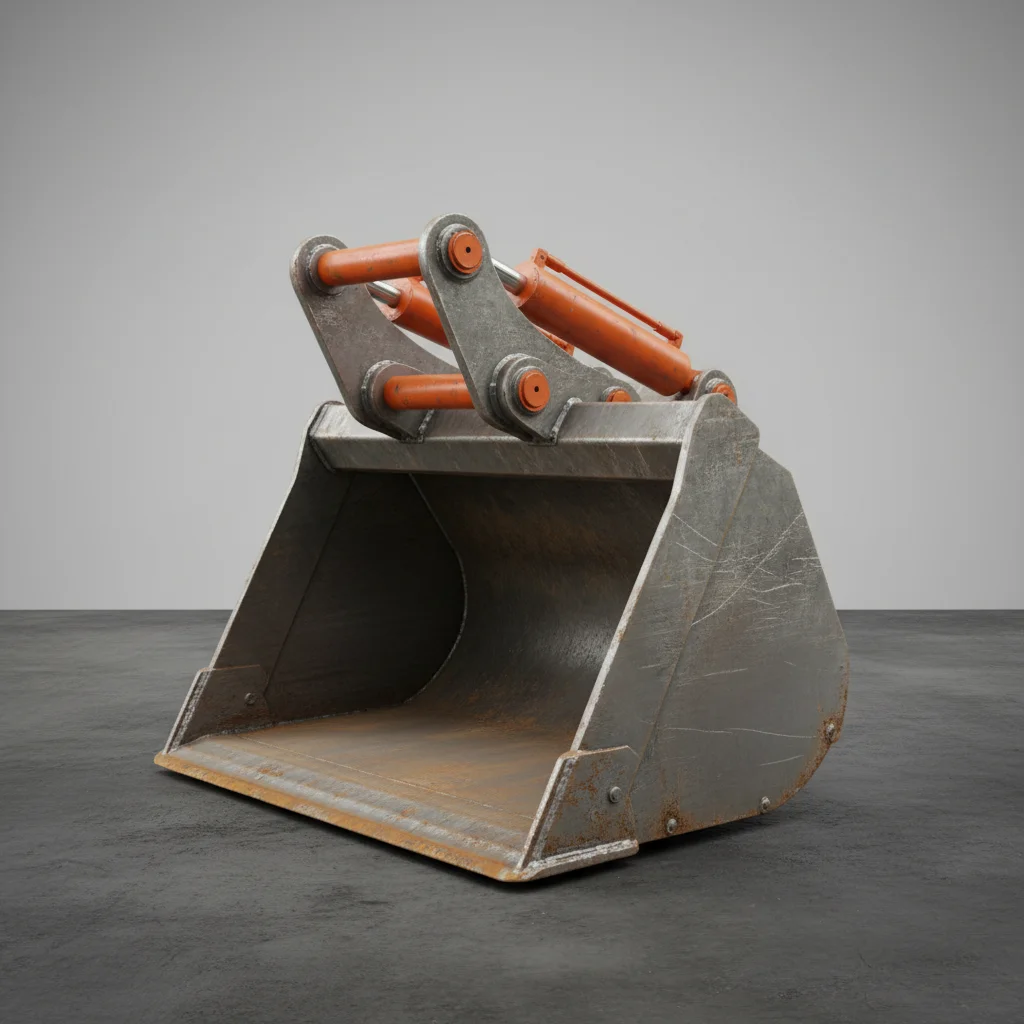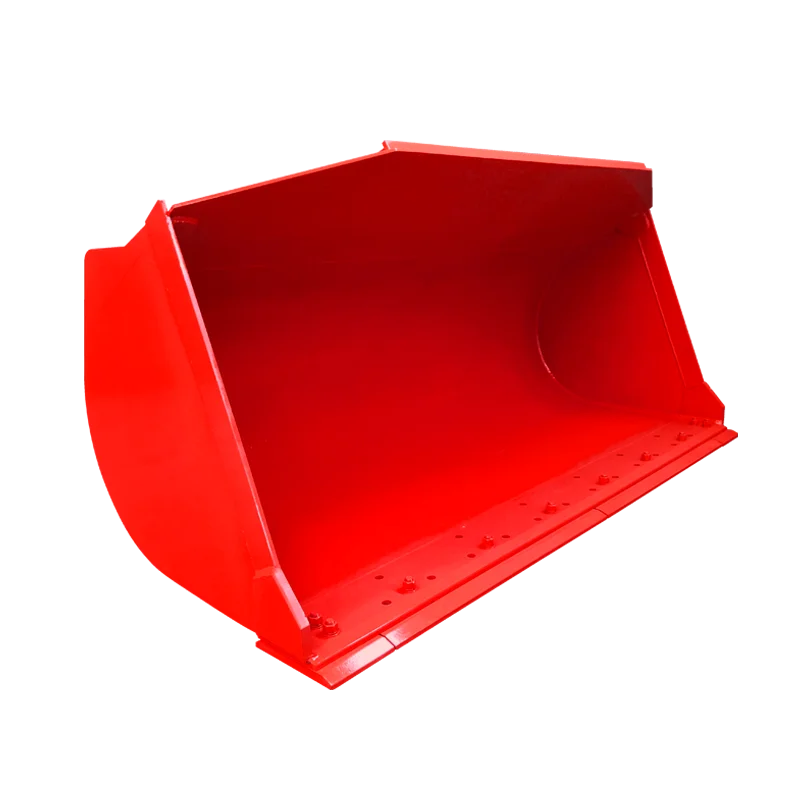
In the relentless world of underground mining, where every second of operational uptime translates directly into profitability, the performance of critical machinery is paramount. Among these workhorses, underground loader buckets stand out as indispensable tools, directly interfacing with the ore body and waste material. These aren't merely steel containers; they are sophisticated engineering marvels, designed to withstand unimaginable forces, abrasive materials, and corrosive environments. The demands placed upon them are extraordinary: they must penetrate rock, scoop heavy loads, retain material, and discharge efficiently, all while operating in confined, dusty, and often wet conditions. A failure in an underground loader bucket can halt an entire production cycle, leading to significant financial losses and safety concerns. Therefore, selecting, maintaining, and even custom-designing these components is not just a procurement decision but a strategic imperative that directly influences a mine's productivity, safety record, and overall return on investment. This detailed exploration delves into the intricate world of these essential tools, from their cutting-edge design and material science to their quantifiable impact on operational metrics and the strategic advantages of bespoke solutions.
Unpacking the Engineering Excellence and Technical Edge
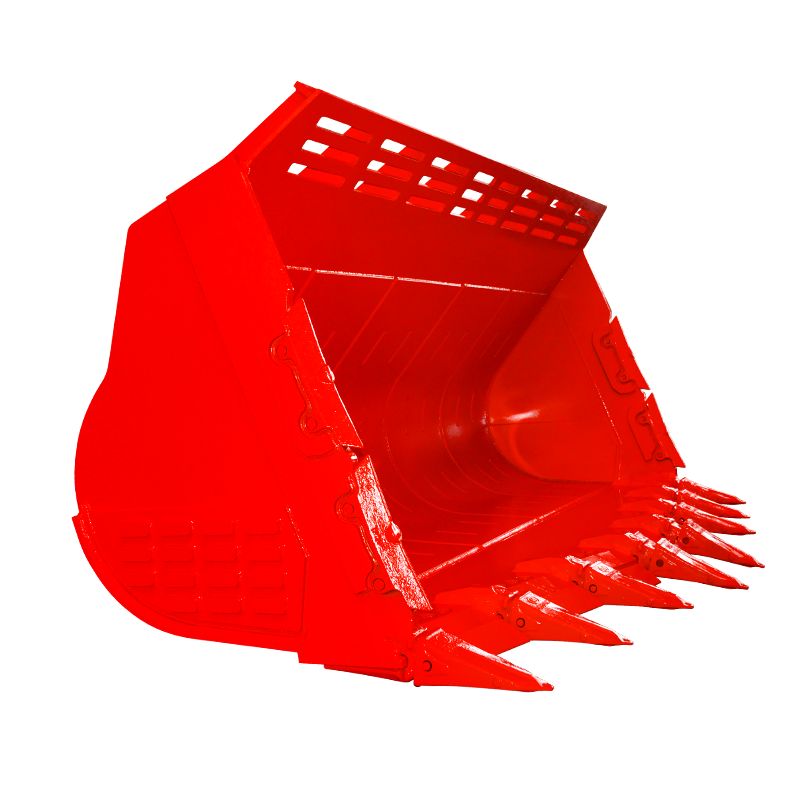
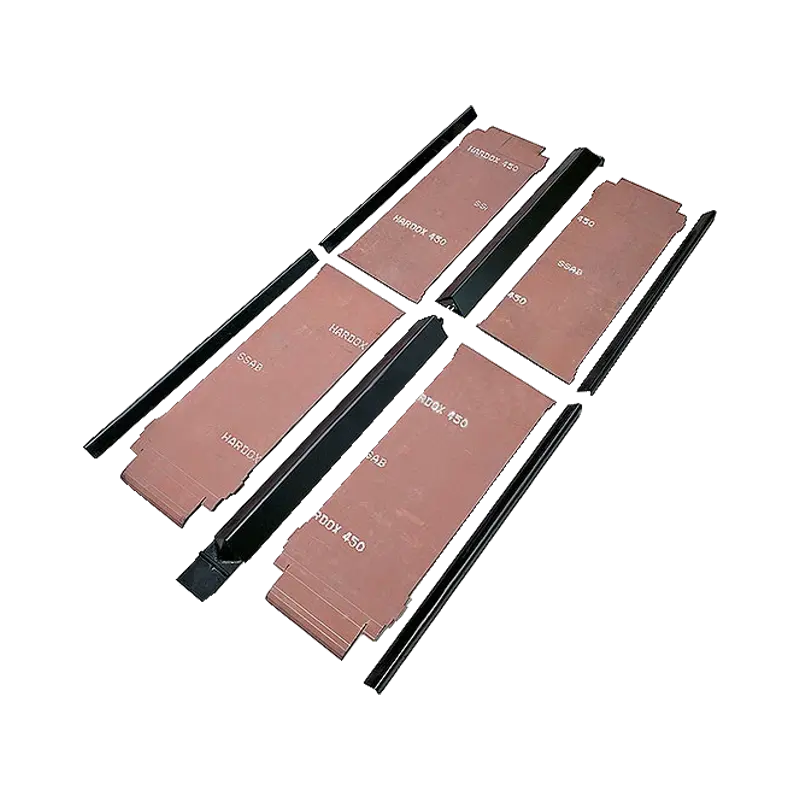
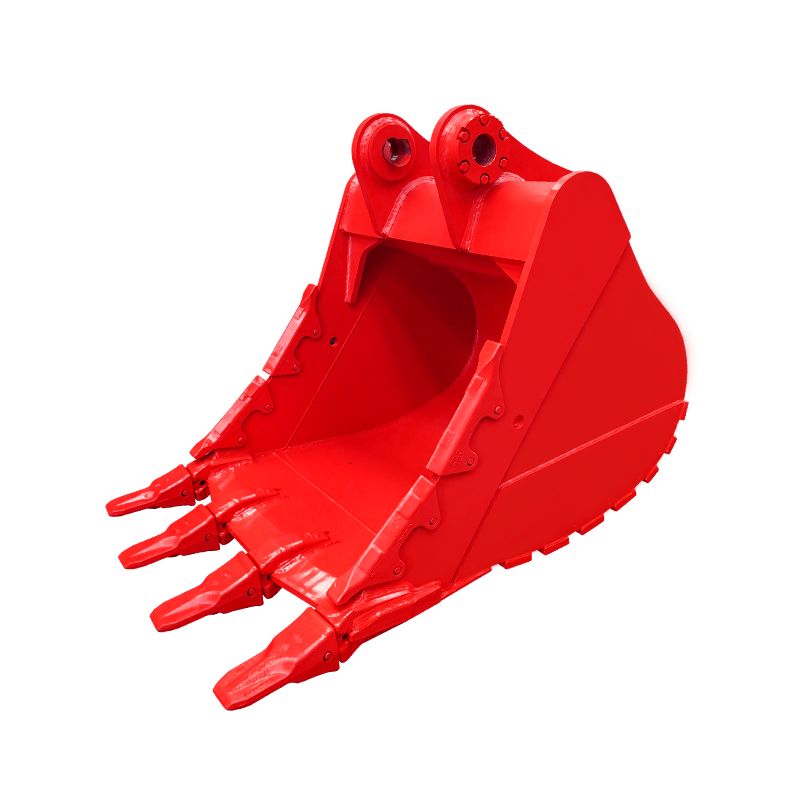
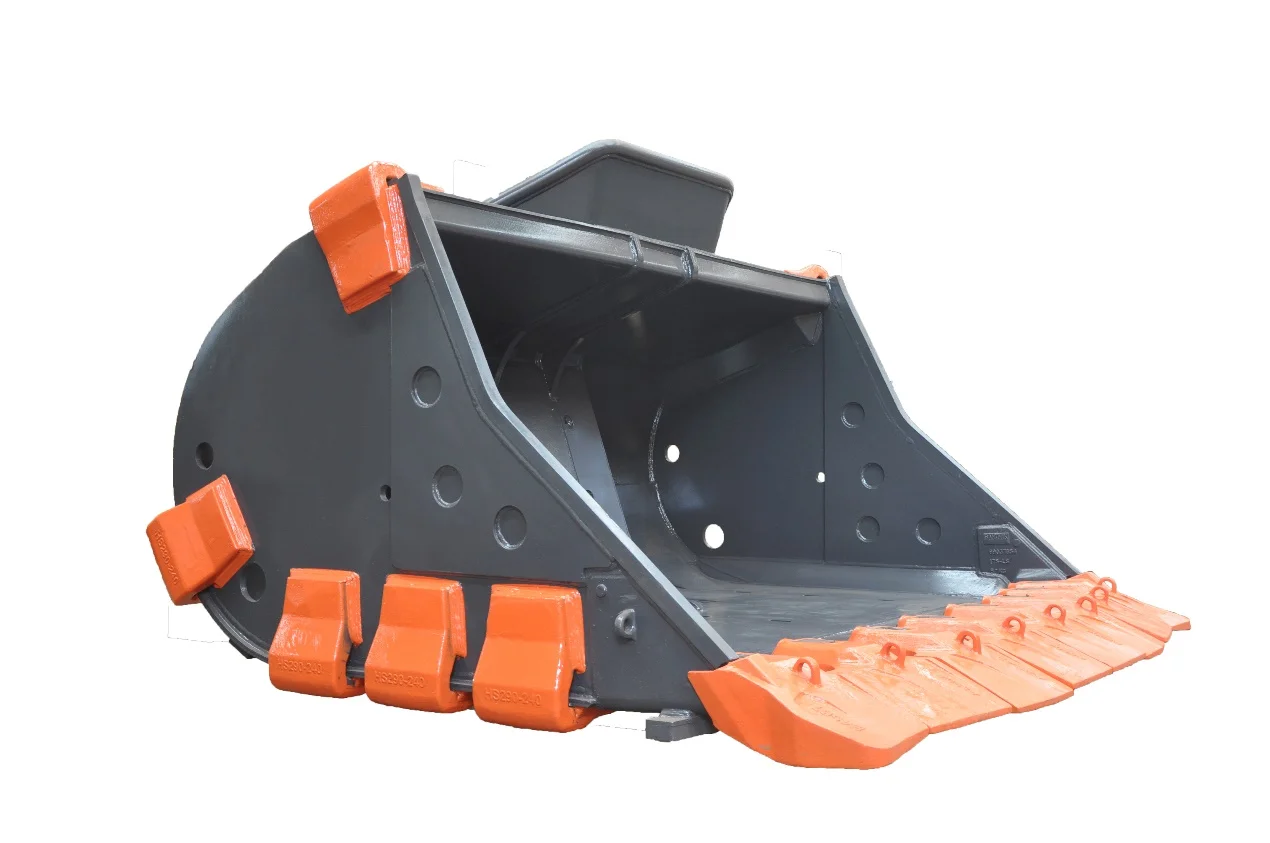
The superior performance of modern underground loader buckets is a direct result of advancements in metallurgy, design philosophy, and manufacturing processes. At their core, these buckets are constructed from specialized high-strength, wear-resistant steels, such as proprietary alloys and premium grades like HARDOX or similar ultra-hard materials. These materials offer an exceptional balance of hardness for wear resistance and toughness to absorb impacts without fracturing. The structural integrity of a bucket is further enhanced by advanced welding techniques, employing robotic precision and sophisticated consumables that ensure welds are stronger than the base material, preventing stress concentrations and premature failure. Beyond materials, the design itself is a masterpiece of engineering. Optimized bucket profiles are crucial for efficient material penetration and loading, reducing drag and fuel consumption for the loader. Features like spade-nose lips or sharp, aggressive tooth patterns improve breakout force and fill factor. Ground Engaging Tools (GET) – including teeth, adapters, shrouds, and cutting edges – are meticulously selected and positioned to maximize wear life and facilitate easy replacement, minimizing downtime. Lip shrouds, corner protectors, and wear plates are strategically placed in high-abrasion areas, acting as sacrificial components that can be replaced, thereby extending the life of the primary bucket structure. Finite Element Analysis (FEA) software is extensively used during the design phase to simulate stress points and potential failure modes under various load conditions, allowing engineers to refine geometries and reinforce critical areas before a physical prototype is ever built. This iterative design process ensures that each bucket is optimized for maximum durability, reduced operational costs, and enhanced safety in the most demanding underground environments.
Driving Operational Efficiency: Data-Backed Performance
The impact of high-quality underground loader buckets on a mining operation's efficiency and profitability is not merely anecdotal; it is rigorously quantifiable. Studies from leading mining operations consistently demonstrate that investments in premium bucket solutions yield substantial returns. For instance, data indicates that upgrading to buckets designed with advanced wear packages and optimized GET can lead to a 25% reduction in bucket-related unscheduled downtime. This translates directly into more operational hours for the loader, boosting overall production capacity. Furthermore, improvements in bucket design that enhance penetration and achieve a higher fill factor often result in a 5-12% increase in payload per cycle. Over thousands of cycles daily, this increment accumulates significantly, contributing to a substantial rise in daily tonnage moved without increasing the number of loading cycles or fuel consumption proportionally. The extended service life of a robust bucket, typically increasing by 30-50% compared to standard alternatives, drastically reduces the frequency of costly bucket change-outs and associated labor. This directly impacts maintenance budgets and frees up valuable maintenance personnel for other critical tasks. Consider a large-scale underground mine operating a fleet of 10 loaders. If each loader experiences just one less bucket change-out per quarter due to extended bucket life, and each change-out costs an estimated $5,000 in parts, labor, and lost production, the annual savings can easily exceed $200,000. These tangible benefits underscore that superior bucket performance is not an expense but a strategic investment that drives down total cost of ownership and amplifies a mine’s output and financial performance.
Navigating the Market: A Comparative Analysis of Bucket Manufacturers
Choosing the right manufacturer for underground loader buckets can be a complex decision, given the varied offerings and specialized features available. While many suppliers claim to offer the best solutions, a critical assessment reveals significant differences in material quality, design innovation, and overall value. Below is a comparative table highlighting typical attributes across different tiers of manufacturers, emphasizing why a premium provider often offers a superior return on investment despite a higher initial cost.
Feature/Category | Manufacturer A (Budget/Standard) | Manufacturer B (Mid-Range) | Premium Provider (Our Solution) |
Primary Material Grade | Mild steel with basic wear plates (e.g., A36, lower grade AR plate) | High-strength structural steel (e.g., Q345, mid-grade AR plate) | Proprietary Ultra High-Strength, Abrasion-Resistant Alloys (e.g., HARDOX 500/600, specialized cast alloys) |
Expected Wear Life (Relative) | Standard (e.g., 800-1200 operating hours in abrasive rock) | Above Standard (e.g., 1200-1800 operating hours) | Significantly Extended (e.g., 2000-3000+ operating hours, up to 150% more) |
Design Optimization | Basic, off-the-shelf profiles, general-purpose GET | Improved profiles, some GET options, basic FEA | Advanced, application-specific CAD/FEA design, optimized GET for penetration & wear |
GET (Ground Engaging Tools) | Standard bolt-on or weld-on teeth, minimal shrouding | Durable GET systems, some lip and wing shrouds | Integrated, heavy-duty GET system with extensive lip, wing, and heel shrouds; easy replacement mechanisms |
Welding Quality | Standard manual welding, potential for inconsistencies | Automated welding in critical areas, quality control checks | Robotic welding, multi-pass techniques, advanced consumables, rigorous NDT testing |
Payload Capacity (Typical) | Standard for loader model | Slightly optimized for material density | Maximized through design optimization and weight reduction in non-wear areas |
Maintenance Frequency | Higher (more frequent GET & wear plate replacement) | Moderate | Lower (extended intervals for wear component replacement) |
Initial Price Point | Lowest | Medium | Higher |
Total Cost of Ownership (TCO) | Often highest due to frequent replacements and downtime | Moderate, better than budget | Lowest over the bucket's lifespan due to durability and efficiency |
As the table illustrates, while initial price points may vary, the true value lies in the Total Cost of Ownership. Premium providers invest heavily in R&D, advanced materials, and precise manufacturing, resulting in buckets that last longer, perform better, and ultimately contribute more significantly to the mine's bottom line. Their focus on durability and efficiency translates into fewer change-outs, reduced maintenance labor, decreased fuel consumption per ton, and maximum operational uptime.
Tailored Solutions: Crafting Custom Underground Loader Buckets
The highly variable nature of underground mining operations necessitates an approach that transcends one-size-fits-all solutions. Mine geology, ore body characteristics, rock abrasiveness, specific loader models, and operational objectives differ vastly from one site to another. This is where the strategic advantage of custom-engineered underground loader buckets becomes evident. A customization process typically begins with an in-depth consultation, where engineers collaborate with mine operators to understand the unique challenges of their environment. This includes analyzing material properties (e.g., density, abrasiveness, lump size), the specific loader's capabilities (e.g., breakout force, lift capacity), and operational goals (e.g., maximum tons per shift, extended maintenance intervals, reduced fuel burn). Based on this data, sophisticated CAD software is used to design a bespoke bucket. Material selection might involve combining different grades of wear-resistant steel for optimal performance in specific areas – for example, a harder steel for the lip and teeth, coupled with a tougher grade for the bucket body to absorb impact. The Ground Engaging Tools (GET) are then precisely chosen and positioned. This could mean a more aggressive tooth pattern for enhanced penetration in highly competent rock or a robust, wider lip design for loose, abrasive materials. The bucket's profile, including its curvature and discharge angle, can be adjusted to optimize fill factor and material retention while minimizing hang-ups during discharge. Even internal wear liners can be customized in thickness and material to address localized wear patterns. By tailoring every aspect of the bucket to the mine's specific requirements, these custom solutions deliver unparalleled performance, extend service life dramatically, and directly contribute to higher productivity and lower operational costs that generic buckets simply cannot match. This bespoke approach transforms a standard component into a highly optimized, performance-enhancing asset.
Real-World Impact: Case Studies in Challenging Environments
The theoretical advantages of superior underground loader buckets are best illustrated through real-world applications where they have demonstrably improved operational metrics and overcome significant challenges. These case studies highlight the tangible benefits of investing in robust and customized solutions:
1. Hard Rock Gold Mine in Western Australia: Facing extremely abrasive quartz-rich ore and high impact loads, a mine struggled with bucket lip and tooth wear, requiring replacements every 600-700 operating hours. This led to significant downtime and soaring maintenance costs. After implementing custom-designed buckets featuring ultra-high-strength steel lips, enhanced corner protection, and a specialized GET system with optimized tooth geometry, the mine saw a remarkable improvement. The average wear life of the new buckets extended to over 1,800 operating hours, a 157% increase. This translated into a 65% reduction in bucket change-out frequency, freeing up maintenance crews and significantly boosting loader availability and overall gold production by approximately 7%.
2. Deep Underground Copper Mine in South America: Operating in confined spaces with highly fractured rock, this mine needed buckets that could maneuver efficiently while still achieving high fill factors. Standard buckets often experienced hang-ups during loading and discharge, reducing cycle times. A customized solution was developed, incorporating a slightly shallower bucket profile with a wider mouth and a smoother internal surface to improve material flow. Advanced penetration teeth were also integrated. The result was a 10% improvement in average fill factor and a 15% reduction in cycle times due to quicker loading and more efficient discharge. This led to a substantial increase in daily copper tonnage moved, directly impacting the mine’s profitability and allowing them to meet ambitious production targets.
3. Underground Iron Ore Mine in Northern Canada: This operation contended with extremely heavy, dense iron ore and sub-zero temperatures, which exacerbated material brittleness and impact wear on buckets. The cold also made welding repairs challenging. Custom buckets were supplied with specialized, impact-resistant alloy steel and an innovative GET system designed for harsh cold weather. Furthermore, the design incorporated modular wear packages that could be quickly replaced, even in frigid conditions. The enhanced material resilience led to a 40% reduction in structural failures and an overall 25% increase in bucket lifespan. The modular repair system slashed downtime for wear component replacement by nearly half, significantly improving loader utilization during peak winter production periods.
Maximizing Your Investment: The Strategic Choice of Superior Underground Loader Buckets
The strategic importance of high-quality underground loader buckets in the fiercely competitive mining sector cannot be overstated. Far from being mere accessories, they are foundational assets that directly influence a mine's operational efficiency, safety profile, and financial viability. The investment in superior, often custom-engineered, solutions for underground loader buckets provides a multifaceted return: extended service life minimizes costly downtime and maintenance expenditure; optimized design enhances penetration and fill factors, leading to greater payload per cycle and increased overall production; and robust construction improves safety by reducing the risk of catastrophic failures. By choosing to prioritize quality, innovation, and tailored solutions, mining operations are not simply purchasing hardware; they are securing a strategic advantage. This forward-thinking approach transforms a significant capital expenditure into a powerful engine for sustained productivity and profitability. The evidence, both technical and operational, overwhelmingly points to one conclusion: investing in cutting-edge underground loader buckets is a non-negotiable step for any mine striving to achieve peak performance and long-term success in the demanding subterranean environment.
Frequently Asked Questions (FAQ) about Underground Loader Buckets
Q1: What are the primary materials used in the construction of underground loader buckets?
A1: High-performance underground loader buckets are primarily constructed from specialized high-strength, abrasion-resistant steels such as HARDOX, various proprietary AR (Abrasion Resistant) steels, and high-tensile structural alloys. These materials are chosen for their superior hardness, toughness, and ability to withstand extreme impact and abrasive wear.
Q2: How do Ground Engaging Tools (GET) impact bucket performance?
A2: GET (teeth, adapters, shrouds, cutting edges, corner protectors) are critical. They significantly enhance bucket performance by improving penetration, increasing breakout force, optimizing the fill factor, and providing sacrificial wear material to protect the main bucket structure. Properly selected and maintained GET can drastically extend bucket life and boost productivity.
Q3: What factors contribute to the lifespan of an underground loader bucket?
A3: Key factors include the abrasiveness and density of the material being handled, the impact levels experienced during loading, the bucket's design and material quality, the effectiveness of its GET package, the skill of the operator, and the frequency and quality of maintenance.
Q4: Can underground loader buckets be customized for specific mining conditions?
A4: Absolutely. Customization is a significant advantage. Buckets can be tailored to specific mine geology, ore body characteristics, loader model specifications, and operational goals. This involves optimizing material selection, bucket profile, GET configuration, and reinforcing specific wear areas to maximize performance and lifespan in unique environments.
Q5: What are the main safety features to consider for loader buckets?
A5: Safety features include robust construction to prevent structural failures, secure GET attachment systems to prevent detached teeth (a major hazard), clear visibility for the operator (if part of design), and easy, safe procedures for maintenance and component replacement to minimize human exposure to hazards.
Q6: How does bucket design affect a loader's fuel efficiency?
A6: An optimized bucket design with excellent penetration capabilities, a high fill factor, and efficient material retention reduces the number of cycles required to move a given tonnage. This also minimizes drag and unnecessary strain on the loader's hydraulic system and engine, directly leading to lower fuel consumption per ton moved.
Q7: What is Total Cost of Ownership (TCO) in relation to underground loader buckets?
A7: TCO for loader buckets encompasses not just the initial purchase price, but also ongoing costs like GET and wear component replacements, labor for maintenance and change-outs, fuel consumption associated with bucket efficiency, and most significantly, the cost of lost production due to unscheduled downtime. A higher-quality bucket, while potentially more expensive initially, often yields a lower TCO due to extended lifespan and improved operational efficiency.
Post time: Nov-12-2025