Skid steer loaders are the workhorses of countless job sites, renowned for their versatility in construction, landscaping, agriculture, and municipal maintenance. From moving earth to clearing snow, their compact power is indispensable. Yet, the true determinant of a skid steer's efficiency and operational longevity often lies in a component frequently overlooked: its blade. A high-quality blade for a skid steer loader is not merely an attachment; it is a meticulously engineered cutting edge that directly influences productivity, fuel consumption, and machine wear. Consider the tangible impact: opting for a superior blade can lead to a demonstrable reduction in fuel consumption by up to 15-20% due to optimized cutting angles and reduced resistance. Furthermore, businesses report a significant decrease in operational downtime, often by as much as 25%, simply by minimizing the frequency of blade replacements and associated maintenance. The correct blade selection translates into more efficient material handling, finer grading precision, and extended service intervals for the machine itself. It is a critical investment that underpins the entire operational efficiency of your skid steer, transforming it from a general-purpose machine into a specialized tool perfectly matched to its task. Understanding the nuanced engineering and material science behind these essential components is the first step toward unlocking the full potential and return on investment from your heavy equipment.
Understanding the Core: The Science Behind Superior Blade Design
The efficacy of a skid steer blade is deeply rooted in fundamental principles of material science and mechanical engineering. Beyond a simple piece of metal, a superior blade is the result of careful consideration of metallurgical composition, heat treatment processes, and precise geometric design. Most high-performance blades are crafted from specific grades of high-carbon or boron steel, chosen for their exceptional hardness and resistance to abrasion. Boron steel, for instance, offers a unique combination of strength and toughness, allowing it to withstand severe impact and wear in challenging environments without fracturing. The heat treatment process is equally critical; it involves controlled heating and cooling cycles that alter the steel's microstructure, imparting properties like increased hardness (often measured in Brinell Hardness Numbers, or BHN) and improved tensile strength. A common target for heavy-duty blades is a BHN of 400-500, indicating superb resistance to cutting and gouging. Furthermore, the blade's edge profile—be it flat, serrated, single-bevel, or double-bevel—is engineered to optimize performance for specific tasks. A sharp, flat edge excels at grading and fine earthmoving, providing a clean finish. Serrated edges, conversely, are designed for enhanced penetration in compacted soil, ice, or frozen ground, effectively breaking up material. Understanding these intricate design choices allows operators to select blades that not only last longer but also enable their skid steers to perform with unparalleled precision and power, minimizing waste and maximizing output.
A Deep Dive into Technical Advantages: Materials, Edge Profiles, and Durability
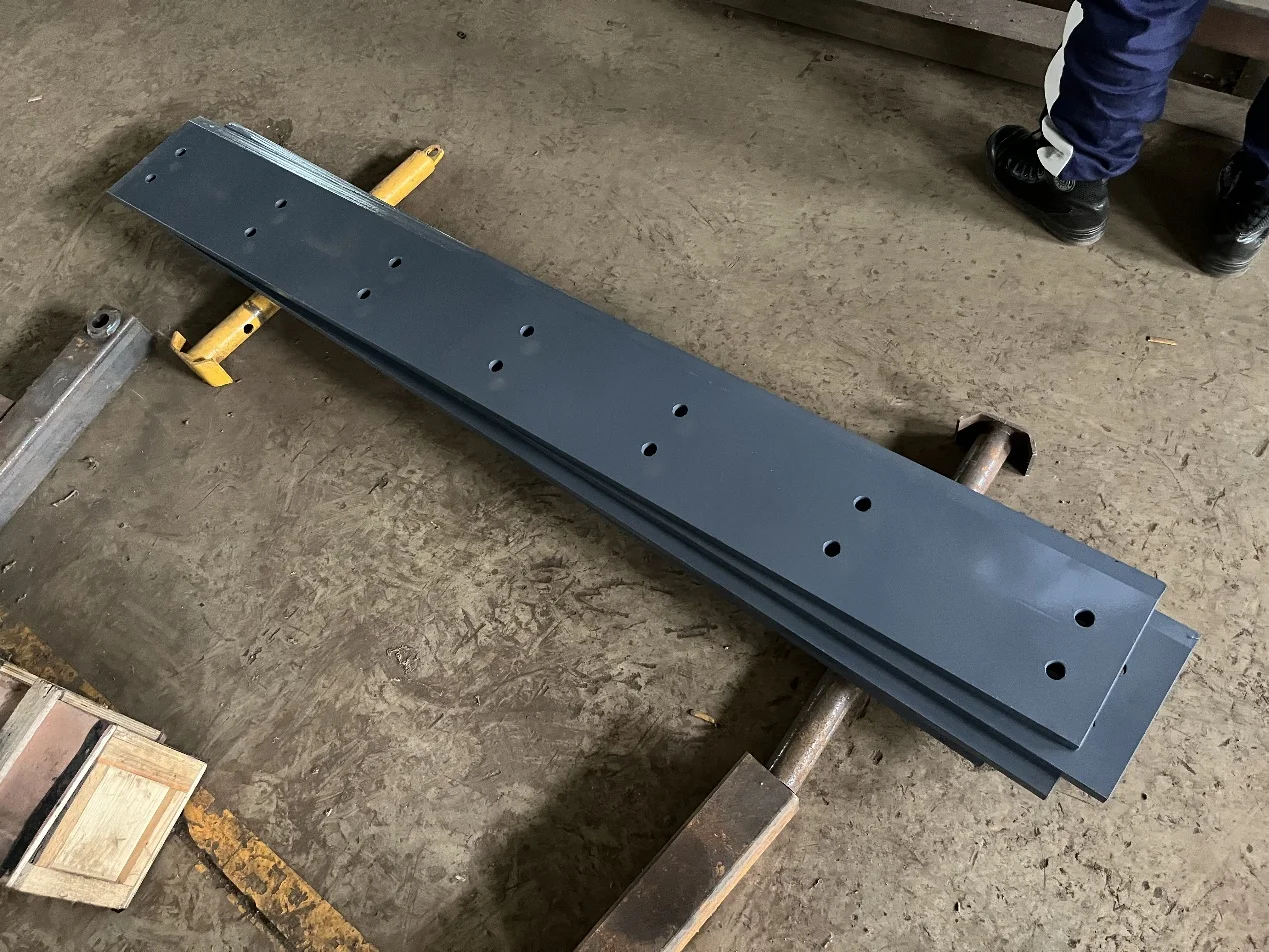
The technical sophistication of modern skid steer blades extends far beyond mere material selection, encompassing advanced manufacturing techniques and innovative design features that significantly enhance performance and longevity. High-grade materials such as through-hardened alloy steels are a cornerstone, offering uniform hardness from surface to core, which is crucial for resisting abrasive wear across the entire blade thickness, not just the surface. This through-hardening process prevents premature dulling and maintains a consistent cutting edge throughout the blade's lifespan. Beyond the steel itself, specialized coatings or weld overlays containing tungsten carbide particles are sometimes applied to create an even more durable cutting surface, particularly for extreme applications like asphalt milling or concrete removal. These enhancements can extend blade life by an additional 30-50% in highly abrasive conditions. The geometry of the cutting edge plays a pivotal role. A double-bevel flat edge provides excellent durability and reversible use, effectively doubling its service life. A serrated edge, with its aggressive teeth, is engineered to rip through tough, frozen, or rocky terrain, significantly improving penetration without excessive machine strain. Bolt-on edges offer easy replacement and adaptability, allowing quick changes for different tasks or after wear, minimizing machine downtime. Weld-on edges provide maximum strength and impact resistance, often favored for heavy-duty digging and demolition. The precision of bolt hole alignment and counter-sinking is also a subtle but vital detail, ensuring a flush fit that reduces stress concentrations and prevents premature bolt failure. These combined technical advantages translate directly into measurable benefits: reduced operational costs through fewer replacements, improved efficiency from superior material engagement, and enhanced safety by maintaining optimal equipment performance.
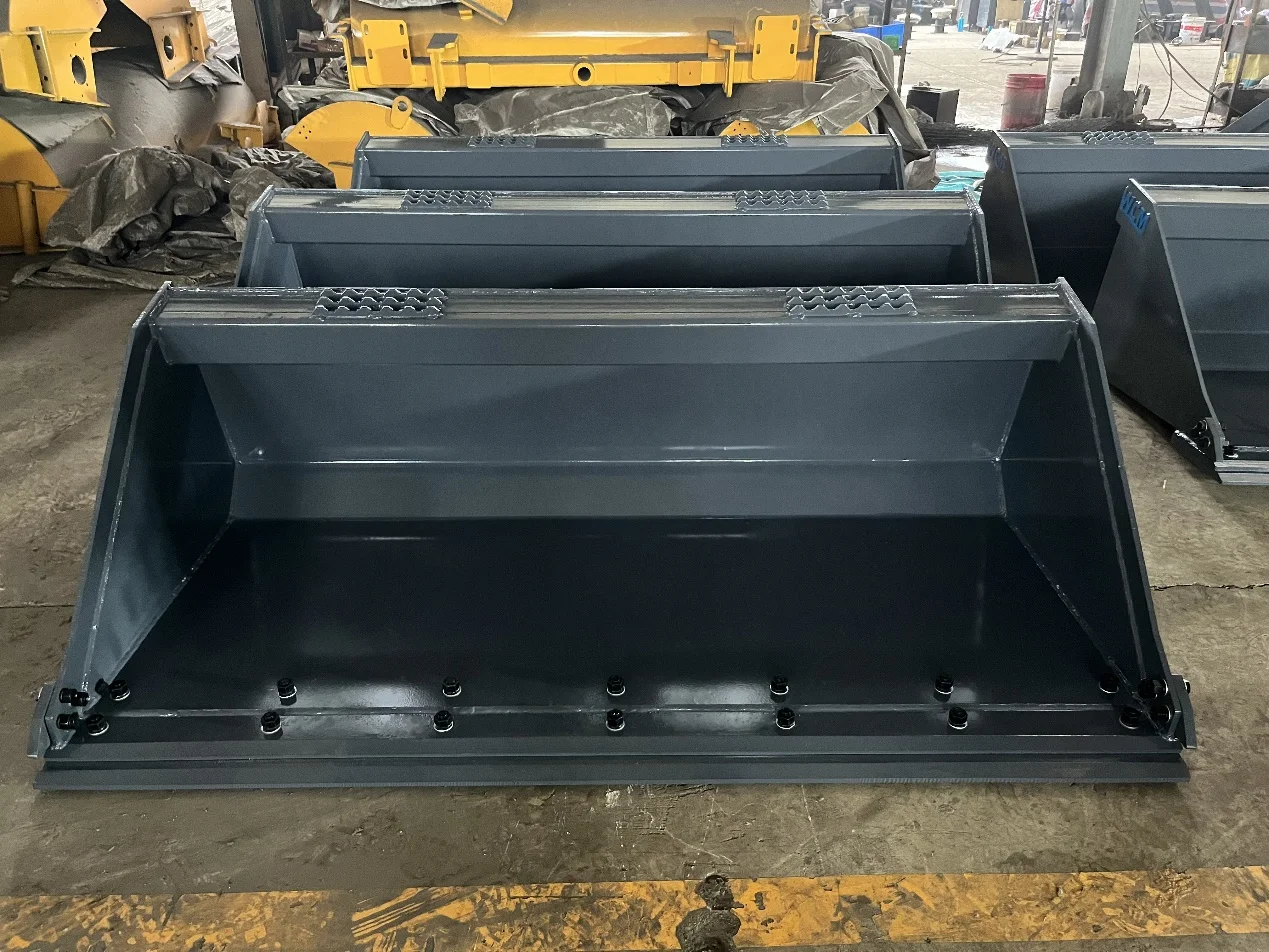
Navigating the Market: A Comparative Analysis of Top Manufacturers
Choosing the right manufacturer for your skid steer blades can be as critical as selecting the blade type itself, impacting everything from initial cost to long-term operational efficiency. The market offers a spectrum of options, ranging from original equipment manufacturers (OEMs) who produce blades specifically for their machines, to premium aftermarket specialists known for innovative material science, and value-oriented aftermarket providers focusing on cost-effectiveness. Each category presents distinct advantages and considerations. OEMs often guarantee perfect fit and compatibility, leveraging proprietary designs, but their blades might come at a premium price. Premium aftermarket manufacturers frequently invest heavily in R&D, developing advanced alloys and heat treatments that can surpass OEM performance in specific applications, offering enhanced durability or specialized features. Value aftermarket options provide accessible solutions, focusing on standard specifications at competitive price points, ideal for less demanding tasks or budget-conscious operations. Evaluating these options requires a clear understanding of your operational demands, soil conditions, and expected blade lifespan. Below is a comparative analysis based on generalized categories, illustrating key differentiators:
Manufacturer Category | Material Quality (BHN) | Edge Longevity (Avg. Hours) | Customization Options | Warranty/Support |
OEM (e.g., Cat, John Deere) | High (BHN 400-450) | 300-500 hours | Limited Standard Sizes | Strong, Integrated Support |
Premium Aftermarket (e.g., Black Cat Blades, ESCO) | Very High (BHN 450-500+) | 450-700+ hours | Extensive Customization Available | Robust Product-Specific Warranty |
Value Aftermarket (General Brands) | Standard (BHN 300-400) | 200-350 hours | Basic Standard Sizes | Standard Limited Warranty |
This table highlights that while initial cost can vary significantly, the long-term value, measured in blade lifespan and performance, often justifies investment in higher-quality options. For instance, a premium aftermarket blade, though potentially 15-20% more expensive upfront than a value alternative, could deliver 50% longer wear life, translating to fewer replacements and substantial savings over the operational cycle.
Tailored Solutions: Crafting Custom Blades to Meet Specific Demands
While standard blades serve a broad range of applications, many operators encounter unique challenges that demand tailored solutions. Custom blades for skid steer loaders offer the flexibility to address specific environmental conditions, specialized tasks, or even particular machine modifications that off-the-shelf options cannot adequately meet. The rationale for customization is compelling: operating in abrasive sandy soils, extremely rocky terrain, or dealing with frozen ground requires blade characteristics far different from those used for grading topsoil or clearing light debris. A custom solution might involve specifying a unique material composition, such as an ultra-hard alloy with a higher chromium content for enhanced abrasion resistance in highly corrosive environments. Alternatively, it could mean requesting a specific hardness level across different sections of the blade – for example, a harder cutting edge for wear and a slightly softer body for impact absorption. Edge profiles can be meticulously designed; a custom serrated edge might feature different tooth spacing or depth to optimize penetration in specific types of frozen aggregate or root-filled soil. Bolt hole patterns can be precisely matched to non-standard buckets or unique machine models, ensuring perfect fit and preventing premature wear caused by misalignment. Lengths and widths can be adjusted to maximize coverage or maneuverability for specialized projects, such as narrow access work or oversized material handling. The process typically involves close consultation with a specialized manufacturer, where operators detail their challenges, machine specifications, and desired outcomes. Through this collaborative approach, engineers can design and fabricate a blade that acts as a precision instrument, transforming a generic skid steer into a highly specialized tool capable of superior performance, significantly extending blade life, and delivering unparalleled efficiency for the most demanding applications.
Real-World Impact: Case Studies and Application Success Stories
The theoretical advantages of superior skid steer blades translate into tangible benefits on job sites every day. Consider these illustrative case studies:
Case Study 1: The Municipal Snow Removal Challenge
A municipal public works department in a harsh northern climate struggled with rapid blade wear on their skid steers during winter snow removal. Standard carbon steel blades, typically lasting only 150-200 hours, required frequent replacement, leading to significant downtime and budget overruns. After consulting with a specialized blade manufacturer, they switched to custom-fabricated blades made from a specific boron steel alloy, featuring a tungsten carbide overlay on the leading edge. The new blades consistently lasted over 400 hours, an improvement of more than 100%. This extended lifespan resulted in a 20% reduction in annual blade procurement costs and freed up critical maintenance personnel, allowing them to focus on other essential tasks during peak winter months. The enhanced durability also meant fewer interruptions during snow events, improving public service delivery.
Case Study 2: Precision Grading in Landscape Construction
A large-scale landscaping contractor specializing in golf course construction faced issues with achieving consistent fine grades using conventional blades. Their existing blades would dull quickly, leading to uneven surfaces and requiring multiple passes, which consumed extra fuel and labor. They implemented a custom double-bevel, flat-edge blade made from a hardened alloy steel, designed with specific dimensions to match their skid steer's bucket angle. The precise edge geometry and superior material allowed them to achieve final grades within a tolerance of +/- 0.5 inches on the first pass, a 30% improvement in precision. This not only reduced rework by nearly 40% but also led to a 10% decrease in fuel consumption per grading job due to fewer passes and less resistance, significantly impacting their project profitability and client satisfaction.
Case Study 3: High-Abrasion Quarry Operations
An aggregate quarry utilized skid steers for stockpiling and loading highly abrasive crushed stone. Their standard blades typically wore out within 100 operating hours, necessitating frequent and costly replacements. They adopted heavy-duty, weld-on blades featuring a segmented design of high-manganese steel inserts, specifically engineered for extreme abrasion resistance. The result was a dramatic increase in blade lifespan to over 300 hours, tripling their previous performance. This upgrade translated into a substantial 60% reduction in annual blade purchasing and replacement labor costs. Furthermore, the improved cutting efficiency of the new blades led to a 5% increase in material handling volume per shift, directly contributing to higher quarry output and operational revenue.
Investing in Longevity: Maximizing ROI with Premium Blades for Skid Steer Loaders
In the demanding world of heavy equipment operation, every component contributes to the bottom line. While the initial cost of premium blades for skid steer loaders might appear higher, the long-term return on investment (ROI) profoundly outweighs this initial outlay. A high-quality blade is an investment in sustained productivity, reduced operational expenditures, and enhanced machine longevity. The cumulative savings from extended blade life alone are substantial; fewer replacements mean reduced material costs and, critically, fewer hours of labor spent on maintenance and installation. This direct impact on labor hours can translate into a 15-20% decrease in overall maintenance expenses associated with ground-engaging tools. Beyond direct costs, premium blades deliver superior performance that impacts efficiency across the board. Improved penetration and cutting effectiveness lead to quicker task completion, reducing fuel consumption by optimizing machine effort. A properly performing blade minimizes strain on the skid steer's hydraulic system and engine, contributing to the overall health and extended lifespan of the machine itself. Furthermore, consistent performance from durable blades enhances safety by minimizing unexpected failures and reducing the need for operators to work around dull or damaged equipment. Ultimately, choosing top-tier blades for skid steer loaders is not just about avoiding frequent replacements; it’s about empowering your equipment to perform at its peak, maximizing output, minimizing downtime, and ensuring that every hour your skid steer operates is as productive and profitable as possible, solidifying your competitive edge in the industry.
Frequently Asked Questions About Blades for Skid Steer Loaders
What are the main types of blades for skid steer loaders?
The primary types include flat blades (often reversible, ideal for grading and pushing), serrated blades (designed for improved penetration in hard or frozen ground), and various edge profiles such as bolt-on, weld-on, and specific cutting edges (e.g., single-bevel, double-bevel) tailored for different tasks and wear patterns.
How often should I replace my skid steer blade?
Replacement frequency depends heavily on the blade's material quality, the aggressiveness of the application, and the type of material being worked. In highly abrasive conditions, a standard blade might last 100-200 hours, while premium, hardened alloy blades can exceed 400-700 hours. Regular inspection for excessive wear, cracks, or deformation is crucial.
What material is best for skid steer blades?
For most demanding applications, high-carbon steel or boron steel, especially through-hardened variants, are preferred. These materials offer superior hardness (typically BHN 400-500) and resistance to abrasion and impact, significantly extending blade life compared to standard mild steel.
Can I use the same blade for different skid steer loader models?
While some blades might share similar lengths or hole patterns, it's essential to verify compatibility. Different skid steer models can have varying bucket designs, bolt hole patterns, and structural requirements. Using an incompatible blade can lead to poor fit, premature wear, and potential safety issues.
What's the difference between bolt-on and weld-on blades?
Bolt-on blades are secured with bolts, allowing for easy replacement and often being reversible. They are common for general-purpose use. Weld-on blades are permanently attached by welding, offering maximum structural integrity and impact resistance, often chosen for heavy-duty digging or demolition where strength is paramount.
How do I choose the right blade for specific tasks?
Consider the primary application:
· Grading/Finishing: Flat, sharp-edged blades.
· Digging/Penetration: Serrated or aggressive single-bevel edges.
· Snow Removal/Ice Breaking: Serrated edges or specialized wear-resistant steel.
· High Abrasion (e.g., asphalt, concrete, rocky soil): Hardened alloy steel with high BHN, potentially with carbide overlays.
Consulting with a blade specialist is recommended for optimized selection.
Does blade quality impact fuel consumption?
Absolutely. A sharp, well-designed blade made from quality materials cuts and pushes more efficiently, requiring less effort from the skid steer's engine. A dull or poorly designed blade increases resistance, forcing the engine to work harder, which directly leads to higher fuel consumption and increased wear on the machine's drivetrain and hydraulics.
Post time: Nov-26-2025