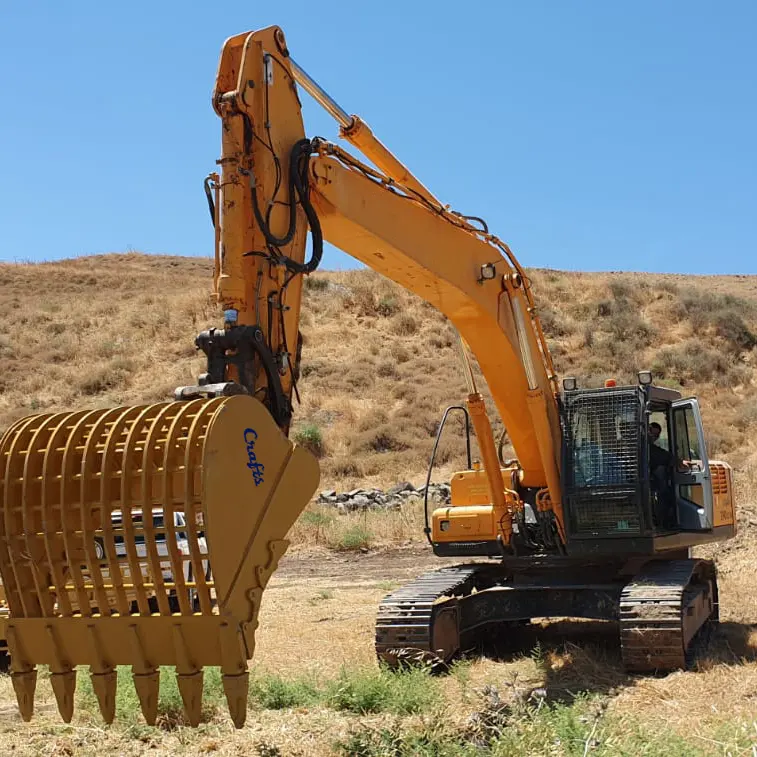
In the demanding world of heavy construction, mining, agriculture, and forestry, the integrity of tracked machinery is paramount. At the heart of a machine's mobility and operational efficiency lies its track system, and a critical component ensuring its optimal function is the hydraulic track tensioner. Without proper track tension, equipment experiences accelerated wear on sprockets, idlers, rollers, and track links, leading to premature component failure and significant downtime. Studies indicate that incorrectly tensioned tracks can reduce component lifespan by as much as 25-30%, directly impacting operational budgets and project timelines. A hydraulic track tensioner provides the precise, consistent force required to maintain ideal track tension, dynamically adjusting to operational stresses and environmental changes. This precision is not merely a convenience; it's a fundamental requirement for maximizing machine performance, extending the lifespan of costly undercarriage components, and safeguarding operator safety. It represents a significant leap from traditional, often imprecise, mechanical adjustment methods, offering a robust solution that minimizes manual intervention and optimizes machine uptime. Investing in a high-quality hydraulic tensioner is not an expense but a strategic decision to enhance the reliability and longevity of your heavy equipment fleet, translating directly into tangible cost savings and increased productivity over the operational life of the machine.
Engineered Precision: Technical Advantages That Drive Performance
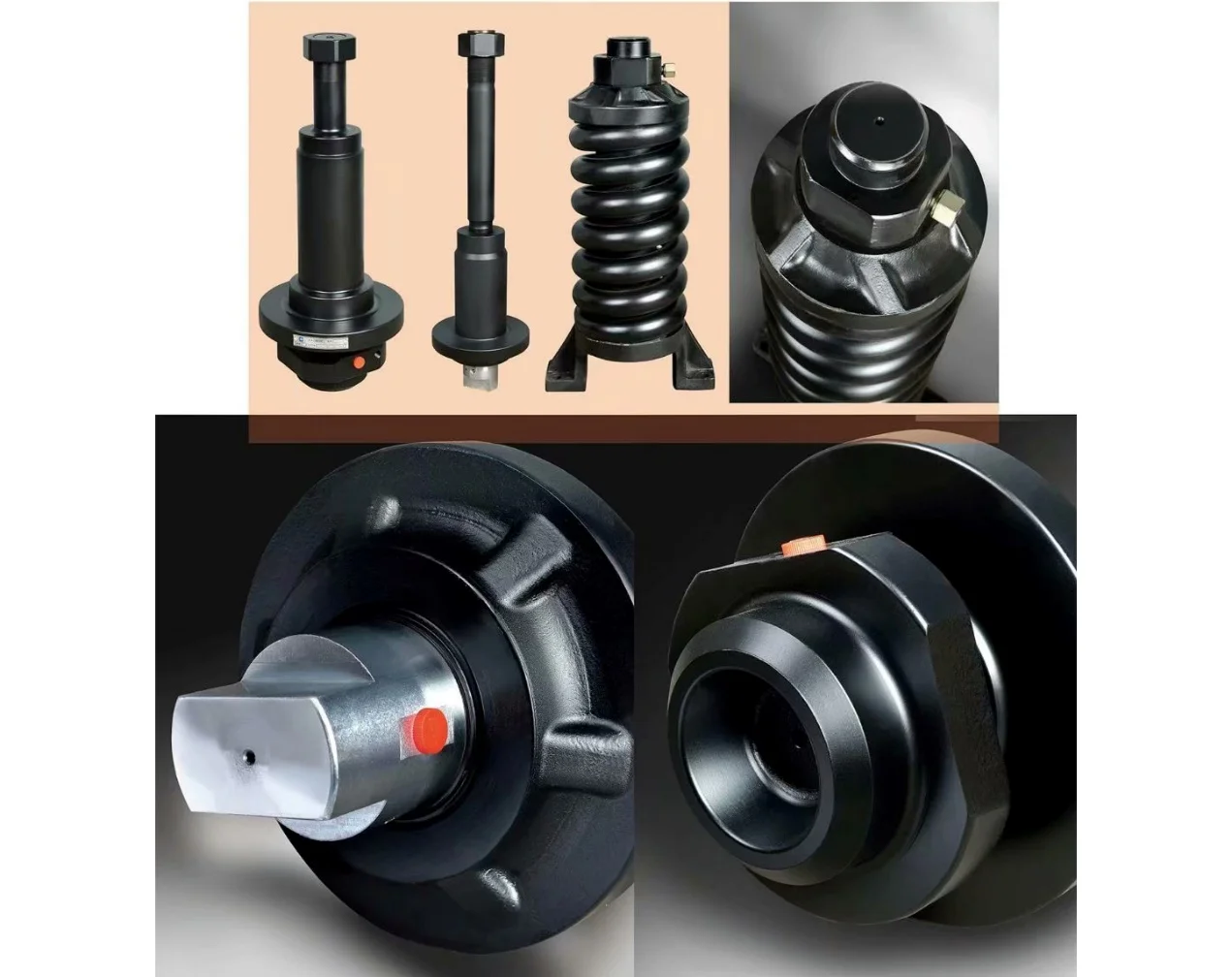
The technical sophistication of modern hydraulic track tensioners sets them apart, offering a suite of advantages that elevate machine performance and reliability. Unlike spring-loaded or manual systems, hydraulic tensioners provide a consistently calibrated force, ensuring the track remains at its optimal tautness regardless of terrain or load. This precision minimizes unnecessary stress on the entire undercarriage assembly. Key technical benefits include superior shock absorption, where the hydraulic fluid acts as a damper, cushioning impacts and vibrations that would otherwise be directly transmitted to the track components. This significantly reduces the risk of track derailment and lessens wear on pins and bushings. The ease of adjustment is another critical advantage; operators can fine-tune tension quickly and safely, often with simple hand tools or integrated hydraulic systems, eliminating the laborious and time-consuming process associated with mechanical adjusters. Furthermore, the sealed nature of hydraulic systems protects internal components from abrasive contaminants like dirt and moisture, prolonging the unit's operational life. Advanced models often incorporate pressure relief valves, preventing over-tensioning and protecting the system from hydraulic spikes. These design elements collectively contribute to a system that is not only more durable and reliable but also enhances the overall safety and efficiency of heavy machinery operation.
Quantifiable Gains: The Data Behind Operational Excellence
The implementation of hydraulic track tensioners yields significant, quantifiable improvements across several key operational metrics. Data consistently demonstrates substantial reductions in maintenance costs and increases in component longevity. For instance, well-tensioned tracks, maintained by a hydraulic system, can extend undercarriage component life by an average of 20% to 35%. This directly translates into fewer component replacements and a significant reduction in associated labor costs. One prominent mining company reported a 28% decrease in their annual undercarriage maintenance budget after standardizing on hydraulic tensioners across their excavator fleet. Furthermore, the precision afforded by hydraulic systems minimizes friction and rolling resistance, leading to demonstrable fuel efficiency gains. Some studies indicate a 5-10% improvement in fuel consumption for machines operating with optimally tensioned tracks compared to those with poorly maintained tension. Unscheduled downtime, a major drain on productivity, is also drastically reduced. Equipment fitted with advanced hydraulic tensioning systems experiences up to 40% fewer instances of track-related breakdowns, such as de-tracking or pin failures. The cumulative effect of these improvements — extended component life, reduced maintenance, improved fuel economy, and minimized downtime — can result in an impressive return on investment, often recouping the initial cost of the tensioner within 12 to 18 months, depending on machine usage and operational intensity. These aren't just theoretical benefits; they are tangible, data-backed improvements that directly impact a company's bottom line.
Selecting Your Supplier: A Comparative Look at Leading Manufacturers
Choosing the right hydraulic track tensioner is a crucial decision that impacts the longevity and performance of your machinery. While many manufacturers offer these vital components, their quality, support, and technological sophistication can vary significantly. Evaluating potential suppliers based on stringent criteria is essential. Consider the material quality – are they using high-grade steel alloys resistant to wear and corrosion? What is the warranty period, and what does it cover? Does the manufacturer have a strong reputation for research and development, indicating a commitment to innovation? After-sales support, including parts availability and technical assistance, is also paramount. To illustrate, let's consider a hypothetical comparison of three manufacturers, "RobustTrak," "PrecisionLift," and "GlobalForce," across key metrics:
Feature/Manufacturer | RobustTrak | PrecisionLift | GlobalForce |
Material Grade | High-Strength Alloy Steel (e.g., 4140) | Standard Alloy Steel | Proprietary Hardened Steel |
Warranty (Years) | 2 Years / 4000 Hours | 1 Year / 2000 Hours | 3 Years / 6000 Hours |
Max Operating Pressure | 5000 PSI | 4500 PSI | 5500 PSI |
Customization Options | Moderate (Stroke, Mounting) | Limited (Standard Models Only) | Extensive (Material, Pressure, Sensors) |
Technical Support Rating | Excellent (24/7 Hotline, Field Support) | Good (Business Hours Support) | Superior (Dedicated Account Managers) |
Integrated Sensor Options | Basic (Pressure) | None | Advanced (Pressure, Position, Temperature) |
This comparative approach enables informed decision-making, ensuring that the chosen hydraulic tensioner not only fits the machine but also aligns with long-term operational goals and support requirements. Prioritizing robust materials and comprehensive support can ultimately save far more than the initial purchase price.
Beyond Standard: Custom Engineering for Unique Challenges
While standard hydraulic track tensioners offer significant improvements, many specialized operations demand bespoke solutions. Custom engineering in this domain allows for the precise tailoring of tensioners to meet unique environmental, operational, and machinery-specific challenges, optimizing performance where off-the-shelf options fall short. For instance, operations in highly corrosive marine or acidic mining environments might require tensioners manufactured from specialized stainless steel or with enhanced protective coatings to withstand severe chemical exposure and prevent premature failure. Similarly, machinery operating in extreme temperatures, whether Arctic cold or desert heat, necessitates hydraulic fluids and sealing materials engineered to maintain viscosity and elasticity across wide thermal ranges. Customization extends to pressure requirements, enabling tensioners to be designed for machinery with exceptionally heavy tracks or those requiring higher pre-tensioning forces. Stroke length can be adjusted for machines with unique idler travel requirements, ensuring full range of motion without compromise. Furthermore, advanced customization can integrate sophisticated sensor technology for real-time monitoring of tension, pressure, and temperature, feeding data directly into a machine's telematics system for predictive maintenance. This level of tailoring ensures that the hydraulic track tensioner functions seamlessly as an integral part of a complex system, delivering unparalleled reliability and efficiency in the most demanding applications.
Impact in Action: Diverse Applications and Success Stories
The versatility and reliability of hydraulic track tensioners make them indispensable across a spectrum of industries, each presenting unique challenges that these systems adeptly overcome. In large-scale open-pit mining operations, for example, massive excavators and dozers operate continuously on abrasive, uneven terrain. Here, precisely tensioned tracks prevent costly de-tracking incidents that can halt production for hours or even days. A leading copper mine in Chile reported a 15% increase in operational uptime for their shovel fleet after upgrading to advanced hydraulic tensioners with integrated pressure monitoring, enabling proactive adjustments. In the construction sector, particularly on large infrastructure projects, graders and compactors frequently change direction and operate on varying gradients. Hydraulic tensioners ensure consistent ground contact and traction, improving machine stability and the quality of work. A major highway construction project in Texas noted a 10% reduction in track-related failures across their bulldozer fleet during a challenging 18-month build-out. Forestry applications, where heavy feller bunchers navigate dense, often muddy, forest floors, benefit immensely from the enhanced durability and shock absorption, preventing damage to undercarriage components from stumps and uneven terrain. Even in agricultural contexts, where tractors and harvesters traverse soft soil, proper track tension helps minimize soil compaction and improve traction. These real-world applications underscore that hydraulic track tensioners are not just components but critical enablers of sustained performance and operational resilience in the most demanding environments globally.
Embracing the Future: Optimizing Your Fleet with a Hydraulic Track Tensioner
The role of the hydraulic track tensioner in modern heavy machinery is set to become even more critical as industries demand higher efficiency, reduced operating costs, and enhanced safety. As technology evolves, we anticipate further integration of smart systems, including tensioners with self-adjusting capabilities powered by AI and machine learning, predicting optimal tension based on real-time operational data and environmental conditions. This will usher in an era of truly autonomous track management, minimizing human intervention and maximizing proactive maintenance. For any operation relying on tracked equipment, the advantages of a high-quality hydraulic track tensioner are undeniable: extended undercarriage life, reduced maintenance expenses, improved fuel efficiency, and significantly enhanced operational safety and uptime. The initial investment is consistently justified by the long-term savings and productivity gains. To remain competitive and ensure the longevity of your valuable assets, evaluating and upgrading to advanced hydraulic tensioning systems is not just an option, but a strategic imperative. Embrace the future of track management today to unlock the full potential of your heavy machinery fleet.
Frequently Asked Questions (FAQ)
Q1: What is a hydraulic track tensioner?
A1: A hydraulic track tensioner is a component in tracked heavy machinery that uses hydraulic fluid pressure to maintain the correct tension in the track chain. It ensures optimal track sag, which is crucial for the efficient operation and longevity of the undercarriage components.
Q2: How does a hydraulic track tensioner differ from a mechanical track tensioner?
A2: Mechanical tensioners typically rely on spring mechanisms or manual screw adjustments, which can be less precise and require more frequent manual intervention. Hydraulic tensioners offer continuous, precise, and often self-adjusting tensioning through fluid pressure, providing better shock absorption and reducing manual effort.
Q3: What are the main benefits of using a hydraulic track tensioner?
A3: Key benefits include extended undercarriage component life (up to 35%), reduced maintenance costs and downtime, improved fuel efficiency, enhanced machine performance and stability, and greater operational safety by preventing track derailment.
Q4: How often should track tension be checked and adjusted?
A4: While hydraulic tensioners help maintain consistent tension, it's generally recommended to visually inspect track sag daily and perform a more precise check according to the manufacturer's guidelines, typically weekly or after significant changes in operational environment or load. Manual adjustments for hydraulic systems are less frequent than mechanical ones.
Q5: Can hydraulic track tensioners be used on any type of tracked machinery?
A5: Hydraulic track tensioners are widely used across various types of tracked machinery, including excavators, bulldozers, feller bunchers, loaders, and pavers. However, specific models are designed for particular machine types and sizes, so compatibility is crucial and should be verified with the manufacturer.
Q6: What factors should be considered when choosing a hydraulic track tensioner?
A6: Important factors include compatibility with your specific machine model, material quality and durability (e.g., hardened steel), maximum operating pressure, warranty, availability of customization options, and the manufacturer's reputation for technical support and parts availability.
Q7: What maintenance is required for a hydraulic track tensioner?
A7: Maintenance typically involves periodic inspection for leaks or damage, ensuring hydraulic fluid levels are correct (if applicable to the design), and checking for proper functioning of pressure relief valves. It's generally a low-maintenance component compared to other undercarriage parts, but regular checks are vital for longevity.
Post time: Nov-19-2025