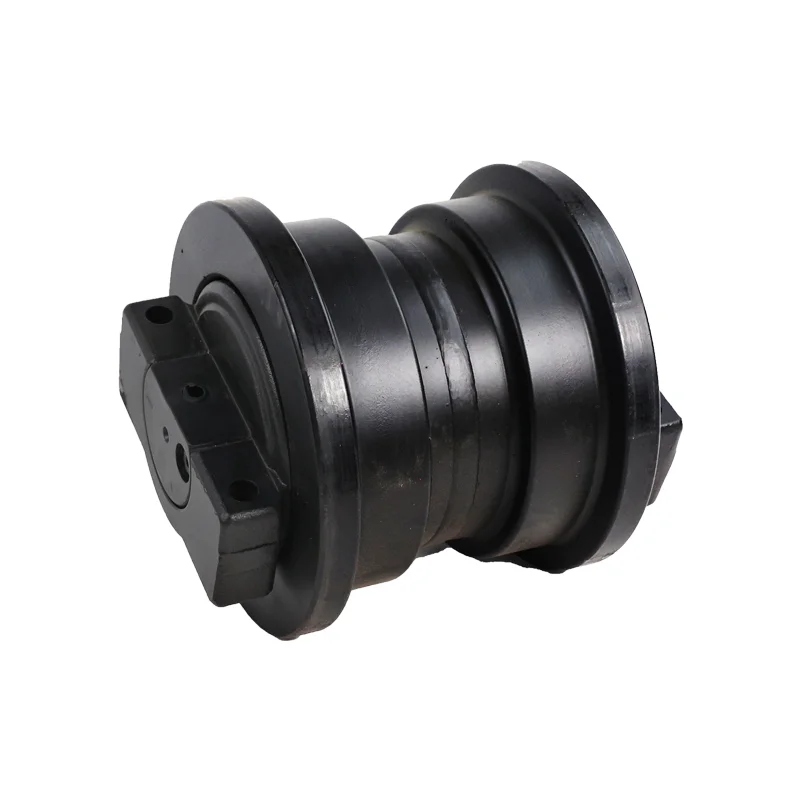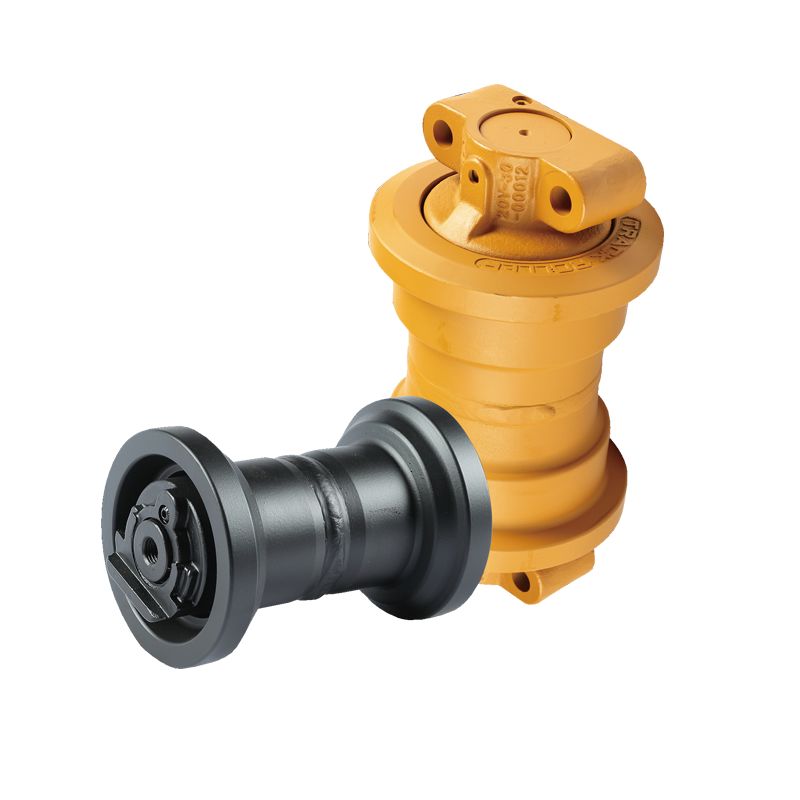
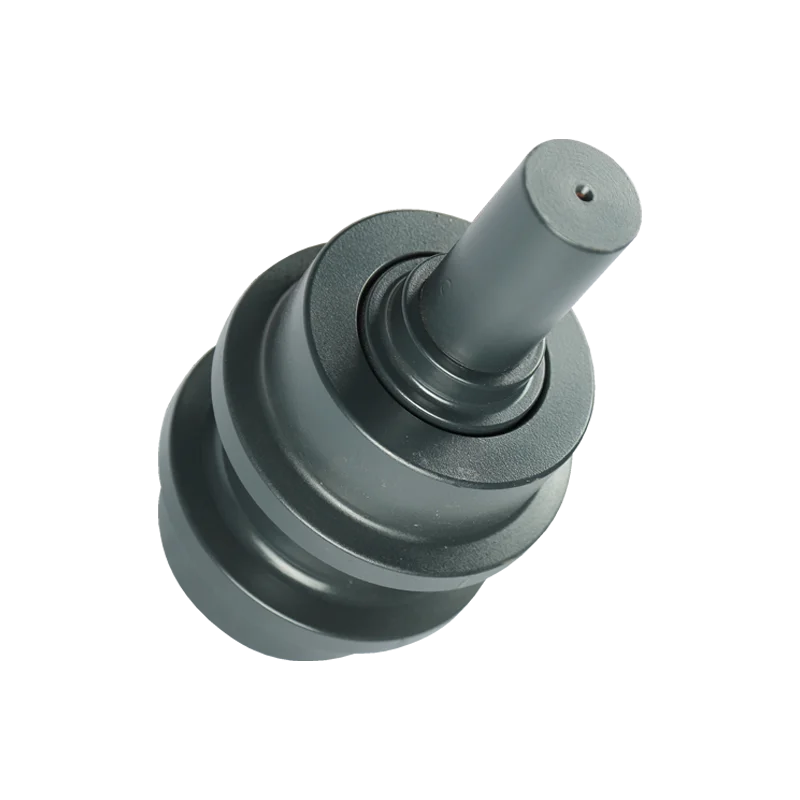
In the demanding world of heavy construction and excavation, every component of a machine's undercarriage plays a pivotal role in its overall performance, efficiency, and operational lifespan. Among these critical elements, the excavator top roller, often referred to as a carrier roller, stands out as a deceptively simple yet profoundly important part. Its primary function is to support the weight of the track chain, preventing it from sagging between the sprocket and the idler. This seemingly straightforward task is, in reality, subjected to immense pressure, constant friction, and abrasive conditions, making its quality and design paramount to avoiding costly downtime. A failing top roller can initiate a cascade of issues, from accelerating wear on other undercarriage components like track links and sprockets to significantly increasing fuel consumption due to heightened resistance. Industry data suggests that undercarriage failures, often stemming from compromised rollers, account for up to 50% of an excavator’s total maintenance costs over its lifespan, with unscheduled downtime alone costing operators an average of $500 to $1,500 per hour, depending on the machine size and project scale. Understanding the fundamental importance of a robust top roller is the first step towards safeguarding your investment and ensuring uninterrupted operational productivity.
Engineering Excellence: Unpacking the Technical Advantages of Superior Top Rollers
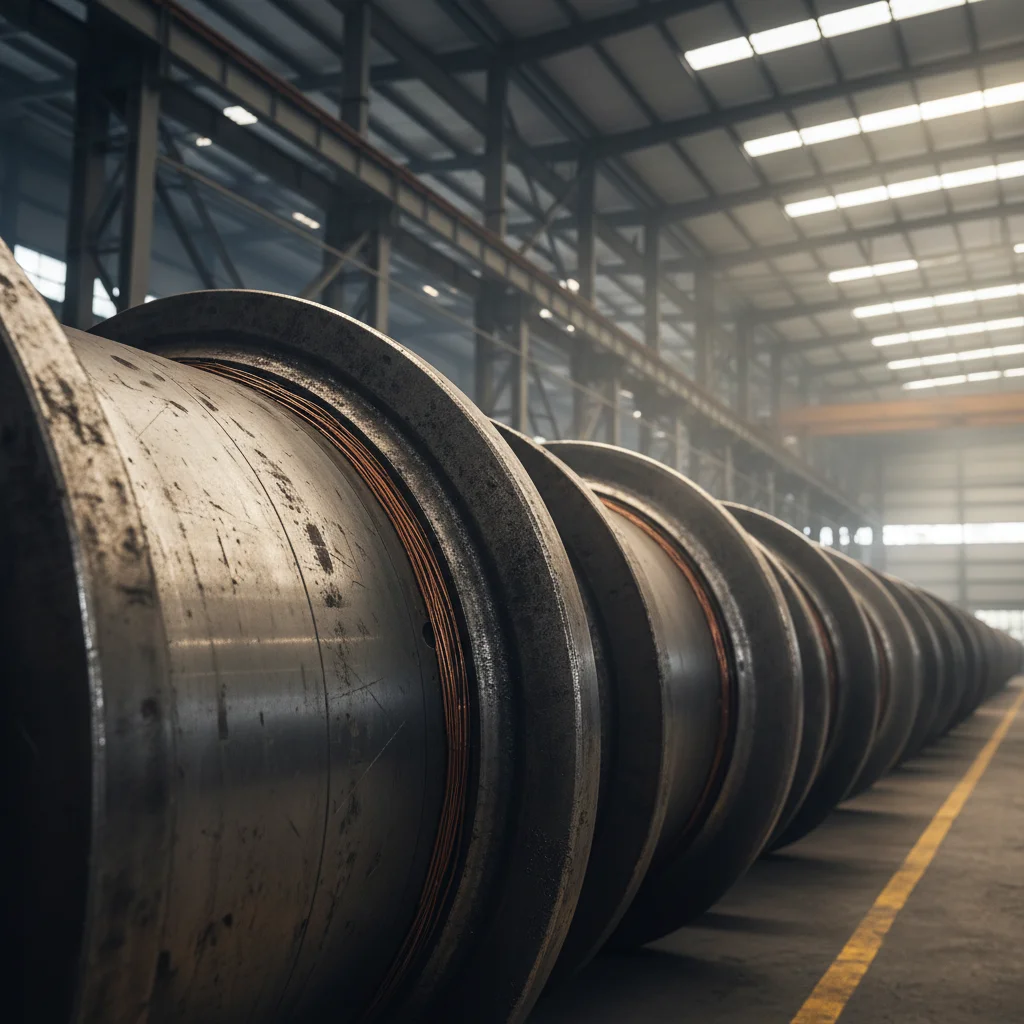
The distinction between a standard and a truly superior top roller lies deeply within its engineering and material science. High-performance top rollers are not merely cast pieces of metal; they are precision-engineered components designed to withstand extreme forces and environmental stressors. A key technical advantage comes from the material selection: premium rollers typically utilize forged steel, offering superior structural integrity and resistance to impact and abrasion compared to cast iron alternatives. This forging process aligns the grain structure of the steel, making it incredibly durable. Furthermore, advanced heat treatment processes, such as induction hardening of the roller shell and flange, create a hard-wearing surface while maintaining a tough, ductile core, preventing premature wear and cracking. The internal mechanics are equally sophisticated. Many leading manufacturers employ sealed, lubricated-for-life bearing systems, utilizing advanced seal designs (e.g., duo-cone seals) to prevent contaminant ingress and lubricant egress, drastically extending the service interval and eliminating the need for routine greasing. This contrasts sharply with older or lower-quality designs that require frequent lubrication, adding to maintenance burdens and increasing the risk of premature failure due to seal degradation. The precision machining of the roller's running surface ensures smooth track engagement, reducing friction and minimizing wear on the track links. These collective technical advantages translate directly into enhanced durability, reduced operational noise, and a substantial increase in the overall lifespan of the undercarriage system.
The Cost of Compromise: Data-Driven Insights into Top Roller Performance
When it comes to top rollers, prioritizing initial purchase price over long-term performance is a common pitfall that can lead to significant financial repercussions. Data from extensive field tests unequivocally demonstrates that cheaper, inferior rollers contribute disproportionately to operational expenses. For instance, studies have shown that machines equipped with sub-standard top rollers can experience up to a 10-15% increase in fuel consumption due to heightened rolling resistance caused by worn bearings or irregular roller surfaces. This seemingly minor increase compounds dramatically over thousands of operating hours. Moreover, premature wear of top rollers directly accelerates the wear rates of adjacent undercarriage components. A single failing roller can cause uneven track sag, leading to increased stress and accelerated wear on track links, bushings, and sprockets. Replacement costs for a complete set of tracks and sprockets can easily exceed tens of thousands of dollars, dwarfing the initial savings from a cheap set of rollers. Consider a scenario where a high-quality top roller offers a lifespan of 8,000 operational hours, while a budget alternative lasts only 3,000 hours. Over 24,000 hours of machine operation, you would need to replace the budget rollers eight times compared to just three times for the premium option. Factoring in parts, labor, and crucially, the associated downtime for each replacement, the lifetime cost of the budget option often escalates to 2-3 times that of the quality alternative. Investing in premium top rollers is not an expenditure; it is a strategic investment in minimizing overall operational expenditure and maximizing uptime.
Navigating the Market: A Comparative Analysis of Leading Top Roller Manufacturers
The market for top rollers is diverse, with numerous manufacturers offering a range of products designed for various excavator models and operating conditions. Choosing the right supplier requires careful consideration of several key factors beyond just price. Reputation, material quality, manufacturing processes, and warranty coverage all contribute to the long-term value of a top roller. Below is a comparative overview, illustrating how different attributes can impact performance and longevity. This table provides a simplified, illustrative comparison to highlight critical decision-making points.
Feature/Manufacturer | Manufacturer A (Premium) | Manufacturer B (Mid-Range) | Manufacturer C (Economy) |
Material Quality | High-strength Forged Steel (e.g., 40CrMnSi) | High-quality Cast Steel (e.g., 35CrMn) | Standard Cast Iron or Low-grade Steel |
Heat Treatment | Advanced Induction Hardening (Deep Case) | Standard Induction Hardening (Moderate Case) | Basic Surface Hardening or None |
Bearing Type | Sealed, Lubricated-for-Life Tapered Roller Bearings | Sealed Ball Bearings or Bushings | Unsealed Bushings or Basic Ball Bearings |
Seal Technology | Double Duo-Cone Seals (High Contaminant Resistance) | Standard Duo-Cone Seals | Lip Seals or Basic Gaskets |
Flange Design | Robust, Thickened, Precision-Machined Flanges | Standard Thickness, Good Finish | Thinner, Less Precision Machined |
Warranty Period | 24 Months / 3000 Hours (Comprehensive) | 12 Months / 1500 Hours (Limited) | 6 Months / 500 Hours (Basic) |
Expected Lifespan (Avg.) | 7,000 - 9,000 Hours | 4,000 - 6,000 Hours | 1,000 - 3,000 Hours |
While Manufacturer C might offer the lowest initial price, the significantly reduced lifespan and basic features inevitably lead to higher long-term operational costs due to frequent replacements and increased risk of collateral damage to other undercarriage components. Manufacturer A, despite a higher upfront cost, delivers superior durability, extended service intervals, and significantly reduced total cost of ownership over the machine's lifetime. Manufacturer B offers a balanced approach, suitable for less demanding applications or operators with tighter immediate budgets who still value a degree of reliability.
Beyond Standard: Tailored Solutions for Diverse Operational Demands
The universal “one-size-fits-all” approach rarely applies to heavy machinery components, especially in the varied and often extreme environments excavators operate in. Recognizing this, leading manufacturers offer tailored solutions for top rollers, allowing operators to optimize performance and longevity based on specific operational demands. For instance, in highly abrasive environments such as quarrying or mining operations where fine silica dust or crushed rock particles are prevalent, rollers can be specified with enhanced surface hardness through specialized coatings or deeper case hardening processes. These modifications significantly improve resistance to wear caused by abrasive material ingress and friction. Conversely, for excavators primarily operating in wet, corrosive conditions, such as dredging or coastal construction, specific material alloys with improved corrosion resistance or specialized marine-grade seals can be integrated to prevent rust and maintain bearing integrity. Heavy-duty applications, involving consistently high loads or frequent impact, may benefit from rollers with thicker shell designs and reinforced flanges to withstand greater physical stress without deformation or cracking. The ability to customize extends to bearing types as well; while sealed-for-life systems are standard, specific applications might benefit from different lubrication types or bearing geometries designed for particular speed or load profiles. Engaging with a knowledgeable supplier who can assess your specific operational profile – including soil type, climate, load cycles, and typical operating hours – is crucial. This consultative approach ensures that the top rollers selected are not just compatible with your machine but are optimally configured to excel in your unique working conditions, ultimately maximizing their lifespan and contributing to overall machine reliability.
Real-World Resilience: Application Case Studies of High-Performance Top Rollers
The theoretical advantages of superior top rollers are best understood through their demonstrated performance in real-world applications. Consider a large-scale mining operation in Western Australia, where excavators run continuously for 20+ hours a day in highly abrasive iron ore environments. A particular fleet experienced recurring downtime due to premature failure of economy-grade top rollers, often lasting only 2,500 hours. The frequent replacements, coupled with the staggering cost of lost production, prompted a shift to high-performance, forged steel top rollers with advanced deep induction hardening and double duo-cone seals. After implementing this change across 15 machines, the average lifespan of the top rollers extended to over 8,000 hours, resulting in an estimated 65% reduction in roller replacement frequency and a conservative 15% improvement in overall undercarriage component life due to better track support. In another instance, a coastal construction project in Northern Europe faced severe corrosion issues. Standard top rollers showed significant rust and seal degradation within 12 months. By switching to rollers featuring specialized corrosion-resistant alloys and marine-grade sealing systems, the project managers reported a doubling of roller lifespan, significantly reducing maintenance interventions and associated costs in a challenging saltwater environment. Finally, a logging company in the Pacific Northwest, operating excavators on steep, uneven terrain with frequent impacts from debris, previously struggled with roller flange deformation and shell cracking. A customized solution involving thicker-shelled, reinforced-flange top rollers, designed for high impact resistance, not only eliminated premature failures but also led to a noticeable reduction in track de-tracking incidents, improving safety and operational continuity. These cases underscore that while initial investment might be higher, the long-term gains in uptime, reduced maintenance, and overall operational efficiency are undeniable.
Maximizing Investment: Proactive Maintenance and the Enduring Value of Quality Excavator Top Rollers
The lifespan and efficiency of an undercarriage are directly tied to the health of each component, with the excavator top roller playing a foundational role. While investing in premium, technically superior top rollers is paramount, their enduring value is further amplified through diligent maintenance practices. Regular visual inspections are crucial: check for excessive wear on the roller shell, damage to flanges, and signs of oil leaks around the seals – even with 'lubricated-for-life' systems, external damage can compromise sealing. Monitoring track tension is equally vital; overly tight tracks impose undue stress on all undercarriage components, including the top rollers, while excessively loose tracks can cause the rollers to wear unevenly and increase the likelihood of de-tracking. Promptly addressing any minor issues, such as replacing a worn roller before it compromises adjacent components, prevents a domino effect of expensive repairs. Furthermore, proper machine operation, avoiding unnecessary harsh maneuvers and ensuring the machine is regularly cleaned of abrasive debris, significantly extends the life of the entire undercarriage system. Ultimately, the cumulative effect of high-quality components and meticulous maintenance translates into substantial savings over the operational life of an excavator. By prioritizing the quality of your top rollers and adhering to a proactive maintenance schedule, you not only minimize unscheduled downtime and mitigate repair costs but also safeguard the performance and resale value of your heavy equipment, ensuring your investment continues to deliver maximum productivity in the most demanding conditions.
Frequently Asked Questions about Excavator Top Rollers
Here are some professional FAQs regarding excavator top rollers:
1. What is the primary function of an excavator top roller?
The primary function of an excavator top roller (or carrier roller) is to support the weight of the track chain, preventing it from sagging between the drive sprocket and the idler. This ensures proper track tension, reduces vibration, and guides the track smoothly, minimizing wear on other undercarriage components.
2. What are the key indicators of a worn excavator top roller?
Key indicators include visible wear on the roller shell and flanges (becoming concave or knife-edged), excessive free play or wobbling, oil leakage from the seals, unusual noises (grinding or squealing), and increased track sag.
3. How often should excavator top rollers be inspected?
Top rollers should be inspected daily during pre-operation checks and thoroughly assessed during routine undercarriage maintenance intervals, typically every 250-500 operating hours, depending on the machine’s usage and environmental conditions.
4. What material is typically used for high-quality excavator top rollers?
High-quality top rollers are typically made from high-strength forged steel (e.g., 40CrMnSi alloy steel) that undergoes advanced heat treatment processes like induction hardening to create a durable, wear-resistant surface while maintaining a tough core.
5. Can a failing top roller affect other undercarriage components?
Absolutely. A failing top roller can lead to uneven track sag, increased friction, and misalignment, accelerating wear on track links, bushings, sprockets, and even idlers. This cascading effect significantly increases overall undercarriage maintenance costs.
6. What is "lubricated for life" regarding top rollers, and what are its benefits?
"Lubricated for life" refers to a design where the roller's internal bearings are permanently sealed with lubricant at the factory. This eliminates the need for routine greasing, reduces maintenance time and costs, and prevents contamination of the bearings, significantly extending the roller's operational lifespan.
7. How does operating environment impact top roller lifespan?
Operating environments significantly impact lifespan. Abrasive conditions (sand, gravel, rock) accelerate shell wear. Wet, corrosive environments (marine, acidic soils) can degrade seals and induce rust. High-impact operations (demolition, heavy quarrying) can lead to structural damage and flange deformation. Selecting rollers optimized for specific environments is crucial.
Post time: Nov-19-2025