Understanding Rubber Idler Rollers: A Comprehensive Guide
Rubber idler rollers are essential components in a wide array of industrial applications, from conveyor systems to manufacturing processes. These seemingly simple parts play a critical role in ensuring smooth, efficient, and reliable operation. This article will provide a detailed overview of rubber idler rollers, covering their function, types, applications, maintenance, and factors to consider when selecting the right roller for your specific needs. Whether you're involved in materials handling, logistics, or manufacturing, understanding these rollers is crucial for optimizing your operations. You can explore a wide range of quality idler rollers at Crafts-Mfg.com.
What are Rubber Idler Rollers and How Do They Work?
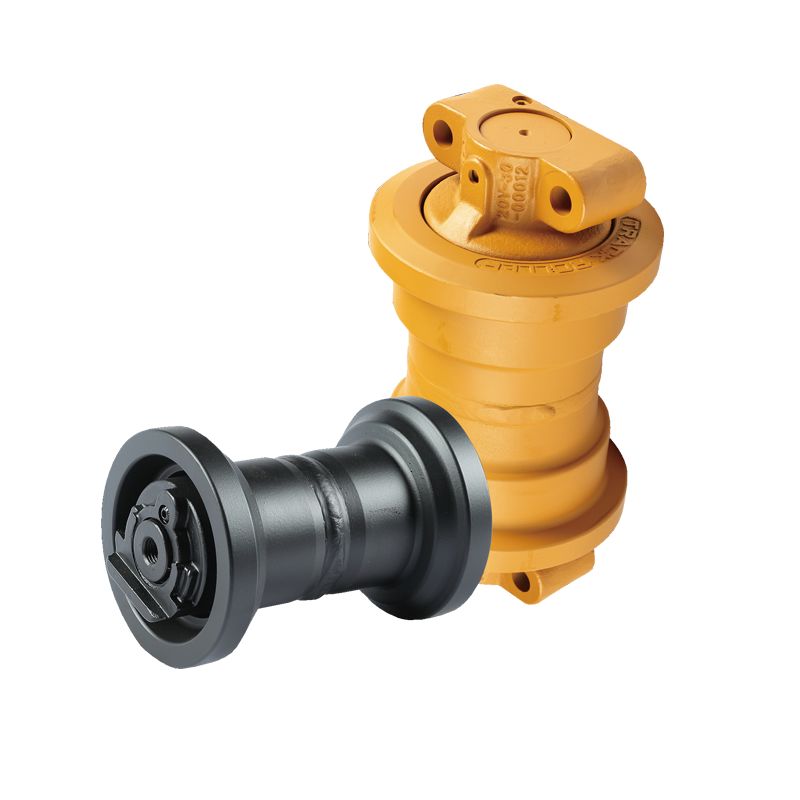
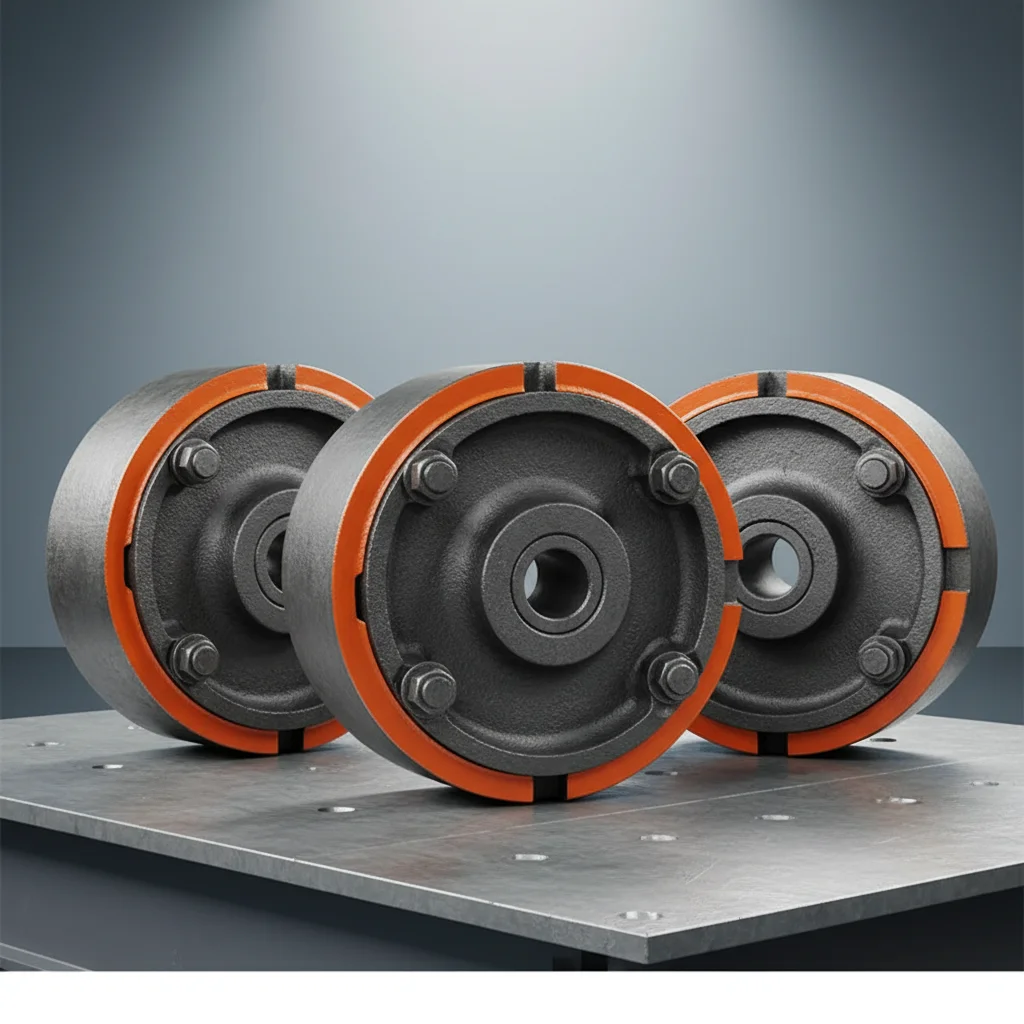
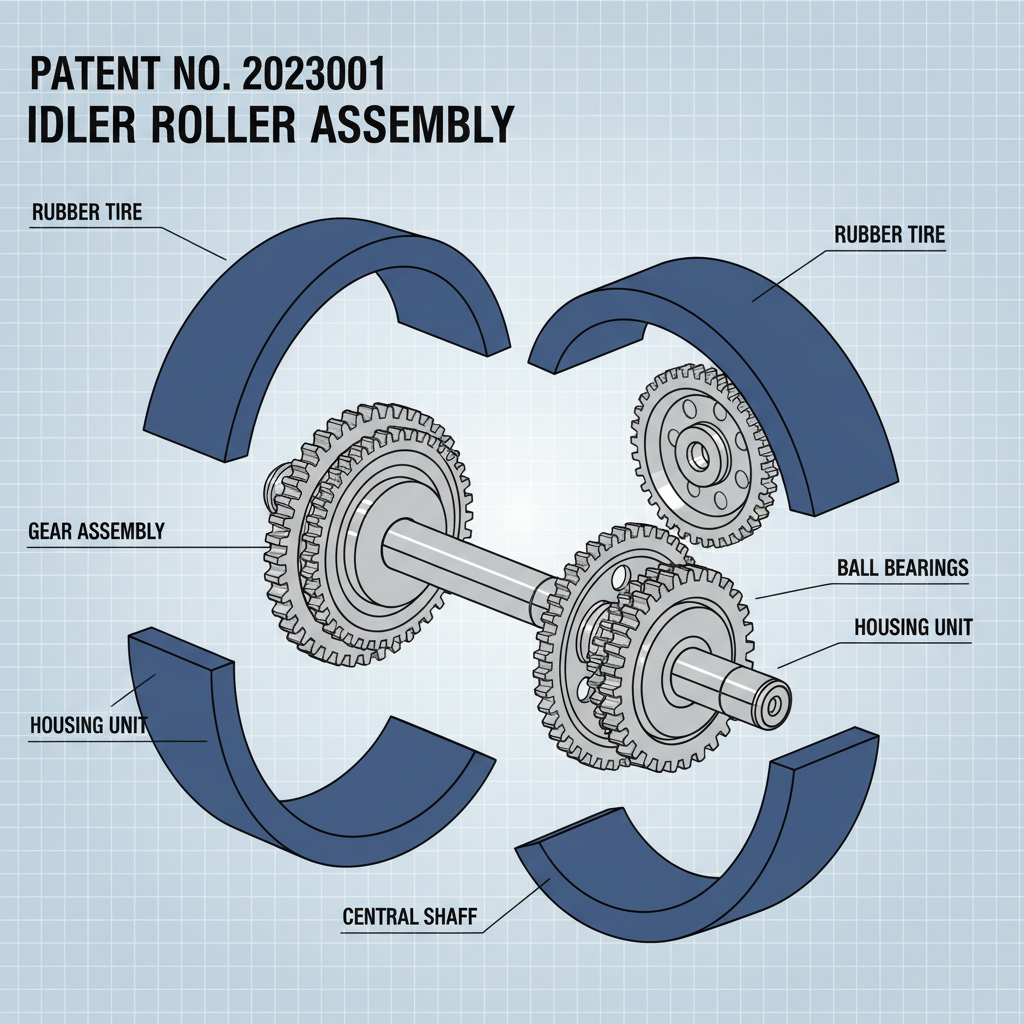
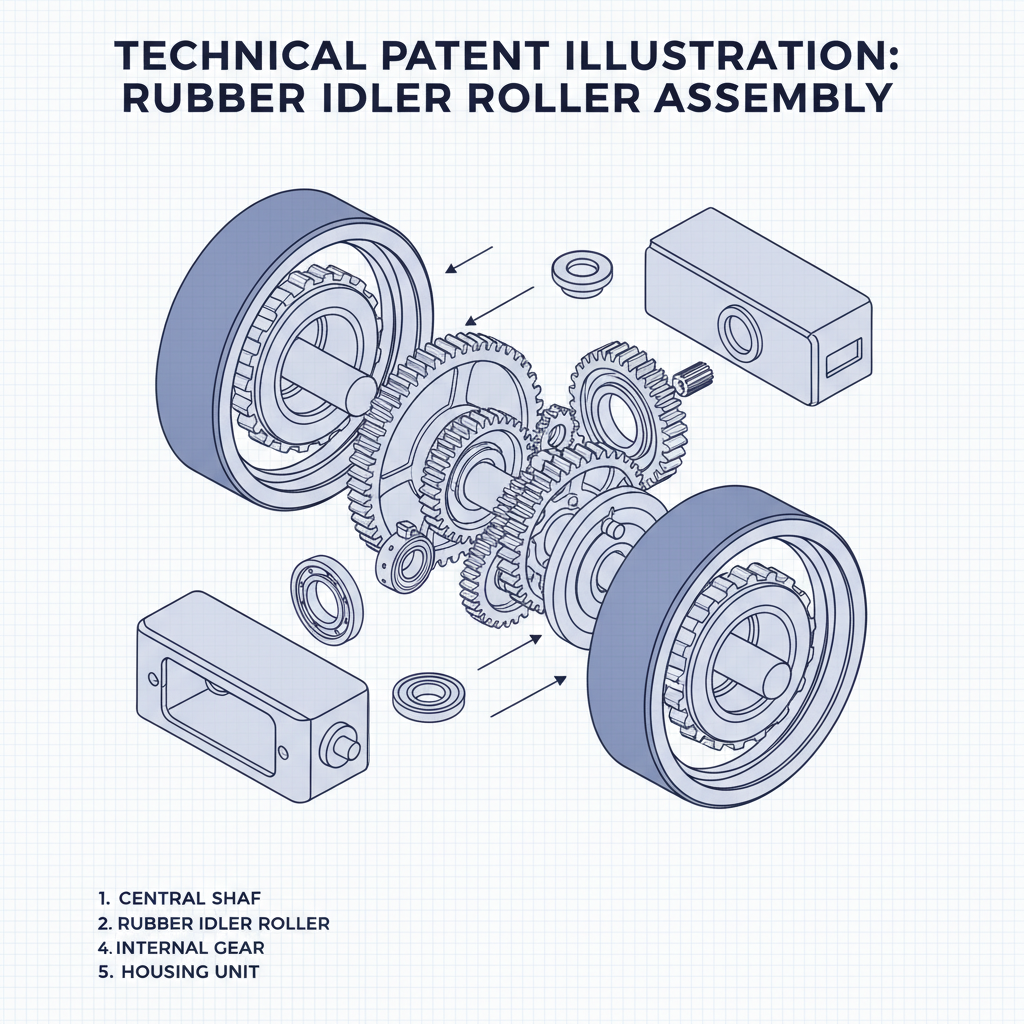
Rubber idler rollers, also known as conveyor rollers or simply rollers, are cylindrical components designed to support and guide conveyor belts. They are strategically placed along the length of the conveyor system to maintain belt tension, prevent sagging, and facilitate the smooth movement of materials. The rubber covering provides friction, enabling the belt to move without slipping. They work by reducing the friction between the belt and the conveyor frame, thereby minimizing wear and tear and extending the lifespan of both the belt and the system.
Key Benefit: Reducing friction, preventing belt slippage, and extending the life of conveyor components.
Types of Rubber Idler Rollers
Rubber idler rollers come in various types, each suited for specific applications. Understanding these differences is vital for optimal performance. Common types include:
- Wing Idler Rollers: Designed to center the belt and prevent it from wandering.
- Return Idler Rollers: Support the returning strand of the belt, reducing sag.
- Training Idler Rollers: Used to adjust the belt’s direction and maintain proper tracking.
- Bend Idler Rollers: Designed for use on curved conveyor sections.
- Impact Idler Rollers: Feature a more robust construction to withstand heavy loads and impacts.
The selection of the appropriate roller type depends on factors like belt width, load capacity, and the conveyor system's layout.
Applications of Rubber Idler Rollers
Rubber idler rollers are used across a remarkably diverse range of industries. Here are some key applications:
- Mining & Aggregates: Handling heavy materials like ore, coal, and gravel.
- Logistics & Warehousing: Moving packages and goods within distribution centers.
- Manufacturing: Transporting components and finished products during production processes.
- Agriculture: Conveying harvested crops and agricultural materials.
- Food Processing: Handling food products in a hygienic and efficient manner.
The versatility of these rollers makes them indispensable for any operation involving the movement of materials.
Industry Applications at a Glance:
• Mining & Aggregates
• Logistics & Warehousing
• Manufacturing
• Agriculture
Selecting the Right Rubber Idler Roller: Key Considerations
Choosing the correct rubber idler roller is crucial for maximizing efficiency and minimizing downtime. Here's a breakdown of key factors to consider:
Maintenance and Extending the Lifespan of Your Idler Rollers
Regular maintenance is essential for maximizing the lifespan and performance of your rubber idler rollers. This includes:
- Visual Inspections: Regularly check for wear, damage, and misalignment.
- Lubrication: Keep bearings properly lubricated to reduce friction and prevent seizing.
- Cleaning: Remove any accumulated debris or material buildup.
- Alignment Checks: Ensure rollers are properly aligned to prevent belt tracking issues.
Proactive maintenance can significantly reduce the risk of costly downtime and extend the service life of your conveyor system. At Crafts-Mfg.com, we offer high-quality rollers designed for long-lasting performance.
Conclusion: Investing in Quality Rubber Idler Rollers
Investing in high-quality rubber idler rollers from a reputable supplier is a smart decision that can yield significant benefits. By carefully considering your application requirements, selecting the appropriate roller type, and implementing a proactive maintenance program, you can optimize your conveyor system's performance, reduce downtime, and improve overall operational efficiency. Don't compromise on quality – choose rollers that are built to last.
Frequently Asked Questions (FAQs)
What is the typical lifespan of a rubber idler roller?
The lifespan of a rubber idler roller varies significantly based on operating conditions, load, and maintenance practices. Generally, a well-maintained roller can last between 2 to 5 years. However, factors such as abrasive materials, high temperatures, and improper lubrication can shorten its lifespan. Regular inspections and proactive maintenance, including cleaning and lubrication, are key to maximizing longevity. Replacing rollers when they show signs of wear, such as cracks, uneven wear, or bearing failure, is crucial for preventing downtime and ensuring safe operation.
What rubber compounds are commonly used in idler rollers?
Several rubber compounds are used in idler rollers, each offering specific properties. Natural rubber is known for its high resilience and abrasion resistance, making it suitable for general-purpose applications. Synthetic rubbers, such as EPDM, SBR, and NBR, are used for applications requiring resistance to oil, chemicals, or extreme temperatures. The choice of rubber compound depends on the specific materials being conveyed and the operating environment. At Crafts-Mfg.com, we offer rollers with various rubber compounds to meet diverse application needs.
How can I prevent belt misalignment caused by idler rollers?
Belt misalignment can be caused by several factors related to idler rollers. Ensuring proper roller alignment is crucial. Regularly check that all rollers are perpendicular to the belt's direction of travel. Also, verify that the rollers are clean and free of material buildup, which can cause tracking issues. Using wing idler rollers strategically can help center the belt and prevent wandering. Finally, maintaining proper belt tension is essential for preventing misalignment.
Are rubber idler rollers recyclable?
The recyclability of rubber idler rollers depends on the specific rubber compound and the presence of metal components. While not all rubber compounds are easily recyclable, some recycling programs accept rubber materials. The metal components, such as bearings and shafts, are typically recyclable. Contacting local recycling facilities or rubber recycling specialists is recommended to determine the best disposal options for worn-out rollers. Exploring sustainable options like repurposing or responsible disposal contributes to environmental conservation.
Post time: Feb-02-2026