Rollers and Idlers: A Comprehensive Guide
In the world of conveyor systems, rollers and idlers are fundamental components responsible for efficient material handling. They play a crucial role in reducing friction, supporting the belt, and ensuring smooth operation. Choosing the right rollers and idlers is critical for maximizing conveyor efficiency, minimizing downtime, and extending the life of the system. At Crafts-Mfg, we specialize in providing high-quality rollers and idlers tailored to diverse industrial needs. This article will explore the different types, applications, and key considerations for selecting the best rollers and idlers for your specific application.
Understanding the Different Types of Rollers
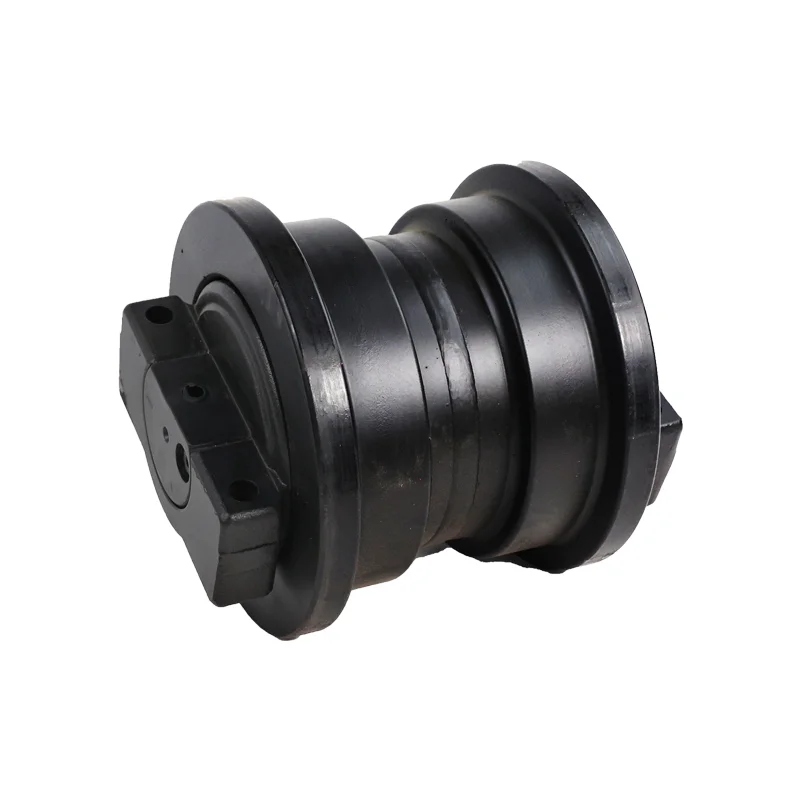
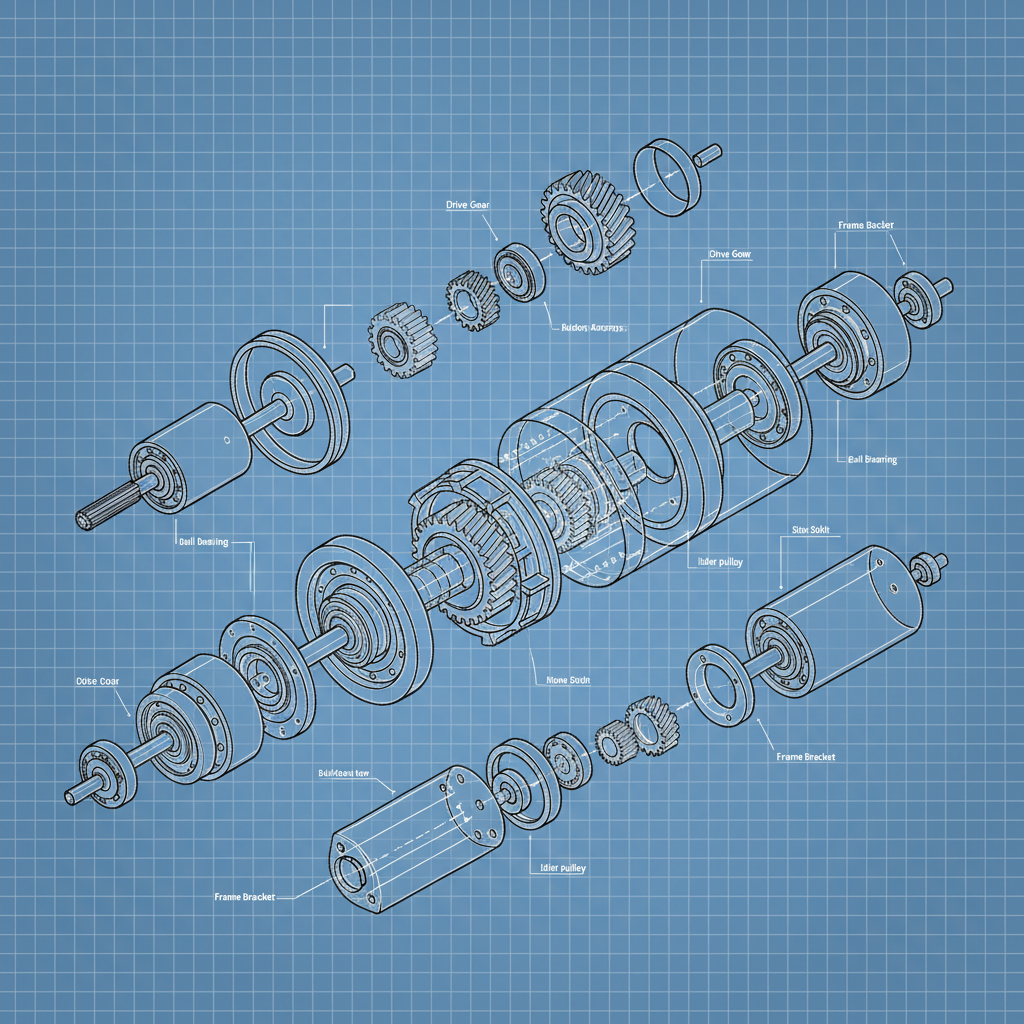
Rollers come in various designs, each suited for specific conveyor applications. Powered rollers are driven by a motor and actively move the belt, while gravity rollers rely on the weight of the conveyed material to initiate movement. Within these categories, you'll find further distinctions like:
- Steel Rollers: Durable and ideal for heavy loads.
- PVC Rollers: Lightweight and suitable for lighter materials and quieter operation.
- Rubber Rollers: Provide excellent grip and are often used for inclined conveyors.
- Polyurethane Rollers: Offer a balance of durability and grip.
Selecting the right roller material depends on the type of material being conveyed, the load weight, and the operating environment. Crafts-Mfg can help you determine the optimal roller material for your needs.
Key Takeaway: The type of roller significantly impacts conveyor performance. Choosing the correct material is essential for optimizing efficiency and minimizing wear and tear.
Idlers: Supporting and Guiding the Belt
Idlers, also known as carrier rollers or return rollers, are strategically positioned along the conveyor path to support the belt and maintain its proper alignment. They don’t actively drive the belt but are essential for preventing sagging and ensuring consistent material flow. Like rollers, idlers come in various configurations:
- Carry Idlers: Support the load-bearing strand of the belt.
- Return Idlers: Support the return strand of the belt.
- Training Idlers: Used to actively steer the belt and correct misalignments.
- Impact Idlers: Designed to absorb the impact of falling materials.
Proper idler spacing and alignment are crucial for preventing belt damage and ensuring smooth operation. Crafts-Mfg offers a wide range of idlers to meet your specific conveyor requirements.
Idler Benefits:
• Prevents belt sagging and ensures proper alignment.
• Reduces friction and extends belt life.
• Minimizes material spillage.
• Supports heavy loads.
Rollers and Idlers Comparison
Understanding the distinctions between rollers and idlers is crucial for effective conveyor system design. Here's a detailed comparison:
Applications Across Industries
Rollers and idlers are integral to a vast array of industries. In mining, they facilitate the transport of ore and minerals. Manufacturing plants utilize them for moving products along assembly lines. Logistics and warehousing rely on them for efficient package handling. Agriculture utilizes them for grain and fertilizer transport. The versatility of these components makes them essential for material handling in countless applications. Crafts-Mfg provides solutions for all of these industries.
Selecting the Right Rollers and Idlers: Key Considerations
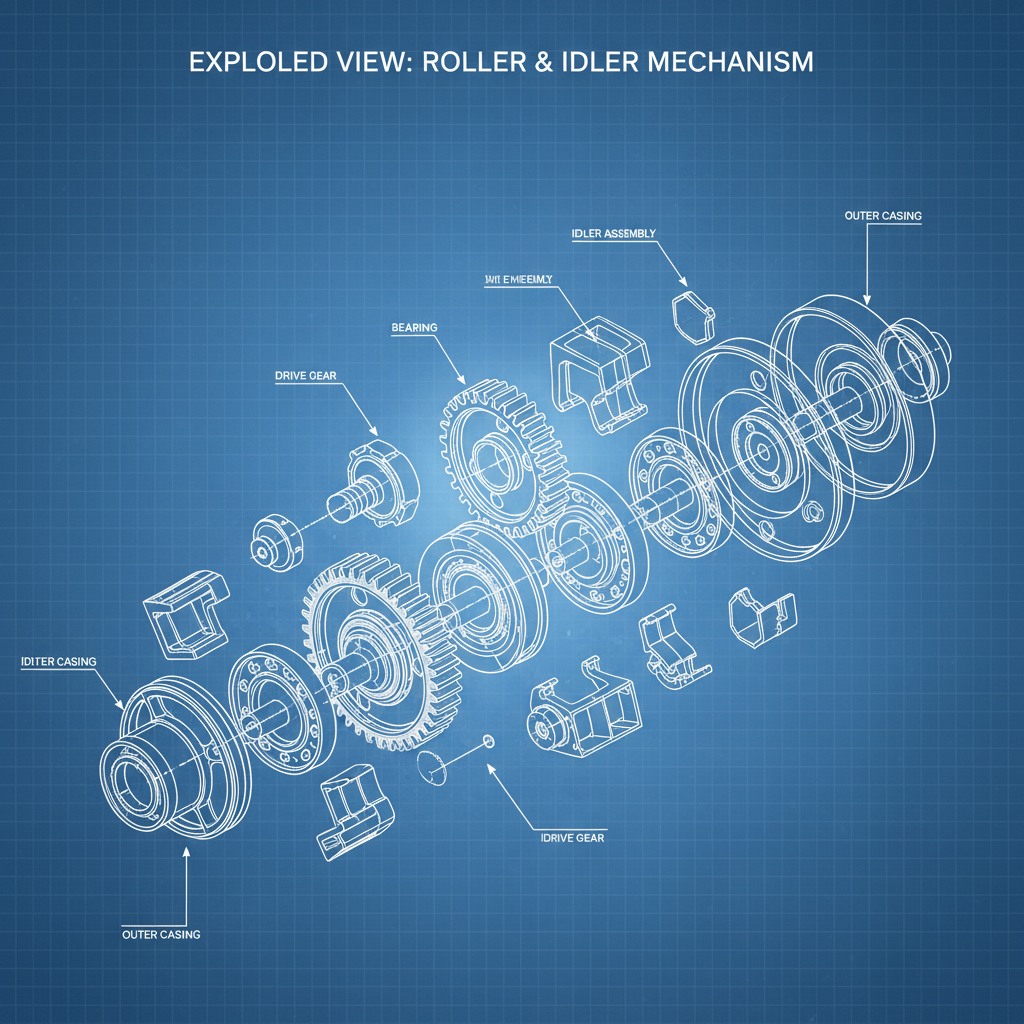
Choosing the right rollers and idlers involves considering several key factors: material type, load capacity, belt speed, operating environment, and budget. Factors like temperature, humidity, and exposure to corrosive materials must also be taken into account. It's essential to select components that are durable, reliable, and specifically designed for your application. Working with a trusted supplier like Crafts-Mfg ensures you receive expert guidance and high-quality products.
Conclusion: Optimizing Your Conveyor System with Quality Rollers and Idlers
Investing in high-quality rollers and idlers is essential for ensuring the efficient, reliable, and safe operation of your conveyor system. By carefully considering your specific application requirements and partnering with a trusted supplier, you can optimize performance, minimize downtime, and maximize the lifespan of your conveyor equipment. Don’t compromise on quality – choose Crafts-Mfg for all your roller and idler needs.
Frequently Asked Questions (FAQs)
What is the typical lifespan of industrial rollers and idlers?
The lifespan of rollers and idlers varies significantly depending on operating conditions, load, material conveyed, and maintenance practices. Generally, well-maintained rollers and idlers can last between 5 to 10 years. However, in harsh environments with abrasive materials or heavy loads, they may require replacement sooner. Regular inspection for wear, damage to seals, and bearing lubrication is crucial to extend their service life. At Crafts-Mfg, we offer durable rollers and idlers designed to withstand demanding applications.
How often should I inspect my conveyor rollers and idlers?
Regular inspection is key to preventing costly breakdowns. We recommend performing a visual inspection at least monthly, focusing on signs of wear, damage, or misalignment. Check bearings for smooth operation and lubrication. Look for cracks, dents, or corrosion on the rollers and idlers. Also, verify proper alignment and tension of the conveyor belt. More frequent inspections (weekly) are advised for heavily loaded or continuously operating systems.
What materials are best suited for rollers and idlers in corrosive environments?
For corrosive environments, stainless steel rollers and idlers are the most recommended option due to their excellent resistance to corrosion. Alternatively, rollers and idlers with specialized coatings, such as epoxy or polyurethane, can provide added protection against corrosive substances. The specific material selection depends on the type and concentration of the corrosive agents present. Crafts-Mfg offers a range of corrosion-resistant rollers and idlers designed for challenging environments.
Post time: Feb-02-2026