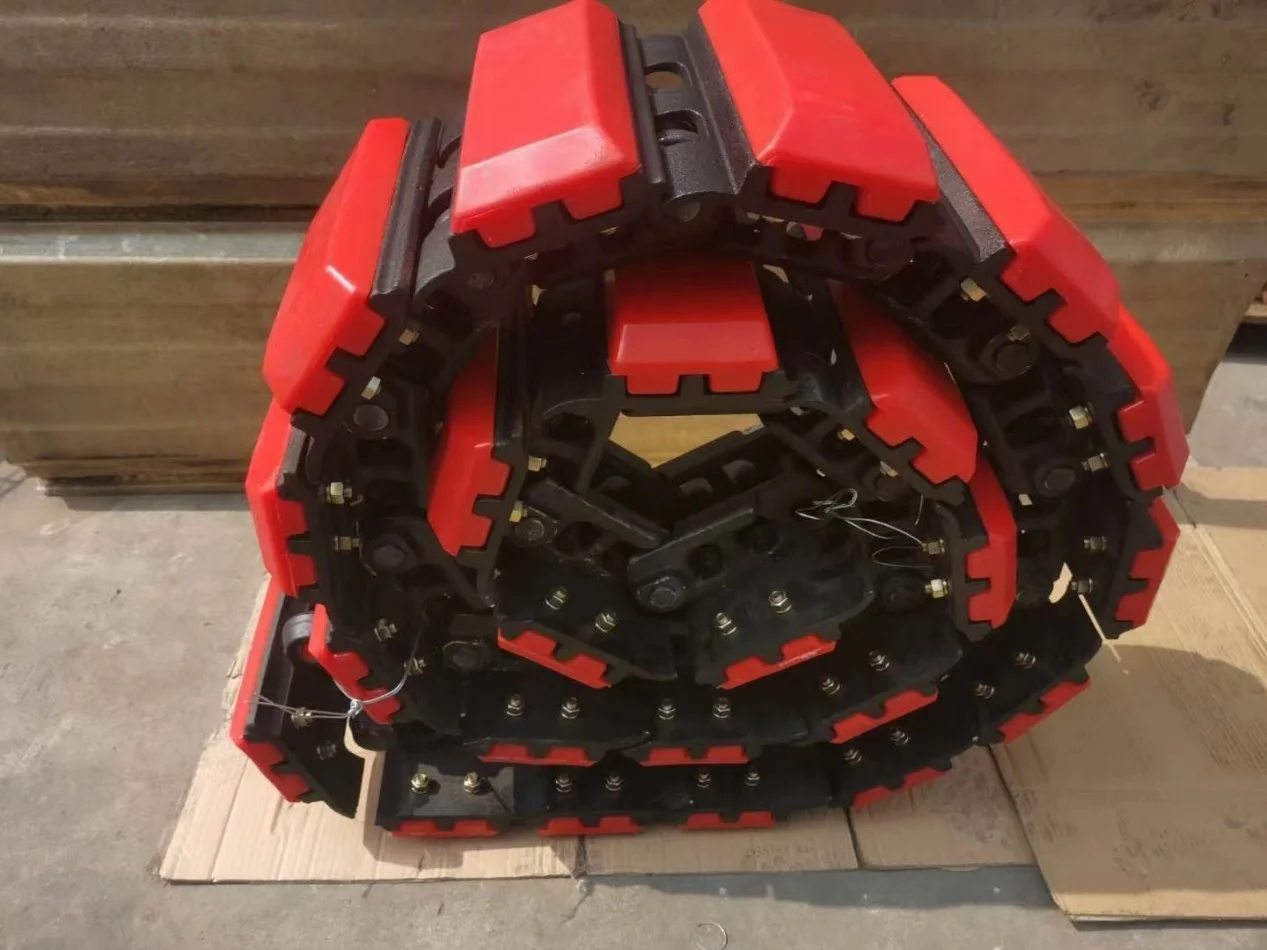
In the demanding world of heavy machinery, the choice of components profoundly impacts operational efficiency, longevity, and overall cost-effectiveness. Among these critical elements, track pads stand out as vital for mobile equipment traversing diverse terrains. Traditionally, rubber and steel track pads have served this purpose, each with inherent limitations. However, a revolutionary alternative has steadily gained prominence: polyurethane track pads. Engineered from advanced polymer compounds, these pads represent a significant leap forward, offering a compelling blend of resilience, performance, and environmental consideration. They are not merely an alternative but a superior solution designed to address the multifaceted challenges faced by industries such as construction, agriculture, mining, and defense. The inherent properties of polyurethane – its remarkable elasticity, exceptional abrasion resistance, and robust load-bearing capacity – make it an ideal material for applications requiring both durability and surface protection. Unlike their metallic counterparts, polyurethane pads minimize damage to finished surfaces, such as asphalt or concrete, while also significantly reducing noise and vibration during operation. This dual benefit of protecting both the machinery and the working environment positions polyurethane track pads as a cornerstone technology for modern, responsible heavy equipment operation. This in-depth exploration will delve into the technical advantages, economic benefits, customization potential, and real-world applications of these innovative components, demonstrating why they are rapidly becoming the preferred choice for discerning operators and manufacturers worldwide.
Unpacking the Technical Superiority and Durability
The technical superiority of polyurethane track pads stems directly from the unique molecular structure and processing capabilities of polyurethane. Unlike traditional materials, polyurethane can be engineered to possess a wide spectrum of physical properties, making it incredibly versatile. Key technical advantages include:
· Exceptional Abrasion Resistance: Polyurethane exhibits superior resistance to cutting, tearing, and wear from abrasive surfaces like gravel, rock, and sand. This translates directly to a significantly longer lifespan compared to rubber, which is more prone to degradation from friction and environmental exposure. In laboratory simulations, certain high-grade polyurethane compounds demonstrate a wear rate up to 5 times lower than conventional rubber under identical abrasive conditions.
· High Tensile and Tear Strength: These pads can withstand substantial pulling and shearing forces without deforming or failing. This robustness ensures that the pads remain securely attached and intact even under extreme operational stresses, reducing the risk of costly downtime due to pad detachment or breakage.
· Excellent Load-Bearing Capacity: Despite their lighter weight, polyurethane track pads offer impressive load-bearing capabilities. They distribute the weight of heavy machinery more effectively across the track, reducing localized stress points on the track system and enhancing stability. This characteristic also contributes to preventing damage to delicate surfaces.
· Chemical and Oil Resistance: Polyurethane is inherently resistant to a broad range of chemicals, oils, greases, and solvents commonly encountered in industrial environments. This chemical inertness prevents material degradation, swelling, or softening, which can be significant issues for rubber in corrosive settings.
· Vibration and Noise Reduction: The viscoelastic nature of polyurethane allows it to absorb and dampen vibrations and noise more effectively than steel or hard rubber. This not only enhances operator comfort but also reduces mechanical stress on the machinery, potentially extending the life of other components and complying with increasingly stringent noise regulations in urban construction sites.
· Temperature Stability: High-performance polyurethane formulations maintain their mechanical properties across a wide temperature range, from extreme cold to significant heat. This ensures consistent performance in diverse global operating conditions, unlike some rubber compounds that can become brittle in cold or soften in heat.
· Non-Marking Properties: A crucial benefit for construction on finished surfaces, polyurethane pads leave virtually no marks or scuffs on asphalt, concrete, pavers, or turf, eliminating the need for costly remediation work after machinery passes. This characteristic alone can save project managers significant time and expense.
These combined attributes position polyurethane as a material of choice, offering a compelling blend of protection, performance, and longevity that traditional materials simply cannot match across various demanding applications.
Quantifying the Impact: Performance Metrics and ROI
The transition to polyurethane track pads is not just about technical superiority; it's a strategic investment that delivers measurable financial and operational returns. Data-driven insights consistently highlight significant improvements across several key performance indicators (KPIs), translating directly into a compelling return on investment (ROI) for equipment owners and operators. Here's a look at the quantifiable impact:
· Extended Lifespan: Studies have shown that polyurethane track pads can last 2 to 4 times longer than conventional rubber pads, and significantly outlast steel pads in non-abrasive applications where surface protection is paramount. This drastic increase in longevity directly reduces the frequency of replacements.
· Reduced Maintenance Costs: With prolonged lifespan comes a direct reduction in maintenance expenditures. Equipment requiring pad replacement only once every 12-18 months, compared to quarterly or bi-annually for rubber, can see a 30-50% decrease in material costs over a five-year operational period. Furthermore, the robust nature of polyurethane means fewer instances of unexpected pad failure, reducing emergency repair costs and labor hours.
· Minimized Downtime: Fewer replacements and greater durability directly correlate with less unscheduled downtime. An average heavy machinery operation can experience downtime costs ranging from hundreds to thousands of dollars per hour, depending on the equipment and project. By reducing track pad related downtime by as much as 20-30% annually, operations can achieve higher productivity rates and meet project deadlines more consistently.
· Enhanced Fuel Efficiency: The lighter weight of polyurethane compared to steel, combined with optimized traction, can contribute to a marginal but noticeable improvement in fuel efficiency. While challenging to quantify precisely for every scenario, operators report a 2-5% reduction in fuel consumption on average due to less overall drag and lighter track systems. Over the lifespan of a large fleet, this accumulates into substantial savings.
· Protection of Infrastructure: Perhaps one of the most significant, yet often overlooked, financial impacts is the protection of expensive finished surfaces. By preventing damage to asphalt roads, concrete slabs, airport runways, or pristine agricultural fields, polyurethane pads eliminate costly repair and remediation expenses, which can easily run into thousands or even tens of thousands of dollars per project. One municipal paving contractor reported saving an estimated $15,000 to $20,000 annually in surface repair costs after switching their fleet to polyurethane pads.
· Improved Safety and Operator Comfort: While harder to quantify monetarily, reduced vibration and noise contribute to a safer and more comfortable working environment. This can lead to increased operator morale, reduced fatigue, and potentially lower rates of workplace injuries, all of which have indirect financial benefits through higher productivity and lower insurance claims.
By offering superior longevity, reduced maintenance, minimized downtime, and significant protection for expensive infrastructure, polyurethane track pads present a compelling value proposition, ensuring a robust return on investment for any heavy equipment operation.
Navigating the Market: A Comparative Analysis of Manufacturers
Choosing the right manufacturer for polyurethane track pads is as critical as deciding on the material itself. The market is populated by various suppliers, each offering different levels of product quality, material formulations, customization options, and customer support. A careful comparative analysis is essential to ensure that the chosen pads meet specific operational demands and provide the anticipated long-term value. Key factors to consider include the quality of the polyurethane compound, manufacturing precision, attachment mechanisms, and the manufacturer's reputation for innovation and service. Below is a comparative table illustrating typical differences you might find when evaluating potential suppliers, based on common industry offerings and hypothetical distinctions:
Feature/Attribute | Manufacturer A (Premium/Specialized) | Manufacturer B (Mid-Range/Versatile) | Manufacturer C (Budget/Standard) |
Polyurethane Compound Quality | Proprietary, high-grade virgin polymers, optimized for extreme abrasion/tear resistance. | Good quality, often a blend of virgin and recycled, balanced for general use. | Standard industrial grade, may have lower virgin content, less optimized. |
Durability & Lifespan Expectancy | Exceptional; 3-4x standard rubber. Proven field longevity. | Very Good; 2-3x standard rubber. Reliable performance. | Good; 1.5-2x standard rubber. Acceptable for lighter duty. |
Customization Options | Extensive: custom sizes, durometers, specialized compounds (e.g., fire-retardant, anti-static), bespoke attachment designs. | Moderate: standard sizes, few durometer options, limited compound variations. | Limited: stock sizes and durometers only. |
Attachment Mechanism Quality | High-strength steel, precision-machined, often patented quick-release/secure systems. | Standard steel, reliable bolt-on or clip-on. | Basic bolt-on, may use lower grade fasteners. |
R&D and Innovation | Strong emphasis on material science and engineering; frequent product enhancements. | Moderate investment; focus on improving existing lines. | Minimal R&D; primarily reproduces existing designs. |
Technical Support & Warranty | Comprehensive; expert consultation, extended warranties, on-site support. | Standard; product support, limited warranty. | Basic; no-frills support, standard warranty. |
Price Point | Higher initial investment, but exceptional long-term value. | Competitive, offering good balance of cost and performance. | Lowest initial cost, potentially higher long-term replacement costs. |
When selecting a manufacturer, it’s crucial to match the supplier's capabilities with your specific application requirements. For highly specialized or demanding operations, investing in a premium manufacturer often yields the best long-term ROI through superior durability and reduced operational overhead. For general-purpose tasks, a mid-range supplier might offer an adequate balance of cost and performance. Always consider the total cost of ownership, not just the upfront purchase price, when making your decision.
Tailored Solutions: Customization for Specialized Applications
One of the most compelling advantages of polyurethane track pads, especially when working with reputable manufacturers, is the extensive scope for customization. Unlike mass-produced steel or rubber pads, polyurethane can be engineered and molded to precise specifications, allowing for highly specialized solutions that address unique operational challenges. This adaptability ensures optimal performance and longevity, even in the most demanding or unusual environments.
Customization options typically include:
1. Size and Shape: Track pads can be manufactured in virtually any dimension to fit a wide range of machinery, from compact excavators to massive bulldozers and specialized military vehicles. This includes custom widths, lengths, and lug patterns to optimize traction for specific ground conditions.
2. Durometer (Hardness): Polyurethane's hardness is measured on the Shore scale, typically Shore A or Shore D. Manufacturers can adjust the durometer to achieve desired properties. Softer pads (lower durometer) offer superior grip on delicate surfaces and excellent vibration dampening, ideal for urban construction or turf protection. Harder pads (higher durometer) provide enhanced abrasion resistance and load-bearing capacity, suitable for rugged, abrasive terrains like mining sites or demolition work.
3. Compound Formulations: Beyond basic hardness, the chemical formulation of the polyurethane can be precisely altered to enhance specific properties. This includes compounds for:
o Extreme Temperature Resistance: Formulations that perform exceptionally well in sub-zero Arctic conditions or scorching desert heat without degradation.
o Enhanced Chemical Resistance: Pads designed to withstand prolonged exposure to specific corrosive chemicals, oils, or fuels prevalent in industrial or hazardous waste environments.
o Anti-Static Properties: Essential for operations in explosive atmospheres, such as petrochemical plants or grain silos, where static electricity buildup poses a risk.
o Fire Retardancy: Specialized compounds that meet strict fire safety regulations, crucial for sensitive environments like underground mining or naval applications.
o UV Resistance: For machinery operating continuously in direct sunlight, formulations that resist UV degradation to prevent cracking and premature wear.
4. Attachment Methods: While standard bolt-on or clip-on mechanisms are common, manufacturers can design custom attachment systems. This might involve integrated steel inserts for increased strength, specialized quick-release systems for rapid changeovers, or unique mounting configurations to accommodate non-standard track shoes.
5. Color and Branding: Though less critical for performance, custom colors can be integrated for brand consistency or to denote specific applications (e.g., safety yellow for high visibility).
The ability to tailor polyurethane track pads precisely to an application's requirements translates into numerous benefits: maximized performance, extended operational life, reduced component failure rates, and ultimately, a lower total cost of ownership. Engaging with a manufacturer that possesses strong R&D capabilities and a willingness to collaborate on custom solutions is paramount for operations with unique or highly specialized needs, ensuring that the track pads are an integral, optimized part of the machinery's overall system.
Real-World Impact: Case Studies Across Industries
The versatility and superior performance of polyurethane track pads are best illustrated through their successful implementation across a diverse range of industries. Each case study highlights how these specialized pads address specific operational challenges, demonstrating tangible benefits in efficiency, cost savings, and environmental protection.
Case Study 1: Urban Construction & Road Paving
A large municipal construction firm in a major metropolitan area was struggling with the high cost of repairing asphalt roads damaged by their tracked pavers and excavators. Steel tracks would gouge and abrade newly laid surfaces, while rubber pads, though less damaging, wore out quickly under the weight and abrasive conditions of urban construction, requiring frequent, costly replacements. The firm switched its entire fleet of asphalt pavers and compact excavators to custom-designed polyurethane track pads with a medium-soft durometer. The result was an immediate and dramatic reduction in surface damage, eliminating the need for post-project road repairs. Furthermore, the polyurethane pads lasted over three times longer than the rubber pads they replaced, reducing pad replacement costs by approximately 65% annually and decreasing equipment downtime by an estimated 200 hours per year across the fleet. The noise reduction also led to fewer complaints from residents in densely populated work zones.
Case Study 2: Agricultural Harvesting in Sensitive Fields
A specialized agricultural contractor operating heavy harvesting equipment for high-value crops (e.g., delicate vegetables, seed crops) faced challenges with soil compaction and damage to field irrigation systems. Traditional steel tracks caused significant compaction, hindering future crop yields, and frequently damaged subsurface irrigation lines. The solution involved implementing wide, low-ground-pressure polyurethane track pads with a unique, non-aggressive tread pattern. The pads significantly reduced ground pressure, leading to a 25% decrease in soil compaction and a noticeable improvement in subsequent crop growth. Damage to irrigation infrastructure was virtually eliminated, saving thousands of dollars in repairs each season. The improved traction on varied soil conditions also allowed the harvesting equipment to operate more efficiently, extending the working window after rain and improving overall productivity by 15%.
Case Study 3: Material Handling in a Steel Mill
A major steel manufacturing plant utilized tracked vehicles for moving slag and heavy steel components within the facility. The extremely hot and abrasive environment, coupled with the presence of sharp metal fragments, caused rapid wear and frequent punctures in rubber tracks, leading to constant maintenance and safety hazards. Steel tracks, while durable, created excessive noise and vibrations within the enclosed factory space, posing health concerns for workers and structural stress on the building. The plant adopted high-hardness, fire-retardant polyurethane track pads engineered for extreme temperature and cut resistance. The new pads demonstrated a four-fold increase in lifespan compared to rubber and showed significantly fewer punctures and tears. The enhanced durability drastically reduced maintenance interventions and improved safety. Additionally, the inherent noise-dampening qualities of polyurethane contributed to a more comfortable and safer working environment, reducing ambient noise levels by an audible margin, improving worker communication and adherence to safety protocols.
Case Study 4: Defense and Military Logistics
A defense contractor developing a new generation of light tracked reconnaissance vehicles required track pads that offered stealth, superior off-road mobility, and minimal signature on various terrains, including paved roads and sensitive natural environments. Traditional steel tracks were too noisy and damaging for covert operations, while standard rubber lacked the required durability for rugged military use. Custom-formulated, low-durometer polyurethane track pads were developed. These pads provided exceptional grip on diverse surfaces (mud, sand, rock, asphalt) while drastically reducing audible noise and vibration signatures, making the vehicles virtually silent during operation on paved surfaces. Their non-marking nature ensured minimal environmental impact during training exercises. The durability in extreme conditions also exceeded expectations, leading to reduced logistical burden for field maintenance. This innovation enabled a new level of operational flexibility and reduced detection risk for advanced military assets.
These case studies underscore how polyurethane track pads are not merely replacements but strategic upgrades that deliver profound operational and economic benefits across critical sectors, proving their worth in real-world scenarios.
Investing in the Future: Maximizing Efficiency with Polyurethane Track Pads
The journey through the capabilities and advantages of polyurethane track pads clearly demonstrates their pivotal role in modern heavy equipment operation. From their foundational material science to their quantifiable economic impact and transformative application in diverse industries, these components represent a significant advancement over traditional alternatives. We have seen how their inherent technical superiority – encompassing exceptional abrasion resistance, high tensile strength, chemical resilience, and vibration dampening – translates into tangible benefits for equipment operators and owners. The data unequivocally supports the investment, showcasing extended operational lifespans, drastically reduced maintenance requirements, and minimized downtime, all culminating in a compelling return on investment. Furthermore, the profound ability to customize polyurethane compounds, durometers, and designs ensures that these pads can be precisely tailored to meet the exacting demands of virtually any specialized application, offering truly optimized performance where standard solutions fall short. The real-world case studies across urban construction, agriculture, heavy industry, and defense vividly illustrate how polyurethane track pads solve complex operational challenges, enhance efficiency, reduce costs, and contribute to a more sustainable and productive future. As industries continue to evolve, demanding greater performance, efficiency, and environmental responsibility from their machinery, the role of advanced materials like polyurethane will only grow in importance. Embracing polyurethane track pads is not just an upgrade; it is a strategic decision to invest in enhanced operational longevity, superior performance, and a more profitable and sustainable future for heavy equipment fleets worldwide.
Frequently Asked Questions (FAQ) about Polyurethane Track Pads
Q1: What exactly are polyurethane track pads and how do they differ from rubber or steel pads?
A1: Polyurethane track pads are protective coverings for the metal track shoes of heavy machinery, made from a synthetic polymer with exceptional elastic and durable properties. They differ from steel pads by being non-marking, quieter, and lighter, and from rubber pads by offering significantly superior abrasion resistance, tear strength, chemical resistance, and often a much longer lifespan under demanding conditions.
Q2: What are the primary advantages of using polyurethane track pads over traditional materials?
A2: Key advantages include dramatically extended lifespan, reduced maintenance costs and downtime, superior resistance to abrasion and chemicals, quieter operation, reduced vibration, protection of delicate surfaces (e.g., asphalt, concrete), and the ability to customize for specific operational requirements (e.g., hardness, temperature range, special compounds).
Q3: Are polyurethane track pads suitable for all types of heavy machinery?
A3: Polyurethane track pads are highly versatile and suitable for a wide range of tracked equipment, including excavators, bulldozers, pavers, compact track loaders, and even specialized military or agricultural machinery. Their suitability often depends on matching the correct pad design and polyurethane compound to the specific machine, application, and terrain.
Q4: How do polyurethane track pads contribute to cost savings for equipment operators?
A4: Cost savings are realized through several avenues: significantly reduced frequency of pad replacements due to longer lifespan, lower labor costs associated with maintenance, minimized equipment downtime, avoidance of expensive surface repair costs, and in some cases, slight improvements in fuel efficiency due to lighter weight and optimal traction.
Q5: Can polyurethane track pads be customized for specific applications?
A5: Absolutely. Customization is one of their strongest features. Manufacturers can tailor pads by adjusting their size, shape, durometer (hardness), compound formulation (for enhanced resistance to extreme temperatures, chemicals, UV, or fire), and even attachment methods to perfectly match unique operational demands.
Q6: How long do polyurethane track pads typically last compared to rubber pads?
A6: While exact lifespan varies based on application severity and polyurethane quality, high-grade polyurethane track pads generally last 2 to 4 times longer than conventional rubber pads under comparable conditions, leading to substantial reductions in replacement frequency and overall operational costs.
Q7: What environmental benefits do polyurethane track pads offer?
A7: Environmental benefits include reducing noise pollution, preventing damage to infrastructure (reducing the need for repairs and associated resource consumption), and extending the lifespan of components which reduces waste generation and the consumption of raw materials for frequent replacements. Their resistance to various chemicals also helps prevent environmental contamination during equipment operation.
Post time: Nov-26-2025