Quick Coupler Loader: A Must-Have for Efficient Site Work
Having spent well over a decade in the industrial equipment sector, I've seen firsthand how small, smart components can completely change the pace and safety of heavy machinery work. One such component that stands out is the quick coupler loader. Oddly enough, it’s often overlooked by newcomers, yet it can be a game-changer on any job site.
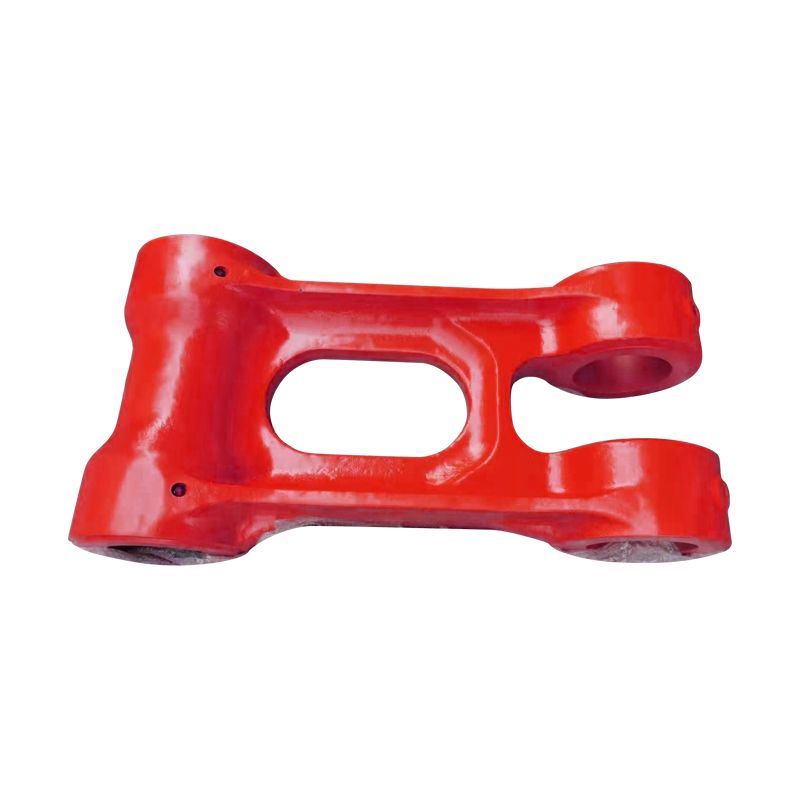
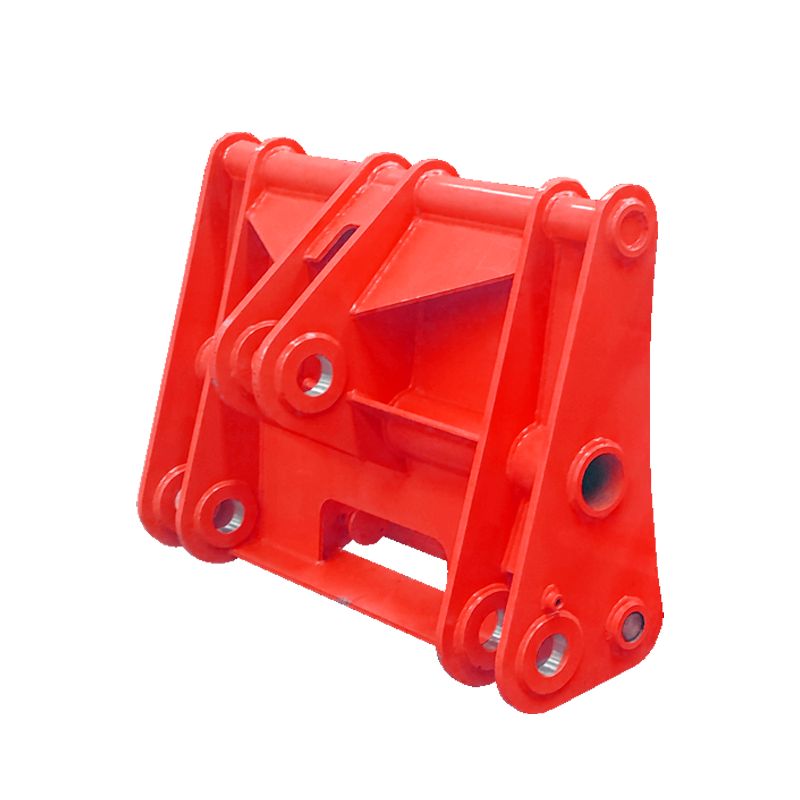
To put it simply, a quick coupler is a device that lets you switch out attachments on loaders quickly, without the fuss of manually fiddling with pins and bolts. Frankly, it saves an enormous amount of time — especially when you’re juggling multiple tasks requiring different tools, say buckets, forks, or blades. If your day revolves around moving earth, demolition, or material handling, it feels like a must-have.
Now, plenty of folks I've worked with emphasize the importance of sturdy design and reliable materials. Most quick couplers are built with high-strength steel — think grades like ASTM A514 or equivalent — to withstand the intense pressures loaders throw around. That, combined with precise manufacturing tolerances, means you get both durability and safe locking mechanisms you can trust. Believe me, the last thing you want is a coupler failure mid-job.
What I also appreciate about quality quick couplers is the way they’re tested. Responsible manufacturers run rigorous static and dynamic load tests to confirm the locking system won’t slip under load. Some even submit their products for third-party certification — sort of a reassurance that the device won’t unexpectedly release its attachment. I can't stress how important that testing is, especially if you’re running on tight deadlines and safety is on the line every minute.
To give you a clearer picture, here’s a quick specs rundown of a typical quick coupler loader model many professionals trust:
| Feature | Specification |
|---|---|
| Material | High-strength heat-treated steel (ASTM A514) |
| Weight Capacity | Up to 15,000 lbs |
| Locking Mechanism | Dual Safety Lock with Manual Override |
| Compatible Loader Brands | Caterpillar, John Deere, Komatsu, New Holland |
| Installation Time | Under 2 hours |
But not all quick couplers are built equal. When you’re shopping around, it’s worth comparing vendors side-by-side to understand who offers the best blend of safety, price, and ease of use. I’ve laid out a brief vendor comparison below based on recent industry data and feedback from trusted colleagues:
| Vendor | Typical Price Range | Safety Certifications | Warranty | Ease of Installation |
|---|---|---|---|---|
| Crafts Manufacturing | $$$ | Third-party ISO-certified | 5 years | Under 2 hours |
| Vendor B | $$ | Internal testing only | 3 years | 3-4 hours |
| Vendor C | $ | No formal certifications | 1 year | Varies by model |
I recall a site foreman telling me not long ago how switching to a quick coupler saved his crews an entire day during a tight demolition deadline. "No more wasting time swapping attachments," he said, explaining how that quick change made the project flow smoother than ever. Stories like that resonate, because in this industry — where minutes often translate to thousands in savings — efficiency really matters.
Plus, the option for customization (some vendors let you tailor locking mechanisms or materials) is a nice touch. You can optimize for certain tasks or climate conditions, which frankly, I haven’t seen enough people talk about.
To sum it up, investing in a reliable quick coupler loader isn’t just about convenience. It’s about safety, durability, and getting your equipment working harder — not your crew. When you consider downtime costs, this little piece of hardware pays for itself faster than you might think.
Here’s to smarter, safer, and quicker site work — one coupler at a time.
References:
1. Industry equipment standards, ASTM International.
2. ISO Certification databases.
3. Field reports from site supervisors and machinery operators, 2023.
Post time: Dec-03-2025