Understanding the Undercarriage System: A Comprehensive Guide
The undercarriage system is a critical component of heavy machinery like excavators, bulldozers, and cranes. It’s the foundation that allows these machines to move, operate, and withstand the demanding conditions of construction, mining, and forestry. Choosing the right undercarriage system is paramount for maximizing machine performance, minimizing downtime, and reducing overall operating costs. This article will delve into the key components, types, maintenance, and advancements in undercarriage systems, providing valuable insights for operators, fleet managers, and anyone involved in heavy equipment.
Key Components of an Undercarriage System
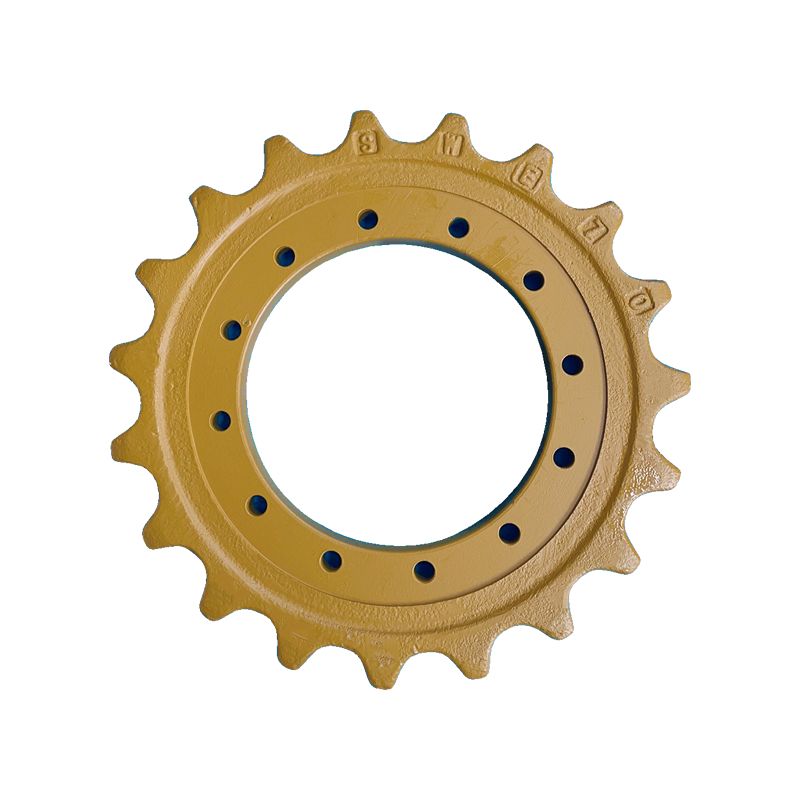
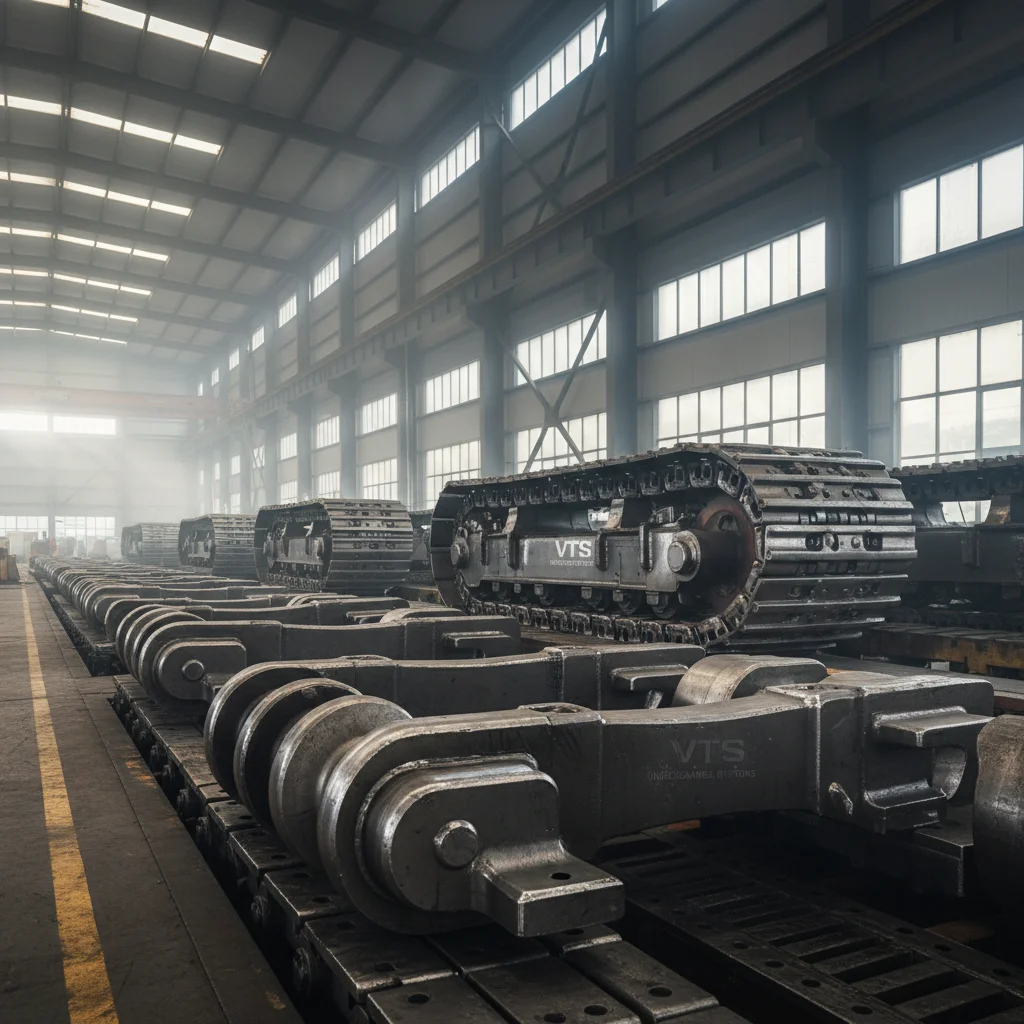
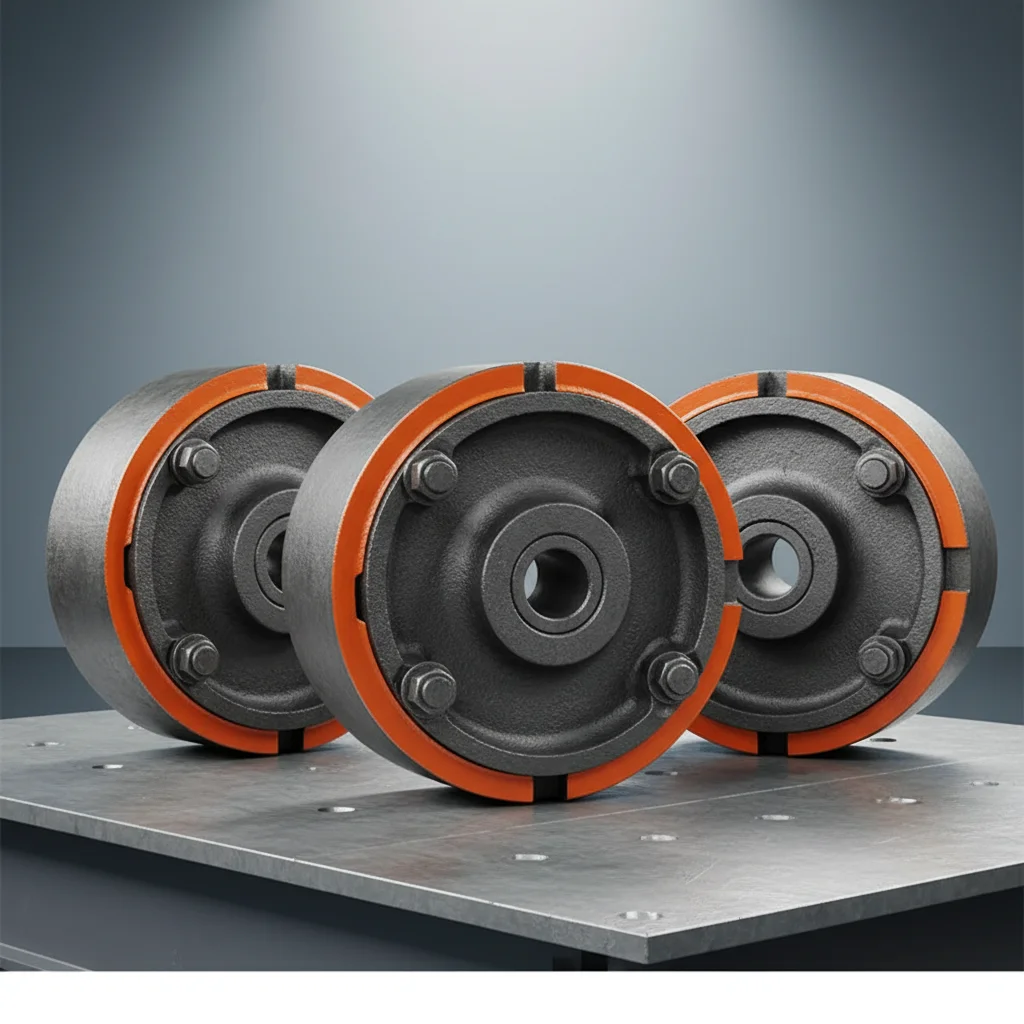
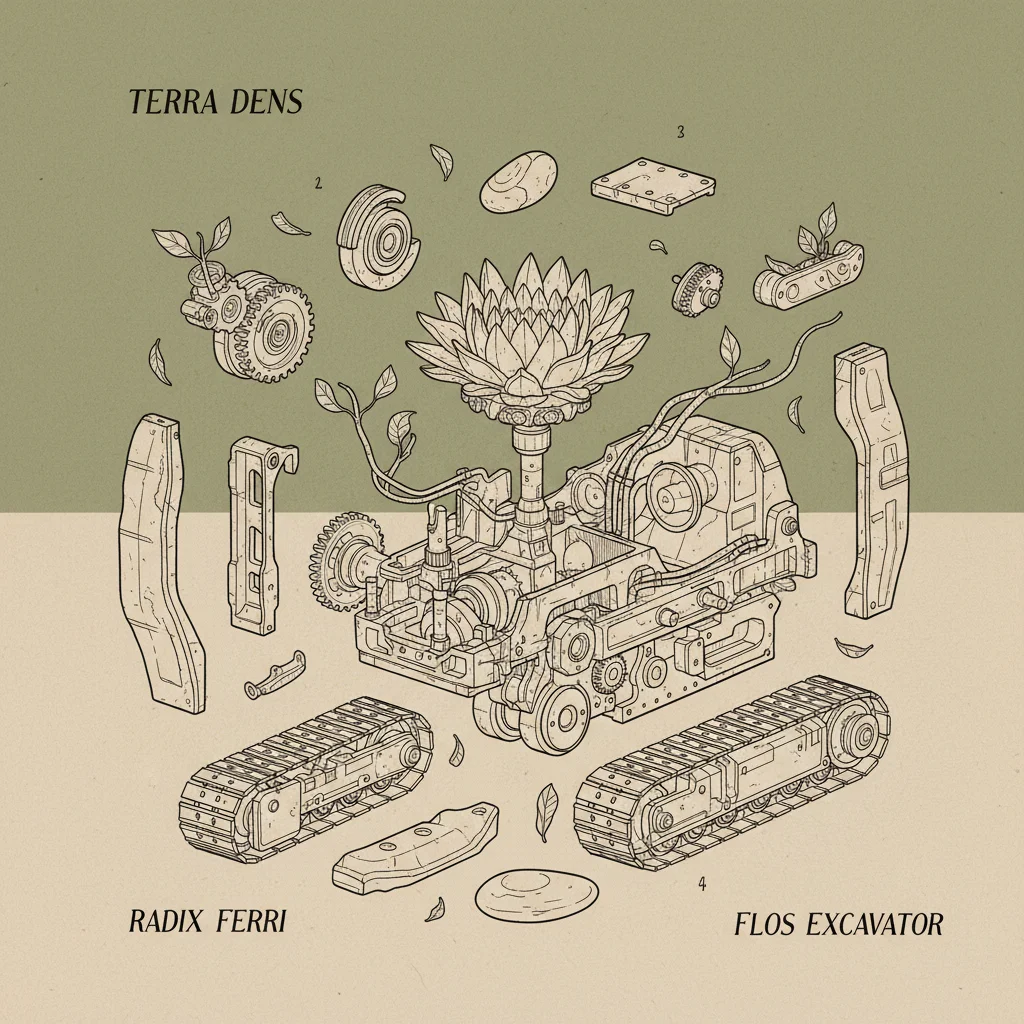
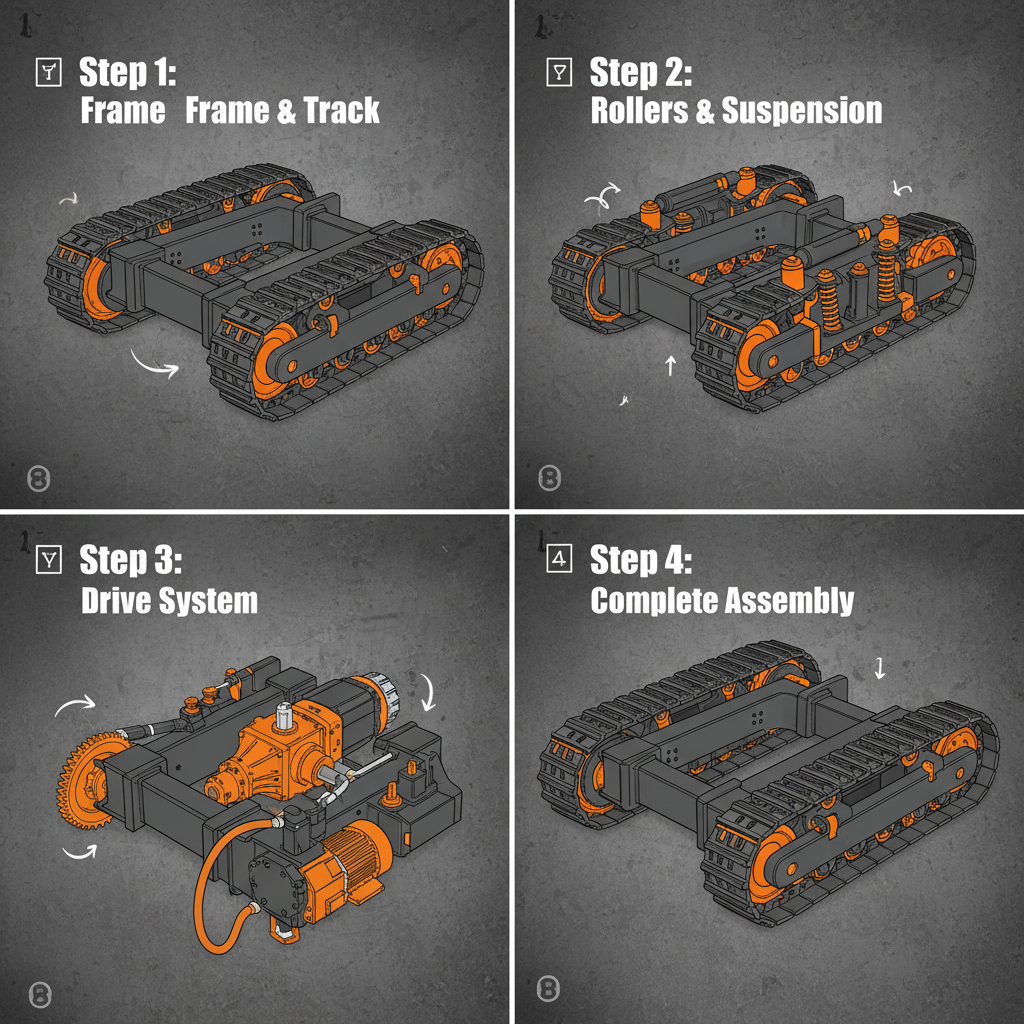
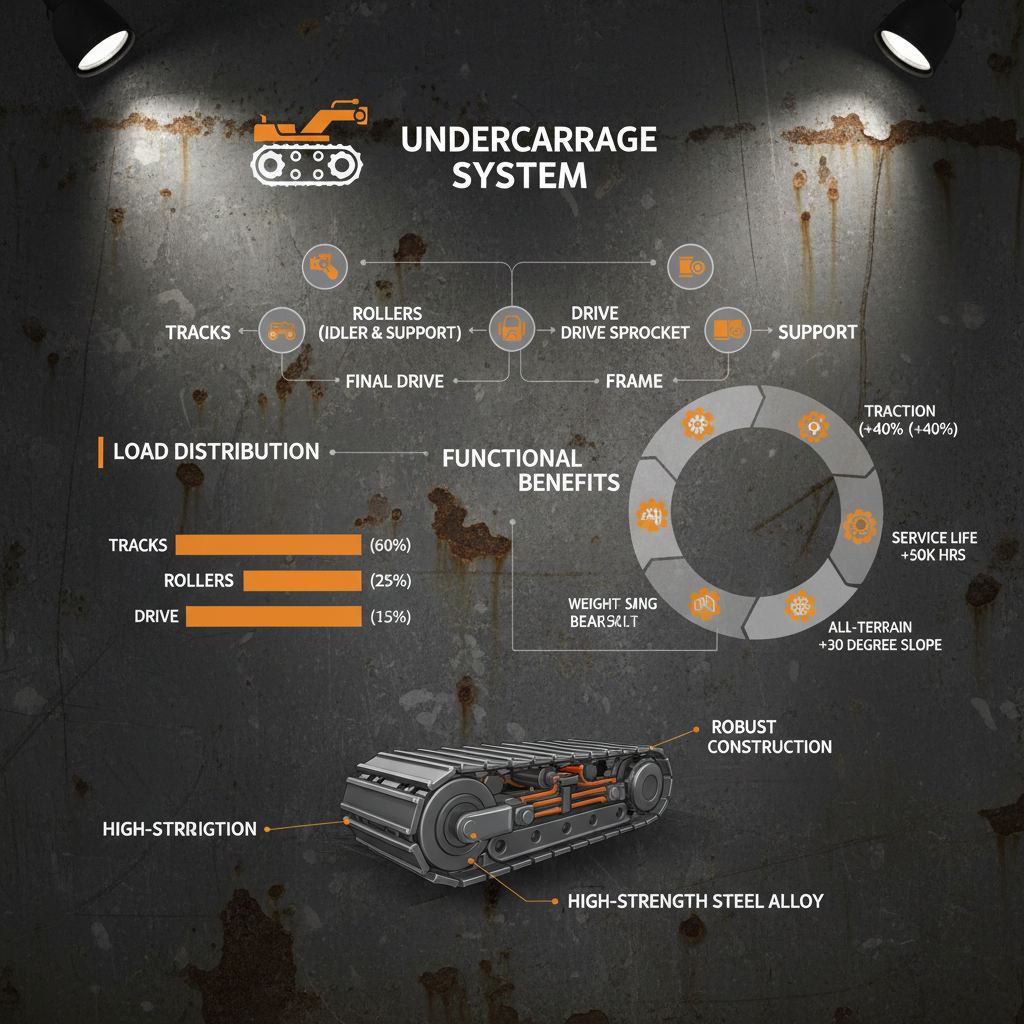
A robust undercarriage system comprises several essential components working in harmony. These include the tracks (or tires for wheeled machines), rollers (bottom, top, and idlers), sprockets, and the final drive. The tracks provide the traction and load-bearing surface. Rollers guide the tracks and distribute the machine's weight. Sprockets drive the tracks, and the final drive transmits power from the engine to the sprockets. Understanding how each component interacts is crucial for effective maintenance and troubleshooting. Regular inspection of these components is vital to preventing catastrophic failures and minimizing costly repairs.
Key Highlights: The undercarriage is the foundation of a machine's mobility, comprising tracks, rollers, sprockets, and the final drive. Proper maintenance ensures optimal performance and longevity.
Types of Undercarriage Systems
Undercarriage systems are broadly categorized into two main types: track-type and wheeled. Track-type undercarriages, commonly found in excavators and bulldozers, offer superior traction and stability on uneven terrain. Wheeled undercarriages, prevalent in wheel loaders, provide greater speed and maneuverability on paved surfaces. Within track-type systems, there are variations in track link design (sealed and lubricated) and track shoe width, influencing traction and flotation. Selecting the appropriate type depends on the specific application and operating environment.
Track vs. Wheeled Undercarriage Systems:
• Track-Type: Superior traction, stability, suitable for rough terrain.
• Wheeled: Greater speed, maneuverability, ideal for paved surfaces.
Undercarriage System Maintenance: Extending Component Life
Regular maintenance is paramount to maximizing the lifespan and performance of an undercarriage system. This includes daily inspections for track tension, roller condition, and sprocket wear. Lubrication of rollers, bushings, and pivot points is essential to reduce friction and prevent premature failure. Periodic track adjustments and pin replacements are also crucial. Implementing a proactive maintenance schedule can significantly reduce downtime and repair costs.
Advancements in Undercarriage Technology
The field of undercarriage technology is continually evolving. Innovations include sealed and lubricated track links, which reduce wear and extend track life, and advanced monitoring systems that provide real-time data on component condition. These systems enable proactive maintenance and prevent unexpected failures. The development of more durable materials and optimized designs also contributes to increased reliability and reduced operating costs. Crafts Manufacturing is dedicated to providing cutting-edge undercarriage solutions.
Selecting the Right Undercarriage System for Your Needs
Choosing the optimal undercarriage system requires careful consideration of several factors, including the machine's application, operating environment, and budget. Factors to consider include the type of terrain, the load the machine will carry, and the expected operating hours. Working with a reputable supplier like Crafts Manufacturing can ensure you receive expert guidance and a solution tailored to your specific needs.
Conclusion: Investing in a Reliable Undercarriage System
The undercarriage system is a vital investment for any heavy equipment operator. By understanding its components, maintenance requirements, and available advancements, you can maximize machine uptime, reduce operating costs, and ensure a safe and productive work environment. Crafts Manufacturing offers high-quality undercarriage solutions and expert support to meet your specific needs.
Frequently Asked Questions (FAQs)
What is the typical lifespan of an undercarriage system?
The lifespan of an undercarriage system varies significantly depending on the operating conditions, the type of machine, and the quality of maintenance. Generally, an undercarriage system can last between 2,500 to 7,000 hours of operation. However, in abrasive environments like quarries or mining sites, the lifespan may be considerably shorter. Regular inspection and proactive maintenance are crucial for maximizing the life of the undercarriage. Monitoring wear patterns and addressing issues promptly can significantly extend its service life. Consider utilizing a reputable supplier like Crafts Manufacturing for expert advice and quality components.
How often should I inspect my undercarriage system?
Daily walk-around inspections are recommended. These should include a visual check for obvious damage, track tension, and any unusual noises. More detailed inspections should be performed every 50-100 hours of operation, including lubrication of all pivot points and a thorough assessment of rollers, sprockets, and track links. Keep a detailed maintenance log to track wear patterns and identify potential problems before they escalate.
What are the signs of undercarriage wear?
Common signs of undercarriage wear include excessive track sagging, uneven track wear, worn or cracked rollers, damaged sprockets, and increased noise levels. Pay attention to any changes in machine performance, such as reduced traction or difficulty steering. Identifying and addressing these issues early can prevent more significant and costly repairs. Consider a professional inspection if you suspect any undercarriage problems.
How does the terrain affect undercarriage wear?
The terrain has a significant impact on undercarriage wear. Abrasive materials like gravel, sand, and rock accelerate wear on tracks, rollers, and sprockets. Operating on steep slopes or uneven terrain also increases stress on the undercarriage components. Selecting the appropriate track shoe width and utilizing proper operating techniques can help mitigate these effects. Regular maintenance is even more critical when operating in challenging terrain.
Post time: Mar-06-2026