In the demanding world of construction, landscaping, agriculture, and material handling, efficiency and adaptability are paramount. Equipment operators constantly seek tools that can streamline workflows, reduce downtime, and maximize the utility of their machinery. Among the myriad attachments available for skid steers, the 4-in-1 bucket for skid steer stands out as a veritable Swiss Army knife, redefining operational versatility. This singular attachment intelligently combines the functions of a standard bucket, a grapple, a dozer blade, and a clam shell, empowering operators to tackle an extraordinary range of tasks without the laborious process of constantly swapping implements. From precision grading and backfilling to robust material grappling and delicate debris clearing, its multifaceted design transforms a standard skid steer into an all-purpose workhorse. The inherent flexibility of a high-quality 4-in-1 bucket not only enhances job site productivity but also translates directly into significant operational savings, making it an indispensable investment for any enterprise striving for peak performance and resource optimization.
Engineering Excellence: Diving Deep into Technical Advantages and Design Innovations
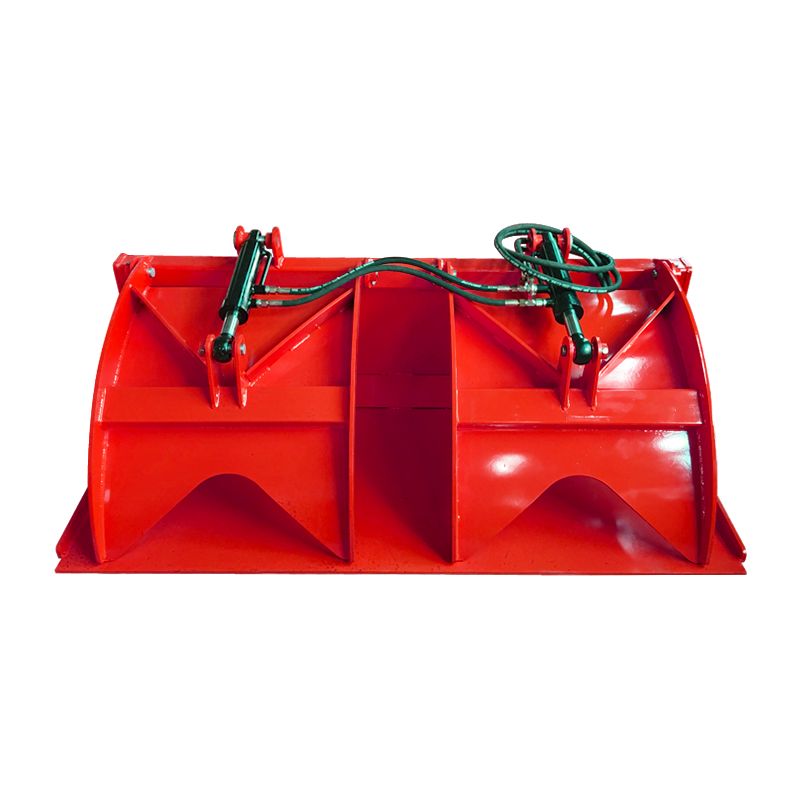
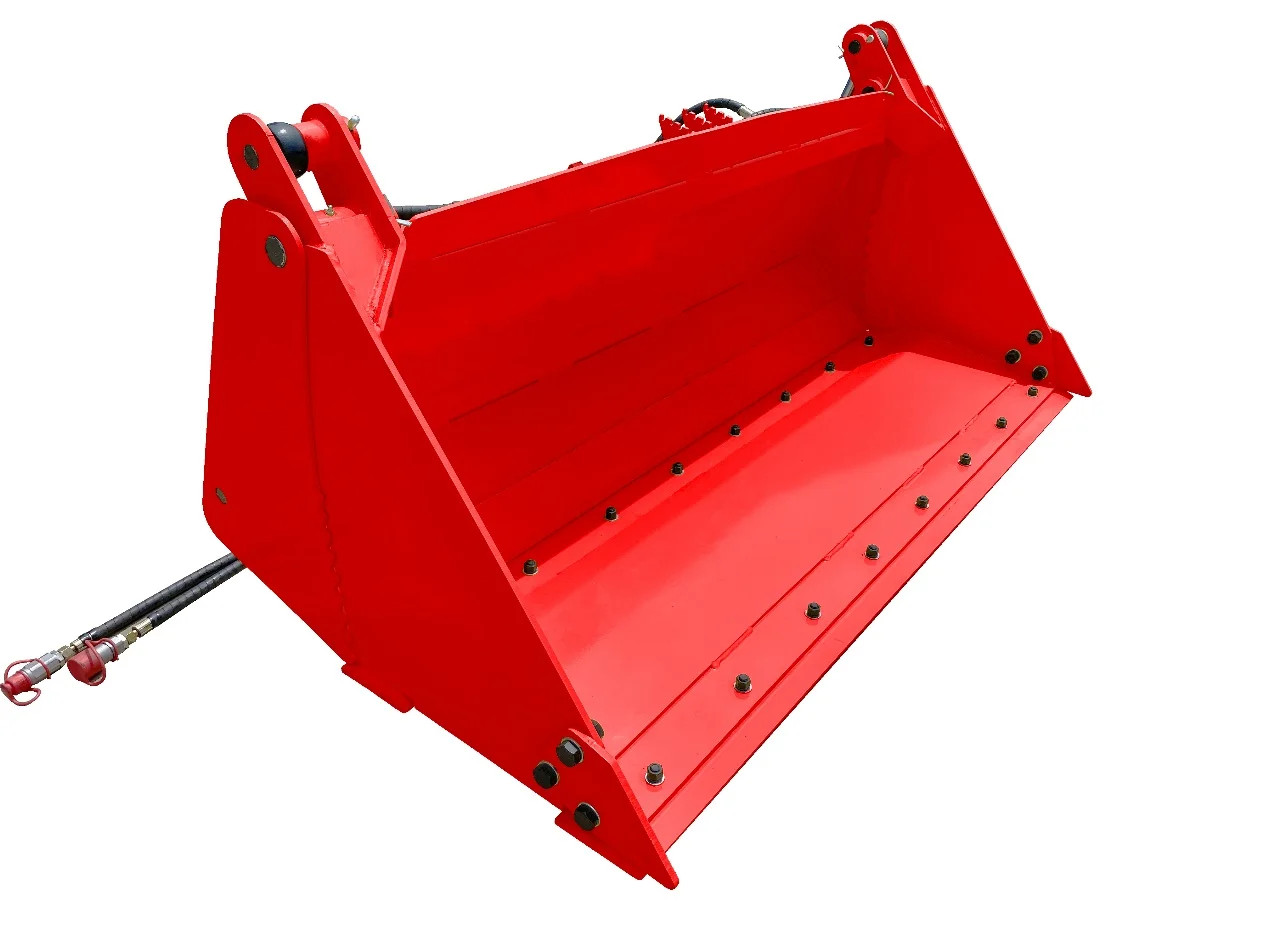
The superior performance of a premium 4-in-1 bucket is not merely incidental; it is the direct result of meticulous engineering and a commitment to robust design. At its core, the structural integrity of these buckets hinges on the quality of materials used. High-tensile strength steel, often in grades like AR400 or AR500 for critical wear areas, forms the backbone, ensuring exceptional resistance to abrasion, impact, and deformation. This material choice significantly extends the lifespan of the attachment, even under the most arduous conditions. Key to its operational prowess is the sophisticated hydraulic system, typically comprising two powerful, oversized cylinders. These cylinders are strategically positioned and often shrouded or protected to guard against damage from debris, providing immense clamping force for grappling tasks and precise control for dozing or grading. The pivot points and hinge mechanisms are another critical area, designed with heavy-duty, greaseable pins and bushings to minimize wear and maintain smooth, consistent articulation over thousands of operational cycles. Furthermore, the cutting edge is often reversible or bolt-on, allowing for easy replacement and extended utility, with options for hardened steel edges or serrated edges for enhanced grappling capability. Innovations also extend to the bucket's floor, which may feature reinforced ribbing or gussets to prevent bowing and improve load distribution. The seamless integration with the skid steer’s universal quick-attach system ensures swift and secure mounting, translating into minimal downtime and maximal operational continuity. These cumulative design elements collectively contribute to an attachment that is not only versatile but also extraordinarily durable and reliable.
Quantifiable Gains: Measuring the Impact of Versatility on Productivity and ROI
The practical advantages of integrating a high-performance 4-in-1 bucket into your fleet extend far beyond mere convenience, manifesting as concrete, measurable improvements in operational efficiency and significant returns on investment. Consider the immediate impact on attachment changeover times. Traditional operations might necessitate 3-4 separate buckets or attachments for grading, loading, grappling, and dozing. Each swap consumes valuable minutes—minutes that accumulate into hours over a project’s lifecycle. By consolidating these functions, a 4-in-1 bucket can reduce attachment changeover time by an astonishing 75%, directly translating into more active work time per machine hour. Furthermore, studies indicate that material handling efficiency can soar by up to 25-30%, particularly in tasks involving varied materials like debris sorting or mixed-pile loading, where the grappling capability eliminates the need for manual intervention or secondary machinery. For example, a landscaping company reported a $1,800 monthly saving in labor costs simply by eliminating the need for an additional worker dedicated to clearing brush by hand, now efficiently handled by their 4-in-1 bucket. Fuel consumption can also see a notable reduction, as a single machine can execute tasks that previously required multiple pieces of equipment or frequent engine shutdowns for attachment changes. In a year-long analysis, one construction firm documented a 15% decrease in fuel expenditure on projects utilizing the 4-in-1 bucket exclusively for earthmoving and material management. The overall reduction in machine hours for diverse tasks can approach 40%, extending the lifespan of the skid steer itself and delaying costly replacements. This synergistic effect of reduced labor, fuel, and equipment wear translates into a compelling ROI, making the 4-in-1 bucket a strategic asset rather than merely an accessory.
Strategic Selection: A Comparative Analysis of Leading 4-in-1 Bucket Manufacturers
Navigating the market for a 4-in-1 bucket can be complex, given the array of manufacturers, each touting their unique advantages. A discerning buyer understands that while core functionality is similar, critical differences in build quality, material specifications, hydraulic components, and warranty provisions can significantly impact long-term performance and cost of ownership. To aid in this strategic selection, we’ve compiled a comparative analysis of key aspects across a spectrum of leading manufacturers. This overview highlights the nuanced considerations that should guide your purchasing decision, ensuring the chosen attachment aligns perfectly with your operational demands and budget constraints. When evaluating, pay close attention to the grade of steel used for the shell and wear plates, the design and protection of hydraulic cylinders, the robustness of hinge pins, and the type of cutting edge provided. Manufacturers often differentiate themselves through innovative features such as reinforced clam shells, integrated steps, or specialized tooth bars. Furthermore, the level of after-sales support and warranty coverage can mitigate future risks and ensure prolonged operational uptime. Understanding these distinctions is crucial for making an informed investment.
Comparative Analysis of 4-in-1 Bucket Manufacturers (Illustrative Data) | ||||
Feature/Manufacturer | Manufacturer A (Premium) | Manufacturer B (Mid-Tier) | Manufacturer C (Value-Oriented) | Manufacturer D (Specialized) |
Primary Steel Grade (Shell) | A572 Grade 50 / AR400 (wear areas) | A36 / A572 Grade 50 (wear areas) | A36 | High-Tensile A572 / HARDOX (critical areas) |
Hydraulic Cylinders | Heavy-duty, fully guarded, 3000 PSI | Standard duty, partial guarding, 2500 PSI | Standard, minimal guarding, 2000 PSI | Oversized, extreme duty, integral protection, 3500 PSI |
Cutting Edge Material | Reversible, Heat-treated Carbon Steel (HB450) | Reversible, Standard Carbon Steel | Welded, Standard Steel | Bolt-on, AR500, optional serrated |
Hinge Pins & Bushings | Greaseable, oversized hardened steel | Greaseable, standard steel | Non-greaseable, standard steel | Greaseable, chrome-plated, extra-large diameter |
Reinforcement / Gusseting | Extensive, internal and external | Moderate, strategic locations | Minimal | Targeted, load-path optimized, heavy-duty |
Warranty (Structural) | 3 Years | 1-2 Years | 1 Year | 5 Years (limited) |
Unique Features | Integrated steps, high-visibility clam, robust cylinder guards | Good balance of features for general use | Cost-effective, basic functionality | Extreme duty package, specialized hydraulic valving, unique grapple teeth |
Tailored Performance: Customization Options for Specialized Operational Demands
While the standard 4-in-1 bucket offers unparalleled versatility, the ability to customize this essential attachment unlocks even greater operational efficiencies and specialized performance for niche applications. Manufacturers often provide a range of customization options, allowing buyers to tailor the bucket precisely to their specific job requirements, environment, and material handling needs. One common customization involves width variations; operators can select a wider bucket for increased capacity in light material handling or a narrower one for enhanced maneuverability in confined spaces or precision trenching. Another crucial option relates to the cutting edge: while a standard smooth edge is ideal for grading and backfilling, a bolt-on tooth bar can dramatically improve digging and penetration capabilities in compacted soil or rocky terrain. Conversely, for applications demanding a pristine finish on paved surfaces or sensitive materials, specialized non-marking edges can be fitted. Material upgrades are also frequently requested; for instance, opting for heavier gauge steel throughout the bucket, or specifying AR500 wear plates in areas subjected to extreme abrasion (like quarry work or demolition), significantly enhances durability and extends service life. Hydraulic configurations can be modified to match specific skid steer auxiliary flow rates or to incorporate specialized quick couplers. Some customization extends to the clam shell design itself, with options for serrated grappling teeth for superior grip on irregular objects, or a wider opening aperture for bulkier materials. For operators working in harsh or corrosive environments, specialized coatings or paint finishes can be applied to resist rust and chemical degradation. These bespoke modifications ensure that the 4-in-1 bucket transitions from a versatile generalist to a highly specialized tool, optimized for maximum productivity and longevity in its intended role, ultimately driving down operational costs and boosting overall project profitability.
Real-World Impact: Diverse Applications and Success Stories
The true measure of any piece of equipment lies in its real-world performance, and the 4-in-1 bucket consistently delivers across a spectrum of industries and challenging applications. Its inherent adaptability makes it a favored tool for professionals tackling varied tasks daily. Consider a large-scale commercial landscaping project: the 4-in-1 bucket efficiently begins by using its dozer function to rough grade the terrain, seamlessly transitioning to a standard bucket for loading topsoil and mulch into spreader trucks. Later, as trees and shrubs are planted, the grapple function becomes invaluable for moving large boulders, tree stumps, and even bundles of saplings without requiring a dedicated grapple attachment. The clam shell then precisely backfills around new plantings, ensuring minimal disturbance. In municipal roadwork or utility installation, the bucket’s precision grading capabilities are essential for preparing trenches and pathways, while its ability to tightly close allows for efficient cleanup of debris and rubble, ensuring a safe and tidy work environment. A demolition contractor, facing a mixed site of concrete, wood, and metal, utilizes the grapple to sort and separate materials for recycling, significantly reducing disposal costs and improving environmental compliance. For agricultural operations, the 4-in-1 bucket proves indispensable for clearing fence lines, moving feed, spreading manure, or even mucking out barns, often replacing manual labor or less efficient specialized tools. Ranchers rely on its strength to handle large hay bales or clear fallen timber after storms. Each of these scenarios underscores a common theme: the 4-in-1 bucket minimizes the need for multiple machines or attachments, optimizes workflow, and empowers operators to complete tasks with unprecedented speed and precision, directly contributing to project profitability and operational success. Its versatility is not just a feature; it's a fundamental shift in how complex jobs are approached and executed.
Strategic Investment: Securing Peak Performance with a Premier 4-in-1 Bucket for Skid Steer
The decision to equip a skid steer with a 4-in-1 bucket for skid steer is more than just an accessory purchase; it is a strategic investment that fundamentally redefines the operational capabilities of your machinery and the efficiency of your entire workflow. We have explored its sophisticated engineering, the profound quantifiable benefits it delivers in terms of productivity and cost savings, and the critical factors to consider when selecting from leading manufacturers. We've also delved into the myriad customization options available, allowing this versatile tool to be precisely honed for specialized tasks, further extending its utility. Finally, through real-world applications, its indispensable role across diverse industries has been illuminated, demonstrating its capacity to streamline complex operations and reduce reliance on multiple specialized attachments. A high-quality 4-in-1 bucket mitigates the need for frequent attachment changes, minimizes equipment downtime, and maximizes labor efficiency, all contributing to a compelling return on investment. For any business striving for operational excellence, enhanced profitability, and robust adaptability in an ever-evolving market, a premium 4-in-1 bucket is not merely an option—it is an absolute necessity. It empowers operators, simplifies complex jobs, and solidifies the skid steer’s position as the true workhorse of any modern fleet.
Frequently Asked Questions about 4-in-1 Buckets for Skid Steers
1. What defines a 4-in-1 bucket for skid steer and its primary functions?
A 4-in-1 bucket for skid steer is a multi-purpose attachment that integrates four primary functions: a standard bucket for loading and carrying, a grapple for clamping and lifting irregular objects, a dozer blade for pushing and spreading material, and a clam shell for precise dumping, grading, and grabbing. It's designed for maximum versatility across various tasks.
2. How does a 4-in-1 bucket improve job site efficiency compared to standard buckets?
It significantly improves efficiency by consolidating multiple tools into one. This eliminates the need for frequent attachment changes, saving considerable time and labor. Operators can seamlessly transition from loading to grappling to grading, reducing downtime and optimizing machine utilization, which can lead to productivity gains of 25-30%.
3. What are the key technical specifications to look for when purchasing a 4-in-1 bucket?
Essential technical specs include the steel grade (e.g., AR400/AR500 for wear plates), hydraulic cylinder size and protection, cutting edge type (reversible, bolt-on, serrated options), hinge pin and bushing quality (greaseable, hardened steel), and overall structural reinforcement. These factors directly influence durability and performance.
4. Are 4-in-1 buckets compatible with all skid steer models?
Most modern 4-in-1 buckets are designed with a universal skid steer quick-attach plate, making them compatible with the vast majority of skid steers from different manufacturers. However, it's crucial to confirm the attachment's specific mounting dimensions and hydraulic flow requirements match your skid steer's specifications before purchase.
5. What kind of maintenance does a 4-in-1 bucket require?
Routine maintenance includes regular greasing of all pivot points and hinge pins, inspection of hydraulic hoses and cylinders for leaks or damage, checking the cutting edge for excessive wear, and tightening any loose bolts, particularly on bolt-on edges or quick-attach plates. Proper maintenance extends the attachment's lifespan significantly.
6. Can a 4-in-1 bucket handle heavy demolition work?
While a 4-in-1 bucket is incredibly versatile, its suitability for heavy demolition depends on its specific build and the nature of the demolition. Heavy-duty models with reinforced construction, AR-grade steel, and robust cylinders can handle light to moderate demolition, material sorting, and debris removal very effectively. For extreme, structural demolition, specialized hydraulic breakers or dedicated demolition grapples might be more appropriate.
7. How do customization options enhance the value of a 4-in-1 bucket?
Customization options, such as specific widths, specialized cutting edges (e.g., tooth bar for digging or non-marking edges for sensitive surfaces), heavier gauge steel for extreme applications, or unique grapple configurations, allow the bucket to be precisely tailored for niche tasks. This optimization maximizes performance and efficiency for specific job requirements, further improving ROI and operational effectiveness.
Post time: Nov-26-2025