Understanding the digger undercarriage: The backbone of heavy equipment
Having worked around heavy machinery for the better part of a decade—often knee-deep in mud, grease, and the occasional engine shenanigans—I’ve come to appreciate just how critical the undercarriage is for any digger’s performance. It’s the unsung hero, really. We often focus on the arm, bucket, or engine, but without a robust and well-maintained undercarriage, none of that even matters much.
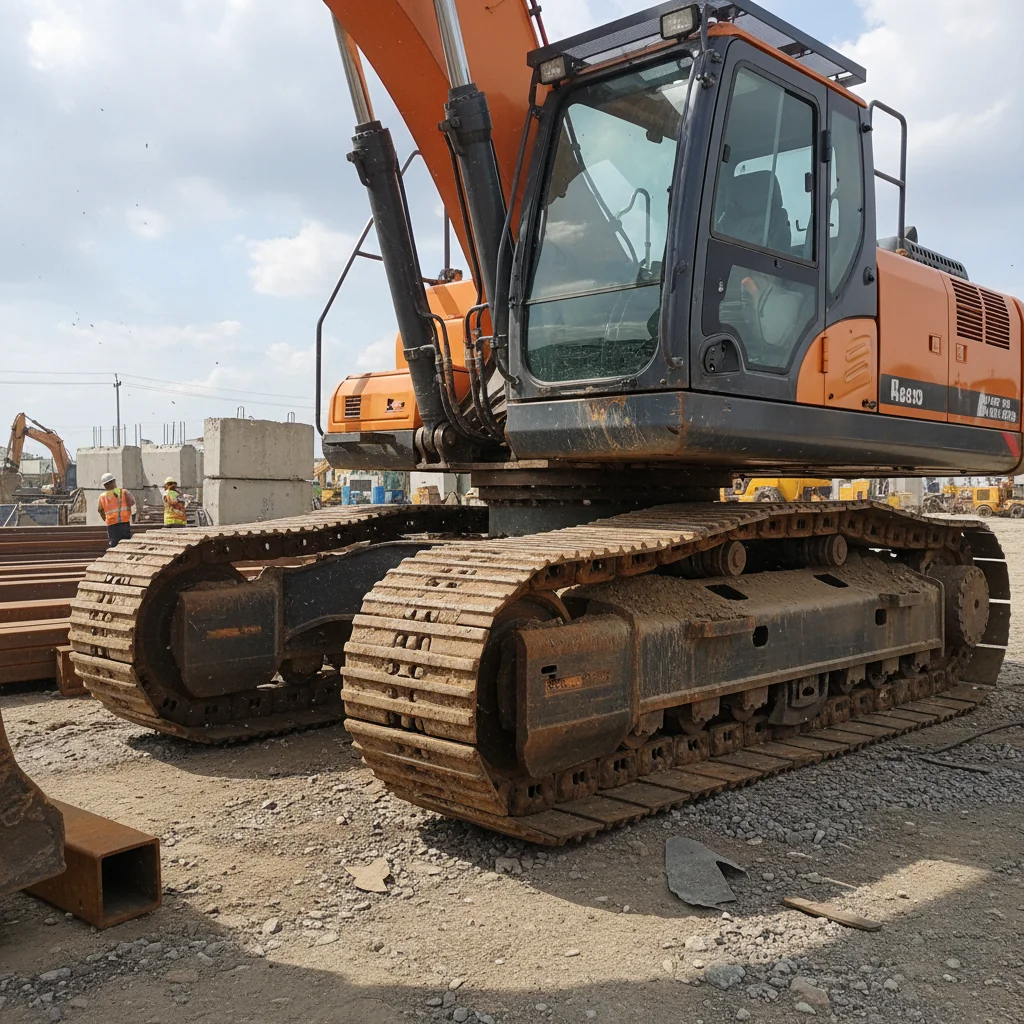
The digger undercarriage is, at its core, a complex assembly of components designed to bear the full weight of the machine while ensuring stability and mobility across uneven terrain. You could say it’s the foundation upon which everything else stands literally and figuratively. Oddly enough, in the field, I’ve noticed even seasoned operators comparing notes about undercarriage wear and tear more than engine issues—probably because a slip or breakdown there can stop the whole operation dead in its tracks.
Key Components & Materials
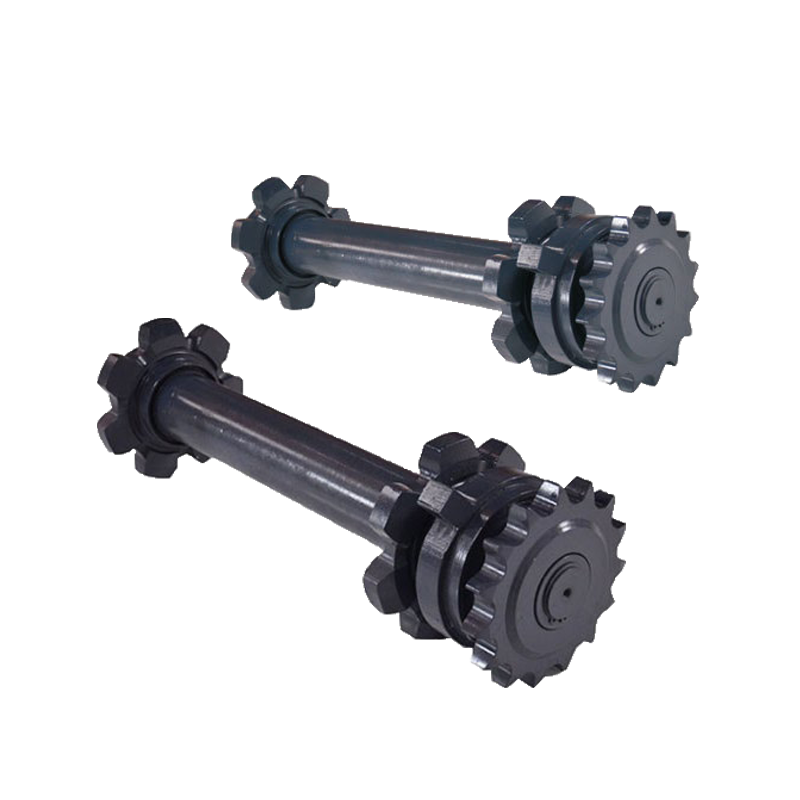
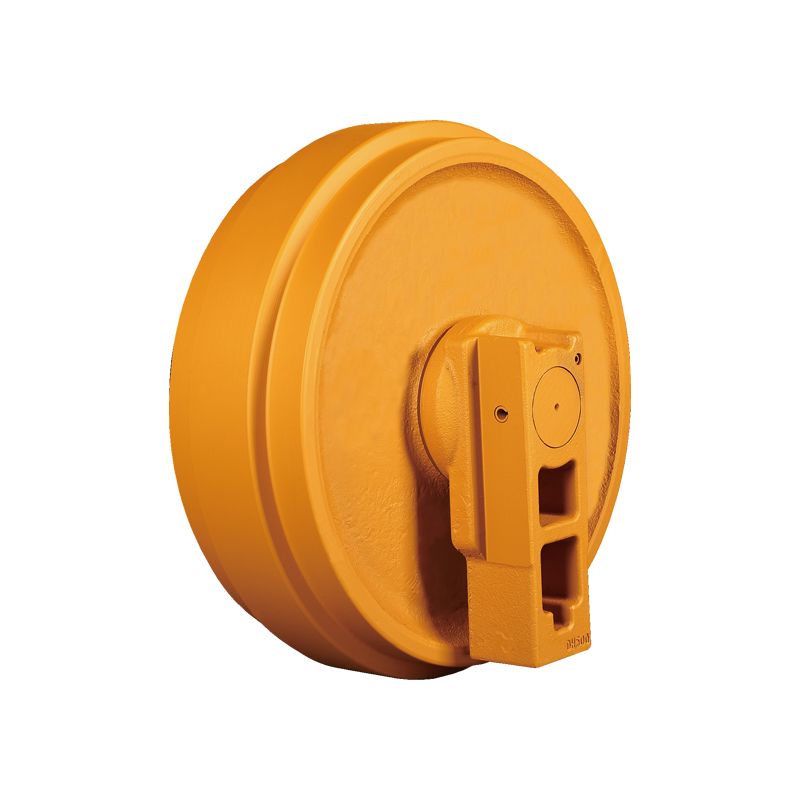
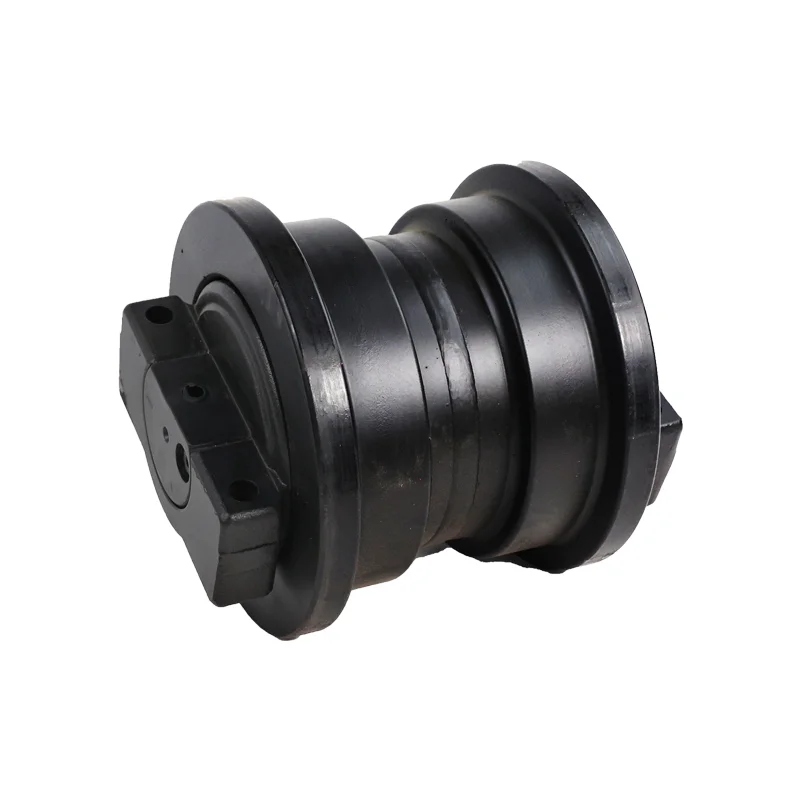
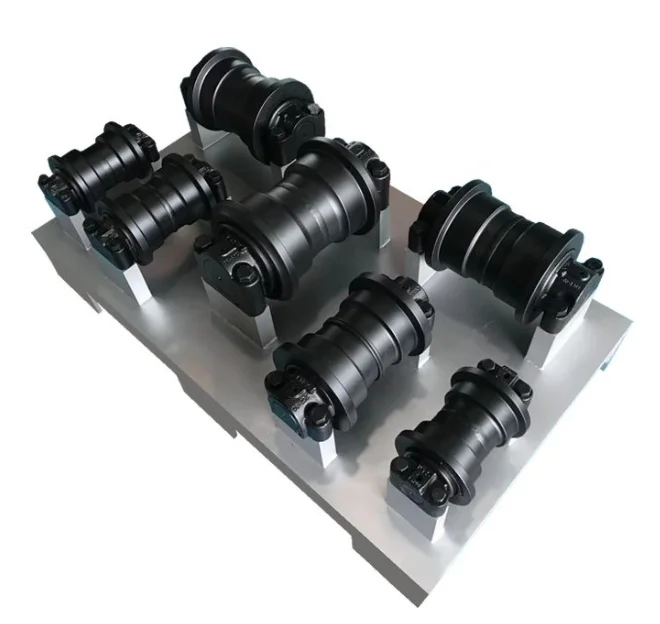
Typically, the undercarriage consists of elements like track chains, rollers, idlers, sprockets, and track shoes. What makes these parts stand out—besides their ruggedness—is the kind of materials engineers specify. High-grade steel alloys with special heat treatments are common, designed not just for durability but also to resist abrasion, corrosion, and deformation. In my experience, the choice between manganese steel and forged components often tilts toward longevity versus cost, which can be a tough call when managing budgets versus uptime.
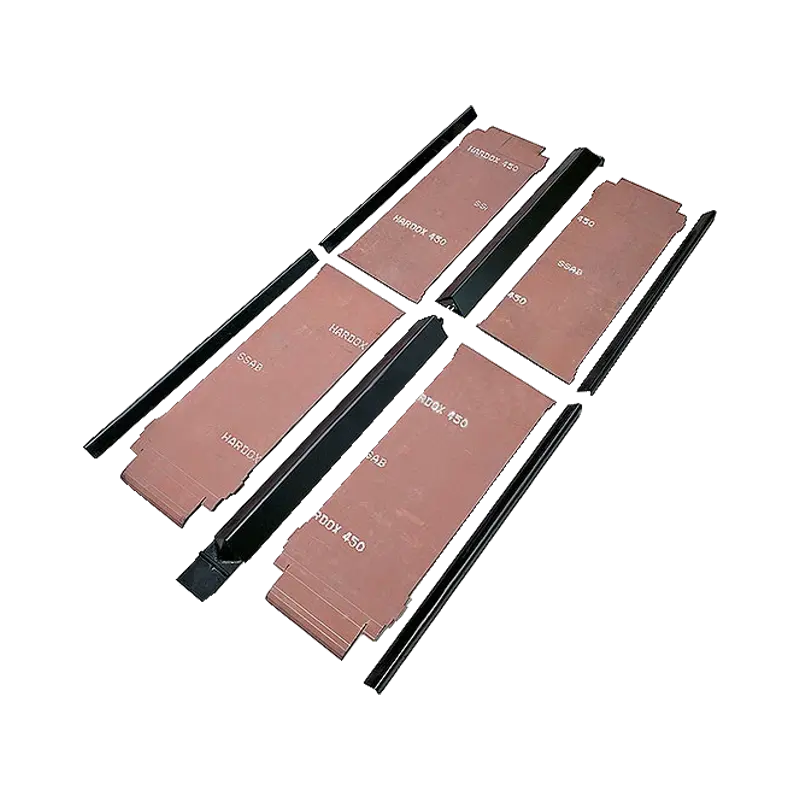
One memorable project I worked on had us testing a new undercarriage with enhanced wear plates. We saw a surprisingly significant reduction in replacement frequency—at least 20% less downtime over six months. It’s moments like that which make you realize the value of incremental improvements in design and materials science.
Performance & Customization
Performance-wise, the right undercarriage can improve traction, reduce soil disturbance, and extend track life. For instance, various track shoe widths are available depending on terrain conditions—wider shoes for muddy sites and narrower ones when you need to minimize surface damage. I suppose it’s a bit like picking hiking boots for the terrain you'll tackle; the better the match, the smoother the whole journey.
Many manufacturers offer customizable options to tailor undercarriage assemblies for specialized tasks. From reinforced linkages for demolition work to lighter configurations for transportation between sites, adaptability is king. And frankly, companies that can quickly supply genuine OEM parts or trusted aftermarket replacements often win the day in maintaining machine uptime.
Product Spec Highlights
| Component | Material | Typical Lifespan | Weight Range |
|---|---|---|---|
| Track Chains | Heat-treated Alloy Steel | 2000 - 4000 hours | 150 - 400 kg |
| Rollers (Carrier & Track) | Forged Steel with Chrome | 3000 - 5000 hours | 50 - 120 kg |
| Idlers | High-Carbon Steel | 3000 - 4500 hours | 100 - 200 kg |
| Sprockets | Alloy Steel, Case Hardened | 2500 - 4000 hours | 60 - 150 kg |
Vendor Comparison: A Quick Look
| Vendor | Material Quality | Customization Options | Lead Time | Warranty |
|---|---|---|---|---|
| Crafts Manufacturing | Premium Heat-Treated Steels | Full Custom Builds | 2-4 weeks | 12 months |
| BulkTrack Inc. | Standard Alloy Steel | Limited Options | 3-6 weeks | 6 months |
| SteelWorks Components | Forged Chrome-Steel Mix | Moderate Options | 4-7 weeks | 9 months |
So, if you’re hunting for an undercarriage solution that’s reliable and tailored to your machine’s needs, I’d say it’s worth looking into providers like Crafts Manufacturing. Their track record for quality and customization really stands out in conversations I’ve had with fellow operators and engineers alike.
To sum it up: digger undercarriages might not get the spotlight, but they’re the gritty workhorse silently handling what the gutsy loaders and arms dream up. Treat them well, and they’ll keep your equipment rolling through thick and thin.
References:
1. “Heavy Equipment Undercarriage Components & Maintenance,” Machinery Journal, 2022.
2. “Material Science in Construction Machinery,” Industrial Metals Review, 2023.
3. Personal communications and field observations, 2012–2023.
Post time: Dec-04-2025