Understanding the Importance of a Track Carrier Roller
In the world of heavy machinery and construction, the efficient operation of tracked vehicles is paramount. A crucial component often overlooked is the track carrier roller. These rollers play a vital role in distributing the vehicle’s weight, maintaining track tension, and ensuring smooth movement. Choosing the right track carrier roller significantly impacts performance, longevity, and overall cost-effectiveness. This article will delve into the functions, types, selection criteria, and maintenance of track carrier rollers, providing a comprehensive guide for operators, maintenance personnel, and procurement managers.
The Core Function of Track Carrier Rollers
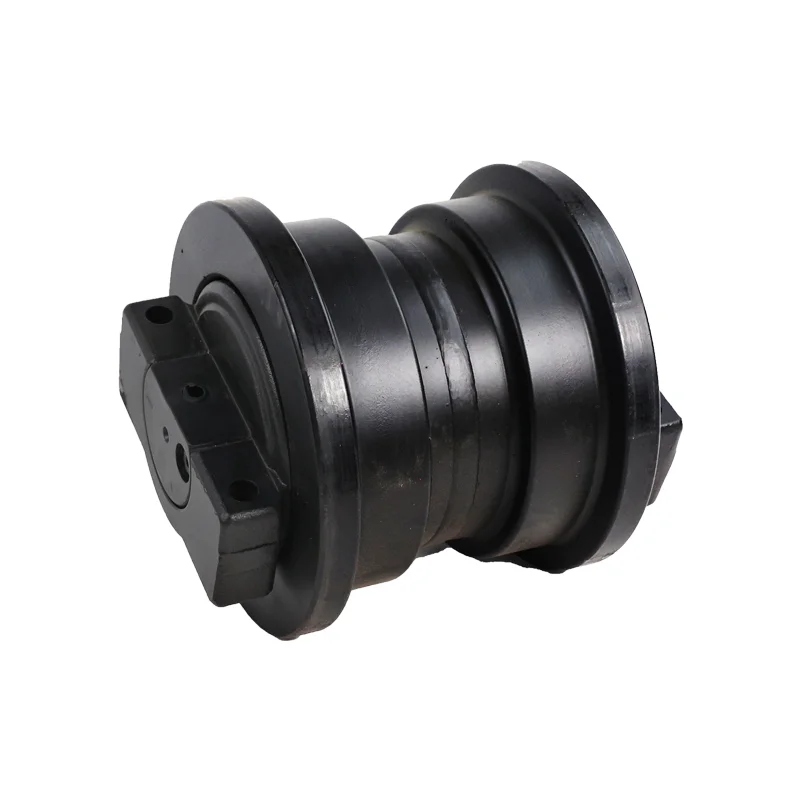
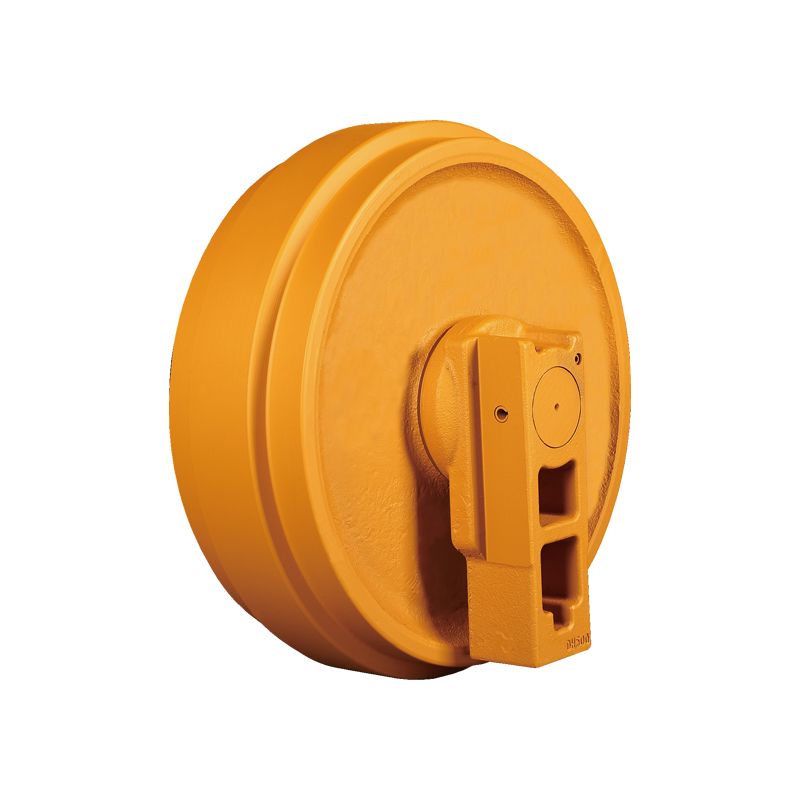
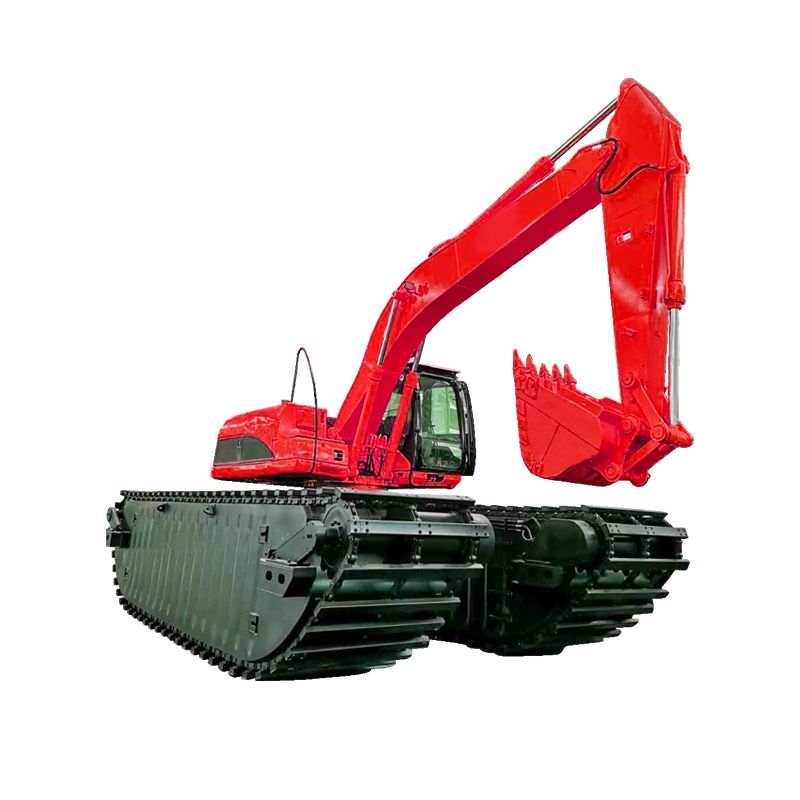
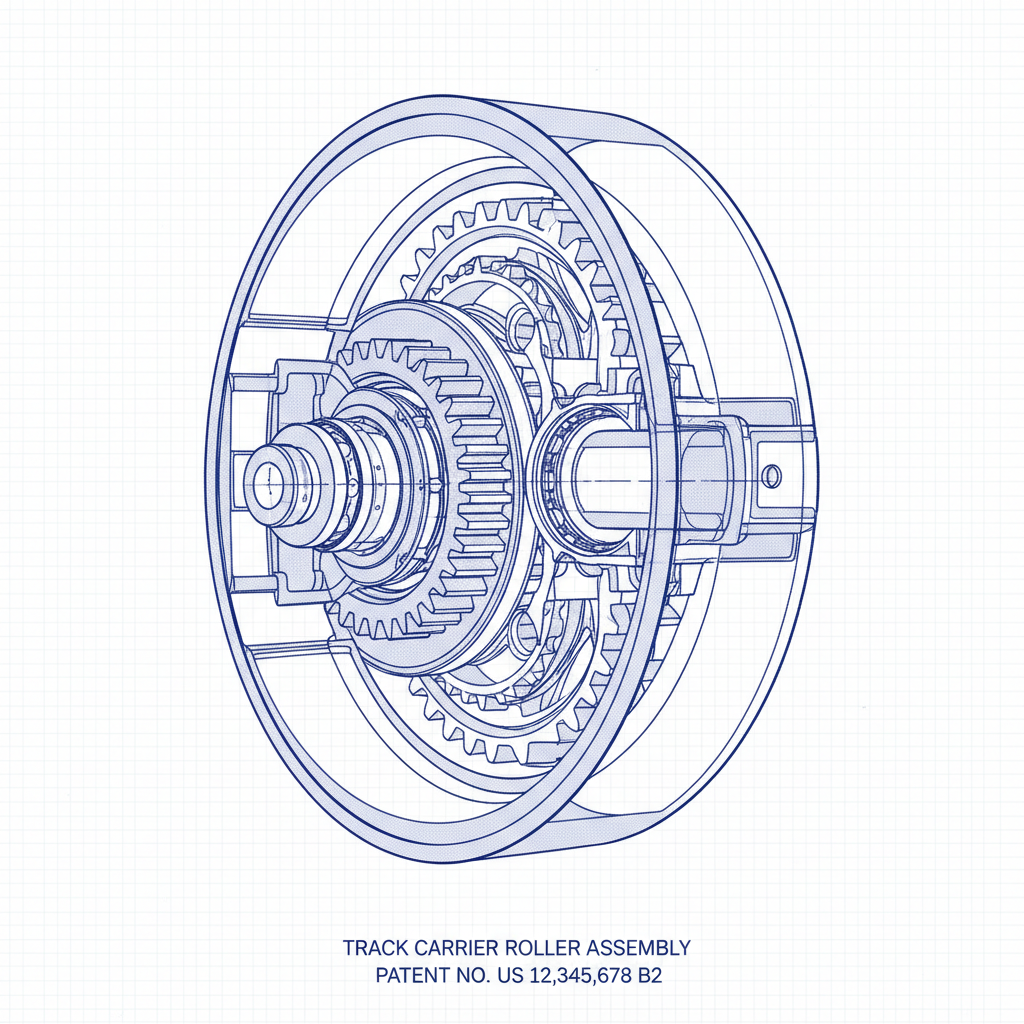
Track carrier rollers, also known as track rollers, are integral to the operation of tracked vehicles like excavators, bulldozers, cranes, and agricultural machinery. Their primary function is to support the weight of the vehicle and maintain proper track alignment. These rollers work in conjunction with the track links, sprockets, and idlers to provide a stable and efficient running surface. A well-maintained roller contributes to reduced friction, increased fuel efficiency, and extended track life. Without properly functioning track carrier rollers, the vehicle's performance is compromised, and the risk of mechanical failure increases.
Key Functions: Support vehicle weight, maintain track alignment, reduce friction, and improve fuel efficiency.
Types of Track Carrier Rollers
Track carrier rollers aren't one-size-fits-all. They come in various designs tailored to different applications and vehicle types. The most common types include single flange rollers, double flange rollers, and sealed rollers. Single flange rollers are suitable for lighter loads and less demanding applications, while double flange rollers provide increased stability and load-bearing capacity. Sealed rollers feature internal seals to prevent contamination from dust, debris, and moisture, extending their service life. The choice of roller type depends on the specific operating conditions, load requirements, and desired lifespan.
Roller Type Breakdown:
• Single Flange: Lighter loads, basic applications.
• Double Flange: Increased stability, heavy-duty applications.
• Sealed: Enhanced protection, longer lifespan.
Selecting the Right Track Carrier Roller: Key Considerations
Choosing the correct track carrier roller is crucial for optimal performance and minimizing downtime. Key factors to consider include the vehicle's make and model, operating environment, load capacity, and anticipated service life. It’s essential to verify the roller's dimensions, material composition, and sealing properties to ensure compatibility and durability. Working with a reputable supplier like Crafts-Mfg can provide expert guidance and ensure you receive a quality product.
Maintenance & Extending the Life of Your Track Carrier Rollers
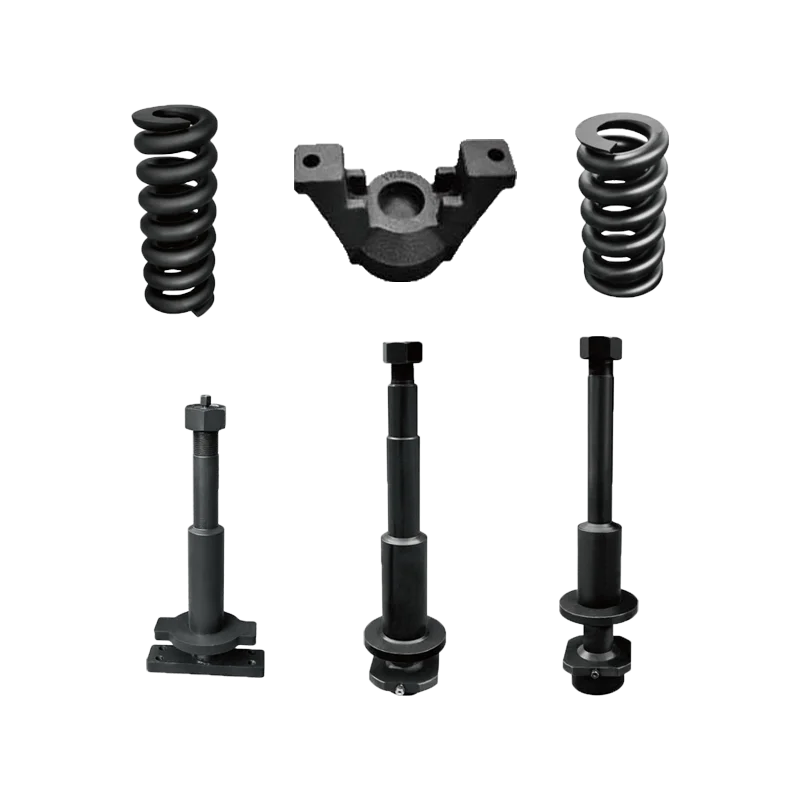
Regular maintenance is vital for maximizing the lifespan of your track carrier rollers and preventing costly downtime. This includes periodic inspection for wear, damage, and proper lubrication. Greasing the rollers according to the manufacturer’s recommendations helps reduce friction and prevent corrosion. Monitoring track tension and adjusting as needed is also crucial, as improper tension can accelerate roller wear. Timely replacement of worn rollers prevents further damage to the track and other components.
The Benefits of Choosing Crafts-Mfg for Your Roller Needs
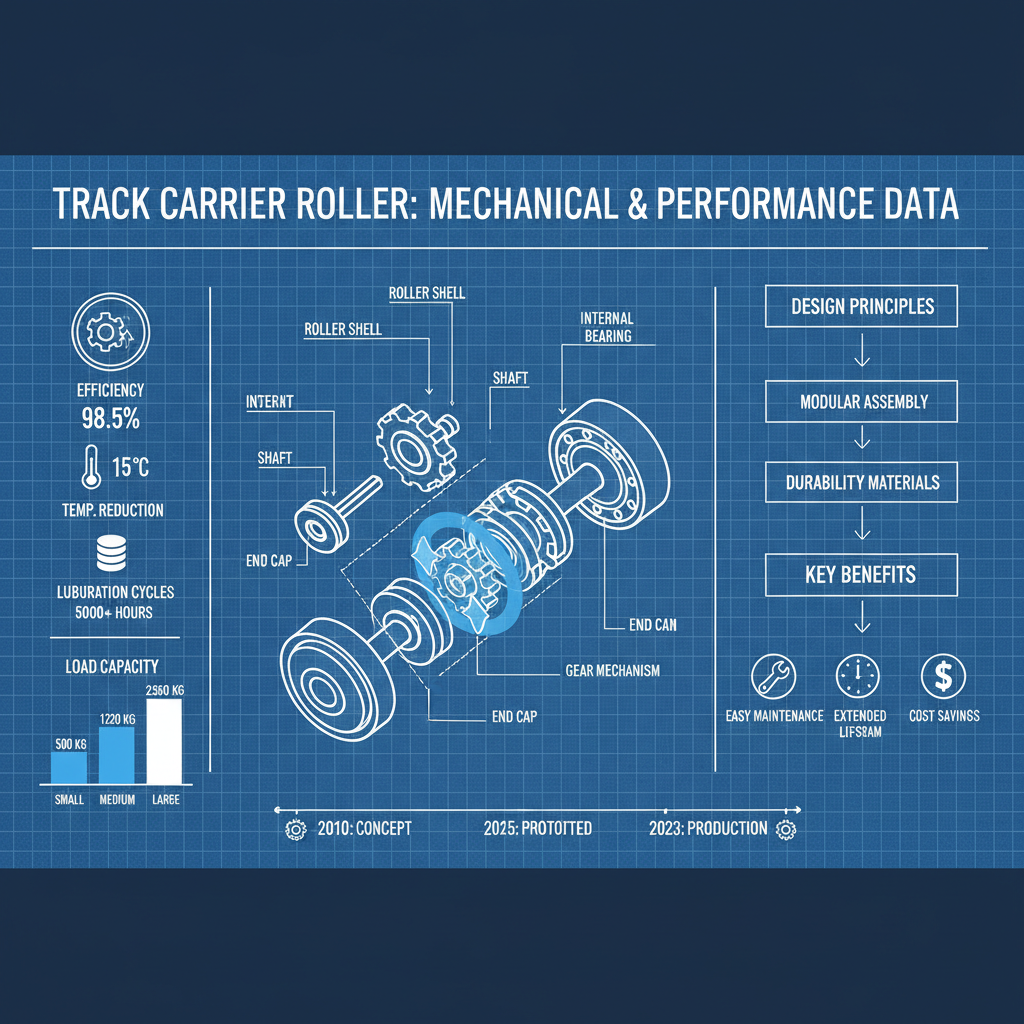
Crafts-Mfg is a leading provider of high-quality track carrier rollers for a wide range of applications. We offer a comprehensive selection of rollers, competitive pricing, and expert technical support. Our rollers are manufactured to exacting standards, ensuring durability and reliability. We pride ourselves on delivering exceptional customer service and providing solutions tailored to your specific needs. Partner with Crafts-Mfg to ensure your tracked vehicles operate at peak performance and minimize downtime.
Conclusion: Investing in Quality Track Carrier Rollers
Choosing the right track carrier roller is an investment in the longevity and efficiency of your heavy machinery. By prioritizing quality, proper maintenance, and partnering with a reliable supplier like Crafts-Mfg, you can significantly reduce downtime and maximize your return on investment. Don't compromise on the foundation of your tracked vehicle's performance – choose a solution built to last.
Frequently Asked Questions (FAQs)
What is the typical lifespan of a track carrier roller?
The lifespan of a track carrier roller varies significantly based on operating conditions, load, and maintenance practices. Generally, a well-maintained roller can last between 2,000 to 5,000 hours of operation. However, factors like abrasive environments, improper lubrication, and excessive shock loads can drastically reduce this lifespan. Regular inspections and preventative maintenance are key to maximizing roller life.
How often should I lubricate my track carrier rollers?
Lubrication frequency depends on the operating environment and the roller's seal type. As a general guideline, lubricate sealed rollers every 50-100 hours of operation and non-sealed rollers every 25-50 hours. Always consult the vehicle's operator manual for specific recommendations. Using the correct type of grease is also crucial – a high-quality, lithium-based grease is typically recommended. Over-greasing can also be detrimental, attracting dirt and debris.
What are the signs that a track carrier roller needs to be replaced?
Several indicators suggest a track carrier roller needs replacement. These include excessive wobble or play in the roller, noticeable wear or damage to the flange, difficulty maintaining track tension, unusual noises during operation (such as squealing or grinding), and visible grease leakage. Ignoring these signs can lead to further damage to the track and other components, resulting in costly repairs.
Post time: Feb-09-2026