Undercarriage Parts for Excavator: A Comprehensive Guide
Excavators are indispensable machines in construction, mining, and landscaping. Their efficiency and durability heavily rely on the quality of their undercarriage parts for excavator. Understanding these components, their function, and proper maintenance is crucial for maximizing uptime and minimizing costly repairs. This article provides a detailed overview of undercarriage parts, common issues, and how to choose the right components for your excavator. Investing in high-quality undercarriage parts is a vital component of any successful excavation project.
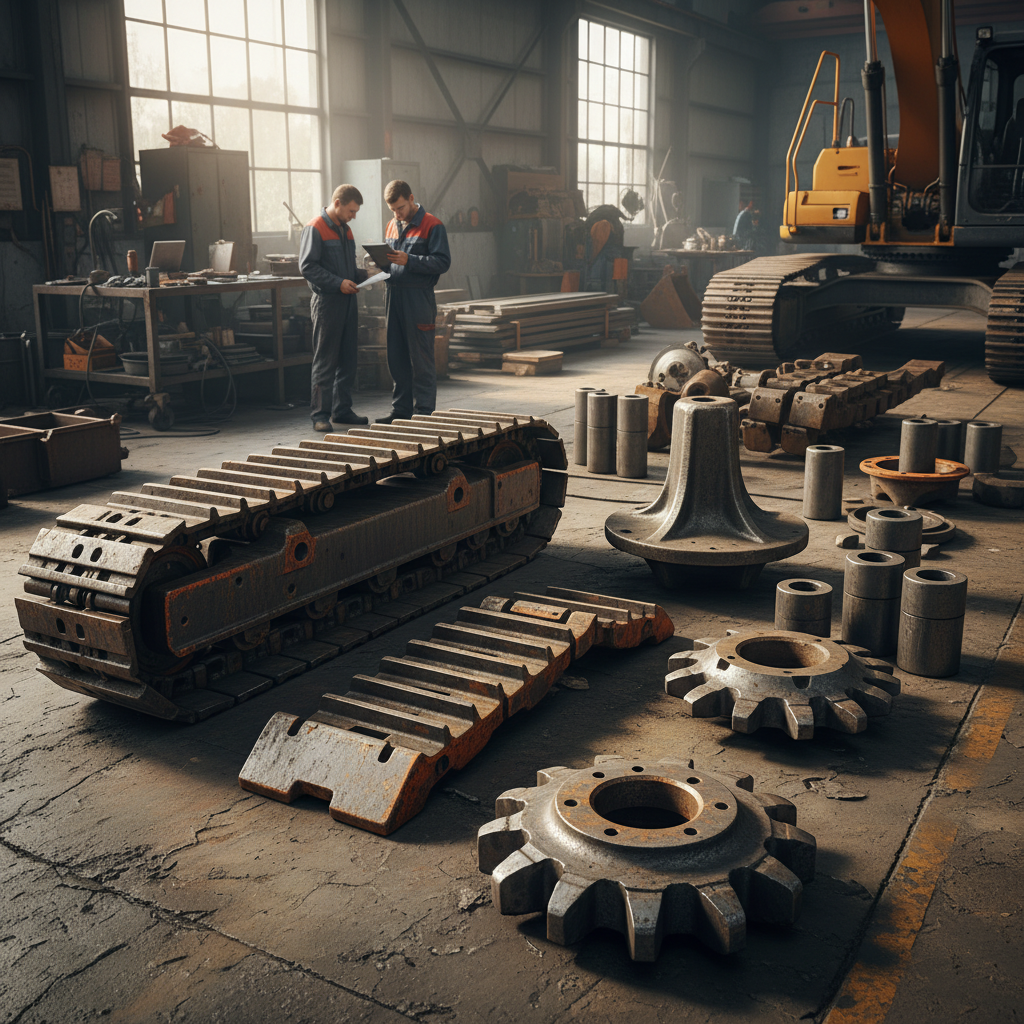
Essential Undercarriage Components Explained
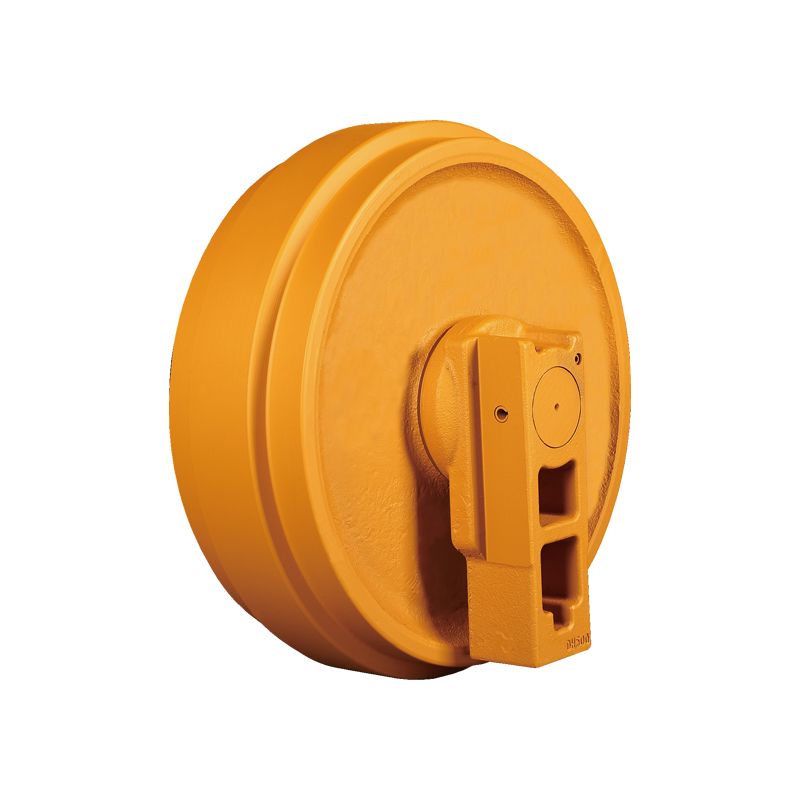
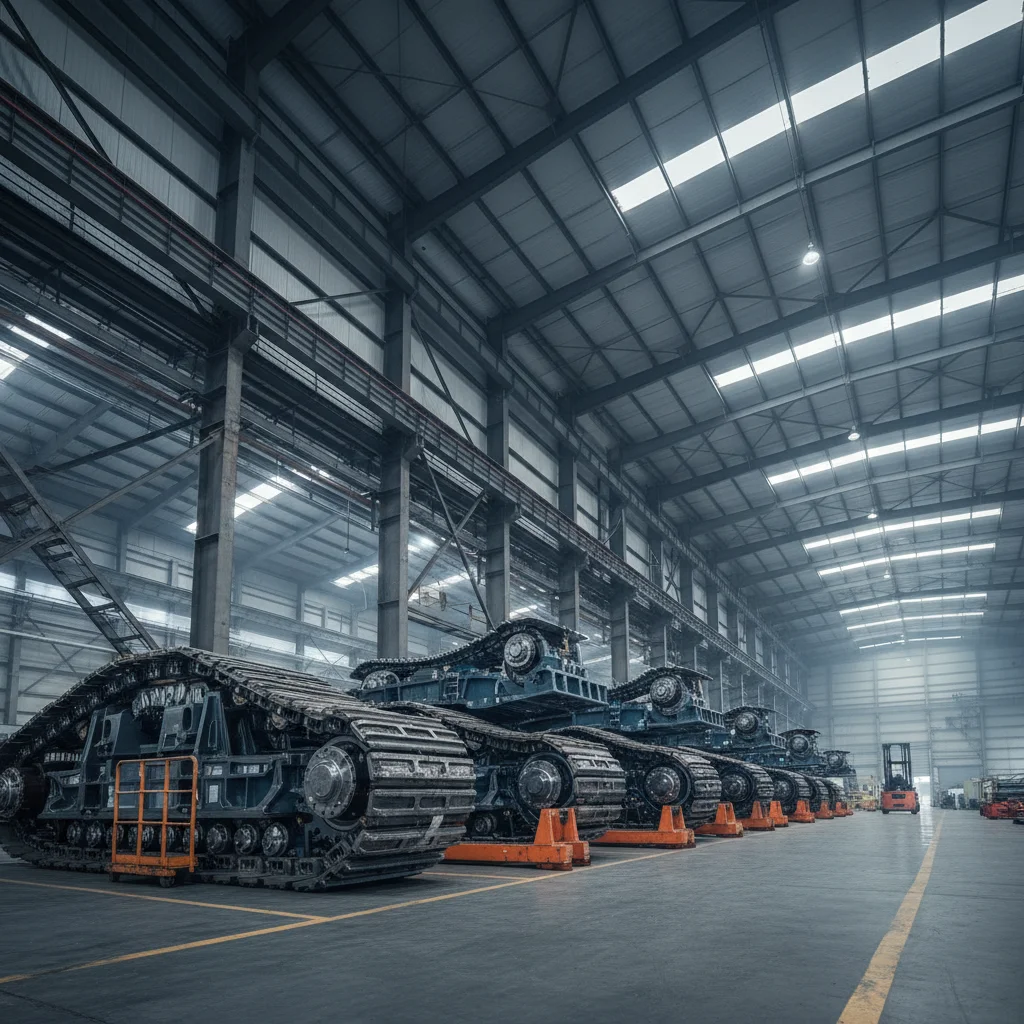
The undercarriage is the foundation of an excavator's mobility and stability. It comprises several key components working in unison. These include the tracks (rubber or steel), rollers (lower, upper, and idler), sprockets, and tensioners. Each part plays a specific role in distributing the machine's weight, providing traction, and ensuring smooth operation. The tracks directly interact with the ground, transferring power from the engine to move the excavator. Rollers support the tracks and reduce friction, while sprockets drive the tracks' movement. Properly functioning tensioners maintain the correct track tension, preventing slippage and damage. Regular inspection of all these components is essential for identifying wear and tear before they lead to significant issues.
Key Takeaway: A well-maintained undercarriage ensures optimal excavator performance, reduces downtime, and extends the machine's lifespan.
Understanding Track Types: Rubber vs. Steel
Excavator tracks come in two primary types: rubber and steel. Rubber tracks are typically found on smaller excavators and offer several advantages, including quieter operation, lower ground pressure (reducing damage to sensitive surfaces), and improved ride comfort. Steel tracks, on the other hand, are more durable and suited for heavy-duty applications, rocky terrains, and abrasive environments. They provide superior traction and longer lifespan, but at the cost of increased noise and potential damage to surfaces. The choice between rubber and steel tracks depends heavily on the specific application and operating conditions. When selecting tracks from a supplier like Crafts MFG, consider your primary usage scenario.
Track Type Comparison:
• Rubber Tracks: Quieter, lower ground pressure, better ride comfort.
• Steel Tracks: More durable, superior traction, longer lifespan in harsh environments.
Common Undercarriage Issues and How to Identify Them
Undercarriage components are subjected to significant stress and wear. Common issues include track slippage, roller wear, sprocket damage, and track tension problems. Track slippage can be caused by low track tension, worn sprockets, or excessive weight. Roller wear is often indicated by flat spots or excessive play. Sprocket damage, such as broken teeth, reduces track engagement and efficiency. Incorrect track tension can lead to premature wear of all undercarriage components. Regularly inspecting these parts for signs of damage or wear is crucial for preventing costly breakdowns. Early detection and replacement of worn components can significantly extend the lifespan of the undercarriage.
Choosing the Right Undercarriage Parts from Crafts MFG
Selecting the right undercarriage parts is critical for ensuring optimal performance and longevity. Crafts MFG offers a comprehensive range of high-quality undercarriage components designed to meet the demands of various excavator models and applications. When choosing parts, consider factors like the excavator's operating environment, the type of materials being excavated, and the expected lifespan. It's also important to verify compatibility with your specific excavator model. Crafts MFG provides expert guidance and support to help you select the best parts for your needs, ensuring a perfect fit and reliable performance.
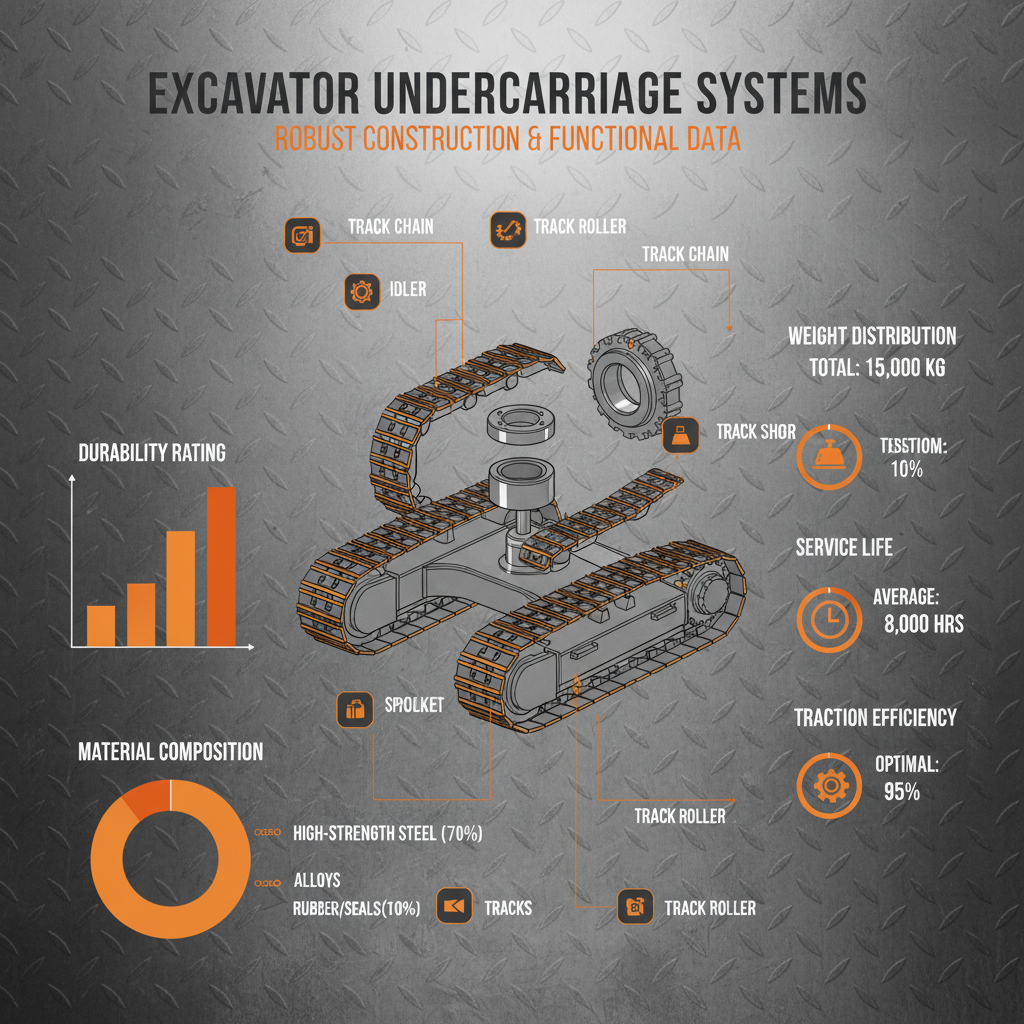
Prolonging Undercarriage Life: Preventative Maintenance Tips
Implementing a proactive maintenance schedule can significantly extend the life of your excavator's undercarriage. Regular cleaning to remove debris, proper lubrication of rollers and pins, and consistent track tension adjustments are crucial steps. Monitoring wear patterns and addressing minor issues promptly can prevent them from escalating into major repairs. Furthermore, operating the excavator correctly and avoiding excessive strain can minimize wear and tear. Investing in preventative maintenance is a cost-effective strategy for maximizing uptime and minimizing long-term expenses.
Conclusion: Investing in Quality Undercarriage Parts
Maintaining a healthy undercarriage is paramount to the longevity and productivity of your excavator. By understanding the key components, recognizing common issues, and implementing preventative maintenance practices, you can minimize downtime and maximize your return on investment. Crafts MFG provides the high-quality undercarriage parts for excavator and expert support you need to keep your machinery running smoothly.
Frequently Asked Questions (FAQs)
How often should I inspect my excavator’s undercarriage?
Regular inspections are crucial. A quick visual check should be performed daily before operation, looking for obvious signs of damage like cracked tracks or loose rollers. A more thorough inspection, including checking track tension and lubrication levels, should be conducted weekly or every 50 operating hours, depending on the severity of the operating conditions. Keep detailed records of inspections and maintenance performed to track wear and identify potential issues early. Early detection can save significant costs in the long run by preventing catastrophic failures.
What is the proper track tension for my excavator?
Proper track tension is vital for optimal performance and component life. Tension that's too low can lead to track slippage and excessive wear on sprockets and idlers. Too much tension strains the rollers and increases fuel consumption. The correct tension varies depending on the excavator model and operating conditions. Refer to your excavator's operator manual for specific recommendations. A general guideline is that the track should have a slight sag when measured at a specific point along the lower run. Crafts MFG can also provide guidance on determining the appropriate tension for your machine.
What are the signs that my excavator rollers need to be replaced?
Several signs indicate that your excavator rollers may need replacement. These include flat spots on the roller surface, excessive play or wobble, difficulty rotating, and noticeable wear on the flanges. If you observe any of these symptoms, it's crucial to inspect the rollers closely and replace them if necessary. Continuing to operate with worn rollers can accelerate wear on other undercarriage components, leading to more significant and costly repairs. Regularly inspect rollers during routine maintenance and replace them proactively to maintain optimal performance.
Post time: Mar-17-2026