Understanding the Root Grapple: Essential Tool for Modern Earthmoving
If you haven’t come across the term root grapple before, you’re not alone. It might sound like some kind of wrestling move, but it’s actually a game-changer in forestry, construction, and environment management worldwide. To put it simply, root grapples are heavy-duty mechanical attachments designed to grab, lift, and move large roots, logs, and debris efficiently. Beyond just making life easier for operators, they address booming global needs in urban development, land clearing, and disaster recovery — areas where speed and care matter tremendously.
Global Relevance of Root Grapples in Industry and Ecology
According to the United Nations, land degradation affects over 2 billion hectares globally. That’s where root grapples step in. Their ability to safely remove stubborn tree roots and timber supports reforestation projects, infrastructure expansion, and erosion control efforts, especially in developing regions. Moreover, in disaster zones grapples help clear rubble swiftly — a vital factor in humanitarian response. Experts note that mechanized root and debris handling cut manual labor time by roughly 25-40%, a substantial efficiency gain.
What Exactly is a Root Grapple?
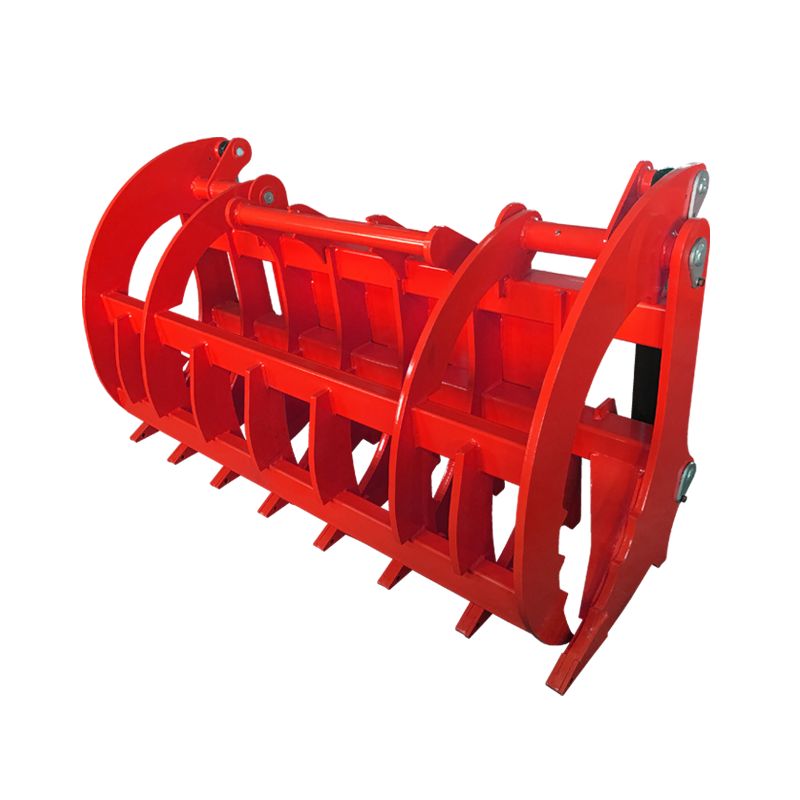
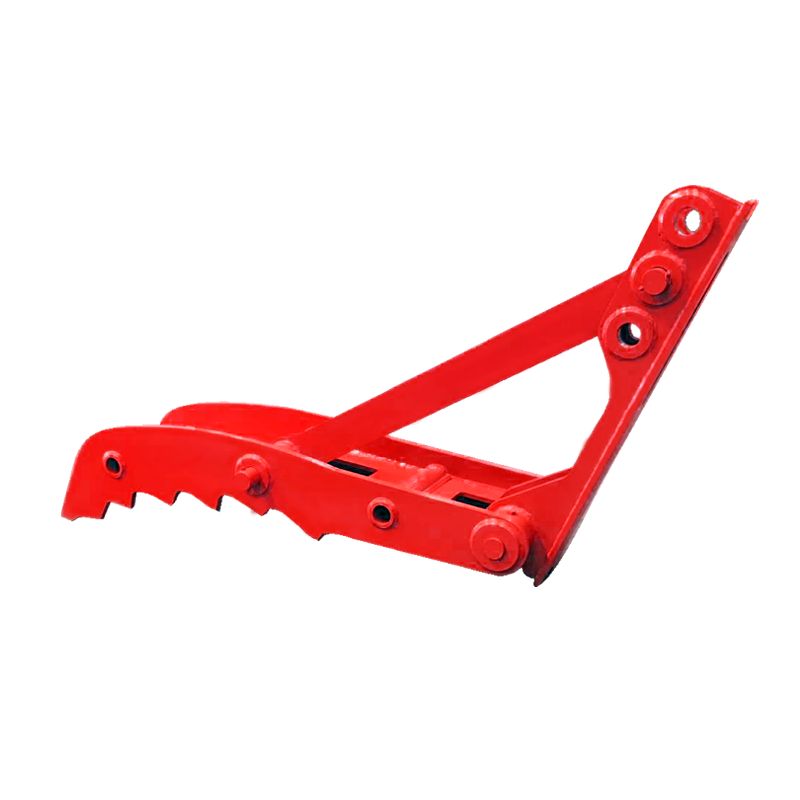
So, what is a root grapple? It’s a hydraulic or mechanical claw attachment for excavators or loaders. These claws clamp around uneven, heavy, and bulky objects like tree stumps, root balls, brush, or demolition debris. Unlike simple buckets or forks, the grapple’s curved tines provide precision grip and minimal ground disturbance. In practical terms, think of it as a giant hand able to delicately grab awkward materials that regular tools just can’t handle well.
Core Components and Key Features
1. Durability
The grapple is built with reinforced steel to survive pounding, dragging, and lifting of dense roots and rocks. High-quality welds and abrasion-resistant coatings extend lifespan.
2. Hydraulic Precision
Modern root grapples use advanced hydraulic cylinders allowing fine control over opening angles, grip strength, and rotation. This precision reduces damage to soil and surrounding flora.
3. Versatility
Many models fit a range of machines from skid steers to excavators, enabling use in forest logging, landscaping, and cleanup tasks.
4. Cost Efficiency
Though initial investment is higher than basic buckets, root grapples reduce overall operational costs by saving time and decreasing equipment wear.
5. Safety Features
Hydraulic locks and overload sensors prevent accidental drops or slippages, ensuring operator and site safety even in challenging terrains.
Product Specifications Overview
| Specification | Typical Range | Notes |
|---|---|---|
| Opening Width | 900 - 1800 mm | Depends on grapple size/model |
| Weight | 150 - 600 kg | Varies with material grade |
| Hydraulic Pressure | 150 - 350 bar | Operates within standard excavator hydraulics |
| Material | High-strength steel | Abrasion resistant coatings applied |
| Rotation | 0° - 360° (optional) | For working flexibility on rough sites |
Global Applications and Industry Use Cases
Root grapples find critical use in various sectors worldwide. Forest managers in Scandinavia employ them for sustainable logging practices that minimize collateral damage. In the US Pacific Northwest, they’re pivotal to wildfire clean-up operations, swiftly removing burned shrubs and trees to prepare lands for regrowth. Oddly enough, in post-hurricane relief across the Caribbean, root grapples enable fast clearing of debris to restore infrastructure and reopen roads.
Industrial construction sites in Southeast Asia use them to clear foundational areas without excessive soil disruption, vital in flood-prone regions. Even urban landscaping firms rely on root grapples for transplanting large trees or cleaning out parklands efficiently.
Comparing Popular Root Grapple Vendors
| Manufacturer | Model Range | Price Range (USD) | Key Features |
|---|---|---|---|
| Crafts Manufacturing | RTG-900 to RTG-1800 | $4,500 - $9,200 | Heavy-duty steel; Optional 360° rotation; Easy maintenance |
| IronClaw Inc. | IC-Standard Series | $3,800 - $8,700 | Hydraulic overload sensors; Modular design |
| Forestry Tools Co. | FT Grapple Line | $5,000 - $10,500 | Enhanced durability; Designed for active forestry |
Advantages and Long-Term Value of Root Grapples
Investing in a root grapple pays off in more ways than just speed. On a practical level, these tools slash manual labor and machine hours — which translates to big cost savings. Sustainability-wise, their precision grip allows selective clearing, preserving healthy soil and surrounding plants. This means projects align better with environmental regulations and reduce ecological footprints. I often hear operators talk about the “confidence” these grapples inspire; knowing the grapple won’t slip or cause damage brings peace of mind on tough sites.
Emerging Trends and Innovations in Root Grapple Technology
The future feels quite exciting. Manufacturers are integrating smart sensors to monitor wear and hydraulic pressure in real time, reducing downtime surprises. There’s also a push towards lighter, composite materials blending strength with weight reduction, making grapples easier on machinery and fuel-efficient. Oddly enough, some companies are experimenting with electric-powered grapples tailored for quieter, zero-emission urban jobsites. And of course, digital modeling helps customize grapple sizes perfectly to client needs.
Challenges and Expert Solutions
Despite obvious benefits, getting the most out of root grapples isn’t without hurdles. Terrain variability often challenges grip stability, and not all machines pair well with every grapple type. From experience and engineering insight, I’d recommend operators carefully match grapple specs to their equipment. Also, regular maintenance can’t be overstated — ignoring small hydraulic leaks or wear spots can quickly escalate costs. The good news? Many vendors now offer training and maintenance packages, which frankly takes a big load off buyer worries.
FAQ: Practical Questions on Root Grapples
- Q: How do I choose the right root grapple size for my excavator?
A: Consider the excavator’s hydraulic flow, arm reach, and lifting capacity. Ideally, select a grapple matching your machine’s tonnage and pressure to avoid performance issues. Consult vendor specs or talk to experts. - Q: Can root grapples be used in rocky or frozen soils?
A: Yes, but it requires heavier-duty models with abrasion-resistant tines. In frozen conditions, some grapples feature specialized coatings to prevent material sticking and reduce wear. - Q: Are root grapples compatible with skid steers or only excavators?
A: Many grapples are designed for multiple machine types, including skid steers, but compatibility depends on mounting systems and hydraulic connections. It’s best to confirm before purchase. - Q: How often should I maintain my grapple’s hydraulic system?
A: For reliable operation, inspect hydraulic hoses and cylinders monthly. Replace worn seals and check oil levels as per manufacturer guidelines — usually every 250 hours of use.
Conclusion and Next Steps
In short, the root grapple stands out as an indispensable asset in earthmoving and environmental restoration projects worldwide. Its unique blend of power, finesse, and versatility makes it ideal for tackling tough land clearing and debris handling jobs — fast, safe, and with minimal collateral damage. If you’re ready to explore robust models tailored to your machinery and application, I suggest starting with a trusted manufacturer.
Visit https://www.crafts-mfg.com to see their range of root grapples and learn how they can elevate your operations today.
Mini Takeaway: Root grapples combine heavy strength and precise control, making them vital for sustainable and efficient land and debris management globally.
References:
Post time: Dec-03-2025