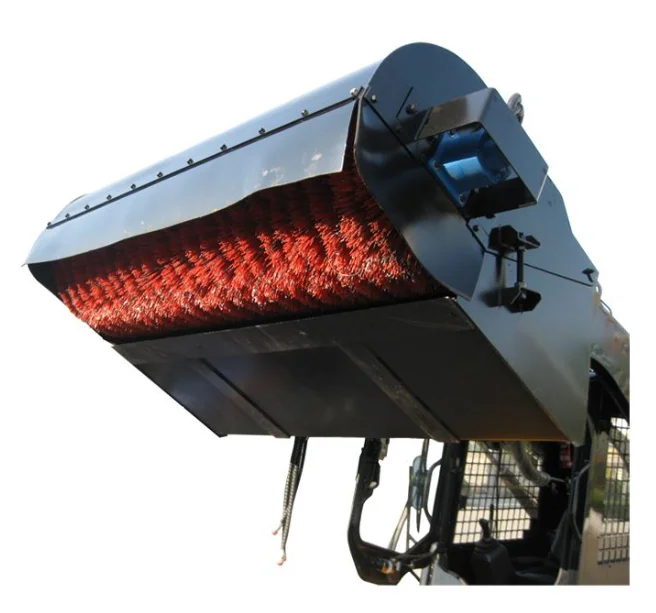
Understanding the Wheel Loader Coupler: A Key Component in Modern Material Handling
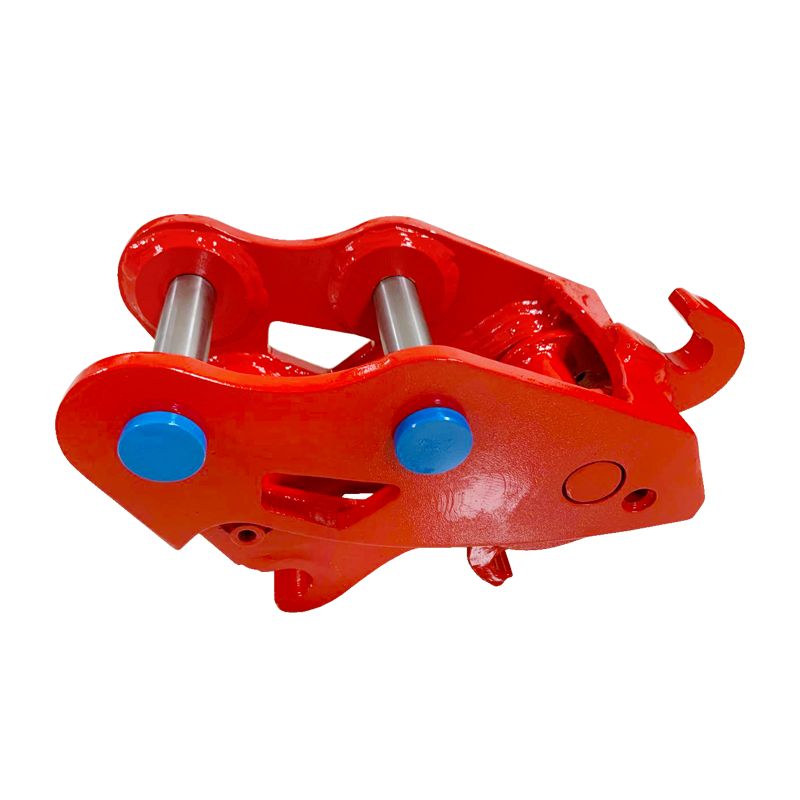
The term wheel loader coupler might sound niche, but its impact in both industrial and humanitarian sectors is surprisingly broad. Simply put, a wheel loader coupler is a mechanical device that connects attachments to wheel loaders—think buckets, forks, or grapples—allowing operators to quickly switch tools for different jobs. Why does this matter globally? Because efficient coupling solutions enhance productivity, safety, and adaptability in construction, mining, disaster relief, and more. In a world where infrastructure and logistics are critical to development and emergency response alike, understanding how wheel loader couplers work—and why they matter—is both practical and timely.
Global Context: Why Wheel Loader Couplers Matter in Today’s Industry
The global construction equipment market alone is projected to reach over $150 billion by 2027, with wheel loaders comprising a significant share. According to the International Organization for Standardization (ISO), equipment interoperability standards are evolving, shining a spotlight on components like couplers that drastically affect workflow efficiency. A challenge many projects face worldwide is downtime caused by slow attachment swaps. This impacts not only commercial productivity but also humanitarian relief efforts, where every minute counts. Wheel loader couplers address these issues by minimizing transition times and increasing overall operational flexibility.
Mini takeaway: Wheel loader couplers are at the intersection of operational efficiency and global industry demands—small devices with outsized impact.
What Is a Wheel Loader Coupler?
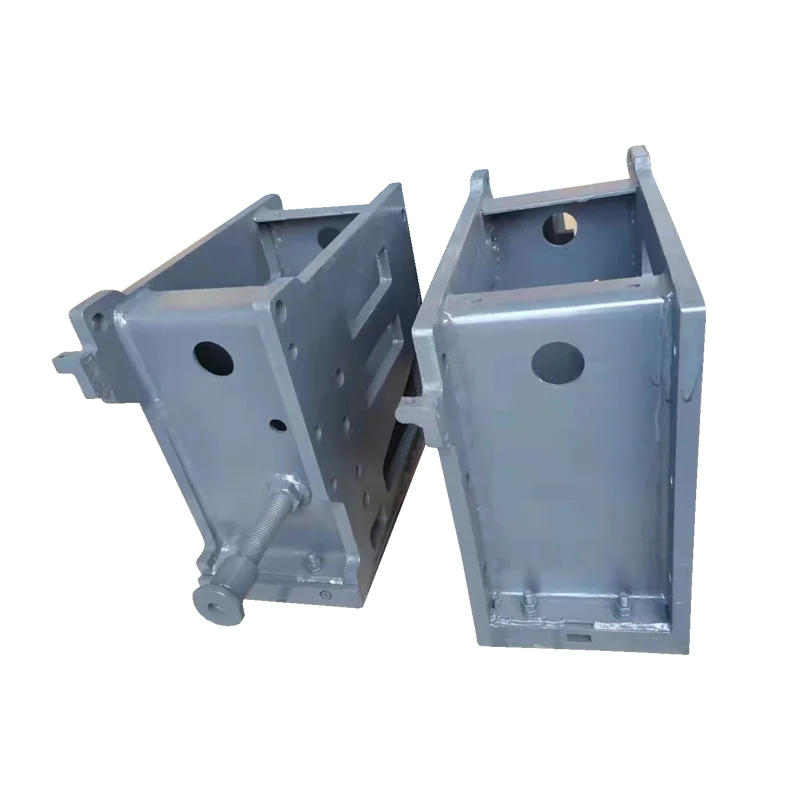
Simply put, a wheel loader coupler is the interface enabling a wheel loader to attach various implements without manually adjusting pins or bolts. It’s a bit like the universal socket set of heavy machinery. This means one machine can perform multiple tasks, from digging and loading to lifting and grading, by swapping out attachments quickly and safely. As industries push towards multipurpose equipment to reduce costs and resource usage, couplers become essential.
Moreover, in humanitarian contexts—like post-disaster recovery—wheel loader couplers enable rapid reconfiguration of machinery to clear debris or transport supplies, helping agencies respond more nimbly.
Key Factors in Wheel Loader Coupler Design and Application
- Durability: Couplers must withstand heavy mechanical stress, abrasive environments, and harsh weather. Materials like high-strength steel and advanced alloys are often used to ensure longevity.
- Safety Mechanisms: Automatic locking systems prevent accidental detachment, a critical feature given the potentially hazardous environments where wheel loaders operate.
- Versatility: Compatibility with multiple attachment types improves a loader’s utility, reducing the need for extra machines on-site.
- Ease of Maintenance: Fewer moving parts and accessible design help reduce downtime and maintenance costs.
- Cost Efficiency: Investing in a quality coupler can reduce labor, fuel consumption, and overall project duration.
- Hydraulic Integration: Some modern couplers integrate with loader hydraulics, allowing remote attachment changes without the operator leaving the cab.
Mini takeaway: The best wheel loader couplers balance strength, safety, and simplicity to deliver practical worksite advantages.
Wheel Loader Coupler Specifications at a Glance
| Specification | Typical Range | Notes |
|---|---|---|
| Weight Capacity | 1–10 tons | Depends on loader size & model |
| Material | High-strength steel, alloy steel | Corrosion resistant coatings common |
| Attachment Interface | Pin-on or quick coupling | Quick couplers save significant time |
| Operation | Manual / Hydraulic | Hydraulic models offer remote control |
Applications Around the World
Wheel loader couplers play vital roles in several industries globally: mining in Australia, construction in Europe, forestry in North America, and agriculture in South America. Not to mention their pivotal role in disaster relief operations across Asia and Africa—where removing rubble and placing temporary infrastructure quickly can save lives.
For example, in the aftermath of a typhoon in the Philippines, NGOs used wheel loaders equipped with quick couplers to rapidly swap attachments — from buckets clearing debris to forks handling aid supplies. Similarly, remote mining operations in Canada rely on couplers to switch attachments without having multiple machines, cutting fuel and labor costs dramatically.
Mini takeaway: Wheel loader couplers are worldwide tools for adaptability, efficiency, and multi-task operation across diverse environments.
Advantages and Long-Term Value of Efficient Couplers
The practical upsides go beyond just faster switching. Couplers boost operational safety by reducing manual intervention—ewer workers exposed to hazards. They cut costs by maximizing machinery usage and minimizing downtime, critical for tight project timelines and budgets.
There’s also an environmental side to this: fewer machines running simultaneously means lower carbon footprints—an increasingly important factor as industries align with sustainability goals like those outlined by the United Nations Environment Programme (UNEP).
From an emotional standpoint, operators often trust couplers that “just work” and feel safer operating machinery more flexibly without risking attachment failure. This kind of reliability isn’t just a nice feature; it reflects deeply on project success and worker dignity.
Looking Ahead: Innovations and Future Trends
Interestingly, the coupling space is evolving with tech advances. We’re seeing intelligent couplers equipped with sensors that alert operators about attachment integrity. Integration with digital fleet management allows predictive maintenance—saving surprise breakdowns on critical builds.
Materials science breakthroughs bring lighter, stronger alloys that extend coupler life and reduce loader fuel consumption. Electrification and green energy integration will likely influence coupling systems too, as machines become hybrid or fully electric, necessitating updated hydraulic and mechanical interfaces.
Challenges and Solutions
Despite these advances, challenges remain. Not all couplers fit every attachment perfectly, and sometimes incompatibility delays projects. Plus, in harsh environments, corrosion or mechanical wear can undermine coupler safety.
Experts recommend routine inspections and standardized equipment specs. Manufacturers are also exploring modular coupler designs that adapt to different machines and attachments more seamlessly. Training operators and site managers on proper locking and maintenance can’t be overstated—it’s the simplest way to prevent accidents.
Wheel Loader Coupler FAQ
- Q: How quickly can a wheel loader coupler swap attachments?
A: With a hydraulic quick coupler, swapping can take less than a minute, while manual systems may take several minutes depending on the operator’s experience. - Q: Are all wheel loader couplers compatible across brands?
A: Unfortunately, no. Coupler and attachment compatibility vary, so it’s important to verify fitment with manufacturers or check ISO standards when possible. - Q: What maintenance does a coupler need?
A: Regular lubrication, inspection for cracks or deformation, and ensuring locking mechanisms are secure are standard practices to maintain safety and functionality. - Q: Can couplers help reduce project costs?
A: Absolutely. By allowing quick changes and multipurpose machine use, couplers reduce labor hours, fuel, and the need to buy or rent additional equipment.
How Do Leading Vendors Compare?
| Vendor | Coupler Type | Key Feature | Price Range |
|---|---|---|---|
| Brand A | Hydraulic Quick Coupler | Remote locking system | $6,000–$8,500 |
| Brand B | Manual Pin-On Coupler | Heavy-duty corrosion resistance | $3,000–$5,000 |
| Brand C | Semi-Automatic Coupler | Semi-remote operation, compact design | $4,500–$7,000 |
In real terms, choosing the right wheel loader coupler depends on your project needs, budget, and preferred ease-of-use balance. For a quick swap and high safety, hydraulic models shine. If you want durability and simplicity, manual might suffice.
Conclusion: Why Invest in the Right Wheel Loader Coupler?
To wrap up, the wheel loader coupler is much more than a simple link; it’s a strategic investment that impacts safety, efficiency, and adaptability on job sites around the world. From speeding up workflow to enabling multipurpose equipment use, couplers are a quiet but vital part of modern material handling. For anyone operating or procuring wheel loaders, understanding these devices isn’t optional — it’s essential.
For more insights or to explore our range, visit wheel loader coupler solutions tailored to your industry.
Oddly enough, the success of massive projects often hinges on such ‘small’ details—never underestimate them.
Quick Summary
- Wheel loader couplers enable quick and safe attachment swapping, improving efficiency.
- They have broad applications in construction, mining, agriculture, and humanitarian aid worldwide.
- Durability, safety, versatility, and maintenance are core to design success.
- Future trends include automation, sensor tech, and sustainable materials.
- Choosing the right coupler depends on operational needs, budget, and site conditions.
References
Post time: Dec-03-2025