Undercarriage Parts for Dozers: A Comprehensive Guide
The undercarriage is the heart of any dozer, responsible for transferring power to the ground and enabling efficient operation. Ensuring its longevity and performance is crucial for minimizing downtime and maximizing productivity. This article provides a detailed overview of undercarriage parts for dozers, covering key components, maintenance best practices, and factors to consider when selecting replacements. We'll explore how quality undercarriage parts contribute to a dozer's overall efficiency and lifespan. A well-maintained undercarriage translates directly to reduced operating costs and increased profitability.
Key Components of a Dozer Undercarriage
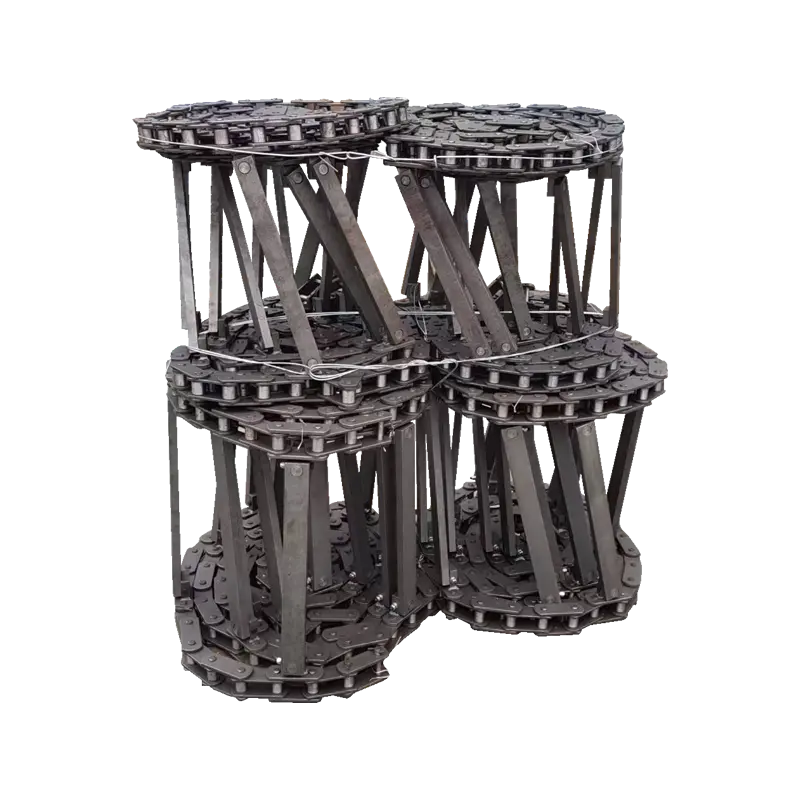
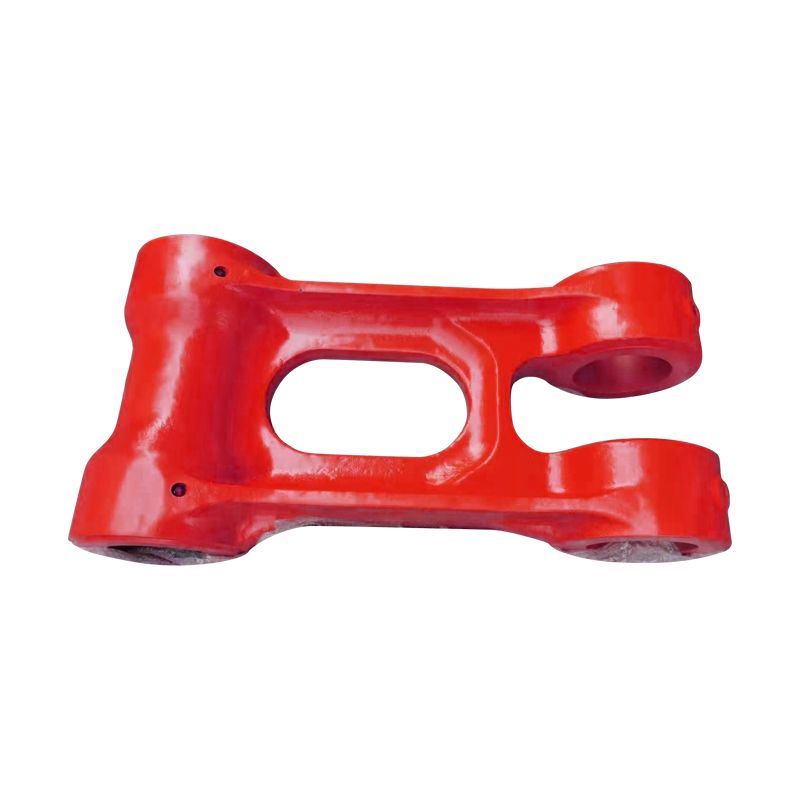
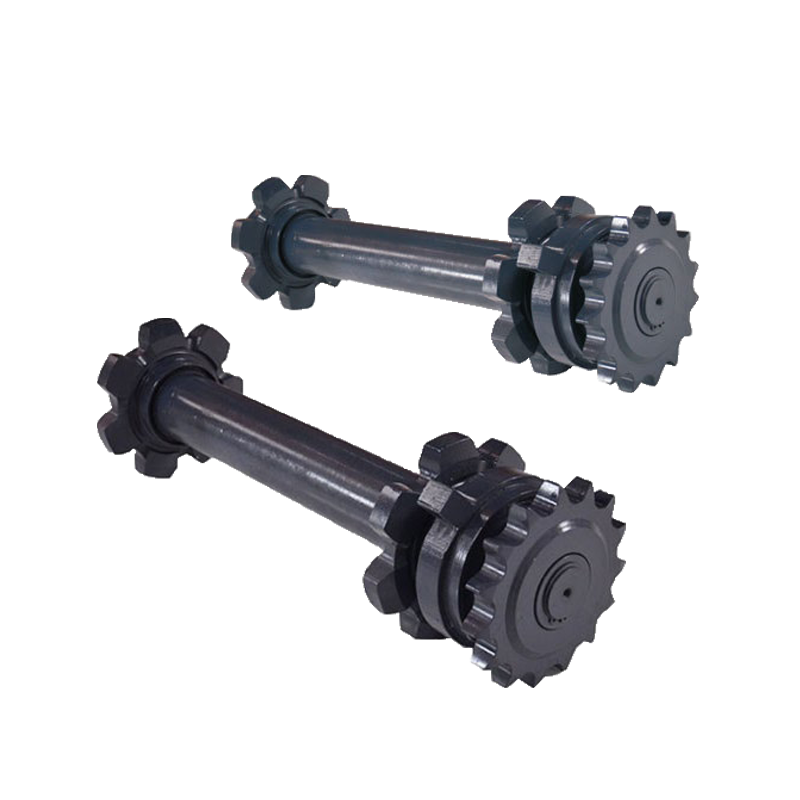
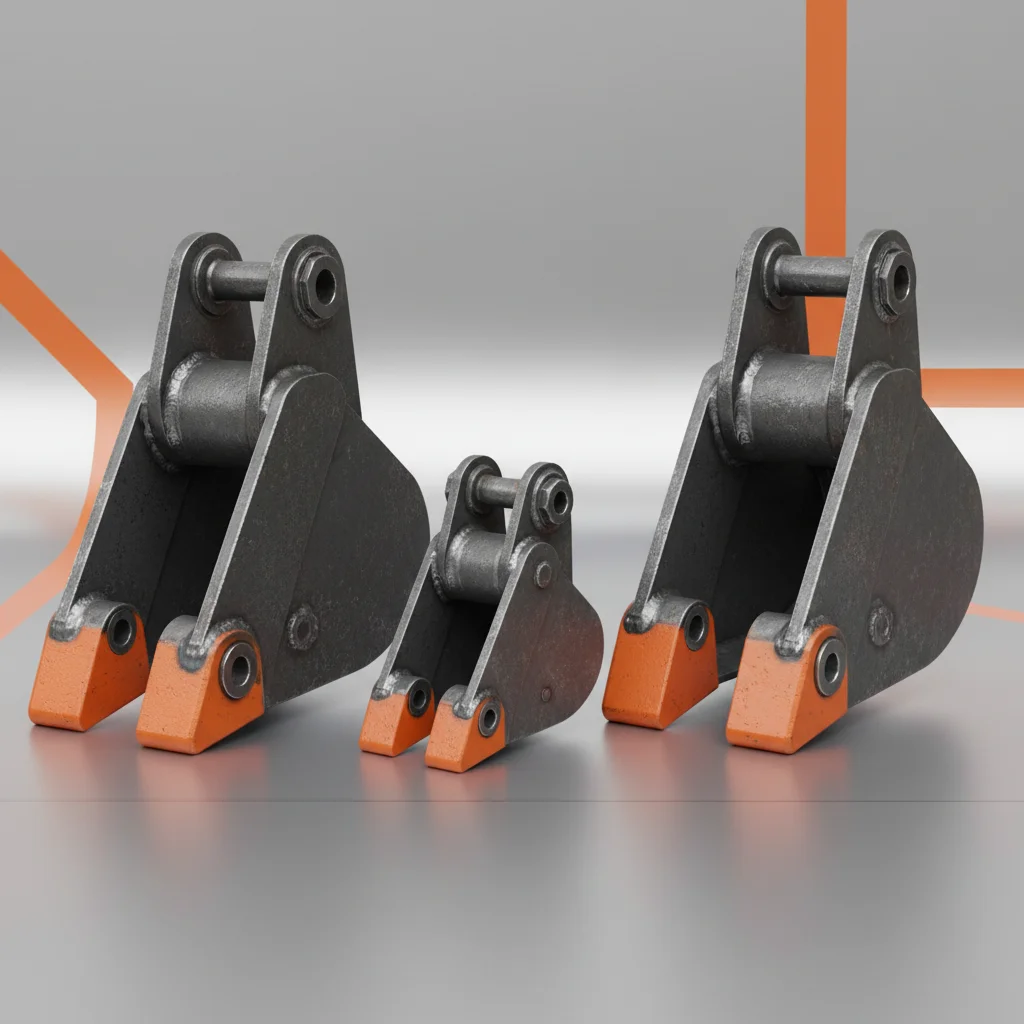
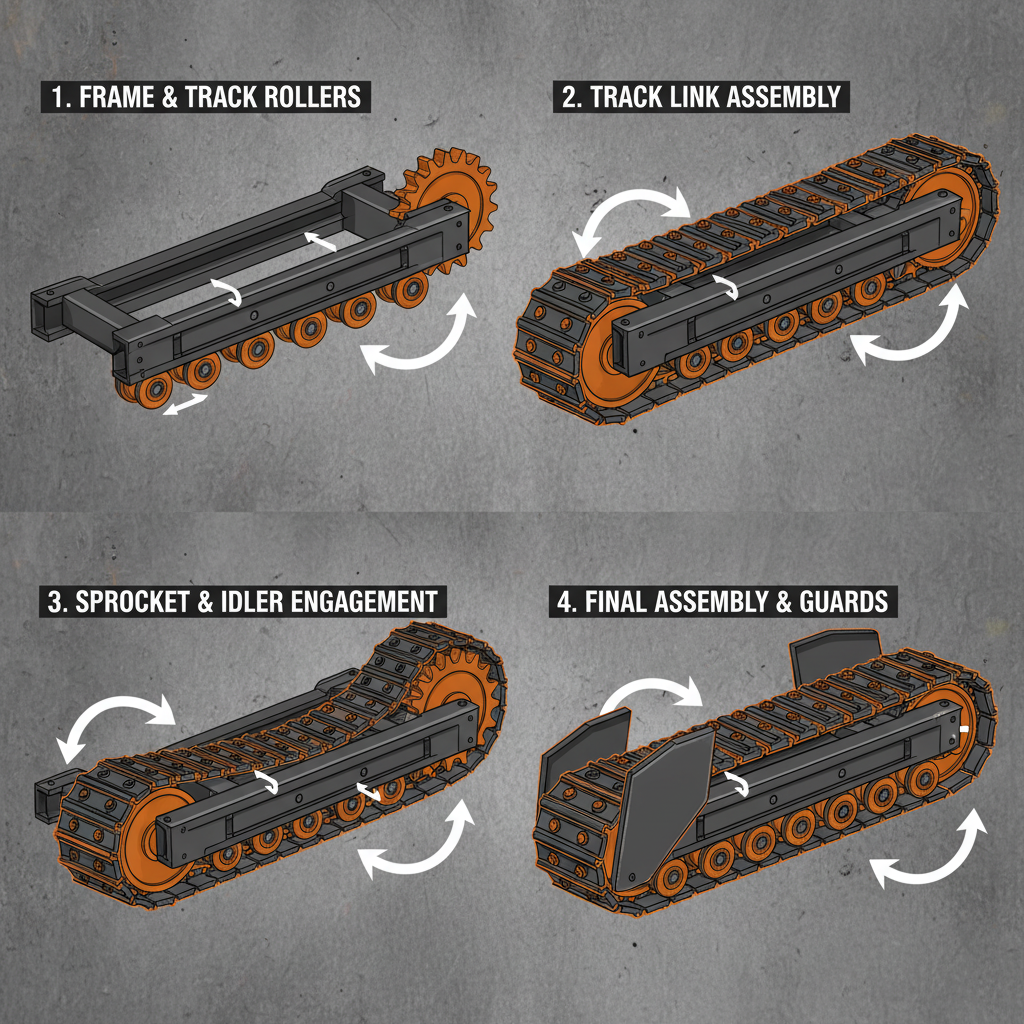
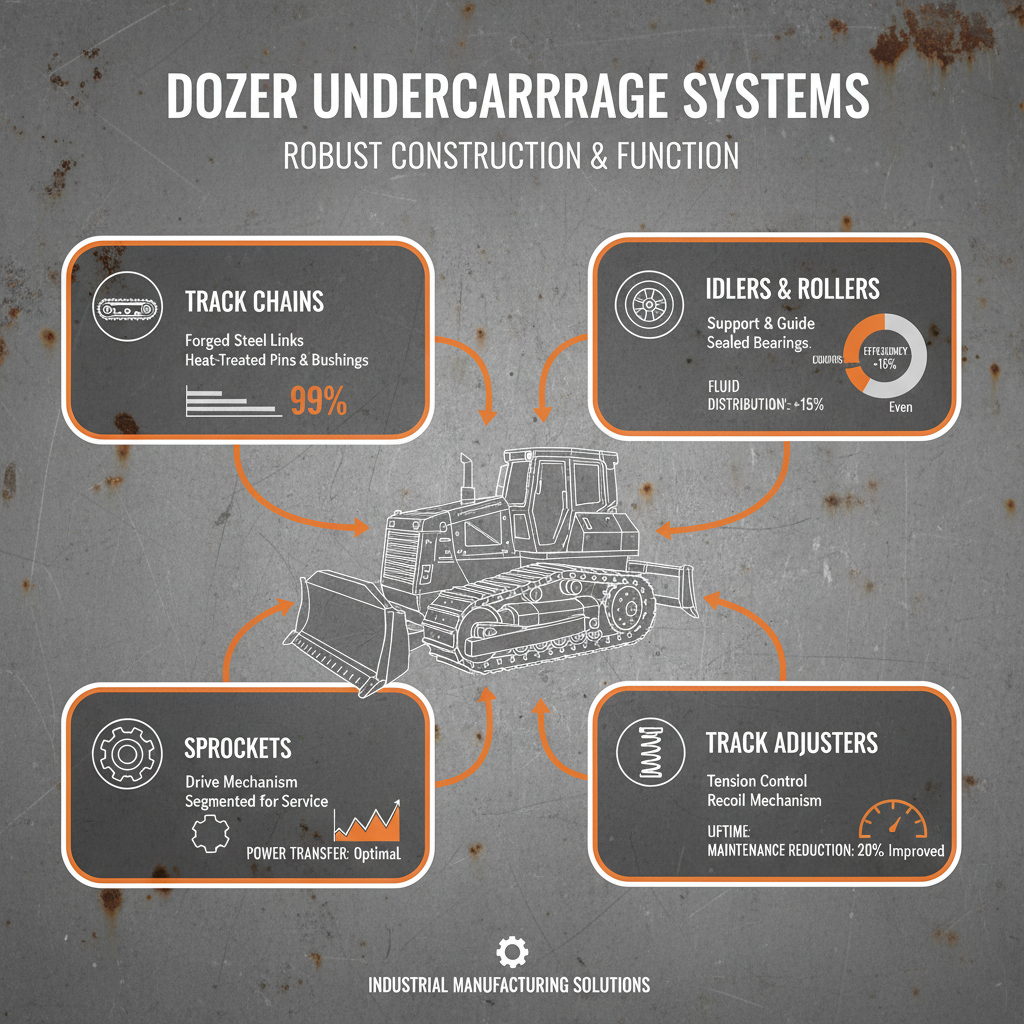
A dozer’s undercarriage comprises several vital components working in harmony. These include the tracks themselves, rollers (both carrier and track rollers), sprockets, idlers, and seals. The tracks provide traction and distribute the machine’s weight. Rollers support the track assembly and facilitate smooth movement. Sprockets drive the tracks, while idlers maintain tension. Seals prevent contaminants from entering and damaging internal components. Regular inspection and maintenance of each component are essential for preventing catastrophic failures. Understanding the function of each part allows for targeted maintenance and timely replacement when necessary. Crafts Manufacturing specializes in providing high-quality replacement parts for these critical systems.
Key Takeaway: The undercarriage's performance is directly linked to the quality and condition of its individual components. Proactive maintenance and timely replacement of worn parts are vital for maximizing dozer uptime and minimizing repair costs.
Choosing the Right Tracks for Your Dozer
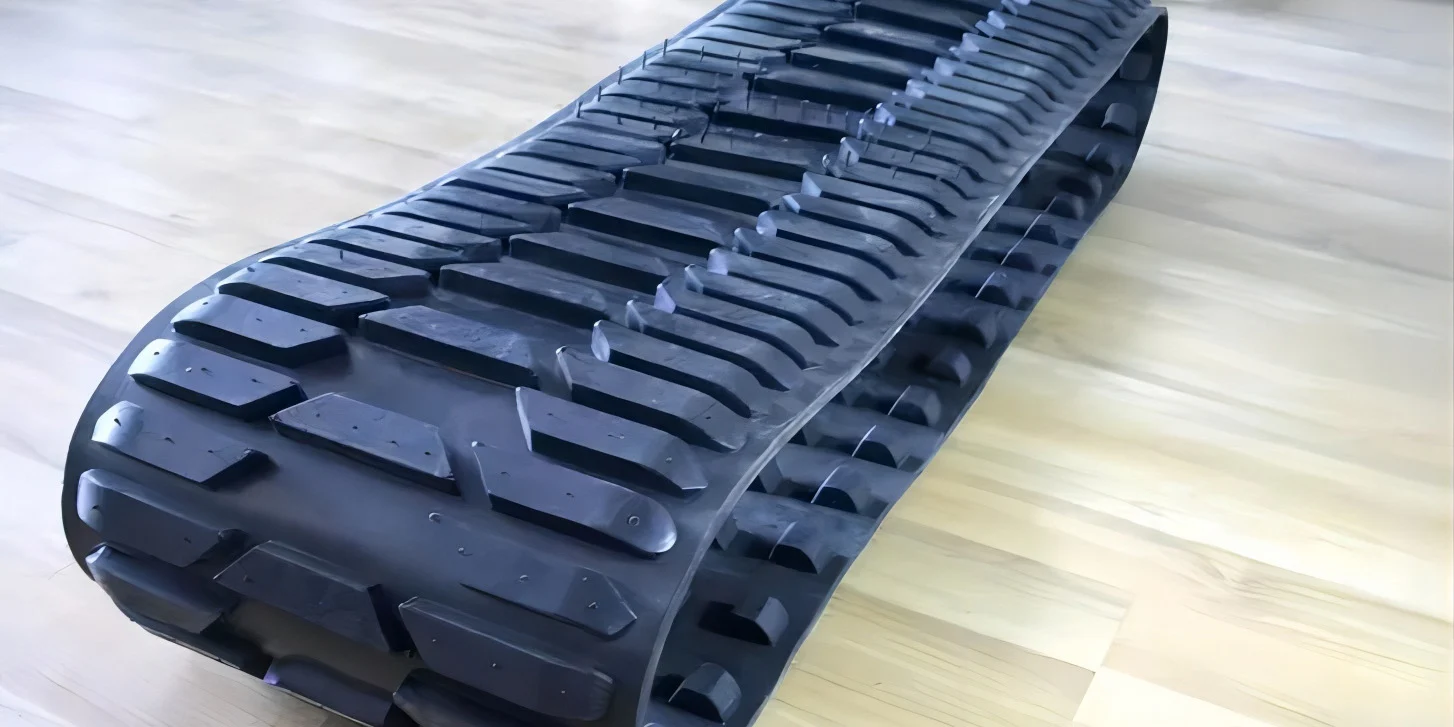
Selecting the appropriate tracks is paramount for optimal performance. Tracks come in various designs – standard, heavy-duty, and specialized for specific terrains. Consider the type of ground your dozer will be operating on. Rocky, abrasive conditions require more durable tracks with reinforced links. Softer soil might benefit from wider tracks to improve flotation. Track shoe width also plays a role; wider shoes distribute weight better, while narrower shoes offer reduced ground pressure. Choosing the correct track configuration will dramatically impact productivity and undercarriage life. Crafts Manufacturing offers a wide selection of tracks to meet diverse operational needs.
Track Selection Considerations:
• Terrain type (rocky, sandy, muddy)
• Ground bearing pressure requirements
• Operating weight of the dozer
• Expected lifespan and durability
Comparing Roller Types: Carrier vs. Track Rollers
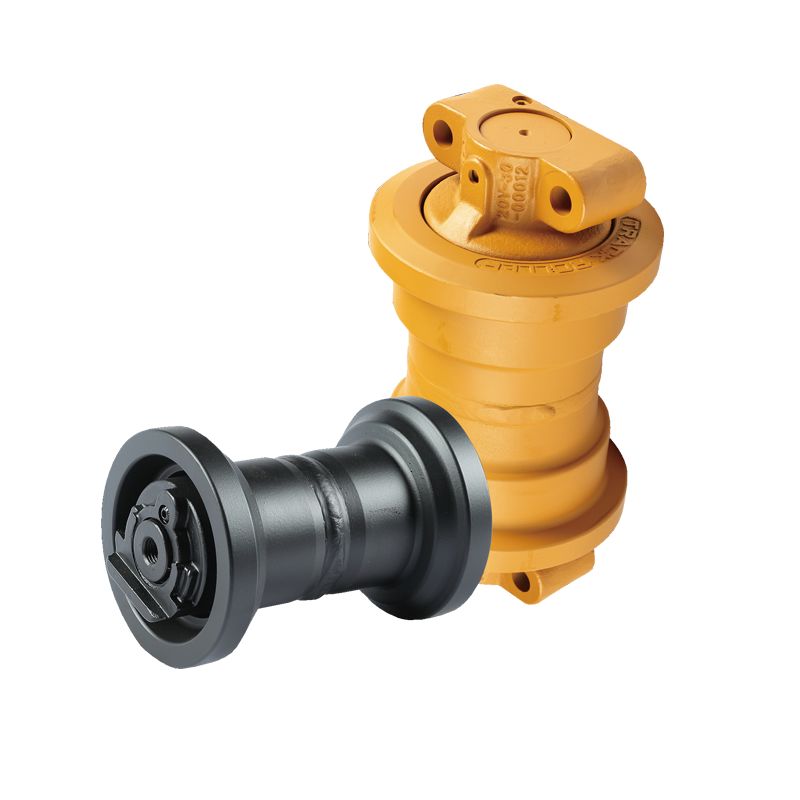
Rollers are critical for supporting the track assembly and ensuring smooth operation. There are two primary types: carrier rollers and track rollers. Carrier rollers support the track frame, while track rollers engage directly with the track links. Track rollers experience significantly more wear and tear and are typically replaced more frequently. Carrier rollers, while still subject to wear, have a longer lifespan. Using high-quality rollers with hardened surfaces and effective seals is vital for extending undercarriage life. Regularly inspecting rollers for wear, damage, and proper lubrication is crucial for identifying potential issues before they lead to costly repairs.
Undercarriage Maintenance Best Practices
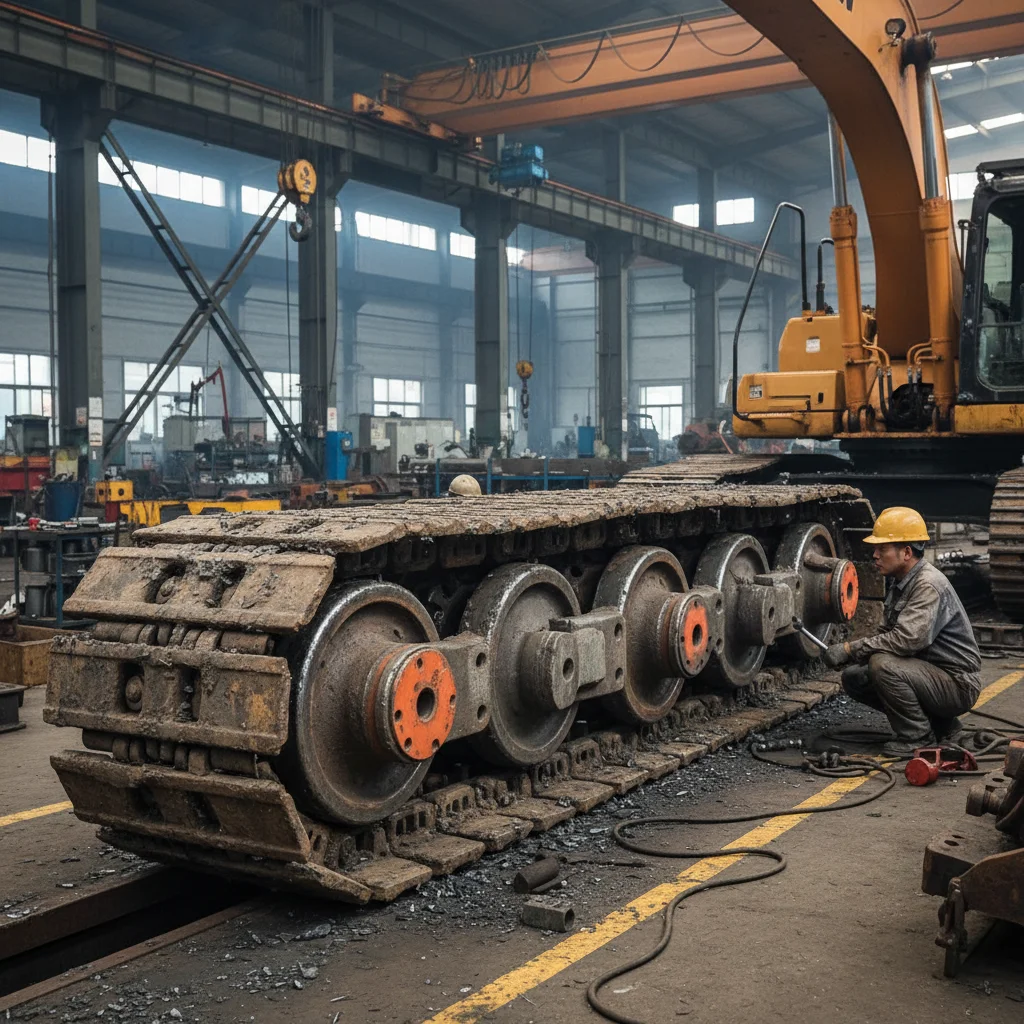
Proactive maintenance is the key to extending the life of your dozer’s undercarriage. This includes regular inspections for wear and damage, proper lubrication, and timely replacement of worn components. Monitor track tension regularly and adjust as needed. Inspect rollers and sprockets for tooth wear and damage. Check seals for leaks and replace them promptly. Keep the undercarriage clean to prevent debris buildup. Implementing a scheduled maintenance program will help identify potential issues before they escalate into costly repairs. Crafts Manufacturing can provide guidance on developing an effective maintenance schedule for your specific dozer model.
Factors Affecting Undercarriage Life
Several factors influence the lifespan of a dozer’s undercarriage. Operating environment plays a significant role; abrasive materials like rock and sand accelerate wear. Operator technique is also crucial; aggressive turning and excessive pivoting can increase stress on the undercarriage. Proper machine setup and operation, including correct track tension and consistent load distribution, are essential. Finally, the quality of the undercarriage components themselves directly impacts durability. Investing in high-quality parts from a reputable supplier like Crafts Manufacturing can significantly extend undercarriage life and reduce overall operating costs.
Conclusion: Maximizing Your Dozer’s Undercarriage Investment
Investing in quality undercarriage parts for dozers and implementing a proactive maintenance program are essential for maximizing your dozer’s uptime and minimizing operating costs. By understanding the key components, selecting the right tracks, and adhering to best maintenance practices, you can significantly extend the life of your undercarriage and ensure reliable performance. Don't compromise on quality – choose Crafts Manufacturing for all your undercarriage needs.
Frequently Asked Questions (FAQs)
How often should I inspect my dozer’s undercarriage?
Regular inspections are crucial. A quick visual inspection should be performed daily before operation, looking for obvious signs of damage or wear. A more thorough inspection, including checking track tension, roller condition, and seal integrity, should be conducted weekly or every 50 operating hours, whichever comes first. Keep detailed records of all inspections and maintenance performed.
What are the signs that my dozer tracks need to be replaced?
Several indicators suggest it’s time to replace your dozer tracks. These include excessive wear on the track links, cracked or broken links, difficulty maintaining track tension, and visible damage to the track shoes. If you notice any of these signs, it’s essential to replace the tracks promptly to prevent further damage to other undercarriage components and avoid costly downtime.
How can I extend the life of my dozer’s undercarriage?
Several practices can help extend undercarriage life. These include maintaining proper track tension, operating the dozer with smooth, controlled movements, avoiding excessive spinning of the tracks, keeping the undercarriage clean, and using high-quality undercarriage components from a trusted supplier like Crafts Manufacturing. Regular lubrication is also critical.
What is the role of seals in the undercarriage?
Seals play a vital role in protecting the undercarriage components from contamination. They prevent dirt, debris, and moisture from entering the rollers, sprockets, and other critical parts. Damaged or worn seals can lead to increased wear, reduced lubrication effectiveness, and ultimately, premature component failure. Regularly inspecting and replacing seals as needed is crucial for maintaining undercarriage health.
Post time: Feb-27-2026