Understanding Single Flange Track Rollers: A Comprehensive Guide
Single flange track rollers are essential components in a wide array of heavy machinery and industrial applications, playing a critical role in efficient and reliable operation. These rollers, frequently used in excavators, bulldozers, cranes, and other tracked vehicles, support the weight of the machine and facilitate smooth movement. At Crafts-Mfg, we specialize in the design and manufacturing of high-quality single flange track rollers, tailored to meet the demands of diverse industries. This article explores the functionality, benefits, applications, and considerations when selecting single flange track rollers.
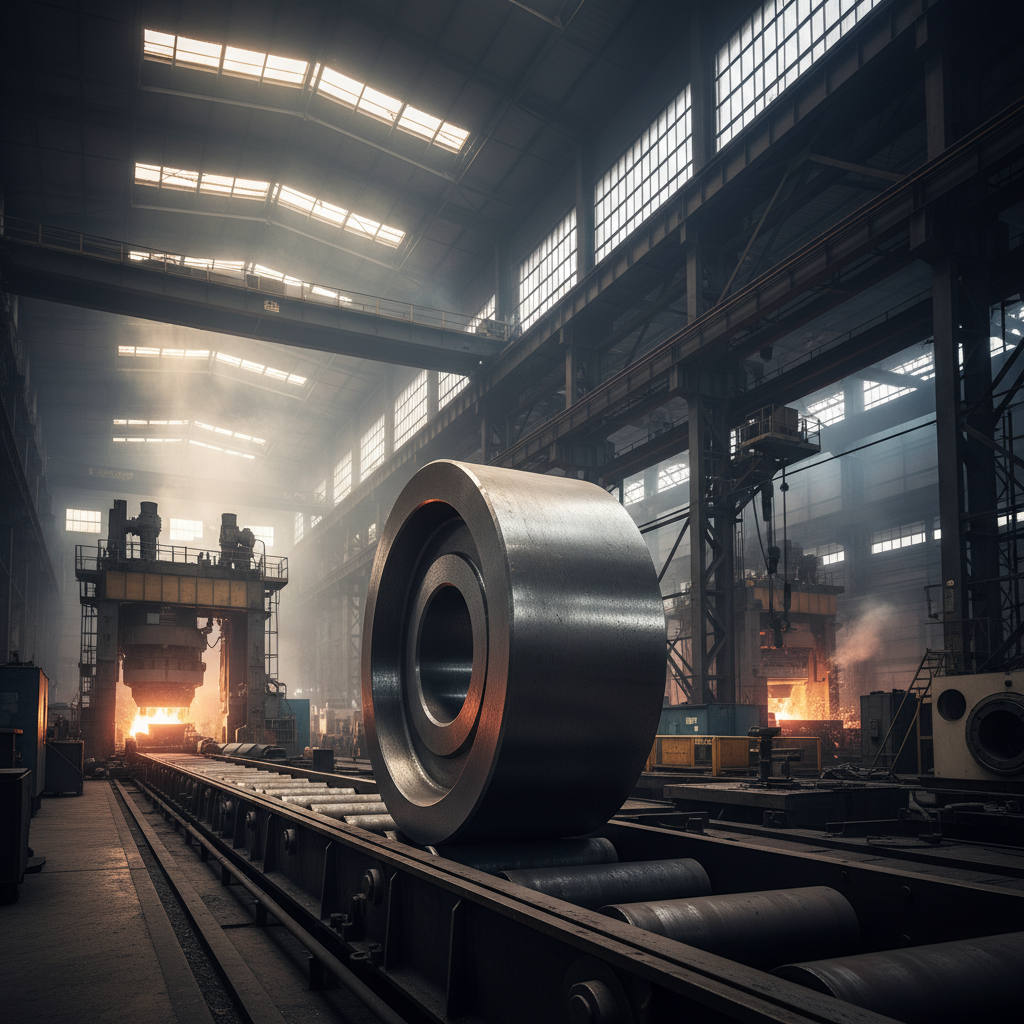
What is a Single Flange Track Roller?
A single flange track roller is a type of roller bearing designed specifically for use in track systems. Its defining feature is a single flange, which provides lateral support and prevents the track from derailing. These rollers are crucial for maintaining track alignment and distributing the load effectively. Unlike double flange rollers, which offer support on both sides, single flange rollers are ideal for applications where lateral guidance is primarily needed on one side, or when space is limited. They are constructed from durable materials like high-carbon steel, ensuring longevity and resistance to wear and tear in demanding environments.
Key Highlights: Designed for track systems, featuring a single flange for lateral support, and constructed from durable materials for long-lasting performance.
Applications of Single Flange Track Rollers
The versatility of single flange track rollers lends itself to a broad spectrum of applications. They are extensively used in:
- Construction Equipment: Excavators, bulldozers, loaders, and graders rely on these rollers for stable and efficient operation.
- Cranes: Used in crane undercarriage systems to support and guide the tracks.
- Agricultural Machinery: Combine harvesters and other tracked agricultural vehicles.
- Mining Equipment: Used in mining machinery for heavy-duty applications.
- Material Handling Equipment: Forklifts and other material handling vehicles with track systems.
Application Benefits:
• Enhanced stability and load distribution.
• Reduced track wear and maintenance.
• Improved machine maneuverability.
• Increased operational efficiency.
Single Flange Track Roller vs. Double Flange Track Roller
Understanding the difference between single and double flange track rollers is crucial for selecting the right component for your application. While both types provide support for tracked vehicles, their design and functionality differ. Single flange rollers offer lateral support on one side, making them suitable for applications where space is limited or guidance is needed primarily on one side. Double flange rollers, on the other hand, provide support on both sides, offering enhanced stability and load capacity. The choice depends on the specific requirements of the track system and the operating conditions.
Factors to Consider When Selecting Single Flange Track Rollers
Choosing the right single flange track roller involves considering several key factors:
- Load Capacity: Ensure the roller can handle the weight and operational stresses of your machinery.
- Material: Select rollers made from high-quality materials that resist wear, corrosion, and fatigue.
- Dimensions: Verify the roller's dimensions are compatible with your track system.
- Sealing: Choose rollers with effective seals to prevent contamination and maintain lubrication.
- Manufacturer Reputation: Opt for a reputable manufacturer with a proven track record of quality and reliability, like Crafts-Mfg.
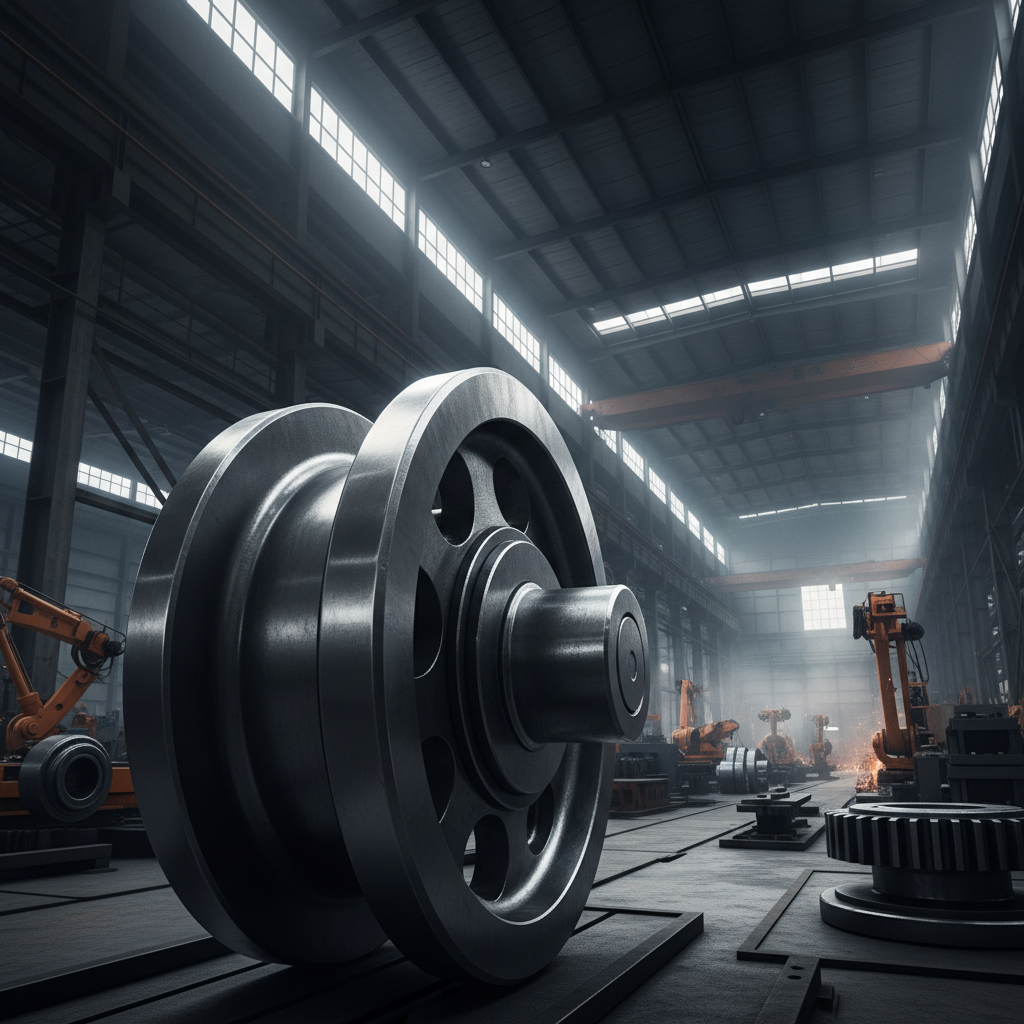
Crafts-Mfg: Your Trusted Partner for Single Flange Track Rollers
At Crafts-Mfg, we are dedicated to providing our customers with top-quality single flange track rollers and exceptional service. We leverage advanced manufacturing techniques and rigorous quality control processes to ensure our rollers meet the highest industry standards. Contact us today to discuss your specific needs and learn how our expertise can benefit your operations.
Conclusion
Investing in high-quality single flange track rollers from a trusted manufacturer like Crafts-Mfg ensures optimal performance, extended equipment lifespan, and reduced downtime. We are committed to providing reliable solutions for your tracked vehicle needs.
Frequently Asked Questions (FAQs)
What is the typical lifespan of a single flange track roller?
The lifespan of a single flange track roller varies significantly depending on the operating conditions, load, maintenance, and quality of the roller itself. Generally, with proper maintenance and moderate use, a single flange track roller can last between 2,000 to 5,000 operating hours. However, factors such as abrasive environments, heavy loads, and lack of lubrication can significantly reduce its lifespan. Regular inspections and timely replacement are crucial to prevent unexpected failures and maintain optimal equipment performance.
What maintenance practices should be followed for single flange track rollers?
Regular maintenance is vital for extending the lifespan of single flange track rollers. Key practices include: consistent lubrication according to manufacturer’s specifications; routine visual inspections for signs of wear, damage, or cracks; checking and maintaining proper track tension; and cleaning the rollers to remove dirt, debris, and contaminants. Addressing minor issues promptly can prevent them from escalating into major problems.
What materials are single flange track rollers typically made from?
Single flange track rollers are commonly manufactured from high-carbon steel, alloy steel, or forged steel. These materials offer excellent strength, durability, and resistance to wear and tear. The flange itself is often hardened to further enhance its resistance to deformation and damage. Some rollers also incorporate heat treatment processes to improve their overall performance and lifespan. Crafts-Mfg uses only the highest quality materials to ensure the reliability and longevity of our rollers.
Post time: Feb-04-2026