Understanding Undercarriage Track Rollers: A Comprehensive Guide
Undercarriage track rollers are vital components in heavy machinery like excavators, bulldozers, and cranes. These rollers support the weight of the machine and facilitate smooth movement along tracks. Selecting the right undercarriage track rollers is crucial for performance, durability, and cost-effectiveness. This article provides an in-depth look at track rollers, their functions, types, maintenance, and how to choose the best option for your needs. Ensuring the longevity of your equipment hinges on understanding and properly maintaining these key components.
The Fundamental Role of Undercarriage Track Rollers
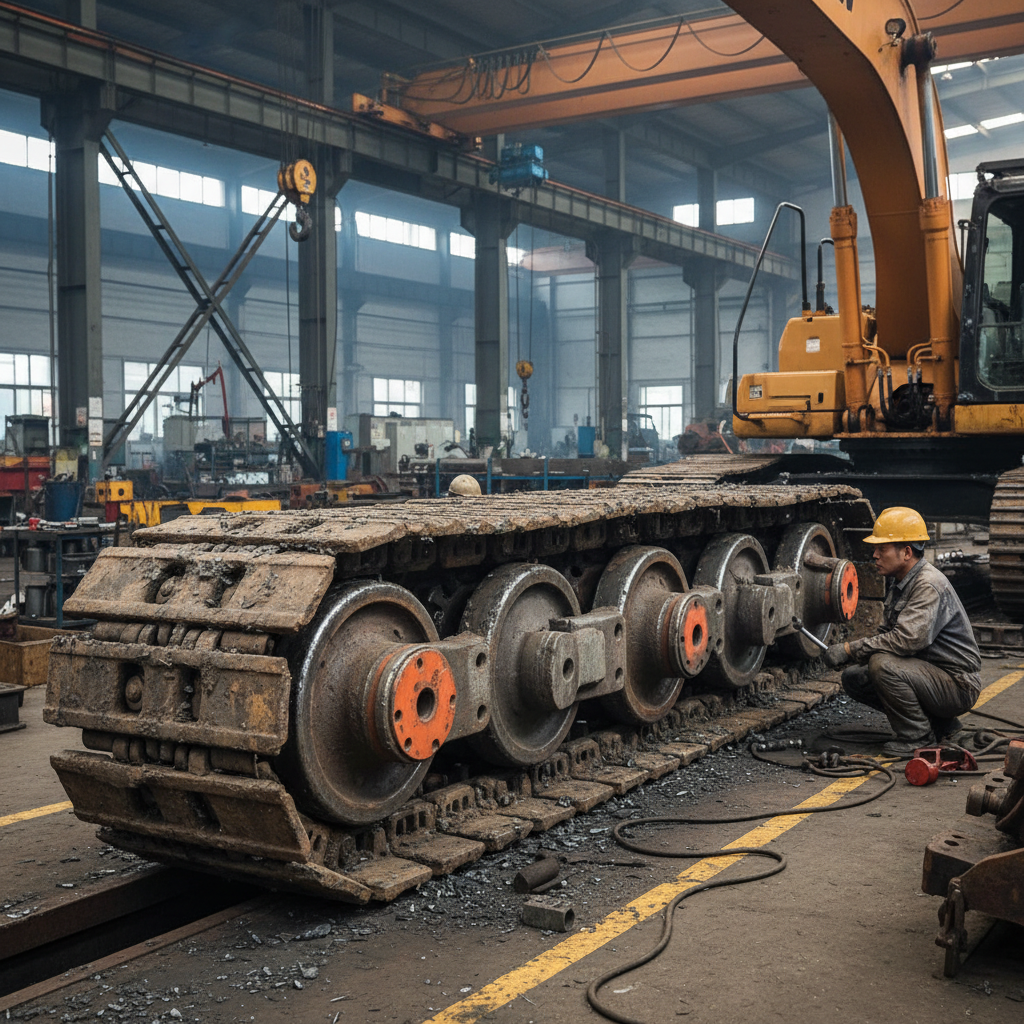
Track rollers, also known as bottom rollers, are integral to the undercarriage system. They work in tandem with tracks, idlers, and sprockets to distribute the machine's weight evenly and provide a stable base for operation. Without functioning track rollers, the machine's movement would be unstable, inefficient, and prone to damage. The rollers reduce friction between the tracks and the ground, enabling smoother operation and conserving energy. They also contribute to the machine's ability to navigate uneven terrain and maintain traction. Regular inspection and maintenance of track rollers are paramount to overall machine health.
Key Functions: Support machine weight, facilitate smooth movement, reduce friction, enhance traction, and distribute load evenly.
Types of Undercarriage Track Rollers
Track rollers aren't one-size-fits-all. Different designs cater to specific machine types and operating conditions. The most common types include:
- Single Flange Rollers: Typically used in lighter-duty applications and machines with less demanding track systems.
- Double Flange Rollers: Provide increased stability and load-bearing capacity, suitable for heavier machines and rough terrain.
- Sealed and Lubricated Rollers: Feature internal seals and lubrication systems to reduce friction, extend lifespan, and minimize maintenance.
- Full Roller Track Rollers: Provide maximum contact area with the track and exceptional load distribution, favored in extreme operating environments.
Choosing the correct roller type depends on factors like machine weight, operating environment, and expected load. Crafts Manufacturing offers a comprehensive range of roller types to meet diverse requirements.
Roller Type Considerations:
• Machine Weight: Lighter machines use single flange rollers; heavier ones require double flange or full rollers.
• Operating Terrain: Rough terrain demands more robust rollers (double flange, sealed/lubricated).
• Load Requirements: Higher loads require rollers with increased load-bearing capacity.
• Maintenance Needs: Sealed and lubricated rollers reduce maintenance frequency.
Understanding Track Roller Materials and Manufacturing
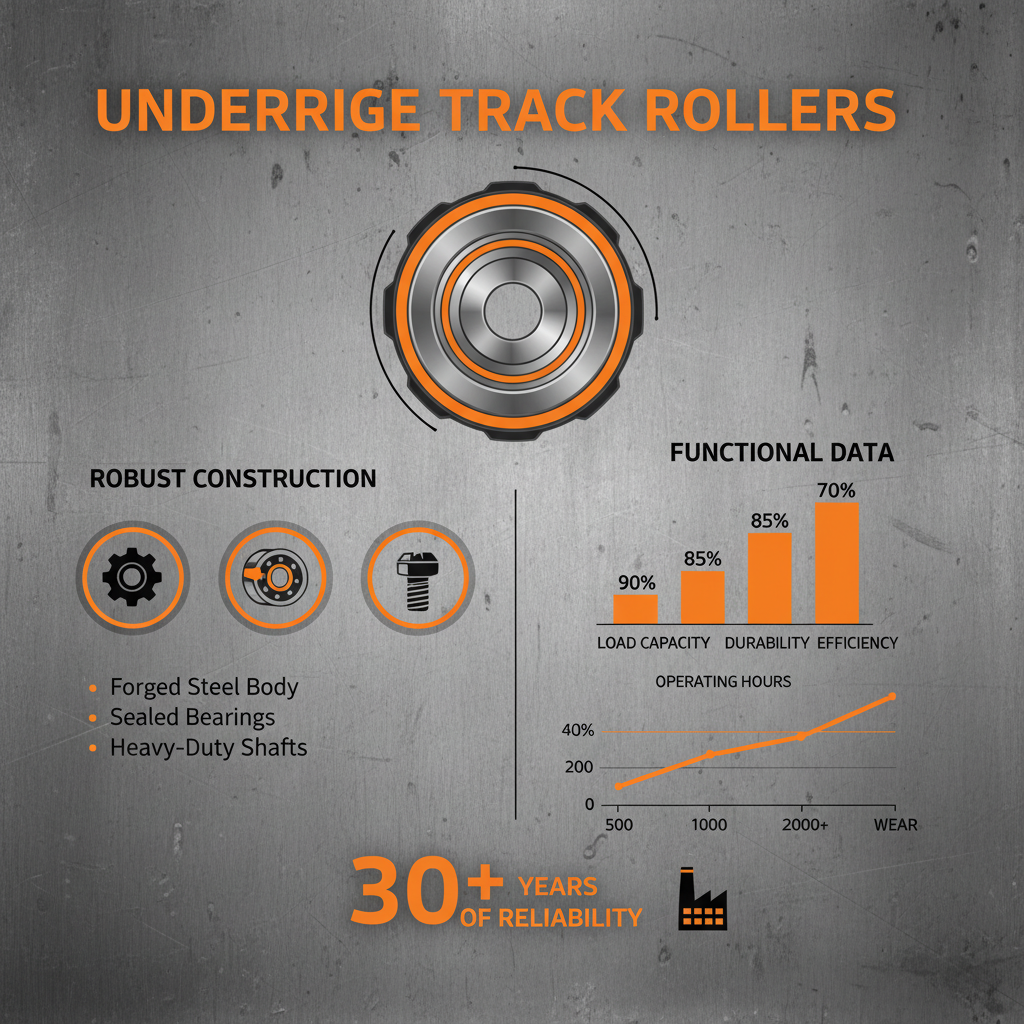
The durability and performance of track rollers are heavily influenced by the materials used in their construction. High-quality rollers are typically manufactured using alloy steels that offer exceptional strength, wear resistance, and impact toughness. The forging and heat treatment processes are critical for achieving optimal material properties. Furthermore, bearing quality significantly impacts roller lifespan and smoothness of operation. Crafts Manufacturing employs stringent quality control measures throughout the manufacturing process to ensure superior product reliability.
Track Roller Maintenance and Lifespan
Proper maintenance is essential for maximizing the lifespan of your track rollers and preventing costly downtime. Key maintenance practices include:
- Regular Inspection: Check rollers for wear, damage, and proper lubrication during routine machine inspections.
- Lubrication: Maintain adequate lubrication to minimize friction and wear. Follow the manufacturer’s recommendations for lubricant type and frequency.
- Track Adjustment: Ensure proper track tension to distribute the load evenly and prevent premature roller wear.
- Cleaning: Remove debris and contaminants from the rollers and track system.
The average lifespan of a track roller varies depending on operating conditions and maintenance practices, but typically ranges from 2,000 to 5,000 hours. However, in abrasive environments or with inadequate maintenance, the lifespan can be significantly reduced.
Choosing the Right Supplier for Undercarriage Track Rollers
Selecting a reputable supplier is crucial for obtaining high-quality track rollers that meet your specific needs. Consider factors like product range, manufacturing standards, warranty, and customer support. Crafts Manufacturing is a trusted provider of undercarriage components, offering a wide selection of track rollers, competitive pricing, and exceptional customer service.
Conclusion: Ensuring Longevity with Quality Track Rollers
Investing in high-quality undercarriage track rollers and implementing a robust maintenance program are vital for maximizing the lifespan and performance of your heavy machinery. By understanding the different types, materials, and maintenance requirements, you can make informed decisions that optimize your equipment’s productivity and reduce costly downtime. Partner with a reliable supplier like Crafts Manufacturing to ensure you receive superior products and expert support.
Frequently Asked Questions (FAQs)
What are the common signs of a failing track roller?
Several indicators suggest a track roller is nearing the end of its lifespan. These include excessive play or wobble in the roller, noticeable wear or damage to the flange, unusual noises (squeaking, grinding) during operation, and difficulty maintaining track tension. Visual inspection for cracks, dents, or corrosion is also essential. Ignoring these signs can lead to further damage to the undercarriage and potential machine failure. Early detection and replacement are key to preventing more significant issues.
How often should I inspect my track rollers?
Track rollers should be inspected regularly, ideally with each routine machine maintenance check. A thorough inspection should be performed at least every 50-100 operating hours, or more frequently in harsh operating conditions. During inspection, check for wear, damage, proper lubrication, and secure mounting. Maintaining a log of inspections and any observed issues will help track roller performance over time and identify potential problems early on.
Can I repair a damaged track roller?
While minor surface damage might be addressed with repairs, it's generally not recommended to repair severely damaged track rollers. Attempting to repair a roller with significant structural damage can compromise its integrity and lead to premature failure. Replacing the roller is typically the safer and more cost-effective option in the long run. Crafts Manufacturing provides a wide selection of replacement rollers to meet your needs.
What is the importance of using the correct lubricant for track rollers?
Using the correct lubricant is crucial for minimizing friction, reducing wear, and extending the lifespan of track rollers. Different rollers and operating conditions require specific types of lubricants. Consult the machine manufacturer's recommendations for the appropriate lubricant type and viscosity. Using the wrong lubricant can lead to inadequate lubrication, increased wear, and potential failure.
Post time: Mar-09-2026