Understanding Undercarriage Track Link Reliability
The undercarriage is the backbone of any tracked machine, and the undercarriage track link is a critical component within it. Ensuring the longevity and performance of these links is essential for minimizing downtime and maximizing operational efficiency. This article will delve into the importance of track links, factors affecting their durability, common issues, and how Crafts MFG provides solutions for superior performance. Understanding these elements is crucial for professionals in construction, mining, forestry, and other industries relying on heavy machinery.
The Vital Role of Undercarriage Track Links
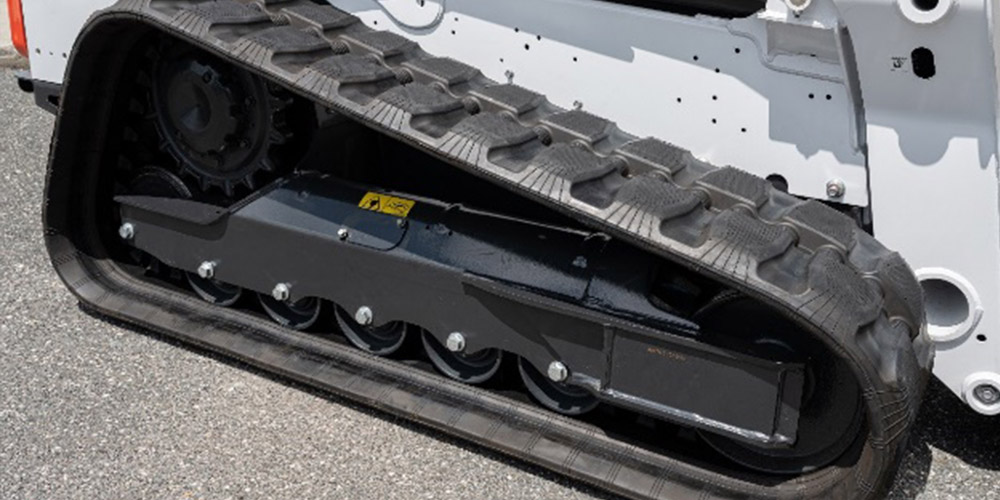
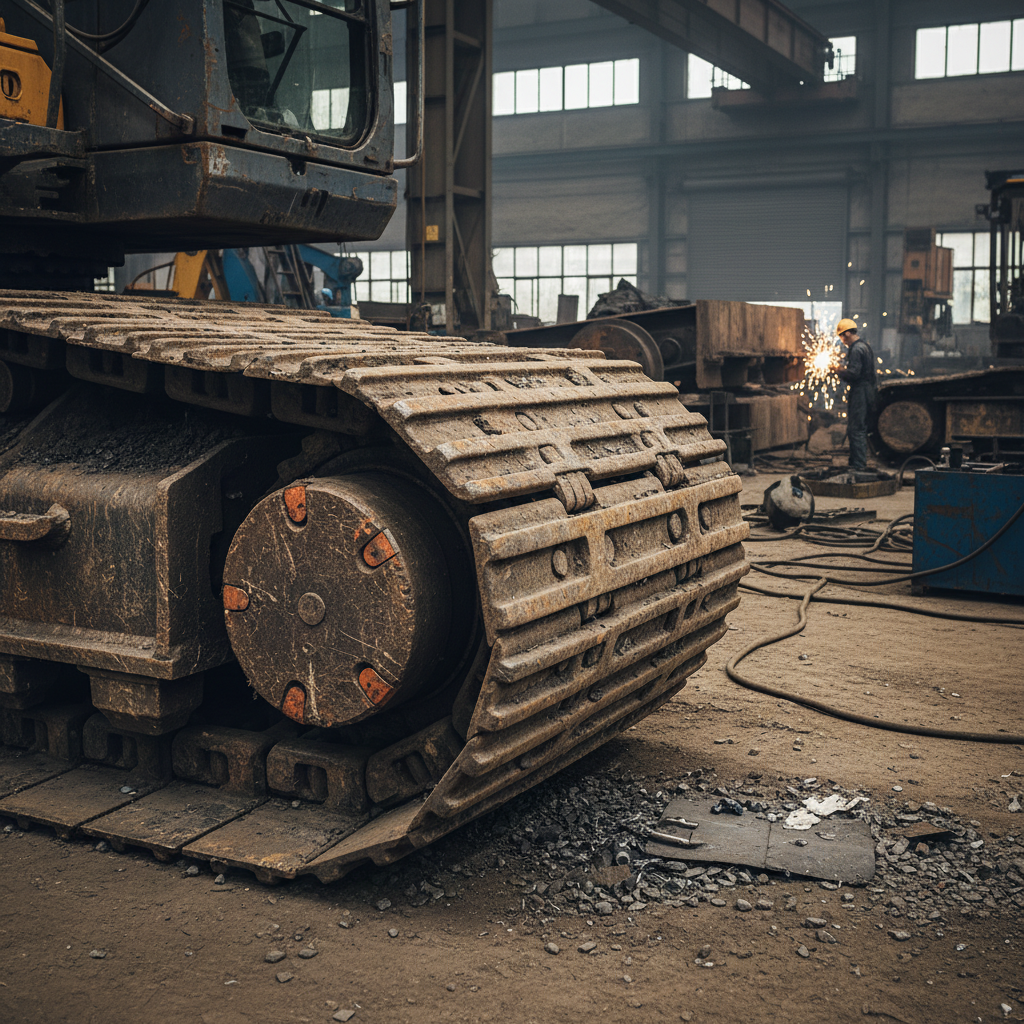
Track links aren’t just connectors; they are the foundation of your machine’s mobility and stability. They transmit the engine’s power to the ground, enabling movement and providing the necessary traction for challenging terrains. A robust track link withstands immense stress, absorbing impacts and resisting wear. They connect to form a continuous track that distributes the machine’s weight, preventing it from sinking into soft ground. Properly maintained track links contribute to smoother operation, reduced vibration, and extended lifespan of the entire undercarriage system. Selecting high-quality links from a reputable manufacturer like Crafts MFG is a critical first step.
Key Benefits of Durable Track Links: Improved traction, enhanced stability, reduced downtime, minimized operating costs, and extended machine lifespan.
Factors Affecting Track Link Durability
Several factors influence the lifespan of your undercarriage track links. Operating conditions play a significant role. Machines working in abrasive environments – such as rocky terrain or in contact with corrosive materials – will experience accelerated wear. The quality of the materials used in the track links themselves is paramount. Links made from hardened alloy steel offer superior resistance to wear and impact. Furthermore, proper maintenance, including regular lubrication and inspection for wear or damage, is crucial. Finally, the skill and care of the machine operator significantly impact link longevity – avoiding harsh impacts and excessive strain.
Key Environmental Factors:
• Abrasive terrain (rock, gravel)
• Corrosive materials (saltwater, chemicals)
• Extreme temperatures
• High-impact operations
Analyzing Track Link Materials: A Comparison
The material composition of undercarriage track links directly impacts their durability and performance. Different materials offer varying levels of strength, wear resistance, and cost. Here’s a comparison of common materials:
Common Track Link Issues and Solutions
Recognizing common issues is the first step in preventing major undercarriage failures. Frequent problems include cracked or broken links, elongated pitch, and excessive wear. Cracked links are often caused by impact damage or metal fatigue. Elongated pitch indicates wear across the entire track assembly. Excessive wear can stem from inadequate lubrication or abrasive operating conditions. Crafts MFG offers robust, high-quality track links designed to withstand these stresses, and provides expert advice on preventative maintenance and repair.
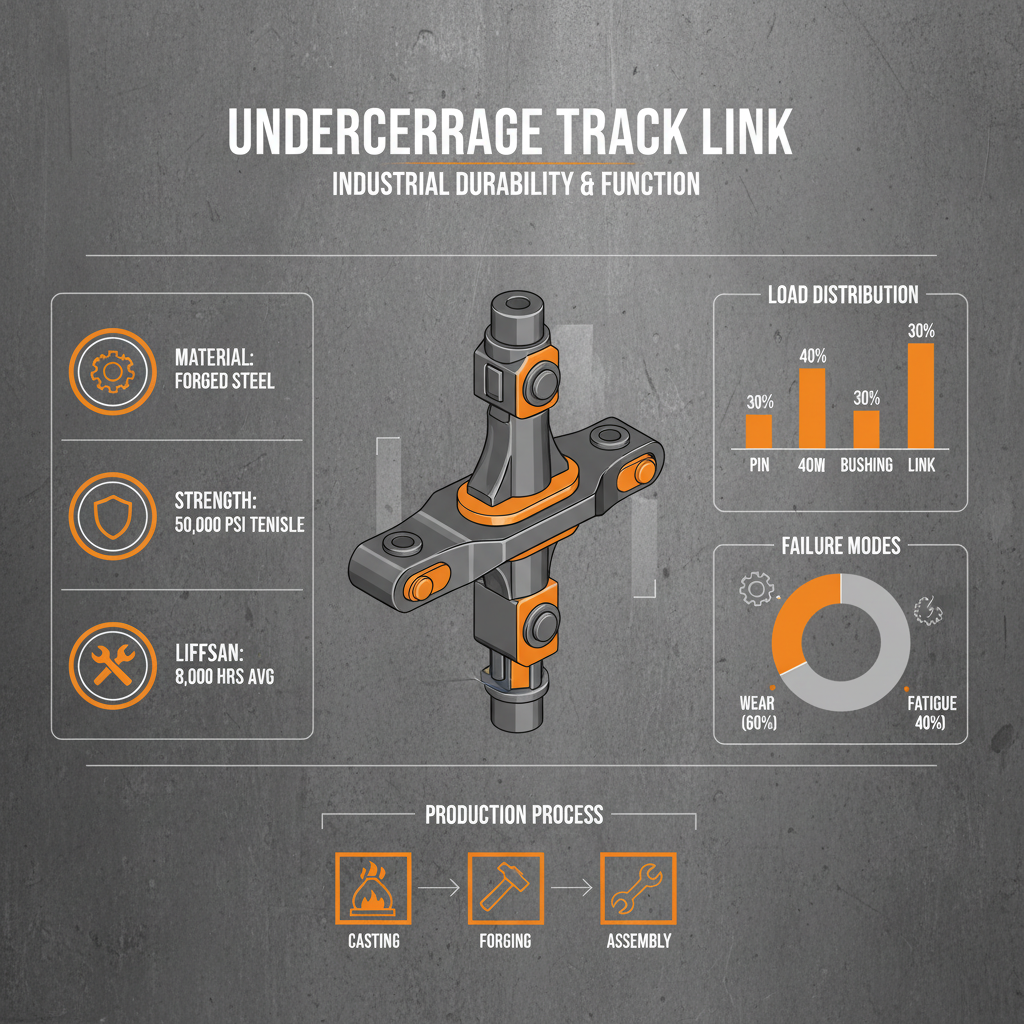
Crafts MFG: Your Partner for Premium Track Links
At Crafts MFG, we specialize in manufacturing durable, high-performance undercarriage track links. We utilize hardened alloy steel and rigorous quality control processes to ensure our products meet the highest industry standards. Our track links are engineered to withstand the most demanding applications, minimizing downtime and maximizing your machine's productivity. We also offer custom solutions to meet your specific needs. Contact us today to learn how we can help you optimize your undercarriage performance.
Conclusion: Invest in Undercarriage Reliability with Crafts MFG
Choosing the right undercarriage track link is a critical investment in your equipment's longevity and operational efficiency. Crafts MFG delivers superior quality, durability, and performance, backed by expert support. Don’t compromise on reliability – choose Crafts MFG for undercarriage components you can trust.
Frequently Asked Questions (FAQs)
What is the typical lifespan of a track link?
The lifespan of a track link varies significantly depending on operating conditions, machine type, and maintenance practices. Generally, track links can last between 2,500 to 5,000 hours of operation. However, in harsh environments, this lifespan may be considerably shorter. Regular inspections are crucial for identifying signs of wear and tear and preventing premature failure. Factors like consistent lubrication, avoiding sudden impacts, and proper tension adjustment can extend the life of your track links. Replacing links in sets, rather than individually, is recommended for even wear and optimal performance.
How often should I inspect my track links?
Ideally, track links should be inspected at least every 50-100 hours of operation, or more frequently in demanding conditions. During inspection, look for cracks, excessive wear, elongation, and loose or damaged seals. Check for proper lubrication and ensure the track tension is within the manufacturer’s specifications. A thorough visual inspection combined with periodic measurements can help identify potential problems before they lead to costly downtime. Crafts MFG provides detailed inspection guidelines and resources on our website.
What are the signs that a track link needs to be replaced?
Several signs indicate that a track link requires replacement. These include visible cracks, significant wear (approaching the wear limit), elongated pitch exceeding manufacturer’s specifications, and difficulty maintaining proper track tension. If you notice any of these symptoms, it's crucial to replace the link promptly to prevent further damage to the undercarriage. Continuing to operate with damaged track links can lead to track derailment, increased wear on other components, and potentially hazardous situations.
Post time: Mar-08-2026