Understanding Bottom Rollers: A Comprehensive Guide
Bottom rollers are essential components in various industries, playing a critical role in material handling, conveyor systems, and manufacturing processes. These rollers facilitate smooth and efficient movement of goods, reducing friction and enhancing operational productivity. Choosing the right bottom rollers is vital for ensuring reliable performance and minimizing downtime. Crafts-Mfg specializes in the design and manufacture of high-quality bottom rollers tailored to diverse industrial needs. Investing in durable and properly specified bottom rollers can significantly improve your system’s efficiency and longevity.
The Core Function of Bottom Rollers
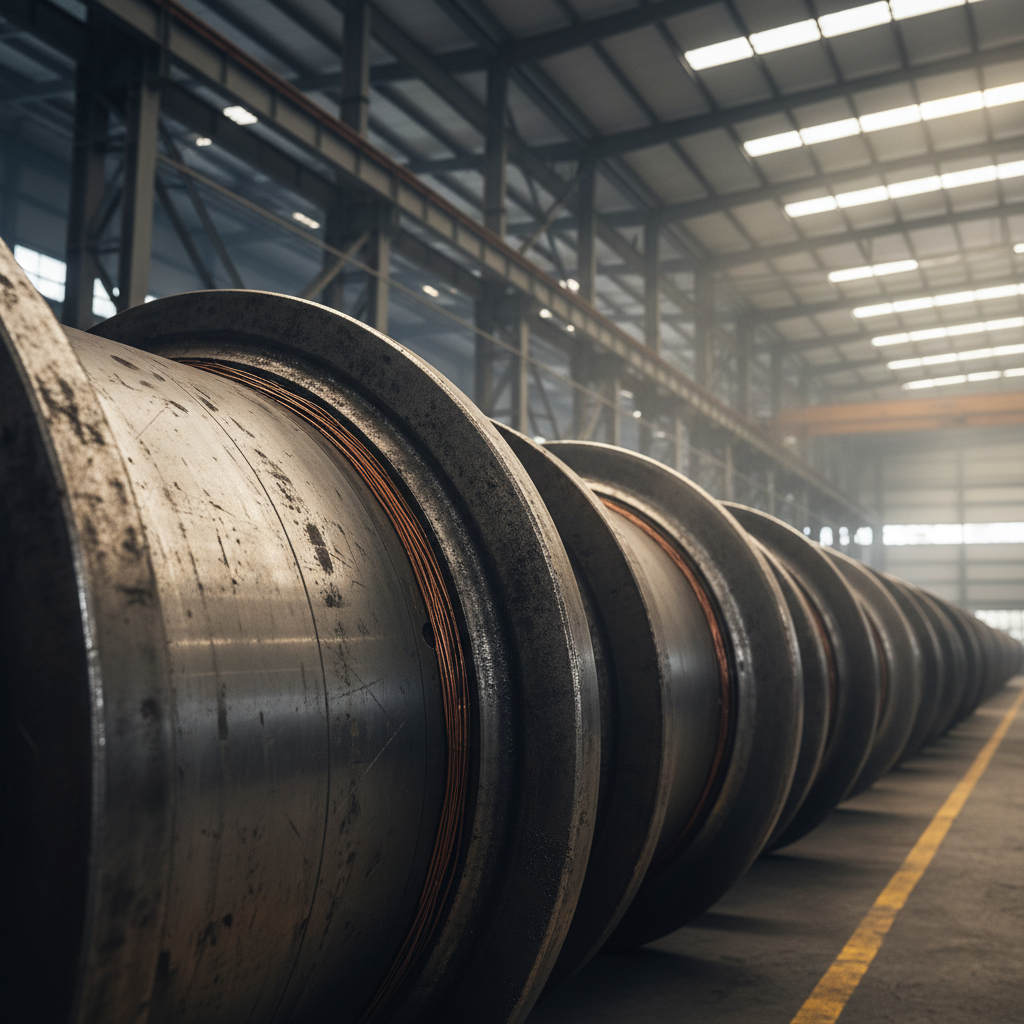
At their most basic, bottom rollers provide a low-friction surface for materials to move across. They are commonly used in conveyor systems to support the load and facilitate movement. The key benefits include reduced energy consumption (compared to sliding friction), increased system speed, and decreased wear and tear on the transported materials. Different materials – steel, stainless steel, polymers – are used to manufacture bottom rollers, each offering unique advantages based on the application. Factors like load capacity, operating temperature, and exposure to corrosive environments influence the choice of roller material. Crafts-Mfg’s bottom rollers are engineered for optimal performance and durability.
Key Benefits: Reduced energy consumption, increased system speed, decreased wear and tear, and improved material handling efficiency. Proper selection and maintenance are crucial for optimal performance.
Types of Bottom Rollers
There are several types of bottom rollers available, each designed for specific applications. These include:
- Steel Rollers: High load capacity, durable, and cost-effective. Suitable for general purpose applications.
- Stainless Steel Rollers: Excellent corrosion resistance, ideal for food processing, pharmaceutical, and chemical industries.
- Polymer Rollers: Lightweight, quiet operation, and good chemical resistance. Often used in packaging and light-duty applications.
- Coated Rollers: Provide enhanced grip or reduce friction. Common coatings include rubber, polyurethane, and ceramic.
The choice of roller type depends heavily on the specific requirements of the application. Factors to consider include the weight of the load, the operating environment, and the desired level of performance.
Roller Type Selection Guide:
• High Load: Steel Rollers
• Corrosive Environment: Stainless Steel Rollers
• Light Duty/Quiet Operation: Polymer Rollers
• Specific Grip Requirements: Coated Rollers
Bottom Rollers: Materials Comparison
Choosing the right material for your bottom rollers is critical for longevity and performance. Here's a comparative overview of common materials:
Applications of Bottom Rollers Across Industries
Bottom rollers are ubiquitous across numerous industries. Some key applications include:
- Conveyor Systems: The most common application, used in warehouses, distribution centers, and manufacturing facilities.
- Packaging Machinery: Ensuring smooth and consistent movement of packages.
- Printing Presses: Maintaining precise paper handling.
- Steel Mills: Supporting and guiding heavy steel products.
- Assembly Lines: Facilitating the movement of components during the manufacturing process.
The specific requirements for bottom rollers will vary depending on the industry and application, but the underlying principle remains the same: to provide a reliable and efficient means of material handling.
Selecting the Right Bottom Roller for Your Needs
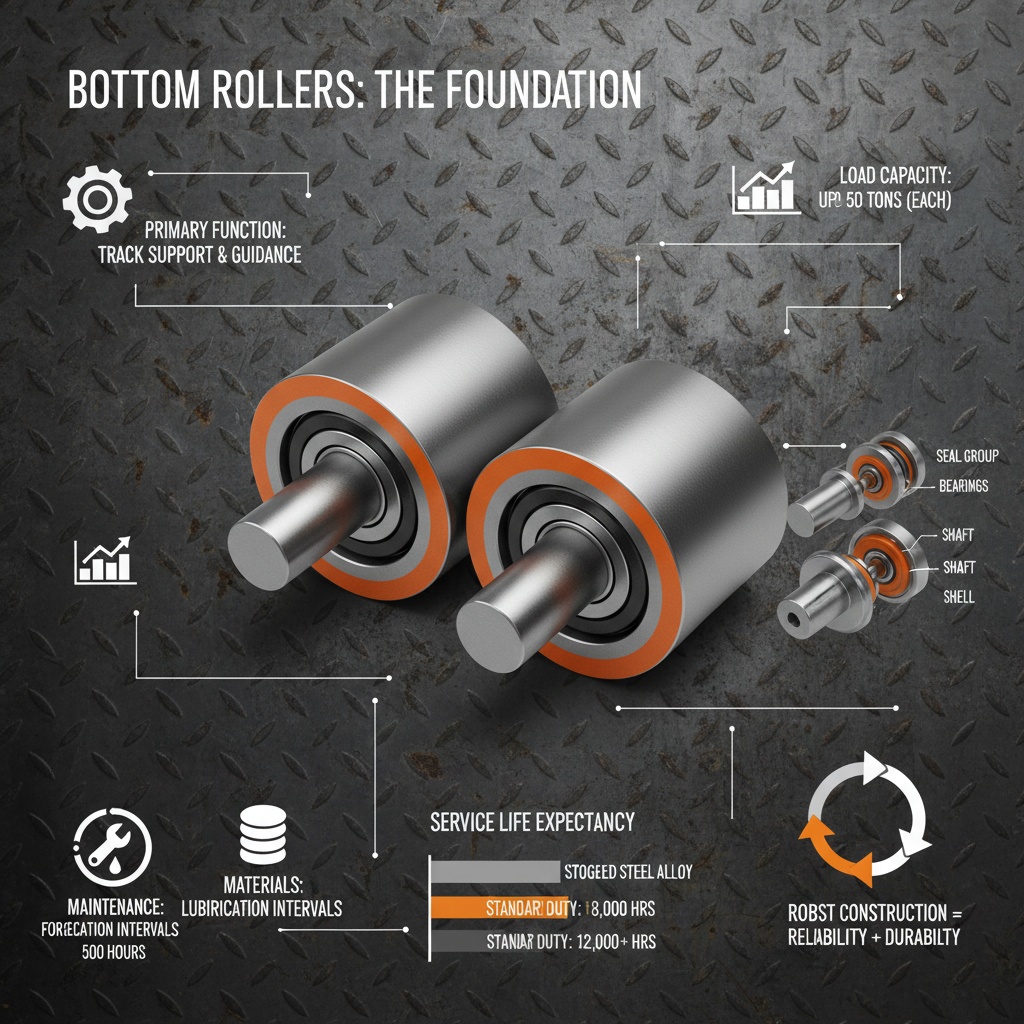
When selecting bottom rollers, consider the following factors:
- Load Capacity: Ensure the rollers can handle the weight of the materials being conveyed.
- Operating Environment: Consider temperature, humidity, and exposure to chemicals.
- Speed Requirements: Choose rollers that can accommodate the desired conveyor speed.
- Maintenance Requirements: Select rollers that are easy to maintain and repair.
- Cost: Balance performance requirements with budgetary constraints.
Crafts-Mfg provides expert guidance and custom solutions to help you select the optimal bottom rollers for your specific application.
Conclusion: Investing in Quality Bottom Rollers
Choosing the right bottom rollers is a critical investment for any operation relying on material handling. By considering factors like load capacity, environmental conditions, and maintenance requirements, you can ensure optimal performance and longevity. Crafts-Mfg is your trusted partner for high-quality bottom rollers and expert support. Don't compromise on efficiency and reliability – choose Crafts-Mfg.
Frequently Asked Questions (FAQs)
What is the typical lifespan of a bottom roller?
The lifespan of a bottom roller varies considerably based on factors such as load, speed, operating environment, and maintenance. Generally, a well-maintained steel roller can last for several years, potentially 5-10 years or more, while polymer rollers may have a shorter lifespan, typically 2-5 years. Regular inspection for wear, lubrication, and replacement of damaged components are crucial for maximizing lifespan. Early detection of issues can prevent costly downtime and ensure continued smooth operation.
How do I determine the correct load capacity for my bottom rollers?
To determine the correct load capacity, you need to calculate the maximum weight that will be supported by each roller. This includes the weight of the materials being conveyed, plus any additional weight from the conveyor system itself. It's essential to add a safety factor to this calculation – typically 20-25% – to account for dynamic loads and potential overloads. Consulting with a bottom roller specialist, like Crafts-Mfg, can help ensure accurate load capacity assessment.
What maintenance is required for bottom rollers?
Regular maintenance is essential for extending the lifespan of bottom rollers. Key maintenance tasks include lubrication (using a grease appropriate for the roller material and operating environment), inspection for wear and damage, and cleaning to remove debris and contaminants. Check for bearing play, cracks, or signs of corrosion. Promptly replace any damaged or worn rollers to prevent further damage to the conveyor system. A preventative maintenance schedule can significantly reduce downtime and extend the overall life of your equipment.
Post time: Apr-07-2026