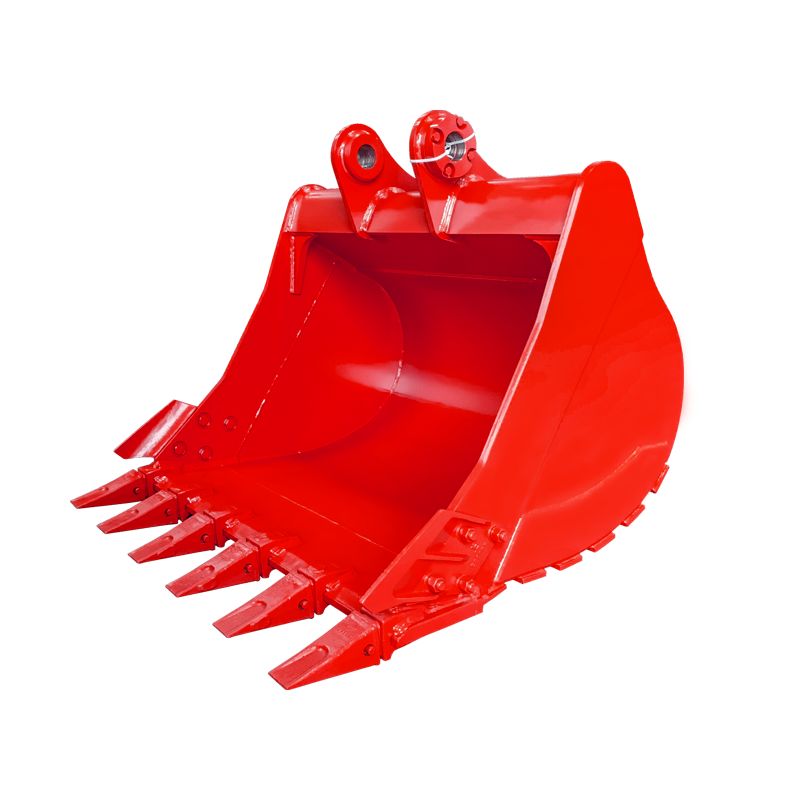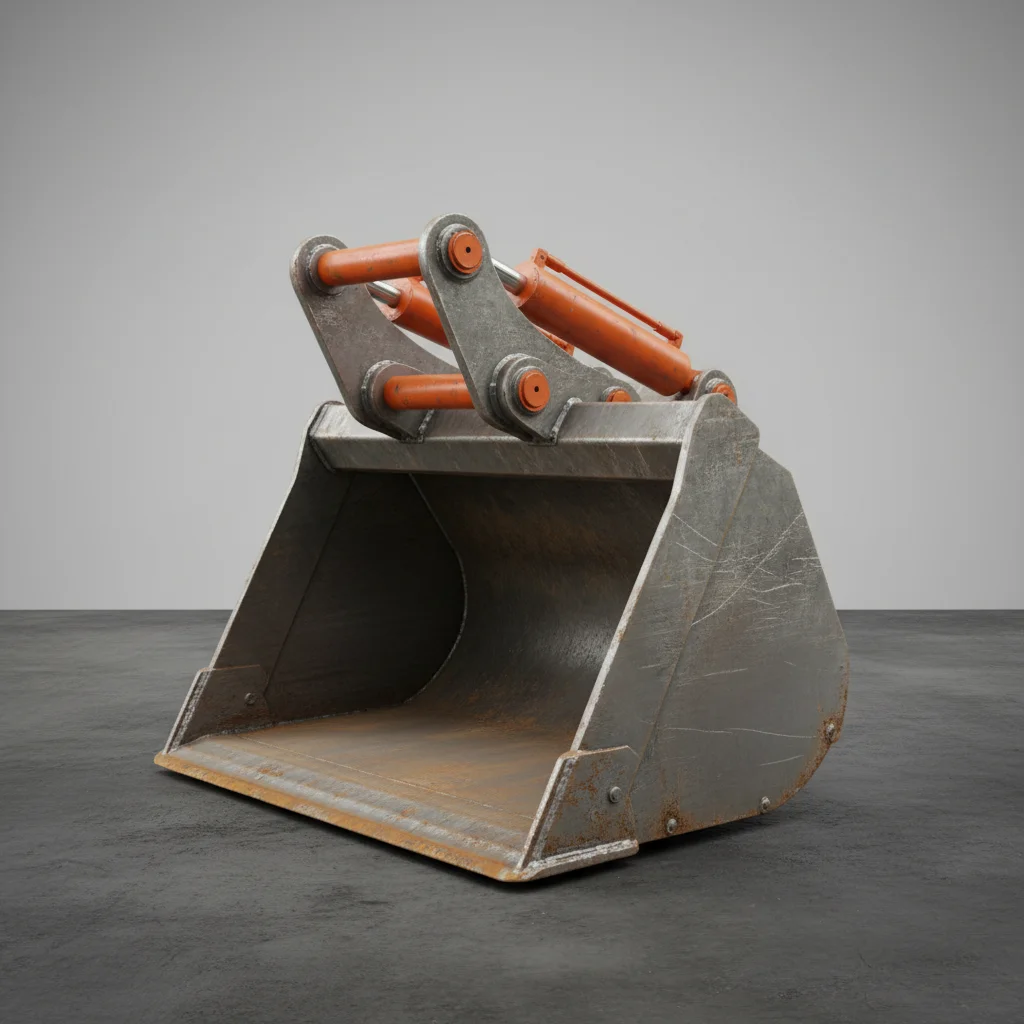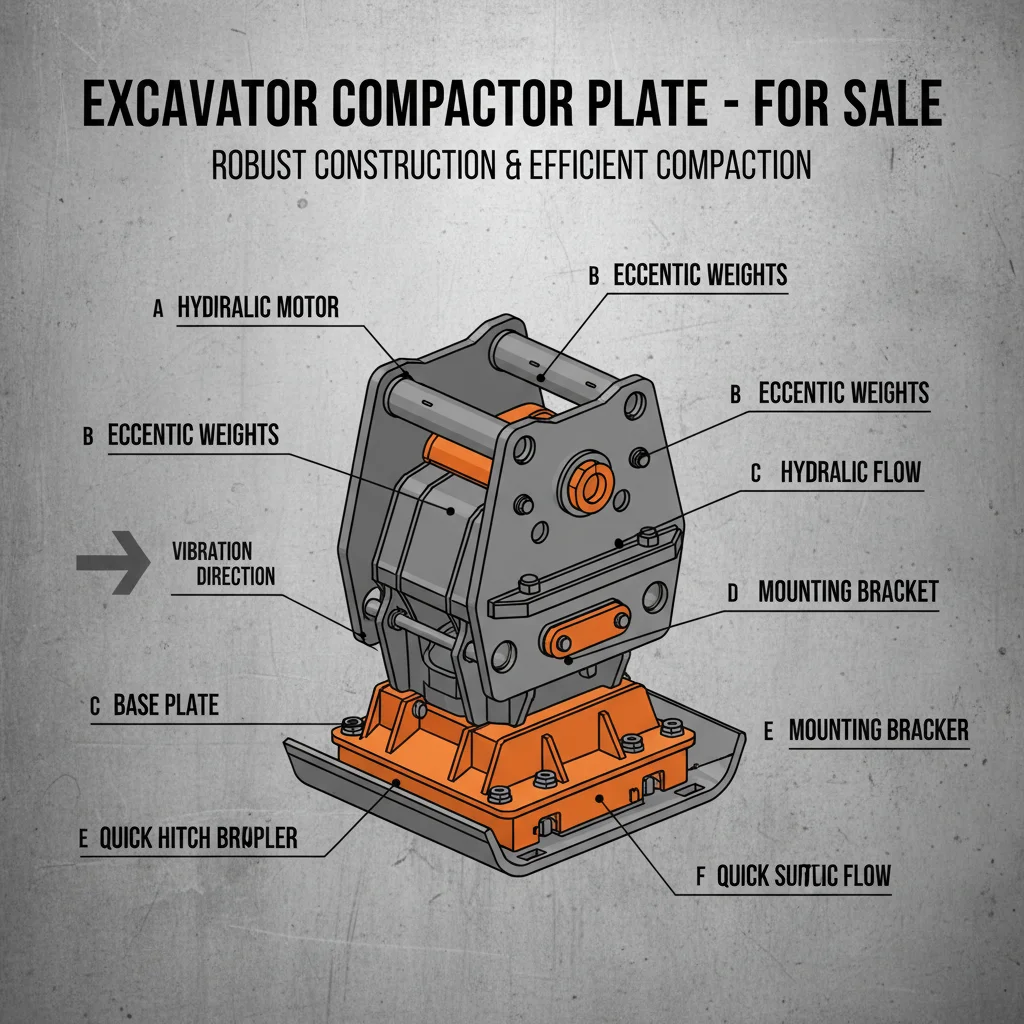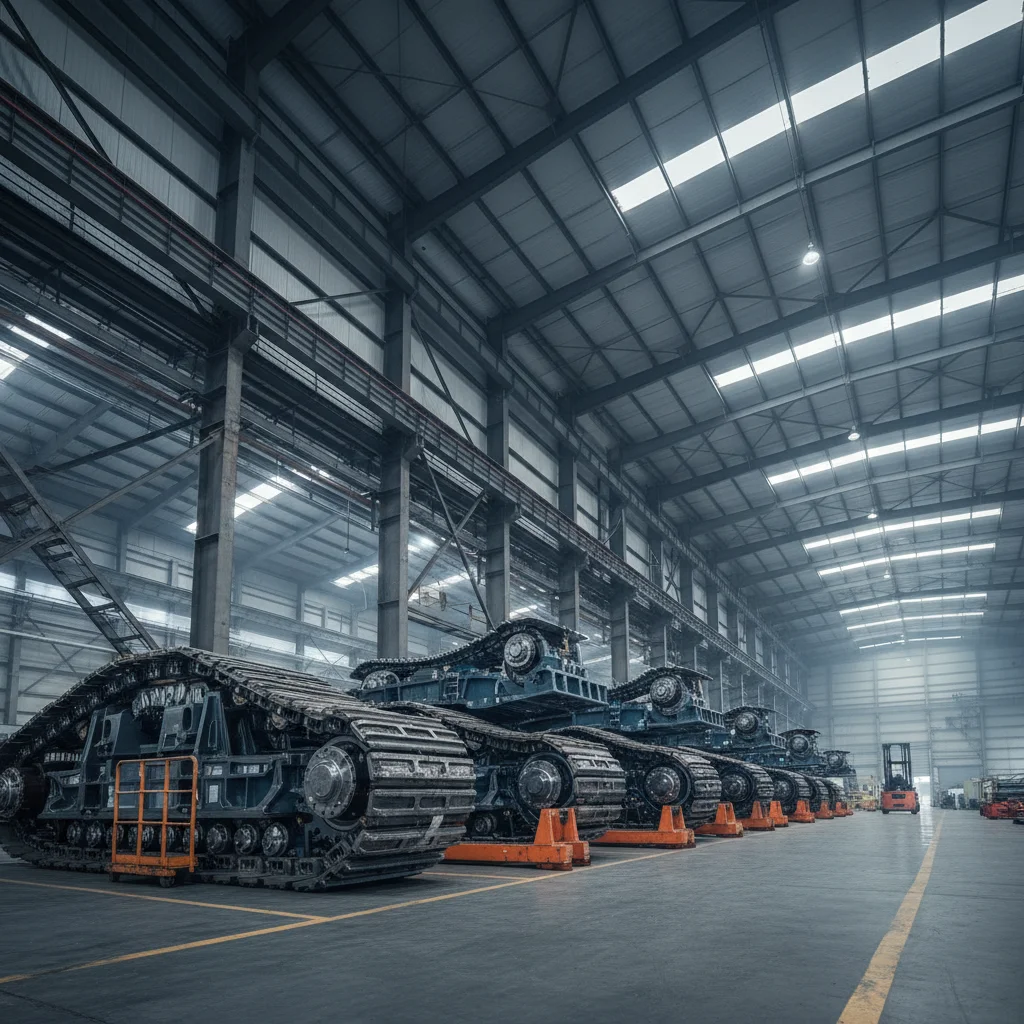
In the demanding environments of construction, agriculture, landscaping, and material handling, the efficiency and longevity of operations hinge significantly on the performance of ancillary equipment. Among these,Compact wheel loader buckets stand out as indispensable tools, directly impacting productivity, fuel consumption, and overall project timelines. These workhorses are not merely receptacles; they are precision-engineered attachments designed to interface seamlessly with compact wheel loaders, transforming them into highly versatile machines capable of handling an astonishing array of tasks. The global market for construction equipment attachments alone is projected to reach approximately $35 billion by 2027, with buckets representing a substantial segment due to their universal application and frequent replacement cycles. This growth underscores the increasing recognition of specialized attachments in enhancing operational agility and delivering superior return on investment. The transition from manual labor to mechanized processes, particularly in urban development and infrastructure projects, necessitates robust and efficient material handling solutions. A well-chosen bucket can dramatically reduce loading times, minimize spillage, and extend the lifespan of the wheel loader itself by optimizing stress distribution. For instance, a bucket designed with an optimal roll-back angle can increase material retention by up to 15%, reducing cycle times and fuel expenditure. Conversely, an ill-suited bucket can lead to excessive wear on the machine, increased maintenance costs, and significant delays. Therefore, understanding the nuances of bucket design, material composition, and application-specific features is not just advantageous but absolutely critical for maximizing operational effectiveness and staying competitive in today's fast-paced industries.
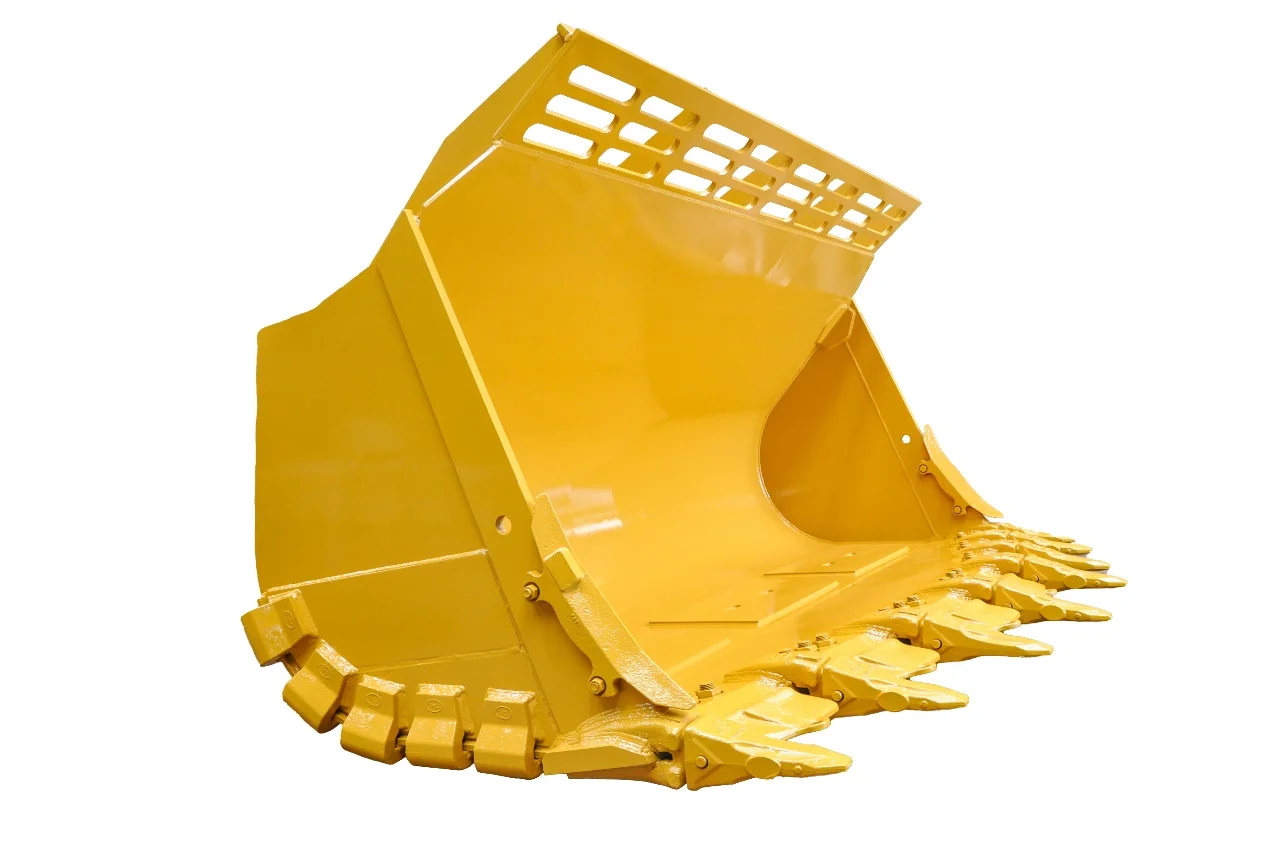
Engineering Excellence: Materials, Design, and Durability
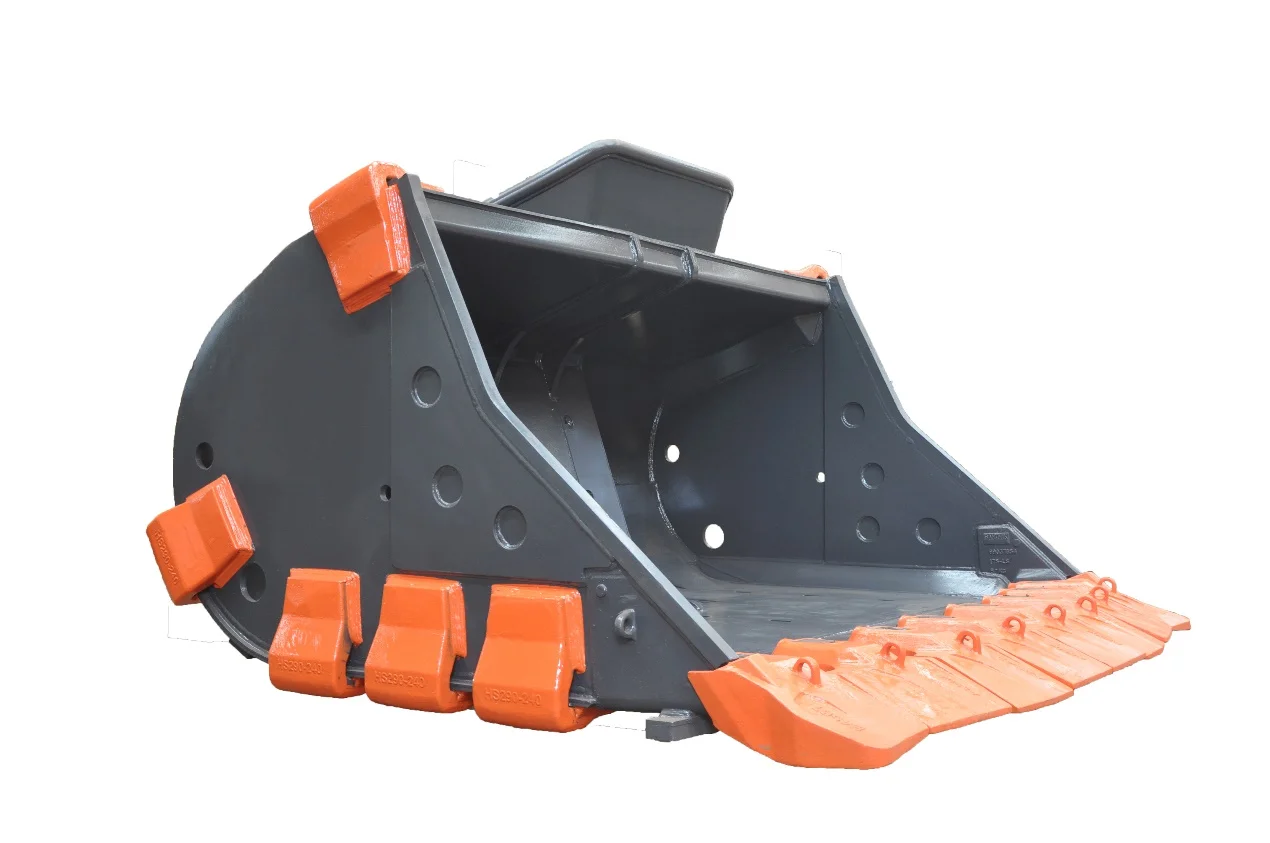
The superior performance of modern compact wheel loader buckets is a direct result of advanced engineering principles applied to material science and structural design. At the core of a bucket's resilience are the materials from which it is constructed. High-strength low-alloy (HSLA) steels are commonly used for the main body due to their excellent strength-to-weight ratio, allowing for lighter buckets that still possess significant load-bearing capacity. For critical wear areas, such as cutting edges, heel shrouds, and side cutters, manufacturers frequently employ abrasion-resistant (AR) steels, typically AR400 or AR500 grades. These materials, with their exceptionally high Brinell hardness ratings, can extend the life of a bucket by up to 300% in highly abrasive conditions compared to standard carbon steel. For example, in aggregate quarries, where impact and abrasion are constant, an AR500 cutting edge can withstand hundreds of hours of operation before requiring replacement, minimizing downtime and maintenance costs. Beyond material selection, the geometric design of a bucket plays a crucial role in its functionality. Optimized bucket profiles, often developed through sophisticated finite element analysis (FEA), ensure optimal material penetration, enhanced fill factors, and efficient discharge. Features like tapered side plates and rounded bucket bottoms prevent material from sticking, especially with cohesive soils or wet aggregates, contributing to faster cycle times and reduced fuel consumption. Integrated spill guards effectively prevent material from rolling back over the bucket onto the loader's linkage, protecting vital components and improving operator visibility. The strategic placement of wear bars and protective plating on high-impact zones further reinforces the bucket's structural integrity, distributing stress evenly and mitigating localized damage. This meticulous attention to engineering detail ensures that each bucket is not only strong but also specifically tailored to perform its intended function with maximum efficiency and longevity.
Optimizing Operational Efficiency and Maximizing Machine Longevity
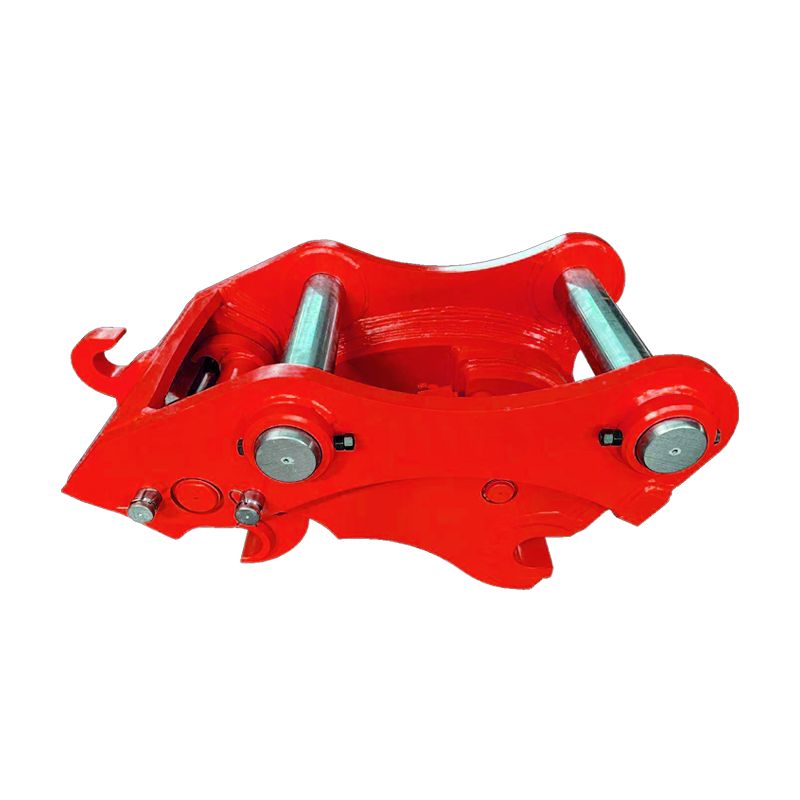
Beyond the inherent strength and design, the true value of a compact wheel loader bucket is realized through its contribution to overall operational efficiency and the extended lifespan of the loader itself. Modern buckets incorporate features specifically aimed at these objectives. For instance, advanced bucket designs minimize drag resistance during penetration and rollback, directly translating to reduced hydraulic strain on the loader and, consequently, lower fuel consumption. Studies have shown that an optimally designed general-purpose bucket can reduce fuel burn by 5-10% compared to a poorly matched or worn-out bucket, accumulating significant savings over thousands of operating hours. Furthermore, the integration of quick coupler systems has revolutionized attachment changes, allowing operators to swap buckets and other attachments in mere seconds, rather than minutes or even hours. This dramatically increases the versatility of a single compact wheel loader, enabling it to transition seamlessly between tasks like digging, loading, grading, and even snow removal without significant downtime. This adaptability is critical for operations with diverse material handling requirements or fluctuating workloads. The strategic placement of wear protection packages—including bolt-on or weld-on cutting edges, segmental wear parts, and interchangeable teeth systems—not only prolongs the bucket's life but also simplifies maintenance. Instead of replacing an entire cutting edge, only specific worn segments can be changed, reducing material waste and labor costs. These replaceable wear components are often made from even harder alloys, offering sacrificial protection to the primary bucket structure. By minimizing wear on the bucket itself, the entire loading system operates more smoothly, reducing shock loads and stress on the loader's linkage, pins, and hydraulic cylinders. This holistic approach to bucket design and maintenance directly contributes to a longer operational life for the compact wheel loader, pushing its service intervals further and deferring capital expenditures on new machinery.
Leading Manufacturers: A Comparative Analysis of Bucket Offerings
The market for compact wheel loader buckets is robust, with several leading manufacturers offering a wide array of products, each with distinct features, material compositions, and target applications. Understanding these differences is crucial for making an informed purchasing decision. While specific models and features evolve, a general comparison helps illustrate the specialized nature of their offerings. For instance, a manufacturer might specialize in heavy-duty quarry buckets, while another might focus on lightweight, high-capacity buckets for agricultural silage. Below is a generalized comparison table highlighting common attributes and hypothetical distinctions across various leading brands:
Manufacturer | Primary Focus/Specialty | Typical Material (Wear Parts) | Key Design Feature | Typical Capacity Range (Cubic Yards) | Target Applications |
Brand A (e.g., Cat) | Heavy-Duty Construction, General Purpose | AR400/AR500 Steel, Bolt-on Edges | Optimized Rollback Angle, Integrated Spill Guard | 1.0 - 2.5 | Construction, Aggregate, Waste Handling |
Brand B (e.g., Volvo) | Efficiency, Material Handling, Fuel Economy | High-Tensile Steel, Segmental Edges | Scoop Shape, Tapered Side Plates, Quick Coupler Focus | 0.8 - 2.2 | General Purpose, Recycling, Light Material |
Brand C (e.g., John Deere) | Agriculture, Landscaping, Utility Work | High-Strength Steel, Reversible Edges | High Back Design, Excellent Visibility, Multi-Purpose Options | 0.7 - 2.0 | Agriculture, Landscaping, Municipal, Snow Removal |
Brand D (e.g., Doosan/Hyundai) | Value, Versatility, Robust Performance | AR400 Steel, Weld-on/Bolt-on Options | Reinforced Corners, Durable Structure, Wide Range | 0.9 - 2.3 | General Construction, Rental Fleets, Demolition |
Brand E (Specialty) | Specific Applications (e.g., Rock, High-Dump) | Ultra-High AR Steel, Custom Wear Packages | Extra Reinforcement, Specialized Lip Systems, Custom Geometry | 0.6 - 2.8 | Quarry, Mining, High-Volume Transfer, Specialty Waste |
This comparison highlights that while all manufacturers produce buckets, their design philosophies, material choices, and target markets often differ. A contractor working in abrasive quarry conditions might prioritize Brand A or E for their robust wear packages, whereas a landscaper might opt for Brand C for its versatility and visibility. The choice often comes down to balancing initial cost, expected lifespan, and the specific demands of the primary application.
Customization: Tailoring Buckets for Specific Applications and Materials
One of the most significant advancements in compact wheel loader bucket technology is the extensive range of customization options available, allowing operators to perfectly match their attachment to the specific demands of their job site and materials. This tailored approach dramatically enhances efficiency, reduces wear, and optimizes material handling. For instance, a general-purpose bucket, while versatile, may not be ideal for all tasks. When working with extremely dense or abrasive materials like blasted rock, a heavy-duty rock bucket with thicker steel plating, robust corner reinforcements, and specialized ground engaging tools (GET) like rock teeth or heavy-duty cutting edges is essential. These features enable superior penetration and impact resistance, preventing premature wear and structural failure. Conversely, for handling lighter, bulkier materials such as wood chips, mulch, or agricultural silage, a light material bucket or high-volume bucket is preferred. These buckets typically feature a wider and deeper design with lighter gauge steel (where appropriate) to maximize capacity without exceeding the loader's lifting capabilities. This increases the amount of material moved per cycle by 20-30%, significantly boosting productivity. Other specialized designs include multi-purpose buckets (4-in-1 buckets) that can scoop, grapple, doze, and dump, offering unparalleled versatility for diverse tasks from land clearing to demolition. High-dump buckets provide additional reach and dump height, perfect for loading high-sided trucks or hoppers. Furthermore, options for specific wear packages—such as bolt-on cutting edges for easy replacement, serrated edges for improved grip on loose material, or specialized heel shrouds—can be selected based on the level of abrasion expected. Manufacturers also offer different types of GET, including various tooth configurations (spade, chisel, tiger, twin tiger) that excel in specific penetration or breakout applications. This level of customization ensures that every operator can configure a bucket that is not just a tool, but a highly optimized extension of their compact wheel loader, maximizing performance and minimizing operational bottlenecks.
Real-World Impact: Case Studies and Performance Metrics
The strategic deployment of purpose-built compact wheel loader buckets translates directly into tangible operational improvements and significant cost savings across various industries. Consider a municipal waste management facility struggling with inefficient loading of refuse into transfer trailers. By switching from a standard general-purpose bucket to a specialized light material bucket with an increased capacity, the facility reported a 22% reduction in loading cycle times. This was primarily due to the ability to handle more material in each pass, reducing the total number of cycles required to fill a trailer. Over a year, this translated to a 10% decrease in fuel consumption for that specific loader and a substantial increase in daily material throughput. In another instance, a landscape contractor involved in large-scale residential developments faced challenges with premature wear on their buckets when dealing with rocky soil and abrasive aggregates. After consulting with a dealer, they invested in buckets featuring AR500 steel cutting edges and reinforced wear plates. While the initial investment was higher, the lifespan of these new buckets extended from an average of 6 months to over 18 months, leading to an estimated 70% reduction in annual bucket replacement and repair costs. The improved durability also meant less downtime for attachment maintenance, allowing the crew to stay on schedule more consistently. Furthermore, in an agricultural setting, a farmer utilizing a compact wheel loader for silage handling upgraded to a high-tip bucket. This modification allowed for easier and more complete loading into tall silage bunkers and feed mixers, minimizing spillage and reducing the need for manual scraping, which resulted in a 15% increase in loading efficiency and a noticeable reduction in feed waste. These cases underscore that the decision to invest in the right bucket is not merely about having an attachment; it's about making a strategic choice that directly impacts productivity, operational expenses, and the overall profitability of an operation. The data unequivocally demonstrates that tailored bucket solutions deliver measurable and significant benefits.
Strategic Investment: The Future and Selection of Compact Wheel Loader Buckets
The landscape of material handling continues to evolve, and with it, the design and capabilities of
compact wheel loader buckets. As industries push for greater efficiency, sustainability, and automation, future innovations in bucket technology are likely to include even lighter, stronger materials, perhaps leveraging composites or advanced alloys for enhanced durability and reduced fuel consumption. The integration of "smart" bucket technology, potentially featuring sensors for real-time load monitoring, material composition analysis, or even predictive wear alerts, could revolutionize operational management. Furthermore, with an increasing global emphasis on environmental responsibility, expect to see developments in buckets designed for specialized recycling applications, or those manufactured using more sustainable processes and materials. The strategic selection of a compact wheel loader bucket today is, therefore, more critical than ever. It demands a holistic approach, moving beyond simple price comparison to a detailed evaluation of application requirements, material characteristics, loader specifications, and the long-term total cost of ownership. Operators must consider factors such as bucket capacity relative to material density, wear characteristics in abrasive environments, specific ground engaging tools for penetration or loading, and compatibility with quick coupler systems for optimal versatility. Investing in a high-quality, application-specific bucket is not an expense; it is a strategic asset acquisition that directly contributes to improved productivity, reduced operational costs, extended machine life, and enhanced safety on the job site. As the demands on compact wheel loaders continue to intensify across diverse sectors, the judicious choice of buckets will remain a cornerstone of efficient and profitable operations, ensuring that these versatile machines continue to deliver maximum value in an ever-changing industrial landscape.
Frequently Asked Questions (FAQ) about Compact Wheel Loader Buckets
Q1: What is the primary difference between a general-purpose bucket and a light material bucket?
A1: A general-purpose bucket is designed for everyday tasks like digging and loading various materials. A light material bucket, conversely, has a significantly larger capacity (often wider and deeper) but is constructed for less dense materials like wood chips, mulch, or snow. Its larger volume allows more material to be moved per cycle, maximizing efficiency for lightweight loads without exceeding the loader's lifting capacity.
Q2: How do wear parts contribute to the lifespan of a bucket?
A2: Wear parts, such as cutting edges, teeth, and heel shrouds, are typically made from highly abrasion-resistant (AR) steel and are strategically placed on high-impact zones. They act as sacrificial components, absorbing the brunt of wear and impact, thereby protecting the main structure of the bucket. Replacing these relatively inexpensive parts regularly prevents costly repairs or premature replacement of the entire bucket.
Q3: What factors should be considered when choosing the right bucket capacity for a compact wheel loader?
A3: Key factors include the specific gravity or density of the material to be handled, the compact wheel loader's rated operating capacity (ROC) or full turn tipping load, and the desired cycle times. Selecting a bucket that is too large for dense material can overload the loader, reducing stability and efficiency, while a bucket too small for light material will necessitate more cycles, increasing fuel consumption and wear.
Q4: Can a compact wheel loader bucket be customized?
A4: Yes, extensive customization is possible. Options include different types of cutting edges (bolt-on, weld-on, serrated), various ground engaging tools (teeth configurations), specialized wear packages (internal liners, heel shrouds), and modifications for specific tasks like high-dumping, grapples, or multi-purpose (4-in-1) functionality. Customization ensures optimal performance for unique applications.
Q5: What are "ground engaging tools" (GET) and why are they important?
A5: GET refers to components like teeth, cutting edges, and adapters that make direct contact with the ground or material. They are critical for efficient penetration, breakout force, and material retention. Different GET designs are optimized for specific conditions, such as sharp teeth for digging into hard-packed earth or a smooth cutting edge for grading and finishing work.
Q6: How does bucket design impact fuel efficiency?
A6: A well-designed bucket minimizes resistance during penetration and rollback. Features like an optimized bucket profile, proper roll-back angles, and efficient material flow within the bucket reduce the strain on the loader's hydraulic system and engine. This translates to less power required to fill and lift the bucket, leading to noticeable improvements in fuel efficiency over prolonged operation.
Q7: What is a quick coupler system, and why is it beneficial for compact wheel loader buckets?
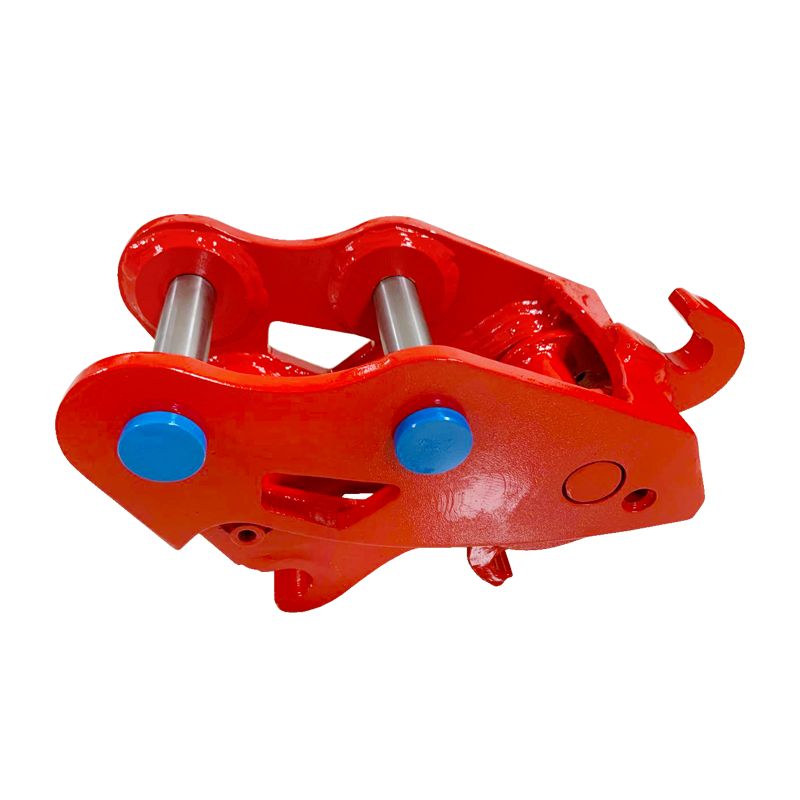
A7: A quick coupler system is a mechanism that allows operators to rapidly attach and detach various implements, including buckets, from the loader without leaving the cab. It significantly enhances the versatility and efficiency of a compact wheel loader by minimizing downtime during attachment changes, enabling the machine to perform multiple tasks in quick succession and adapting to changing job site requirements.
Post time: Nov-12-2025