Understanding Carrier Roller Assembly: A Global Industrial Backbone
Carrier roller assemblies don’t often make headlines, but their impact is quietly vast and incredibly significant. From heavy construction machinery to sophisticated conveyor systems, these mechanical components form a core part of modern industries worldwide. But why should we care? Well, the smooth operation of numerous global supply chains, infrastructure projects, and manufacturing processes hinges on their performance. Knowing the ins and outs of carrier roller assemblies means understanding a vital element that boosts efficiency, durability, and cost-effectiveness in industrial operations.
Introduction: The Global Relevance of Carrier Roller Assembly
Consider this: According to the International Organization for Standardization (ISO), industrial automation and material handling sectors have grown by around 7.5% annually over the last decade. Carrier roller assemblies are integral to many of these advancements, especially in conveyor belts and heavy-duty machinery. They address a fundamental industry challenge—transferring heavy loads while minimizing friction and wear. Without such components, industries from mining in Australia to manufacturing hubs in Germany would face frequent downtime and costly repairs.
Global infrastructure projects, such as those driven by the United Nations’ Sustainable Development Goals (particularly Goal 9: Industry, Innovation, and Infrastructure), rely heavily on components like carrier roller assemblies to ensure longevity and reliability in material movement. So, their function transcends simple mechanics—they’re essential cogs supporting worldwide development.
Mini takeaway: While often unseen, carrier roller assemblies power critical global industries, helping overcome challenges like heavy load management and wear reduction.
What Is a Carrier Roller Assembly?
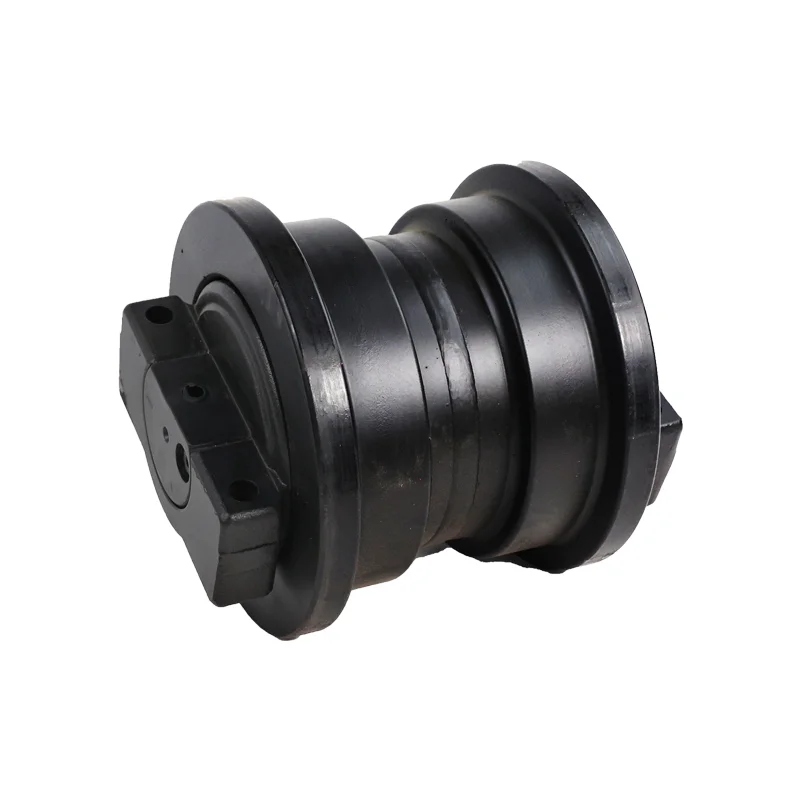
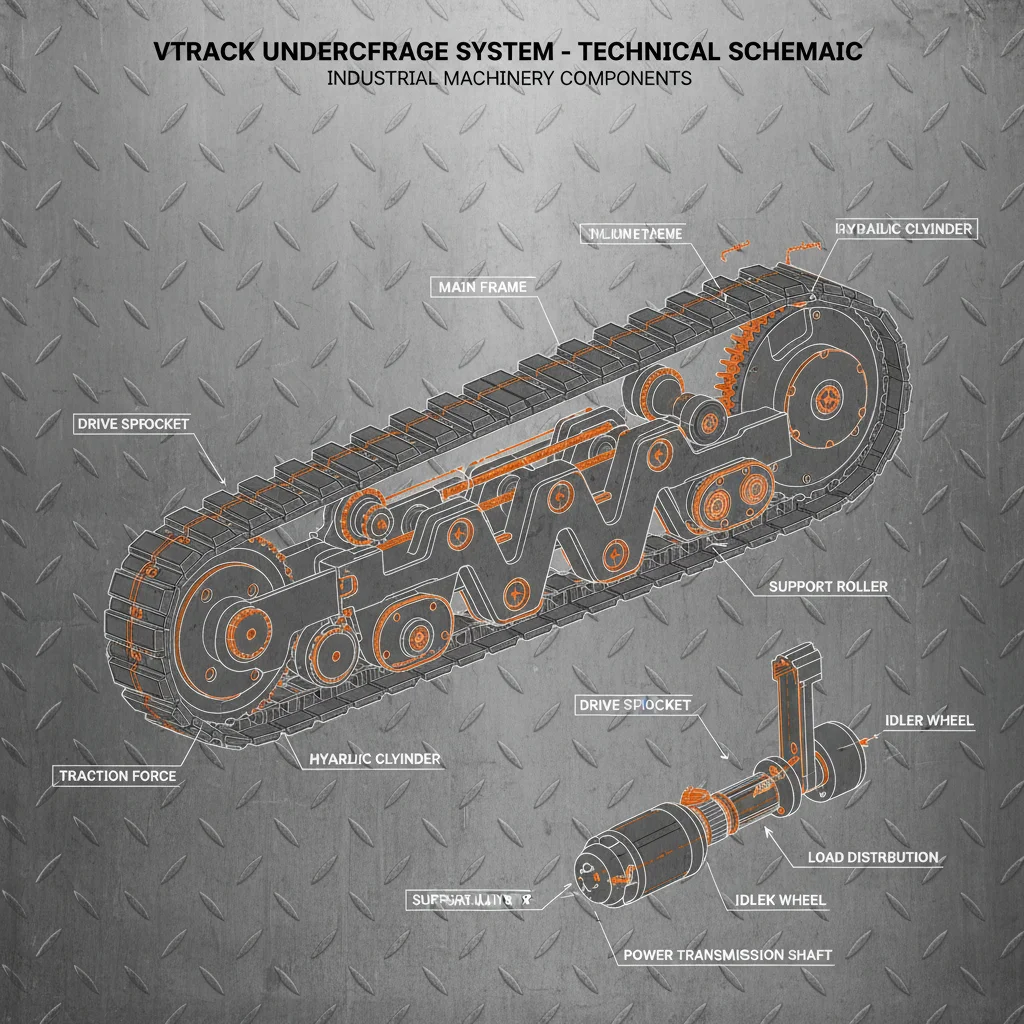
Simply put, a carrier roller assembly is a mechanical subunit consisting of rollers mounted on brackets or arms, designed to support and guide conveyor belts or heavy machinery components. Imagine a skate’s wheels holding up a load and enabling smooth motion—that’s close to the idea here, but built to industrial strength and precision.
These assemblies often involve high-grade materials like alloy steel or polyethylene and integrate bearings that reduce friction. Their role is to bear the weight of materials, ensuring conveyors or machines operate seamlessly under harsh conditions—whether it’s a mining conveyor chain moving tons of ore or an automated factory line packaging goods.
In humanitarian contexts, robust carrier roller assemblies are pivotal in disaster zones where temporary conveyor setups transport supplies efficiently, saving time and human effort.
Key Components & Core Factors in Carrier Roller Assembly
1. Durability
Because of high-load and abrasive environments, carrier roller assemblies must be rugged. Materials like heat-treated steel and corrosion-resistant coatings extend lifespan, franky. This matters especially in maritime or mining uses, where maintenance windows are tight.
2. Load Capacity
Engineers design assemblies according to specific weight thresholds. Overload risks premature failure; thus, load ratings are critical to match usage — from lighter conveyor systems to heavy-duty industrial lines.
3. Bearing Technology
High-quality sealed bearings help reduce friction, protect against dust and moisture, and prevent downtime. The better the bearings, the more reliable the assembly.
4. Scalability
Carrier roller assemblies come in modular formats, letting engineers customize setups for varied industries — kind of like Lego for large-scale material handling.
5. Cost Efficiency
Balancing upfront cost with longevity and maintenance is an ongoing challenge. Many operators appreciate assemblies designed with easy replacement parts to optimize lifecycle expenses.
6. Environmental Resistance
In extreme climates, resistance to temperature swings and chemical exposure matters. For example, a paper mill in Scandinavia will have different specs than a desert mining complex.
Mini takeaway: Reliable carrier roller assemblies balance strength, precise engineering, and adaptability to diverse industrial needs.
Global Applications and Industry Use Cases
- Mining and Quarrying: Australia's remote iron ore sites use robust carrier roller assemblies in conveyors that transport massive loads reliably—often over miles of rugged terrain.
- Manufacturing Plants: German automotive factories integrate roller assemblies to streamline assembly lines, reducing downtime and boosting production rates.
- Logistics and Warehousing: Carriers help conveyor systems in logistics hubs like those in Singapore or Rotterdam efficiently move parcels and goods.
- Disaster Relief Operations: NGOs deploy mobile conveyor assemblies equipped with rugged rollers on temporary infrastructure to speed up relief material transport post-flood or earthquake.
- Agricultural Processing: In Brazil’s sugarcane industry, conveyor systems supported by carrier rollers handle bulky, abrasive raw material with minimal interruption.
Product Specification Table: Typical Carrier Roller Assembly
| Parameter | Typical Value | Notes |
|---|---|---|
| Roller Diameter | 80 - 200 mm | Varies by load type |
| Material | Alloy steel / Polyurethane coating | For corrosion resistance & durability |
| Load Capacity | Up to 2000 kg per roller | Depends on design |
| Bearing Type | Sealed ball bearing | Reduces maintenance |
| Operating Temp Range | -40°C to 90°C | Suitable for most climates |
Vendor Comparison: Popular Carrier Roller Assembly Manufacturers
| Vendor | Product Range | Customization Options | Lead Time | Price Range |
|---|---|---|---|---|
| Crafts Manufacturing | Standard & custom carrier roller assemblies | High; tailored designs available | 2-4 weeks | Mid-range |
| GlobalRollers Inc. | Broad selection of industrial rollers | Medium; some bespoke options | 3-5 weeks | Higher-end |
| RollerTech Solutions | Specialty rollers for extreme environments | Low; mostly standard models | 1-3 weeks | Budget-friendly |
Advantages and Long-Term Value of Carrier Roller Assemblies
Carrier roller assemblies bring more than just mechanical support. Their durability reduces maintenance frequency—which translates to cost savings and less operational downtime. From a sustainability perspective, assemblies built from recyclable materials reduce environmental footprint, a growing priority in manufacturing.
Safety also improves; reliable rollers prevent sudden conveyor stoppages and accidents. Psychologically, operators trust systems that don’t fail unexpectedly—trust that fuels productivity and morale. And innovatively speaking, the latest assembled rollers are engineered to integrate sensor tech for predictive maintenance, helping facilities embrace Industry 4.0 principles.
Future Trends and Innovating Carrier Roller Assembly Technology
Oddly enough, green energy and automation converge in this space. For example, manufacturers are introducing polymer-based rollers that require less lubrication and resist corrosion better than metals, reducing environmental impact. Digital twins—virtual replicas of physical roller assemblies—are being piloted to predict issues before they happen. Robotics also tweak design specs continuously to enhance load handling while shrinking size.
Challenges & Expert Solutions in Carrier Roller Assemblies
Challenges remain, of course. Harsh environments cause abrasion and corrosion, leading to premature wear. Supply chain issues cause delays on replacement parts. But smart engineering tackles these by using modular components, advanced materials like ceramic coatings, and AI-driven predictive maintenance to extend service life.
Additionally, choosing reputable vendors with proven OEM parts reduces risks. Frequent operator training further improves system longevity—knowledge transfer can’t be overlooked.
FAQs: Practical Questions About Carrier Roller Assembly
- Q: What factors determine the right carrier roller assembly for my conveyor system?
A: Key factors include load capacity, environment (temperature, moisture), roller diameter, and bearing type. Understanding the material being conveyed and system speed also guides the choice to minimize wear and maximize service life. - Q: How often should carrier roller assemblies be maintained or replaced?
A: Maintenance schedules vary but inspecting rollers every 3–6 months is common. Replacement depends on wear level but anticipating it using sensor feedback or visible signs (noise, heat) helps avoid failures. - Q: Are custom carrier roller assemblies necessary?
A: Often yes, especially in unusual load scenarios or extreme environments. Custom options optimize performance and reduce operational costs long term despite higher initial investment. - Q: Can carrier roller assemblies be used in outdoor, corrosive environments?
A: Absolutely. Using corrosion-resistant coatings and sealed bearings ensures assemblies withstand elements like rain, salt, and dust for extended periods.
Conclusion
Carrier roller assemblies, while somewhat humble mechanical heroes, power a vast array of industrial activities worldwide. Their smart design, durability, and adaptability address core challenges in material handling and infrastructure maintenance. Looking forward, innovations promise even greater efficiency and sustainability. If your operation depends on trusted, high-quality mechanical components, I highly recommend exploring trusted vendors — like carrier roller assembly specialists — to optimize your setup.
Ready to upgrade your systems? Visit Crafts Manufacturing for expertly crafted, customizable carrier roller assemblies built to last.
Final takeaway: Investing in quality carrier roller assemblies isn’t just about mechanics—it’s about future-proofing your industry’s reliability and innovation.
References
Post time: Dec-03-2025