In the demanding world of heavy construction, mining, and earthmoving, the performance and longevity of an excavator are paramount. Often overlooked amidst the grandeur of powerful engines and robust hydraulic systems is the seemingly simple yet profoundly critical task of excavator track adjustment. Proper track tension is not merely a maintenance checklist item; it is a fundamental determinant of operational efficiency, component lifespan, and most importantly, operator safety. An incorrectly tensioned track system can lead to a cascade of negative effects, ranging from accelerated wear on vital undercarriage components such as idlers, sprockets, track links, and rollers, to increased fuel consumption and even catastrophic track derailment. Too tight, and the excessive strain burdens the entire system, leading to premature failure of bearings and increased power draw. Too loose, and the track can whip, slip, or even come off completely, causing costly downtime, potential damage to the machine, and safety hazards for personnel. Understanding the nuances of maintaining optimal tension is therefore indispensable for any operation seeking to maximize its return on investment from its heavy machinery fleet. This foundational aspect of excavator maintenance underpins the machine's ability to perform reliably across diverse terrains and demanding applications, directly influencing productivity and profitability.
The Data-Driven Impact of Proper Track Tension
The impact of diligent track tensioning extends far beyond anecdotal observations, manifesting in quantifiable improvements across key performance indicators. Empirical data consistently highlights how precision in track adjustment translates into significant operational advantages. For instance, studies and field reports indicate that an optimally tensioned track system can reduce fuel consumption by up to 15%. This reduction stems from diminished rolling resistance and reduced strain on the engine and hydraulic system, allowing the machine to operate more efficiently. Furthermore, the lifespan of critical undercarriage components can be extended by an impressive 30-40%. Premature wear on track links, bushings, rollers, idlers, and sprockets—often the most expensive components to replace—is directly mitigated when the track operates within its designed tension parameters. This translates into hundreds, if not thousands, of hours of additional operational life for these parts. Beyond component longevity, proper track tension dramatically decreases the incidence of unscheduled downtime. A leading equipment manufacturer reported a 20% decrease in emergency repairs and service calls related to undercarriage issues for machines that adhere strictly to recommended track adjustment schedules. Consider a large-scale mining operation with a fleet of excavators; a 15% fuel saving across the fleet could equate to millions of dollars annually, while a 30% increase in component life significantly defers major capital expenditure on replacement parts and associated labor costs. These figures underscore that track adjustment is not just about avoiding problems, but actively enhancing economic performance and operational resilience.
Unpacking the Technical Advantages of Advanced Adjustment Systems
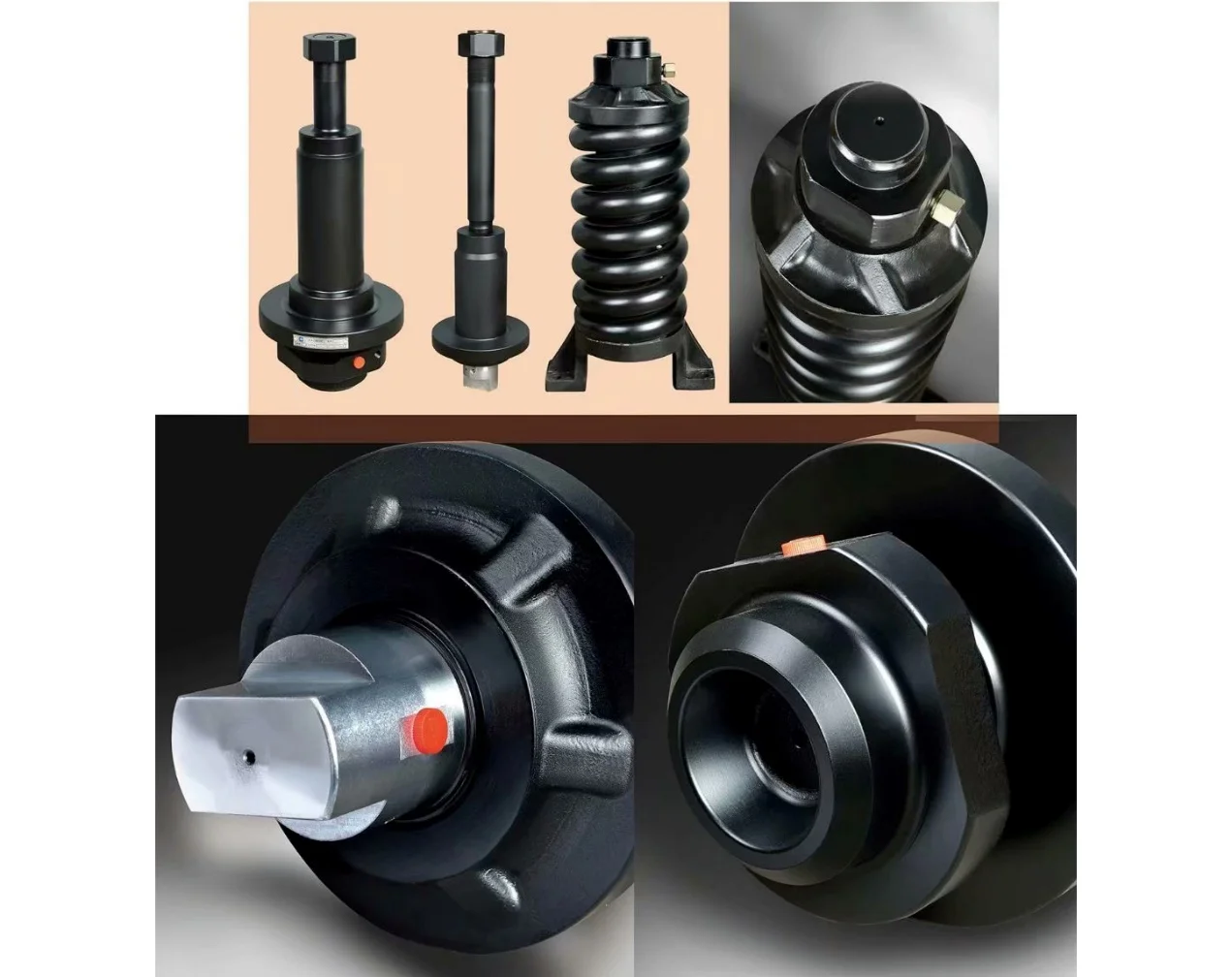
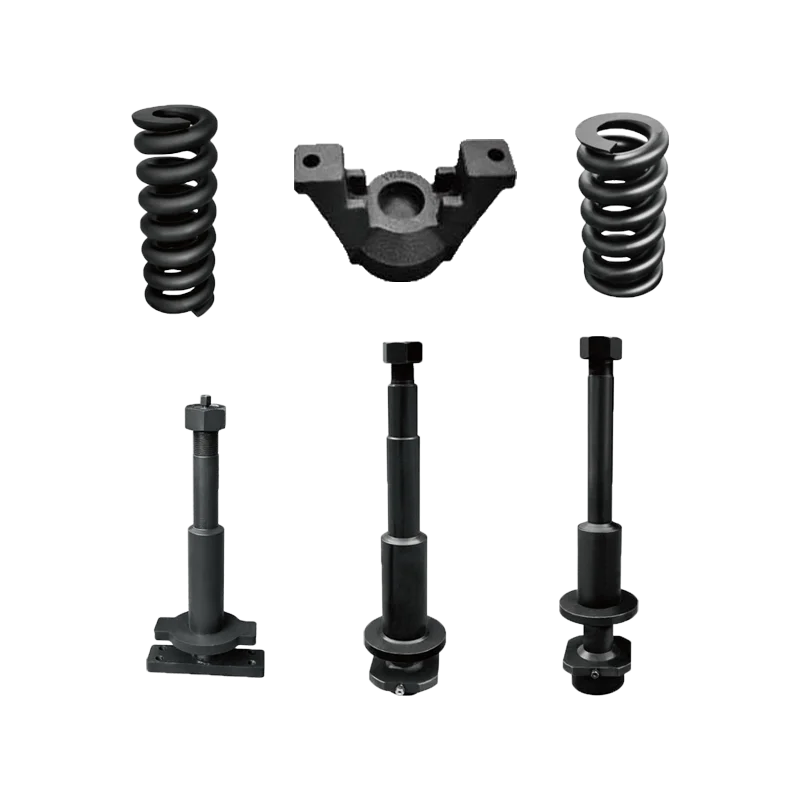
Modern excavator track adjustment systems leverage sophisticated engineering to provide superior control, durability, and ease of maintenance compared to their predecessors. At the core, most systems utilize a grease-filled cylinder or hydraulic mechanism to push the idler wheel forward, thereby increasing track tension. However, the technical advancements lie in the precision and integration of these systems. For instance, advanced designs incorporate high-pressure, corrosion-resistant seals and hardened chrome piston rods to ensure consistent performance and extended service life even in abrasive environments. Many contemporary excavators feature semi-automatic or fully automatic tensioning systems. These systems often integrate sensors that monitor track tension in real-time and make minor adjustments as needed, compensating for changes due to material ingress (mud, debris), temperature fluctuations, or operational stresses. Some high-end models even offer remote diagnostic capabilities, allowing technicians to assess track tension and identify potential issues without physical inspection, reducing inspection time by up to 50% and enhancing proactive maintenance. The interaction between the track tensioner, the recoil spring, and the front idler is crucial. Advanced recoil springs are engineered to absorb shocks more effectively, protecting the final drive and mainframe from excessive impact loads. Materials science plays a vital role, with manufacturers employing heat-treated alloys for track links and pins, and advanced lubrication for sealed and lubricated track (SALT) chains, all of which benefit immensely from optimal tension. The cumulative effect of these technical advantages is a track system that is not only more reliable and efficient but also significantly easier to maintain, reducing the skill requirement for field adjustments and minimizing human error.
Navigating the Market: A Manufacturer Comparison
Choosing the right track adjustment system, whether as an integrated part of a new excavator or as a replacement component, requires a nuanced understanding of manufacturer offerings. While most major OEMs provide robust, factory-fitted systems, the aftermarket also offers specialized solutions. Evaluating manufacturers involves looking beyond the initial purchase price to consider long-term reliability, ease of maintenance, and technological sophistication. Below is a comparative overview highlighting key differentiators:
Feature/Manufacturer Type | Premium OEM (e.g., Caterpillar, Komatsu) | Specialized Aftermarket (e.g., Berco, ITM) | Value/Generic Aftermarket |
Ease of Adjustment | Integrated, often automated/semi-automated, precise grease/hydraulic systems. Minimal manual effort. | High-quality components, often compatible with OEM interfaces, may offer enhanced features for specific needs. | Basic grease cylinder, relies heavily on manual intervention, less precise. |
Durability & Material Quality | Superior metallurgy, proprietary heat treatments, extensive R&D, extended warranty. Designed for machine's full lifecycle. | Excellent quality, often meeting or exceeding OEM standards for specific components. Focused on wear resistance. | Standard materials, variable quality control. Shorter lifespan, prone to premature wear. |
Technological Integration | Sensors for real-time monitoring, diagnostic compatibility, optional remote adjustment/alerts. Full system optimization. | May offer advanced component-level features (e.g., enhanced seal designs), but less system-wide integration. | Basic mechanical function, no electronic integration. |
Cost-Effectiveness (Initial) | Higher initial investment, but lower total cost of ownership (TCO) due to longevity and efficiency. | Mid-range to high, offering strong value for performance and durability. | Lowest initial cost, but higher TCO due to frequent replacements and downtime. |
Support & Warranty | Extensive global dealer network, comprehensive warranty, expert technical support. | Reputable dealers, specialized support for their components, good warranty terms. | Limited support and warranty, often through distributors. |
Typical Applications | All heavy-duty, high-utilization, critical applications where reliability is paramount. | Specific component upgrades, targeted performance enhancements, fleet standardization. | Low-utilization machines, budget-constrained projects, temporary repairs. |
Ultimately, the choice hinges on the application's demands, budget constraints, and the desired balance between upfront cost and long-term operational efficiency. Investing in higher-quality systems often yields superior dividends in reduced downtime and extended component life.
Crafting the Perfect Fit: Customization Solutions for Varied Operations
While standard excavator track adjustment systems are designed for general use, the diverse operational environments and specific tasks that excavators undertake necessitate a highly customized approach for optimal performance. A one-size-fits-all solution rarely achieves peak efficiency in every scenario. Customization solutions for track adjustment focus on tailoring the system to the unique demands imposed by factors such as excavator size and weight, operating terrain, specific application, and environmental conditions. For instance, excavators routinely operating in extremely abrasive environments, like quarries or mining sites with sharp, jagged rock, might benefit from enhanced idler designs with reinforced wear surfaces and specialized seal arrangements to prevent ingress of abrasive particles into the adjustment mechanism. Conversely, machines working in soft, muddy, or sandy conditions may require different track shoe widths and specific tension settings to optimize flotation and prevent packing, which can significantly alter effective tension. Custom hydraulic or grease systems can be engineered for larger machines, ensuring adequate force for tensioning while maintaining precision. This might involve higher capacity grease cylinders or more robust hydraulic pumps. Some operations opt for specialized lubricants within the tensioning system that are better suited for extreme hot or cold climates, ensuring consistent performance regardless of temperature fluctuations. Manufacturers and expert service providers often work directly with clients to assess their specific needs, analyze operational data, and recommend bespoke solutions, including custom-designed recoil springs, specialized adjustment valves, or even integrated telematics systems that provide real-time tension recommendations based on current load and terrain. Such tailored approaches not only enhance operational performance but also extend the life of the track system by ensuring it is perfectly matched to its working conditions, leading to substantial long-term savings and increased productivity.
Real-World Excellence: Application Case Studies
The practical benefits of precise track adjustment are best illustrated through real-world application cases, where optimized systems have delivered tangible improvements. These examples highlight how a focused approach to undercarriage maintenance can profoundly impact productivity, efficiency, and cost savings.
· Case Study 1: Large-Scale Mining Operation in Western Australia
A major iron ore mining company operating a fleet of 80-ton excavators experienced persistent issues with premature track link and bushing wear, leading to track replacements every 4,000 hours, significantly below manufacturer estimates of 6,000-8,000 hours. An audit revealed inconsistent track tensioning practices across the fleet. By implementing a standardized, data-driven track adjustment protocol, supported by new on-board tension monitoring systems, the company achieved remarkable results. Within 12 months, average track life increased by 35%, pushing replacements beyond 5,400 hours and, for some units, close to 7,000 hours. This translated to an estimated annual saving of over $1.5 million in parts and labor, coupled with a 15% reduction in unplanned downtime for undercarriage issues.
· Case Study 2: Urban Demolition Project in a Major European City
A demolition contractor utilizing a 45-ton excavator for high-impact concrete and steel removal faced challenges with track derailments and excessive vibration, particularly when operating on uneven rubble. The existing track adjustment system, while functional, was prone to slight loosening during intense operations. After upgrading to an aftermarket hydraulic adjustment system with enhanced shock absorption capabilities and a more stable idler guide, the issues were largely eliminated. The new system allowed for more consistent tension, reducing vibration by an observed 25% and virtually eliminating track derailments. This improved machine stability led to a 10% increase in operational speed during demolition phases, significantly cutting project timelines and labor costs.
· Case Study 3: Forestry Operation in the Pacific Northwest
A logging company operating in steep, rugged terrain struggled with excessive wear on track rollers and sprockets on its 30-ton excavators used for log loading and road building. The challenging environment often led to debris packing between the track links, altering tension and causing uneven wear. By adopting a proactive maintenance schedule that included daily track cleaning and meticulous excavator track adjustment based on terrain conditions (slightly looser in heavy mud to prevent packing, tighter on steep inclines for grip), coupled with the use of wider track shoes for better flotation, the company extended the life of its track rollers by an average of 28%. This optimization reduced maintenance costs by an average of $20,000 per machine annually and improved machine stability on slopes, enhancing safety for operators.
Mastering Excavator Track Adjustment for Peak Performance
Ultimately, the mastery of excavator track adjustment is not just a maintenance task but a strategic operational imperative. As demonstrated through data and real-world applications, precise tensioning directly correlates with extended undercarriage life, reduced fuel consumption, minimized downtime, and enhanced operational safety. From the intricate engineering of advanced adjustment systems to the critical decisions involved in selecting the right components and customizing solutions for specific environments, every aspect plays a pivotal role in maximizing an excavator's potential. Embracing a proactive, data-driven approach to track maintenance, supported by the latest technological advancements and expert consultation, transforms a potential headache into a significant competitive advantage. Regular inspection, adherence to manufacturer specifications, and a commitment to prompt and accurate adjustment ensure that excavators perform reliably, efficiently, and safely for their entire operational lifespan. This diligence in track management not only safeguards valuable assets but also underpins the productivity and profitability of any heavy equipment operation, making it an indispensable practice for sustained success in demanding industries.
Frequently Asked Questions about Excavator Track Adjustment
Q: How often should excavator track tension be checked and adjusted?
A: Track tension should ideally be checked daily during pre-operation inspections, especially in demanding applications or varied terrain. A full adjustment is typically recommended after every 50-100 hours of operation or as specified by the manufacturer's manual, or immediately if significant changes in operating conditions occur.
Q: What are the main indicators that track tension is incorrect?
A: Common indicators include excessive sagging of the track between the idler and sprocket (too loose), tight tracks causing the idler to move back with difficulty (too tight), unusual noise, increased fuel consumption, excessive heat from undercarriage components, accelerated wear on rollers and sprockets, or the track coming off the idler or sprocket.
Q: What happens if an excavator track is too loose?
A: A loose track can whip at high speeds, increase wear on bushings and pins, cause the track to slip off the sprocket or idler, leading to costly downtime and potential damage to components and personnel. It also contributes to increased vibration and reduced operational efficiency.
Q: What happens if an excavator track is too tight?
A: A track that is too tight puts excessive stress on all undercarriage components, including track links, idlers, rollers, and final drives. This leads to accelerated wear, increased power consumption (higher fuel burn), overheating of components, and premature failure of bearings and seals.
Q: Can track tension be adjusted for different operating conditions?
A: Yes, for optimal performance, track tension can be slightly modified based on operating conditions. For instance, in soft, muddy terrain, a slightly looser track can help prevent material packing and reduce strain. In abrasive rock or on steep inclines, a firmer tension might be preferred for better traction and stability, always within the manufacturer's specified range.
Q: What tools are typically needed for excavator track adjustment?
A: The primary tool is a grease gun (for grease cylinder tensioners) or hydraulic pump (for hydraulic tensioners). Additionally, a tape measure or measuring rod is needed to check the sag, and potentially a wrench for releasing the relief valve or accessing the adjustment mechanism. Always refer to your specific machine's manual for detailed instructions and required tools.
Q: How does proper track adjustment contribute to fuel efficiency?
A: Proper track adjustment reduces rolling resistance and unnecessary friction within the undercarriage system. When the track is at optimal tension, the engine and hydraulic system do not have to exert as much force to move the tracks, leading to lower power consumption and, consequently, improved fuel efficiency.
Post time: Nov-19-2025