Understanding Undercarriage Rollers: A Comprehensive Guide
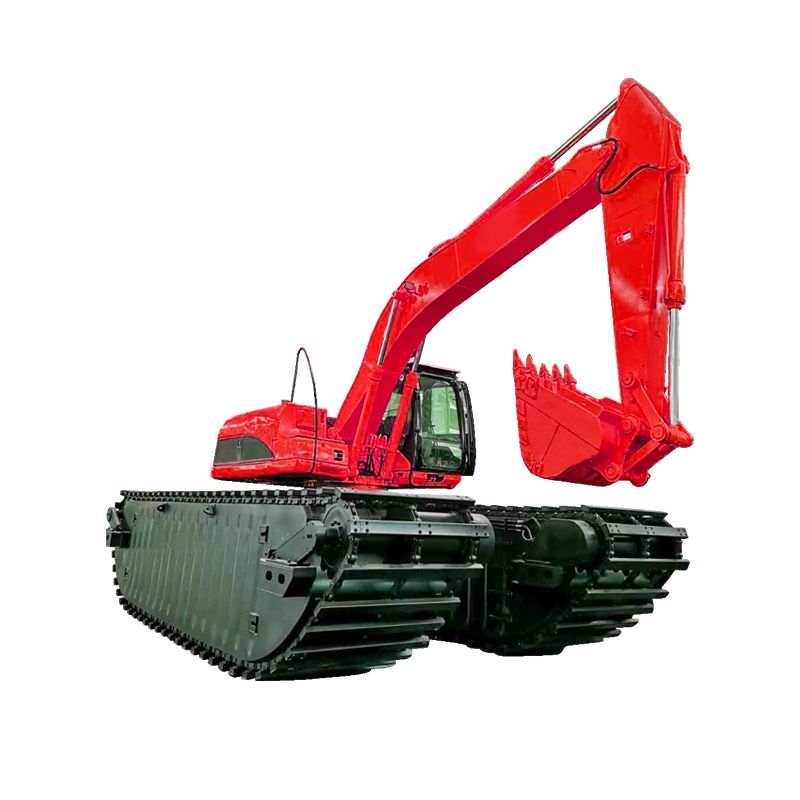
Undercarriage rollers are critical components of heavy machinery, particularly in excavators, bulldozers, and cranes. These robust parts facilitate movement and weight distribution, impacting performance and operational efficiency. Choosing the right undercarriage rollers is paramount for longevity and minimizing downtime. This article provides a deep dive into their function, types, maintenance, and selection criteria, ensuring you have a clear understanding of this essential machinery component. Investing in high-quality rollers directly translates to increased productivity and reduced repair costs.
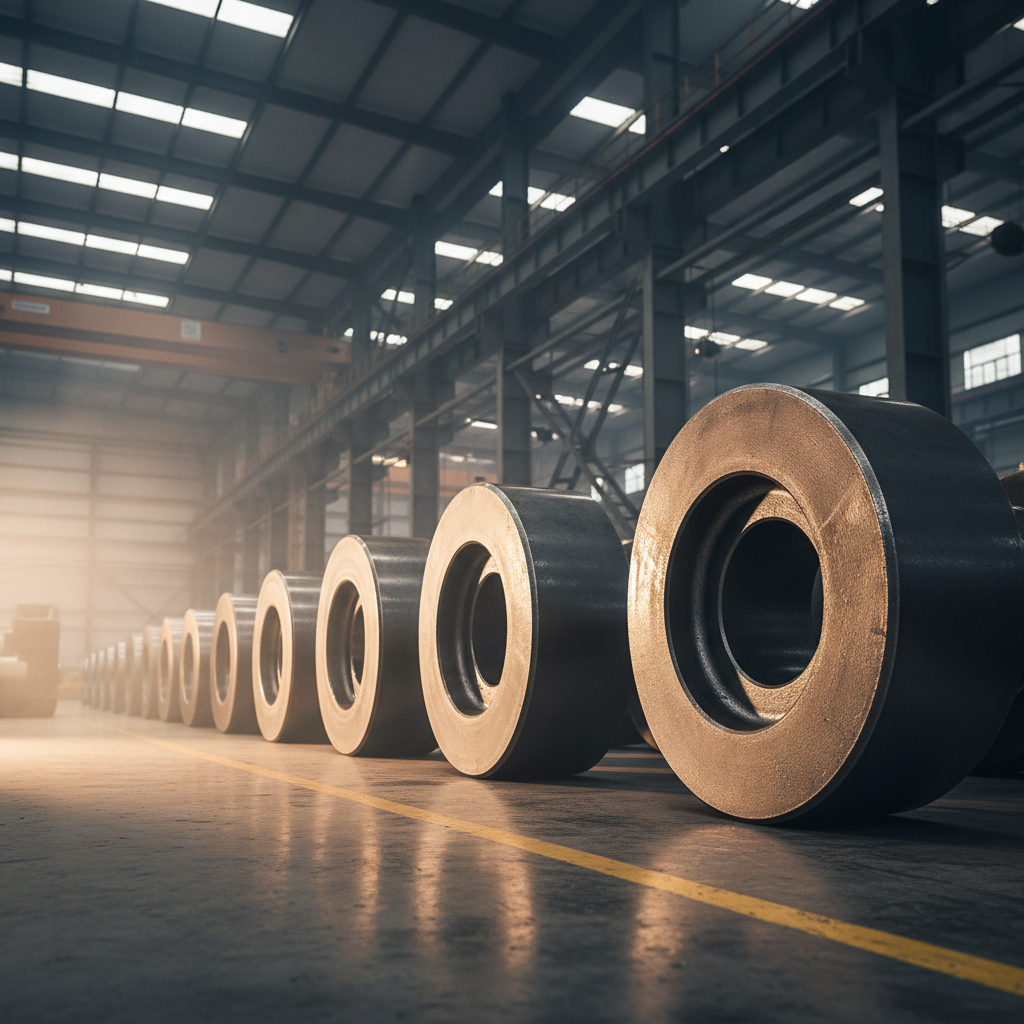
The Role of Undercarriage Rollers in Heavy Machinery
Undercarriage rollers work in tandem with tracks (or tires in some cases) to provide a stable base for heavy machinery. They support the machine's weight and allow it to move smoothly over various terrains. Each roller is engineered to withstand immense pressure and abrasion, particularly in demanding environments like construction sites and mines. The proper functioning of these rollers is vital for maintaining optimal ground contact and preventing track slippage. This ensures efficient operation and reduces wear and tear on the entire undercarriage system. Without correctly functioning rollers, machinery will experience decreased performance and increased operational costs.
Key Benefits: Support machine weight, facilitate smooth movement, minimize track slippage, and reduce wear on the undercarriage.
Types of Undercarriage Rollers
Several types of undercarriage rollers are available, each designed for specific applications and machinery. The most common include sealed and lubricated rollers, flanged rollers, and double-flanged rollers.
Sealed and Lubricated Rollers are the most prevalent type, offering long-lasting performance with minimal maintenance. They feature internal seals to keep contaminants out and lubricant in.
Flanged Rollers have a flange on one side, guiding the track and preventing derailment.
Double-Flanged Rollers, with flanges on both sides, provide even greater track guidance and stability, particularly in high-stress applications. Selecting the appropriate roller type is crucial for optimal performance and durability. Consider the machine's operating environment, load capacity, and track type when making your selection.
Roller Type Overview:
• Sealed & Lubricated: General purpose, low maintenance
• Flanged: Track guidance, prevents derailment
• Double-Flanged: High stability, demanding applications
Selecting the Right Undercarriage Roller for Your Needs
Choosing the right undercarriage rollers depends on several factors. Consider the machine's make and model, operating conditions, and expected lifespan. Look for rollers made from high-quality materials like forged steel, which offer superior strength and durability. Proper sealing is crucial to prevent contamination and maintain lubrication. Verify the roller's load capacity to ensure it can handle the machine's weight and operating loads. Finally, partner with a reputable supplier like Crafts-Mfg who can provide technical expertise and support.
Maintenance and Longevity of Undercarriage Rollers
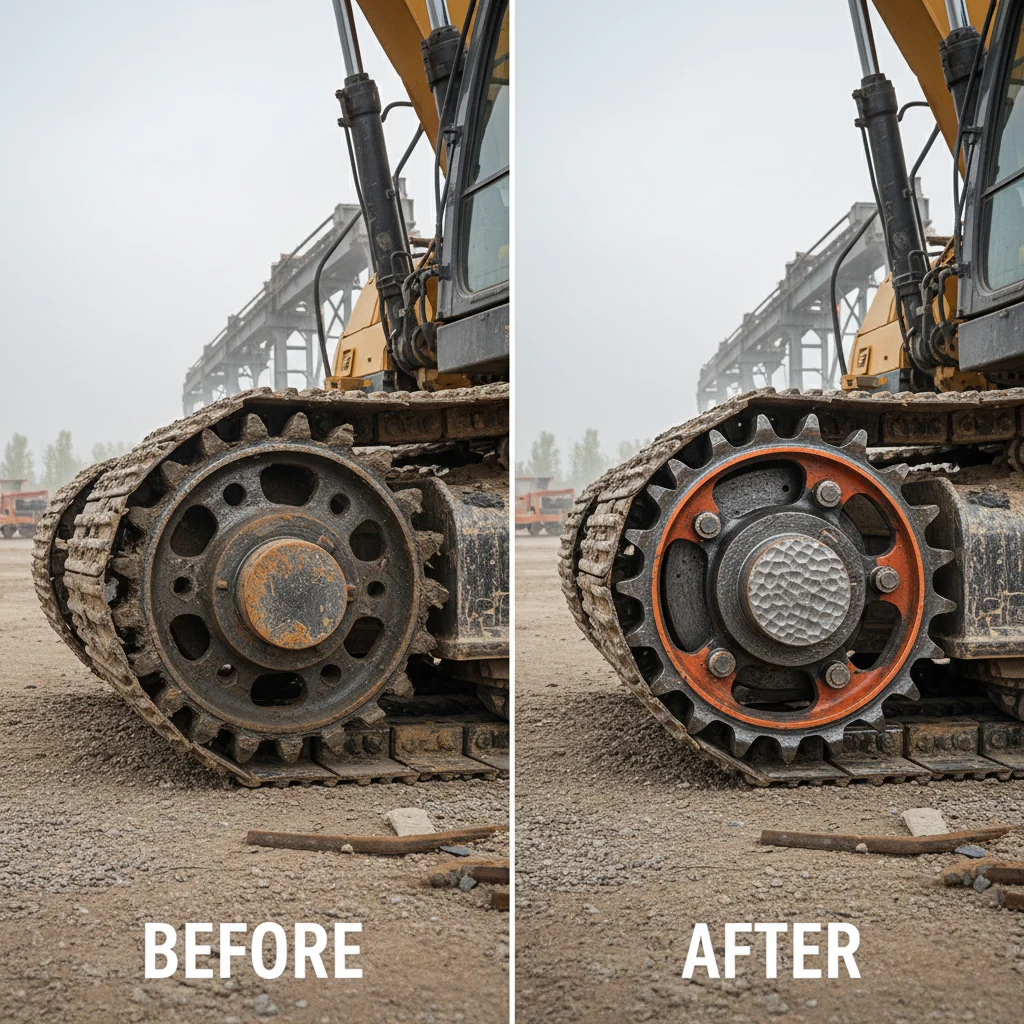
Regular maintenance is critical for maximizing the lifespan of your undercarriage rollers. Inspect rollers frequently for signs of wear, damage, or improper lubrication. Clean rollers regularly to remove dirt, debris, and contaminants. Lubricate rollers according to the manufacturer's recommendations. Monitor track tension and adjust as needed to prevent excessive wear on the rollers. Early detection of issues can prevent costly repairs and downtime. Proactive maintenance translates to a significantly longer operational life for your machinery.
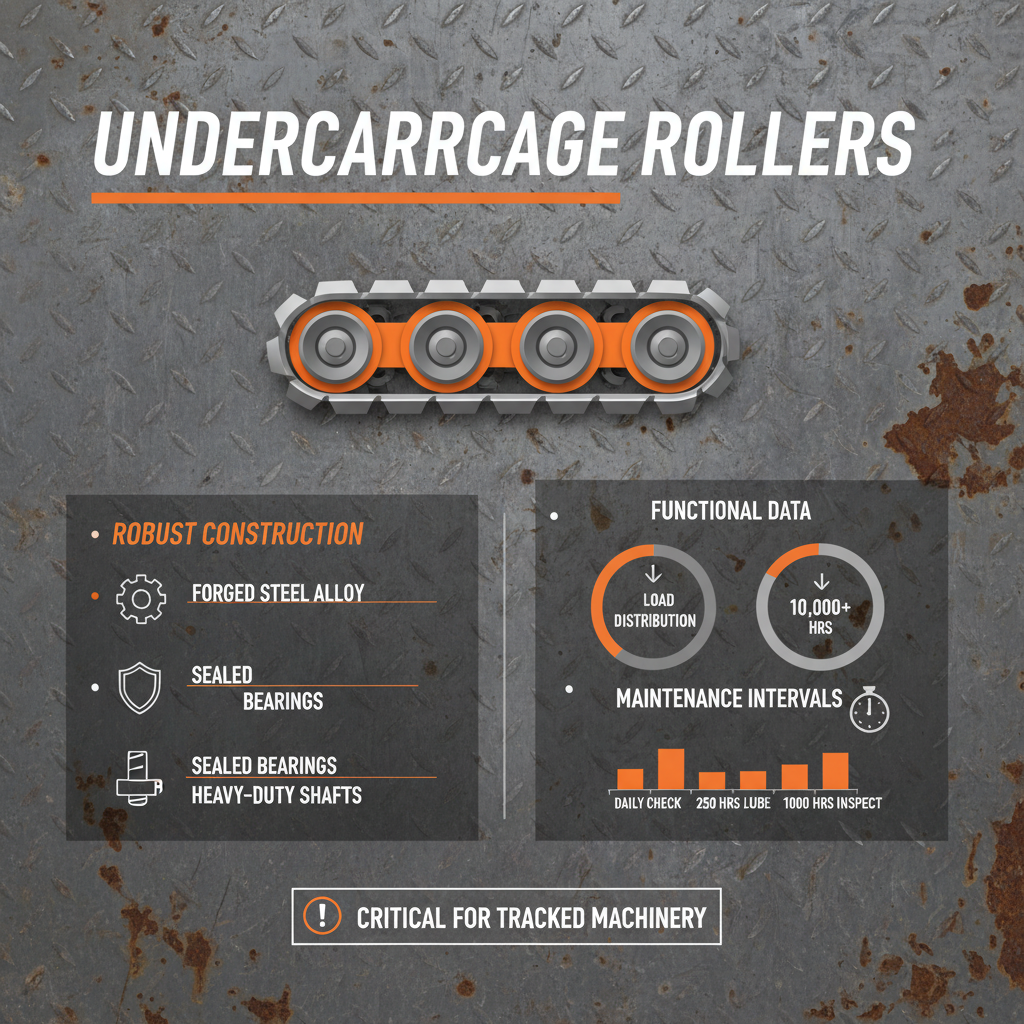
Cost-Effective Solutions from Crafts-Mfg
At Crafts-Mfg, we specialize in providing high-quality undercarriage rollers at competitive prices. We understand the importance of reliable components for your heavy machinery. Our rollers are manufactured to exacting standards, ensuring optimal performance and durability. We offer a wide range of roller types to suit various applications and budgets. Contact us today to discuss your specific needs and receive a customized quote. We are dedicated to providing exceptional products and superior customer service.
Conclusion: Investing in Quality Undercarriage Rollers
Investing in high-quality undercarriage rollers is a strategic decision that pays dividends in the long run. By selecting durable, reliable components and implementing a proactive maintenance program, you can minimize downtime, reduce repair costs, and maximize the productivity of your heavy machinery. Partner with Crafts-Mfg for premium rollers and expert support.
Frequently Asked Questions (FAQs)
What is the typical lifespan of undercarriage rollers?
The lifespan of undercarriage rollers varies significantly based on operating conditions, machine type, and maintenance practices. Generally, rollers can last anywhere from 2,000 to 5,000 hours of operation. However, in harsh environments with abrasive materials or heavy loads, the lifespan may be shorter. Regular inspections and preventative maintenance, such as lubrication and cleaning, can extend the rollers' life considerably. Signs of wear, such as excessive play or damaged seals, indicate it's time for replacement.
How often should I lubricate undercarriage rollers?
The lubrication frequency depends on the machine's operating environment and the manufacturer's recommendations. As a general guideline, lubricate rollers every 50-100 hours of operation, or more frequently in dusty or abrasive conditions. Use a high-quality grease specifically designed for heavy machinery undercarriage components. Proper lubrication reduces friction, prevents wear, and extends the lifespan of the rollers and surrounding components.
What are the common signs of worn undercarriage rollers?
Common signs of worn undercarriage rollers include excessive play or wobble in the roller, visible cracks or damage to the roller shell, loss of lubrication, and increased track slippage. You may also notice uneven wear patterns on the tracks. Ignoring these signs can lead to more significant damage to the entire undercarriage system, resulting in costly repairs and downtime. Regular inspections can help identify potential problems early on.
Where can I source high-quality replacement rollers?
Crafts-Mfg is a trusted supplier of high-quality undercarriage rollers. We offer a wide selection of rollers for various machine makes and models, ensuring optimal performance and durability. We prioritize quality materials and rigorous testing to provide reliable components that meet your needs.
Post time: Mar-03-2026