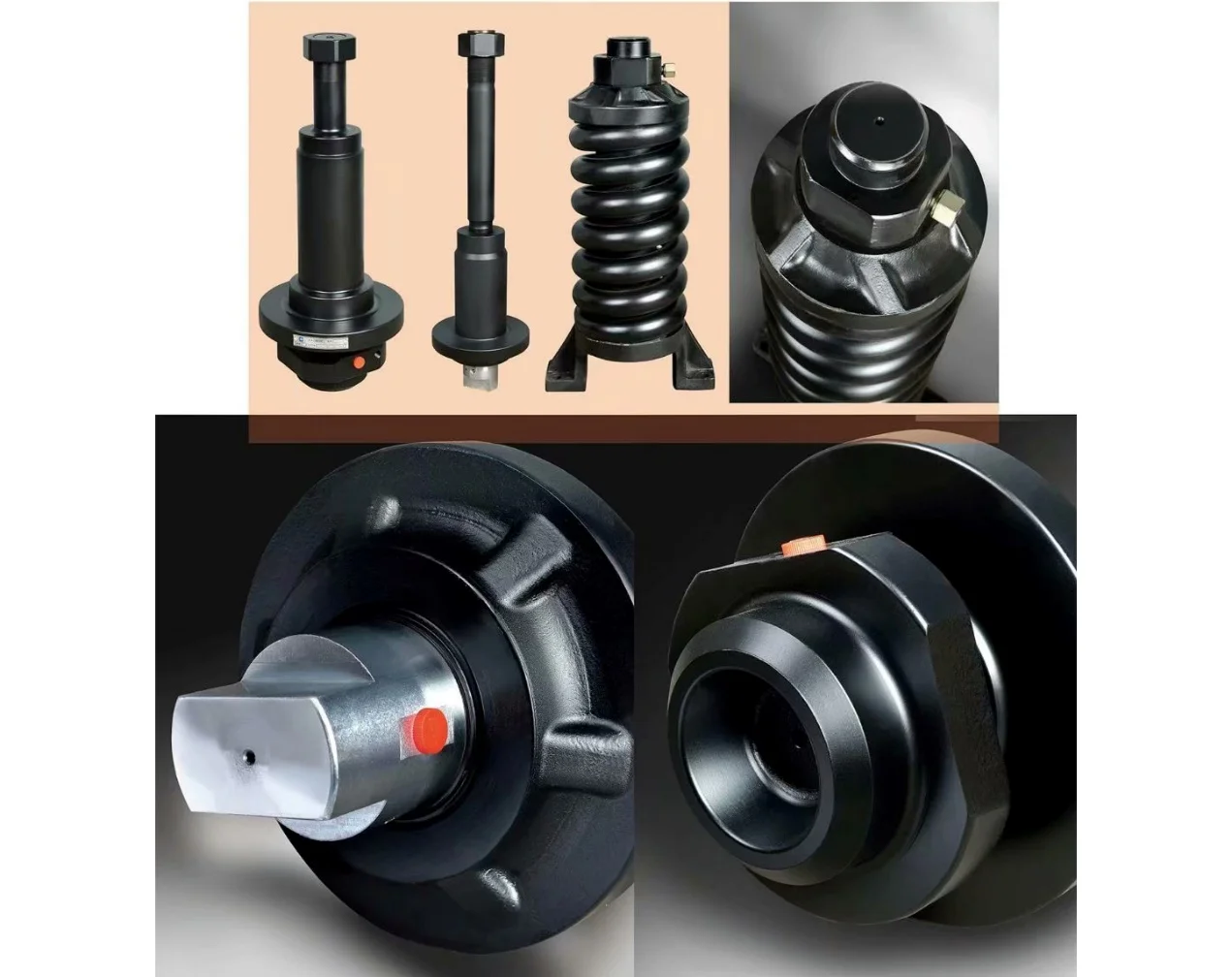
Excavator Track Idler: The Unsung Hero of Heavy Machinery
When you think of excavators, your mind probably pictures large, powerful machines tearing through earth or turning rubble on construction sites. Yet, tucked beneath that mighty frame is a small but vital component: the excavator track idler. Oddly enough, this part doesn’t get near the attention it deserves despite playing a crucial role in the machine's movement, stability, and longevity. Globally, as infrastructure projects escalate and industries push heavy equipment harder than ever, understanding track idlers is key to optimizing performance, reducing downtime, and ultimately saving millions in operational costs.
Introduction: Why Does the Excavator Track Idler Matter Globally?
Globally, the construction and mining markets are projected to grow steadily. The World Bank reports that infrastructure investment needs in developing countries exceed hundreds of billions annually. Excavators are at the front line of this surge, digging foundations, roads, and new structures. Their efficiency depends not only on operator skill but also on the quality of components like the track idler. Without a durable and well-maintained idler, the entire undercarriage suffers premature wear, leading to costly repairs and project delays.
In fact, ISO standards for construction vehicles emphasize the importance of undercarriage components in equipment reliability. The track idler, responsible for guiding and tensioning the tracks, directly impacts fuel efficiency and machine control. In remote areas or disaster zones where spare parts are limited, the longevity of the excavator track idler can mean the difference between success and standstill.
What Is an Excavator Track Idler?
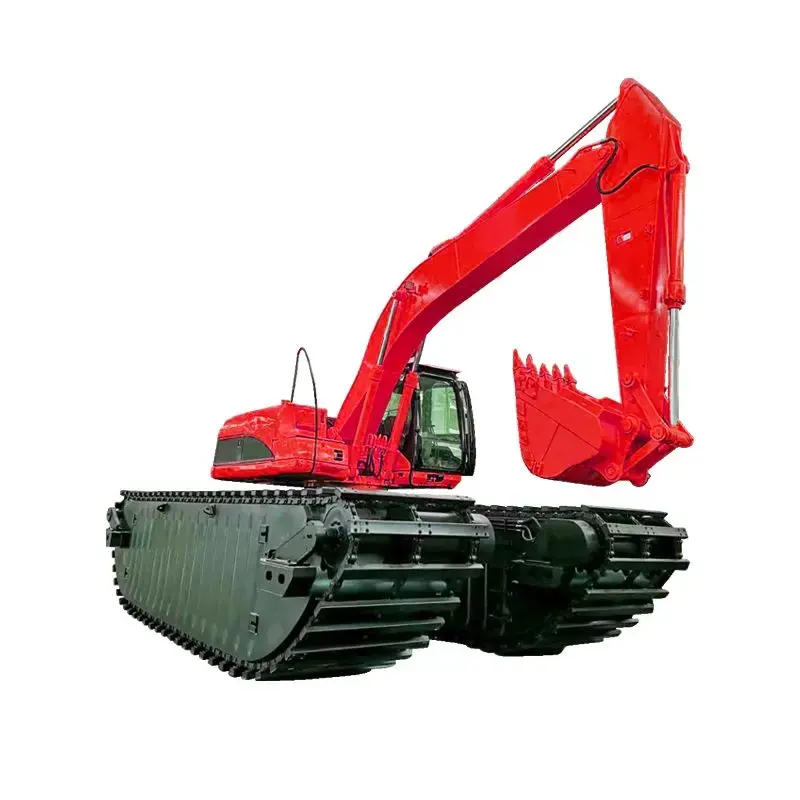
Simply put, an excavator track idler is a wheel-like component at the end of the track frame. It keeps the metal tracks tight and properly aligned to ensure smooth movement over uneven terrain. Imagine it as the machine’s pace-setter, working with sprockets and rollers to maintain track tension and guide the continuous band of linked plates. Without it, tracks would slip, derail, or wear unevenly, compromising stability and safety.
In modern industry, from highway construction to humanitarian relief efforts in disaster-hit areas, excavator track idlers make the difference between rugged reliability and frustrating breakdowns. For NGOs deploying heavy machinery for infrastructure rehabilitation, a robust idler is non-negotiable.
Key Factors That Define a Quality Excavator Track Idler
Durability
Excavator track idlers must withstand extreme stress, abrasion, and shock loads. Materials like high-grade forged steel and surface treatments (e.g., heat hardening) enhance wear resistance. Durability extends the part’s working life, reducing replacement frequency and downtime.
Precision Engineering
Accurate machining and tight tolerances ensure the idler aligns perfectly with the track chain. This precision prevents abnormal wear and maintains smooth operation even at high speeds or heavy loads.
Seal Integrity & Lubrication
Many track idlers are sealed to protect bearings from dirt and water ingress. Good sealing prolongs lubrication life, reducing maintenance interventions and preventing costly failures.
Cost Efficiency
While premium idlers may come with a higher upfront price, their longevity and reduced maintenance yield better total cost of ownership. Budget parts might seem attractive initially but often lead to unexpected expenses.
Compatibility & Scalability
Depending on the excavator size and model, track idlers vary in diameter, width, and mounting. Vendors offering customizable options improve scalability, allowing operators to upgrade or replace without overhauling other components.
Product Specification of a Typical Excavator Track Idler
| Specification | Details |
|---|---|
| Material | Forged Alloy Steel, Heat Treated |
| Diameter | 300 - 500 mm (varies by model) |
| Weight | 20 - 60 kg |
| Bearing Type | Sealed Double-row Ball Bearings |
| Sealing System | Rod Wiper + Labyrinth Dust Seal |
| Operating Temperature | -20°C to 80°C |
Global Applications & Real-World Use Cases
- Construction in Asia & Africa: Massive infrastructure projects in countries like India and Kenya rely on excavation machinery with durable track idlers for uninterrupted work under harsh soil and climate.
- Mining Operations in Australia & South America: Excavators digging in rough terrain need heavy-duty idlers that resist abrasion and impact, reducing downtime in remote mines.
- Disaster Relief Efforts Worldwide: When NGOs deploy excavators post-earthquake or flood, rugged idlers ensure machines keep moving through debris and mud, enabling swift recovery activities.
- Forestry and Logging in North America: Excavators used for trail clearing depend on reliable undercarriage parts for traction and maneuverability across rough forested terrain.
In all these scenarios, the excavator track idler supports sustained machine performance despite challenging conditions. Its reliability can literally affect the speed of rebuilding and economic recovery.
Vendor Comparison Table: Excavator Track Idler Providers
| Vendor | Material Quality | Customization | Warranty | Price Range |
|---|---|---|---|---|
| Crafts Manufacturing | High-grade Forged Steel | Yes, multiple options | 2 years / 2000 hours | $$$ |
| Global Track Components | Hardened Steel Alloy | Limited | 1 year / 1000 hours | $$ |
| Premier Undercarriage | Forged Steel, Heat Treated | Yes | 3 years / 3000 hours | $$$$ |
Advantages & Long-Term Value of Excavator Track Idlers
Well-made excavator track idlers provide tangible benefits beyond just functionality:
- Cost Savings: Fewer replacements and less downtime translate into lower expenses and higher uptime.
- Environmental Sustainability: Durable parts reduce waste and help machines run more efficiently, cutting fuel consumption.
- Safety & Trust: Consistent machine control prevents accidents on-site, building operator confidence and jobsite reputation.
- Emotional Peace of Mind: Knowing your equipment won’t quit in the thick of work eases stress — a surprisingly important factor.
So, while a track idler might seem small, its ripple effects on project success and social impact are immense.
Looking Ahead: Future Trends and Innovations
Technology is evolving. Manufacturers are exploring ultra-high-strength composites replacing steel parts, aiming to trim weight and improve corrosion resistance. Digital monitoring systems now track wear and lubrication status remotely, allowing predictive maintenance. Automation and AI could optimize idler tension real-time, protecting the undercarriage further.
Green energy initiatives push for machinery with lower environmental impact—better idlers contribute by enhancing efficiency and reducing waste. Finally, standardization under ISO and other bodies promises easier replacement and better interoperability worldwide.
Challenges and Expert Solutions
Current limitations include harsh working environments accelerating wear, supply chain delays for quality parts, and inconsistent maintenance practices. Many engineers recommend routine inspections combined with predictive analytics to flag issues early. Innovations in sealing technology and advanced alloys address contamination and fatigue challenges.
Supply-wise, forming partnerships with trusted vendors like this excavator track idler manufacturer ensures access to tested, reliable parts when it counts.
FAQ: Excavator Track Idler Questions
- How often should excavator track idlers be inspected or replaced?
- Inspections typically happen every 250-500 operating hours depending on usage. Replacement depends on wear but generally falls around 2,000 hours for heavy-duty use. Regular checks prevent costly failures.
- Can I use a universal track idler on different excavator brands?
- Not usually. Idlers are designed to match specific track chains and frame sizes. Using compatible parts ensures proper tension and operation.
- What signs indicate a failing track idler?
- Look for track slippage, uneven wear patterns, unusual noises, or vibration. Seals leaking grease or dirt ingress also signal issues needing attention.
- Are aftermarket track idlers reliable compared to OEM?
- Quality varies widely. Reputable aftermarket vendors can supply dependable parts often at lower cost but choose carefully and verify specifications to avoid premature failure.
Conclusion: Why Invest in Quality Excavator Track Idlers?
It’s tempting to overlook components like track idlers when focusing on big-picture machine productivity. Yet, their role is foundational. Better idlers mean smoother operations, fewer disruptions, and more control over project outcomes. Whether you're managing construction initiatives in developing countries or supporting relief operations after disasters, dependable excavator track idlers are a true game-changer. If you want to explore high-quality options and custom solutions, please visit our website: https://www.crafts-mfg.com.
Frankly, keeping your undercarriage in top shape feels like insurance you don’t think about – until you really need it.
Takeaway:
Remember, small parts have big impacts: the excavator track idler quietly powers the heavy lifting behind global infrastructure and recovery.
References
Post time: Dec-07-2025