Understanding Skid Steer Undercarriage: A Comprehensive Guide
The skid steer undercarriage is the foundation of a machine renowned for its versatility and power. Often overlooked until issues arise, a robust and well-maintained undercarriage is crucial for optimal performance, longevity, and safety. At Crafts-Mfg.com, we specialize in high-quality skid steer components, and this guide will delve into everything you need to know about these essential systems. We'll cover components, maintenance, common problems, and how to select the right undercarriage for your needs. Ignoring your undercarriage can lead to significant downtime and costly repairs, so let’s explore how to keep yours in top condition.
Key Components of a Skid Steer Undercarriage
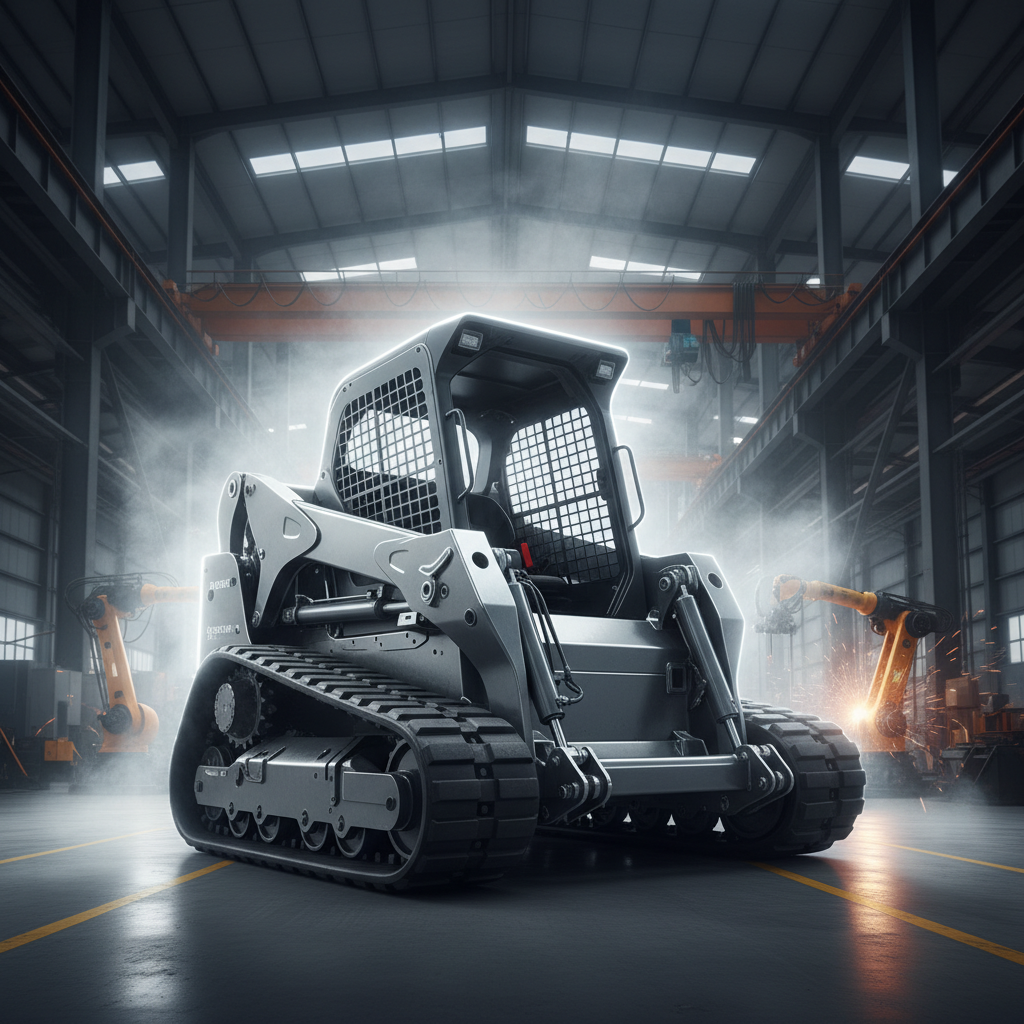
A skid steer undercarriage isn't a single piece; it’s a complex system comprised of several vital components working in unison. These include the tracks or tires, drive sprockets, idler wheels, support rollers, and track adjusters. The tracks themselves provide traction and distribute the machine's weight. Drive sprockets are responsible for transferring power from the engine to the tracks, propelling the skid steer forward. Idler wheels and support rollers guide the tracks and maintain consistent tension. Finally, track adjusters allow for tension adjustments to ensure proper track alignment and prevent slippage. Understanding the function of each part is key to effective maintenance and troubleshooting. A failing component can quickly compromise the entire system.
Key Takeaway: The skid steer undercarriage is a system, not just parts. Proper functionality relies on all components working together.
Track Types: Tires vs. Rubber Tracks
Skid steers come with two main types of undercarriage options: tires and rubber tracks. Each offers distinct advantages and disadvantages. Tire-equipped skid steers are generally less expensive upfront and provide good maneuverability on hard surfaces. However, they offer less traction on soft or uneven terrain and can damage sensitive surfaces like lawns. Rubber track skid steers, on the other hand, excel in challenging conditions, providing superior traction, flotation, and stability. They are ideal for applications involving mud, sand, or gravel. However, they typically have a higher initial cost and require more maintenance. Choosing the right track type depends heavily on the intended application.
Tires vs. Tracks: A Quick Comparison
• Tires: Lower cost, better on hard surfaces, potential for surface damage.
• Rubber Tracks: Superior traction, better on soft terrain, higher initial cost, more maintenance.
Understanding Skid Steer Undercarriage Wear
Like any mechanical system, a skid steer undercarriage is subject to wear and tear. The rate of wear depends on several factors, including operating conditions, terrain, and maintenance practices. Common wear patterns include track stretching, roller and sprocket wear, and guide link damage. Regularly inspecting your undercarriage for these signs of wear is crucial for preventing catastrophic failures and minimizing downtime. Proactive maintenance, such as cleaning tracks and lubricating components, can significantly extend the life of your undercarriage. Identifying wear early allows for targeted repairs, preventing further damage and saving money in the long run.
Maintenance Tips for a Long-Lasting Undercarriage
Regular maintenance is the key to maximizing the lifespan of your skid steer undercarriage. This includes daily inspections for damage, regular cleaning to remove debris, and proper lubrication of all moving parts. Keep tracks at the correct tension, and avoid operating the machine on excessively abrasive surfaces. It's also crucial to rotate tracks periodically to ensure even wear. At Crafts-Mfg.com, we offer a range of undercarriage components and maintenance tools to help you keep your machine running smoothly. Investing a little time in maintenance can save you significant money and downtime in the long run.
Choosing the Right Undercarriage Components
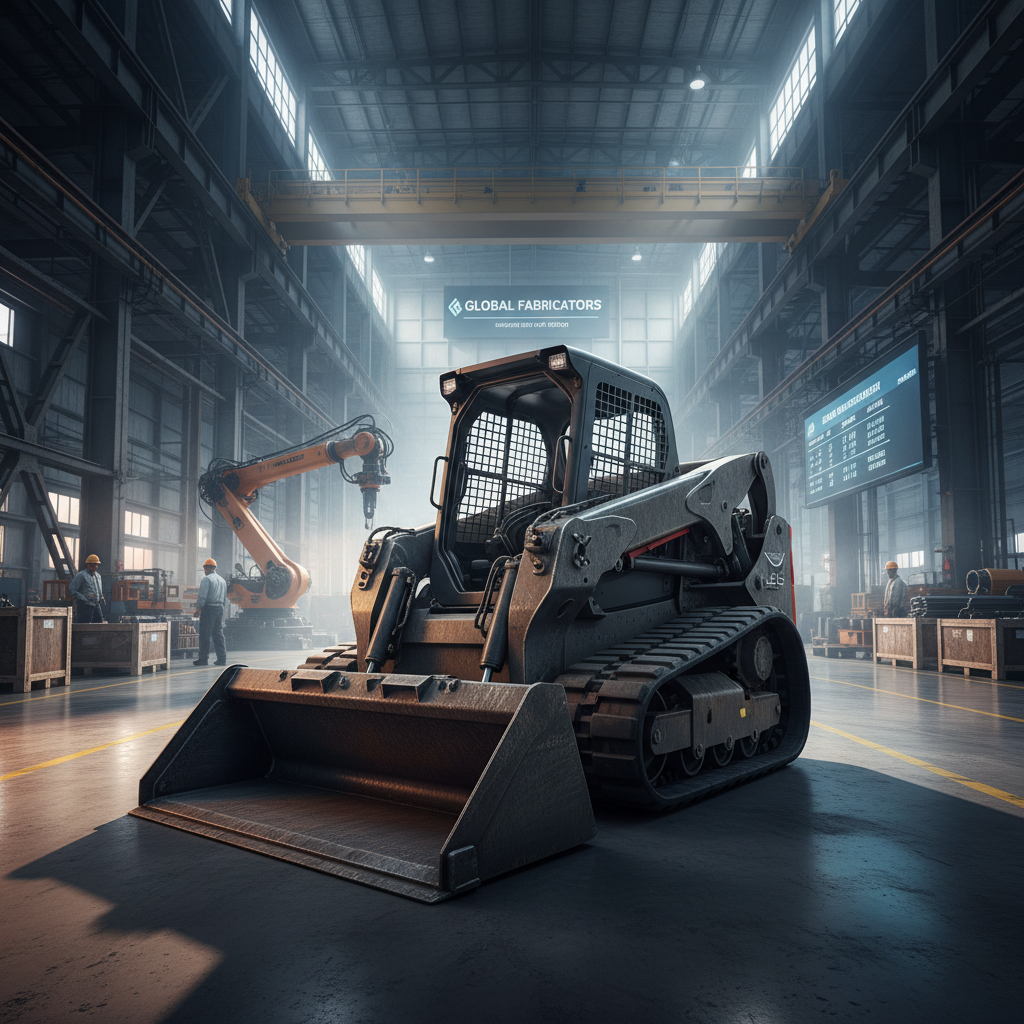
When it comes to replacing undercarriage components, quality is paramount. Opting for cheap, low-quality parts can lead to premature failure and increased downtime. At Crafts-Mfg.com, we source our components from reputable manufacturers and offer a wide selection to fit various skid steer models. Consider your operating conditions and the type of terrain you typically work on when selecting replacement parts. Don't hesitate to consult with our experienced team to get expert advice and ensure you choose the right components for your needs.
Conclusion: Protecting Your Investment
The skid steer undercarriage is a critical component that deserves attention and proactive maintenance. By understanding its parts, recognizing wear patterns, and implementing a regular maintenance schedule, you can maximize its lifespan and minimize costly downtime. Crafts-Mfg.com is your trusted partner for high-quality undercarriage components and expert advice. Protect your investment – keep your undercarriage in top condition!
Frequently Asked Questions (FAQs)
How often should I inspect my skid steer undercarriage?
Ideally, you should inspect your skid steer undercarriage daily before operation. This quick check can identify any obvious damage or loose components. A more thorough inspection should be conducted weekly, or after every 50 hours of operation. Look for track wear, sprocket damage, roller condition, and proper track tension. Regularly scheduled inspections can catch minor issues before they escalate into major repairs. Documenting your inspections helps track wear patterns and plan for preventative maintenance.
What is the proper track tension for my skid steer?
Proper track tension is crucial for optimal performance and undercarriage longevity. Too much tension can cause premature wear on the rollers and sprockets, while too little tension can lead to track slippage. Generally, you should aim for approximately 25-50mm (1-2 inches) of sag midway between the sprockets. Refer to your skid steer’s operator manual for specific tension recommendations. Regularly check and adjust track tension, especially after initial break-in and during periods of heavy use.
What are the benefits of rotating my skid steer tracks?
Rotating your skid steer tracks, or swapping their positions (left to right), helps ensure even wear. Tracks used on one side of the machine typically experience more wear than the other due to differences in terrain and operating conditions. By rotating the tracks, you distribute the wear more evenly, extending their lifespan and reducing the risk of premature failure. It’s a simple preventative measure that can save you money in the long run.
Where can I find quality skid steer undercarriage components?
At Crafts-Mfg.com, we offer a comprehensive selection of high-quality skid steer undercarriage components from trusted manufacturers. We carry tracks, sprockets, rollers, idlers, and more to fit a wide range of skid steer models. Our experienced team can help you find the right parts for your specific machine and application. We are committed to providing durable, reliable components that will keep your skid steer running smoothly.
Post time: Feb-06-2026