Understanding Tracks and Undercarriage Systems
In the world of heavy machinery, the tracks and undercarriage are critical components, impacting performance, durability, and operational costs. These systems are foundational to equipment like excavators, bulldozers, and cranes, allowing for movement across diverse terrains. This article will provide an in-depth look at these systems, covering their components, maintenance, and factors to consider when choosing replacements. A well-maintained undercarriage translates to minimized downtime and maximized productivity. Crafts-Mfg specializes in high-quality tracks and undercarriage parts for a wide range of applications.
Key Components of a Track and Undercarriage System
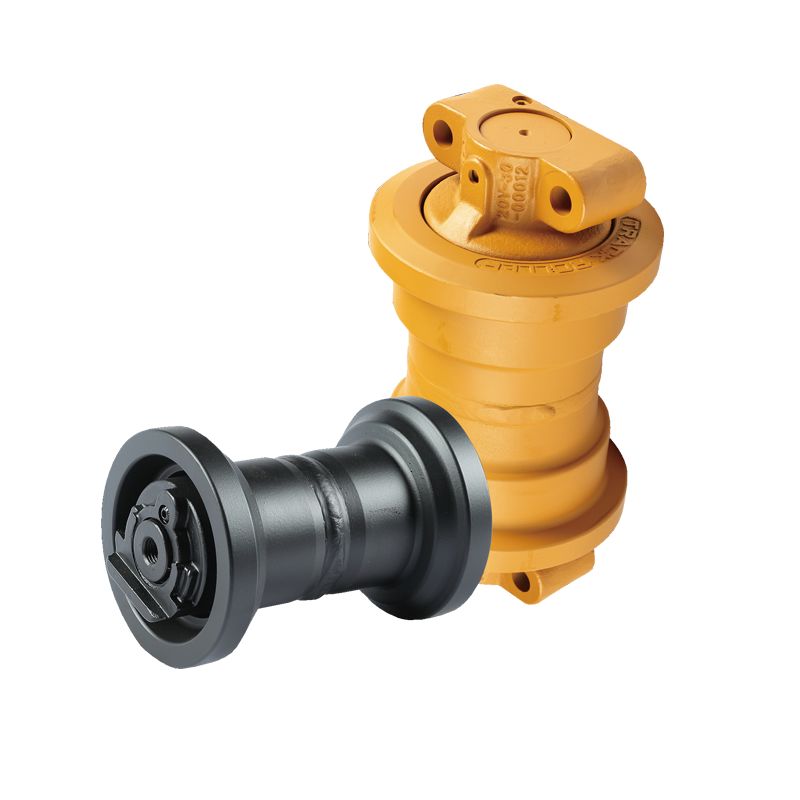
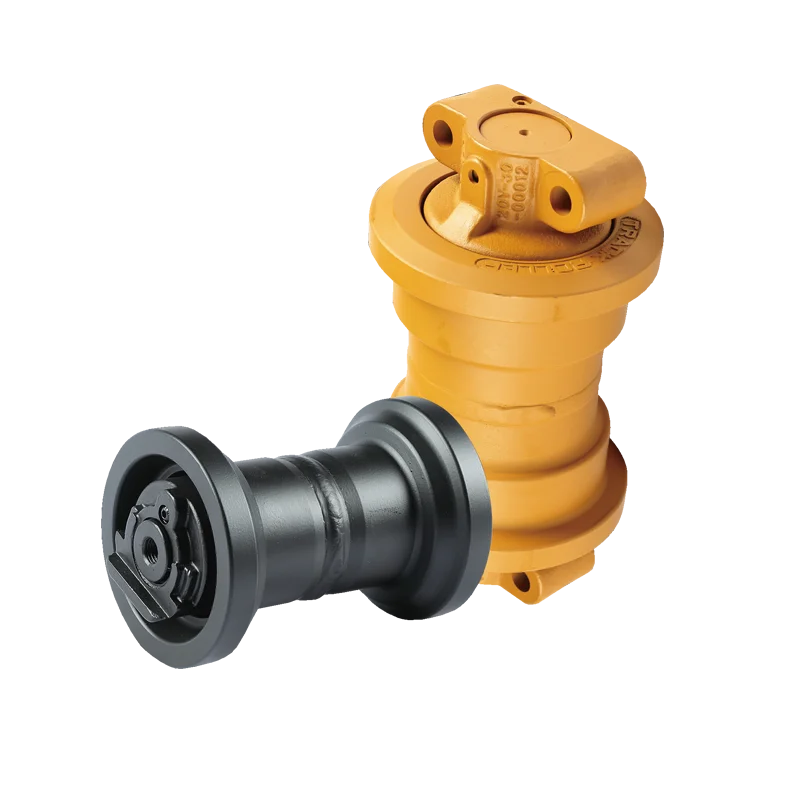
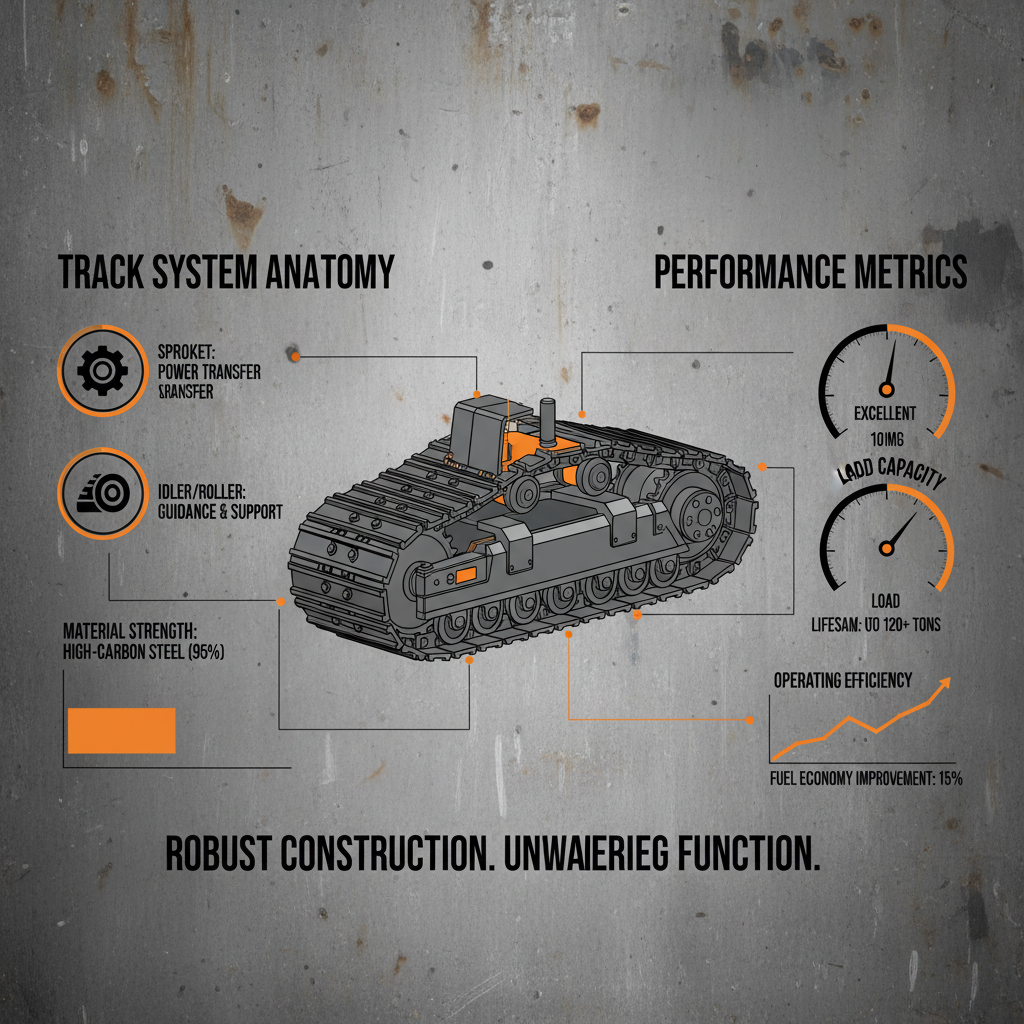
The undercarriage isn’t a single part, but a complex assembly. Key components include the tracks themselves (chains with shoes), rollers, idler wheels, sprockets, and the track frame. Rollers and idler wheels support the weight of the machine and facilitate smooth movement. The sprockets drive the tracks, transferring power from the engine. A failing component in any of these areas can quickly lead to significant issues. Regular inspection and replacement of worn parts are essential for optimal performance and preventing more costly repairs.
Key Takeaway: A complete undercarriage system requires consistent maintenance of all its components to maximize lifespan and minimize downtime.
Types of Tracks: Steel vs. Rubber
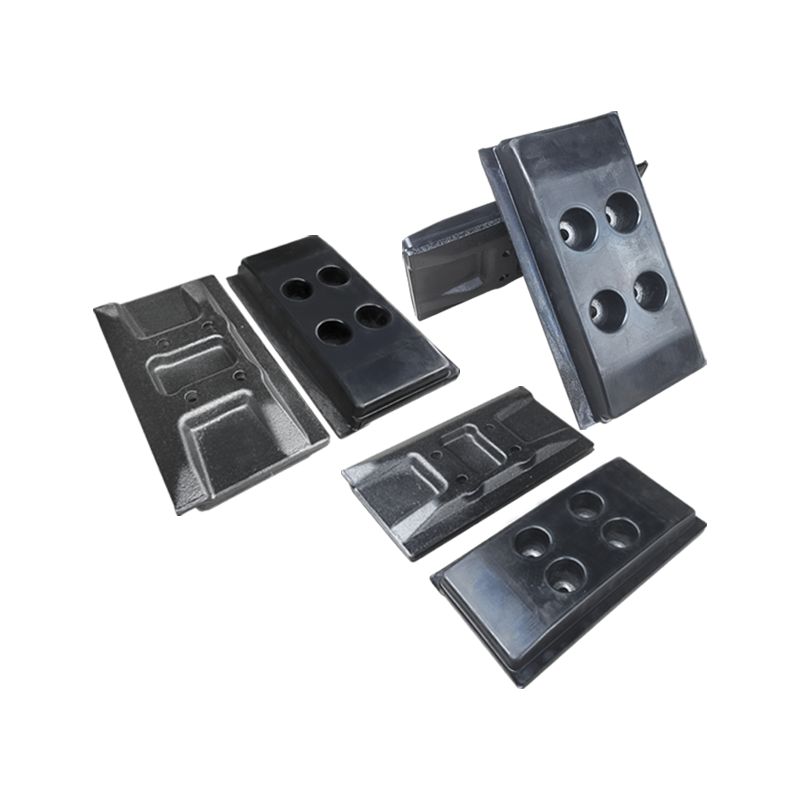
Tracks are a crucial part of the undercarriage. They are primarily categorized into two types: steel tracks and rubber tracks. Steel tracks are renowned for their durability and resistance to wear, making them suitable for demanding applications like mining and forestry. Rubber tracks, on the other hand, offer lower ground pressure and reduced noise, making them ideal for applications requiring minimal environmental impact, such as landscaping and road construction. Choosing the right track type depends heavily on the specific operating conditions and the nature of the work.
Track Type Comparison:
• Steel Tracks: High durability, excellent for rough terrain.
• Rubber Tracks: Lower ground pressure, reduced noise, suitable for sensitive environments.
Tracks and Undercarriage Maintenance Best Practices
Proactive maintenance significantly extends the life of your undercarriage. Regular checks should include inspecting track tension, looking for worn or damaged rollers and idlers, and verifying the condition of the sprockets. Proper lubrication is also crucial. Sealed and lubricated tracks require less frequent maintenance, but regular checks for seal integrity are still necessary. Consider regular track rotation to ensure even wear. Crafts-Mfg offers a range of undercarriage components and expert advice on maintenance procedures.
Factors Influencing Undercarriage Lifespan
Several factors influence how long your undercarriage will last. Operating conditions are paramount – abrasive materials, rocky terrain, and excessive impacts all accelerate wear. Operator technique also plays a role; minimizing sharp turns and avoiding unnecessary strain can significantly extend component life. The quality of the components themselves is, of course, crucial. Investing in high-quality parts from a reputable supplier like Crafts-Mfg is a wise long-term investment.
Choosing the Right Undercarriage Parts: A Guide
When it’s time to replace undercarriage components, choosing the right parts is vital. Consider the machine's make and model, the operating environment, and your budget. OEM (Original Equipment Manufacturer) parts offer guaranteed compatibility but are often the most expensive. Aftermarket parts can provide cost savings, but quality varies significantly. Crafts-Mfg provides both OEM and high-quality aftermarket options, ensuring you find the right fit for your needs.
Conclusion: Maximizing Undercarriage Performance
Investing in proper maintenance and selecting high-quality tracks and undercarriage components are essential for maximizing equipment uptime and minimizing operating costs. By understanding the system's components, adopting best practices, and choosing a reliable supplier like Crafts-Mfg, you can ensure optimal performance and longevity from your heavy machinery.
Frequently Asked Questions (FAQs)
How often should I replace my undercarriage components?
The replacement frequency depends on operating conditions, machine usage, and component type. Generally, rollers and idlers should be inspected and potentially replaced every 1,500-2,500 hours. Sprockets typically last 2-3 times longer. Tracks have a variable lifespan depending on usage, but signs of wear such as cracked or missing links necessitate replacement. Regularly monitoring wear patterns and following manufacturer recommendations are critical. Ignoring wear can lead to more significant damage and costly repairs. Crafts-Mfg can help you assess your undercarriage's condition and recommend appropriate replacements.
What are the signs of a failing undercarriage?
Several indicators suggest your undercarriage needs attention. These include excessive track slack, difficulty steering, unusual noises (squealing, grinding), visible cracks or damage to rollers or idlers, and uneven wear patterns on the tracks. A wobbling or unstable machine is also a strong indication of undercarriage issues. Addressing these symptoms promptly can prevent further damage and ensure safe operation.
How can I reduce undercarriage wear?
Several strategies can minimize undercarriage wear. Implement a regular maintenance schedule, including proper lubrication and track tension adjustment. Train operators to avoid sharp turns, excessive spinning, and operating on abrasive surfaces whenever possible. Consider using track shoe protectors in harsh environments. Finally, choosing high-quality components from a reputable supplier like Crafts-Mfg can significantly extend the life of your undercarriage.
What is track roller frame?
The track roller frame is a critical structural component of the undercarriage. It provides the foundation for supporting the rollers, idlers, and tracks, distributing the machine's weight evenly across the ground. A damaged or worn roller frame can lead to misalignment, uneven wear, and reduced machine stability. Regular inspection of the frame for cracks, bends, or other damage is essential.
Post time: Feb-25-2026