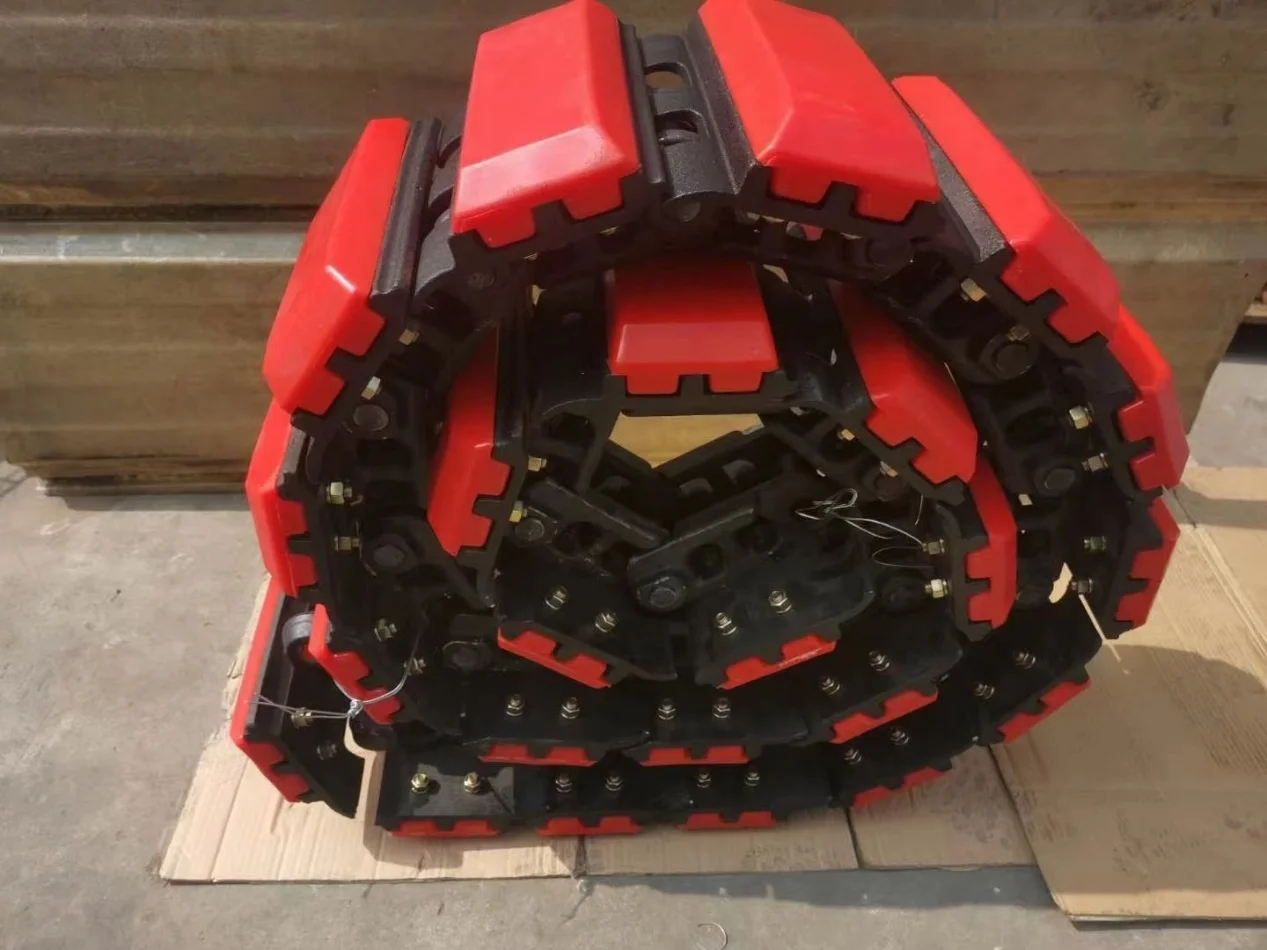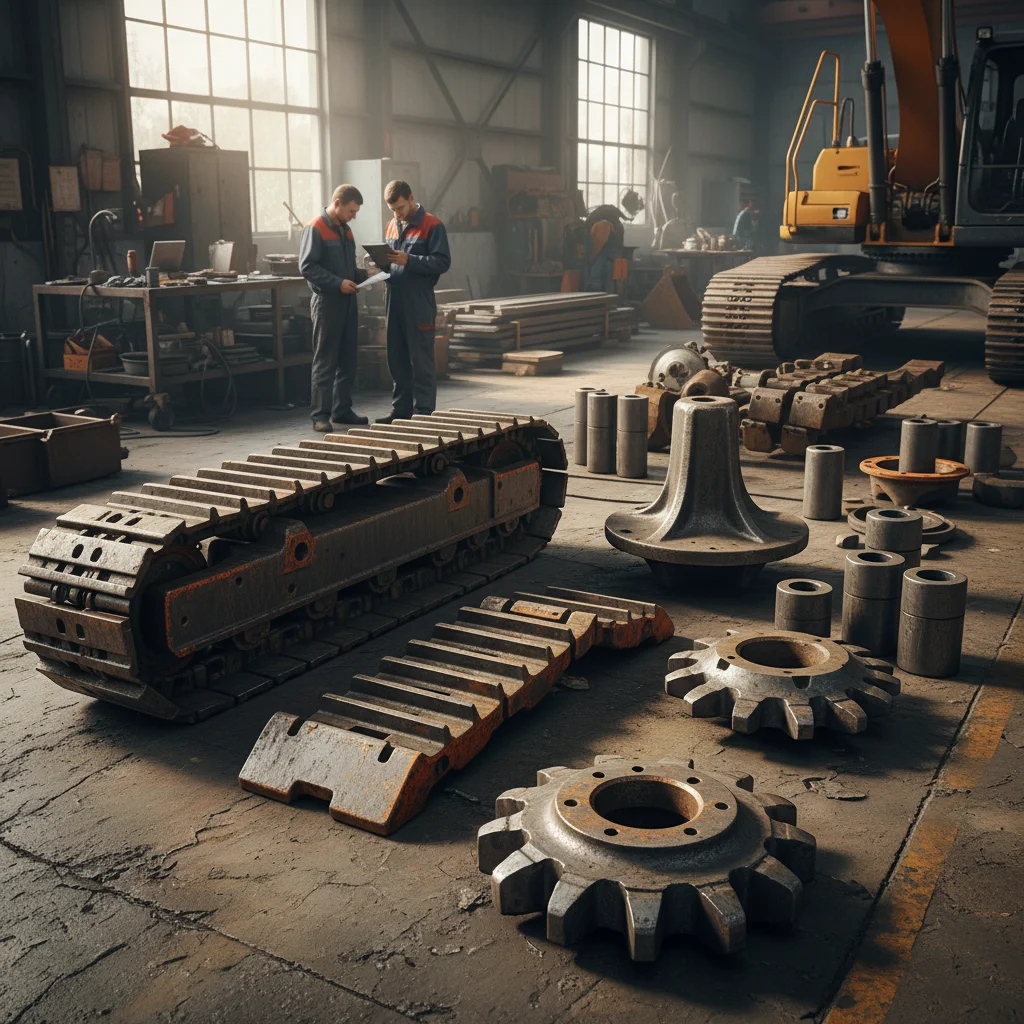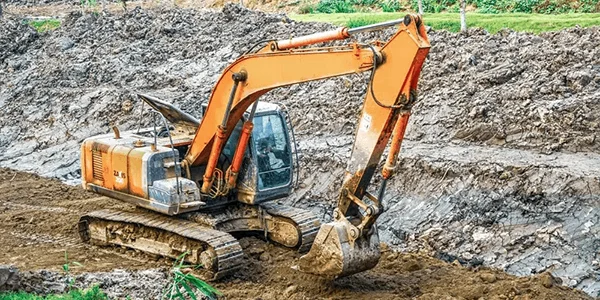
In the demanding world of heavy machinery, where every component’s integrity directly impacts operational efficiency and safety, the role of bottom rollers often goes understated. These unassuming yet critical components bear the monumental task of supporting the machine's entire weight, guiding the track chain, and ensuring smooth, consistent movement across varied terrains. From rugged construction sites to challenging mining operations and meticulous roadbuilding projects, the performance of an excavator, bulldozer, or paver is profoundly influenced by the quality and design of its bottom rollers. They are the linchpin connecting the track chain to the track frame, facilitating seamless power transfer from the engine to the ground. A high-quality set of bottom rollers translates directly into reduced friction, optimized fuel consumption, and significantly extended undercarriage life, ultimately safeguarding your investment and maximizing productivity. Understanding their intricate function and the advancements in their design is paramount for any operator or fleet manager aiming for unparalleled operational longevity and cost-effectiveness.
The sheer physical stress endured by bottom rollers is staggering. Each roller must withstand immense static loads while providing dynamic support, rotating thousands of times during a single workday. This constant interaction with the track links and often abrasive ground conditions necessitates materials of exceptional strength, superior wear resistance, and precision engineering. A failure in even one bottom roller can initiate a cascade of issues across the entire undercarriage system, leading to premature wear of other components, increased downtime, and exorbitant repair costs. Therefore, selecting the right bottom rollers is not merely a purchasing decision; it's a strategic investment in the foundational integrity and continuous operation of your heavy equipment fleet. This deep dive will explore the nuanced world of these vital components, shedding light on what distinguishes excellence in their design and manufacturing.
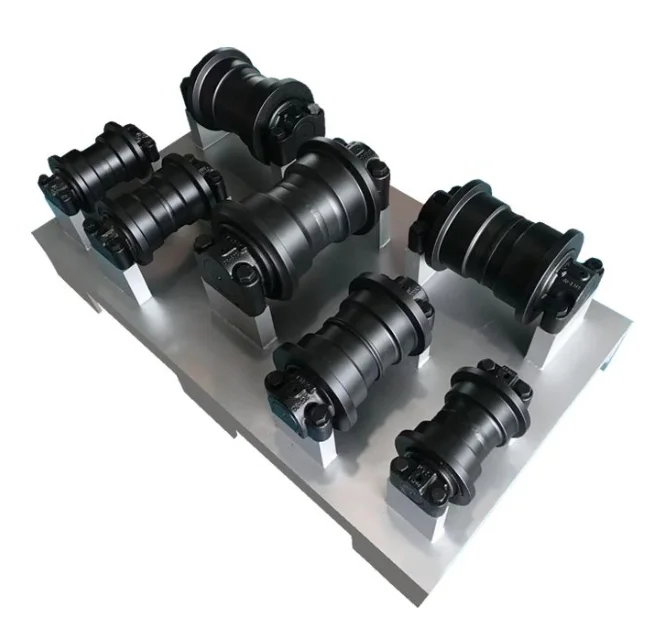
Unpacking the Engineering: Technical Advantages and Material Science
The engineering behind high-performance bottom rollers is a testament to precision and material science, driven by the need to conquer extreme operational environments. At their core, premium bottom rollers are typically crafted from high-grade forged alloy steel, a material chosen for its exceptional strength-to-weight ratio and inherent durability. Unlike cast alternatives, forging compresses the grain structure of the steel, eliminating internal voids and creating a product with superior fatigue resistance and impact strength. Following the forging process, an advanced heat treatment regimen is applied. This involves through-hardening the roller treads to a precise depth, achieving a Rockwell hardness (HRC) typically ranging from 56 to 62, while maintaining a tough, ductile core. This differential hardening ensures maximum wear resistance where it’s needed most—the contact surface with the track link—without compromising the overall structural integrity against shock loads.
Beyond the steel shell, the internal components are equally critical. Superior bottom rollers feature robust shaft designs, often made from induction-hardened alloy steel, providing optimal bending and torsional strength. The bearing system is a cornerstone of efficiency, with high-quality tapered roller bearings being the industry standard for their ability to handle both radial and axial loads with minimal friction. These bearings are meticulously sealed using advanced floating seal groups, which comprise two precisely lapped steel rings held together by rubber toric rings. This sophisticated sealing mechanism creates a virtually impenetrable barrier against abrasive contaminants like dust, mud, and water, while simultaneously retaining the vital lubricating oil. The choice of lubricant is also crucial; high-viscosity, multi-grade oils formulated for extreme pressure and temperature variations ensure consistent lubrication, further reducing friction and extending component lifespan. These combined technical advantages—superior material composition, advanced heat treatment, precision bearings, and robust sealing—culminate in a bottom roller designed not just for performance, but for enduring resilience in the face of relentless operational demands.
The Impact of Superior Bottom Rollers: Quantifiable Performance Gains
The decision to invest in superior quality bottom rollers translates into a cascade of quantifiable performance gains and significant cost savings over the operational lifetime of heavy machinery. The enhanced durability and reduced rolling resistance offered by high-engineered components directly improve machine efficiency. For instance, internal field studies by leading equipment manufacturers have indicated that machines outfitted with premium, meticulously lubricated bottom rollers can experience a reduction in fuel consumption by 5-8%. This seemingly modest percentage can lead to substantial savings over thousands of operating hours, particularly for large fleets. Consider a medium-sized excavator operating 2,000 hours annually; a 6% fuel saving could amount to thousands of dollars per machine per year.
Beyond fuel efficiency, the most impactful benefit is often seen in the extension of undercarriage component life and a dramatic reduction in unscheduled downtime. Data collected from various construction and mining projects reveal that high-quality bottom rollers can extend the overall lifespan of the track chain and sprockets by 15-20%. This is attributed to their superior load distribution, reduced play, and minimized friction, which collectively lessen wear on adjacent parts. Furthermore, the robust sealing and internal design of premium rollers dramatically decrease the likelihood of premature failures, which are a major cause of unscheduled maintenance. Anecdotal evidence suggests that operations transitioning to top-tier rollers have reported a reduction in unexpected undercarriage-related downtime by up to 30% annually. This translates directly into higher machine availability, consistent project timelines, and ultimately, greater profitability. The initial investment in quality is rapidly recouped through these tangible operational efficiencies and significantly lower total cost of ownership (TCO).
Navigating the Market: A Comparative Analysis of Manufacturers
The market for bottom rollers is diverse, encompassing Original Equipment Manufacturers (OEMs), reputable aftermarket suppliers, and budget-oriented options. Understanding the distinctions between these categories is vital for making an informed purchasing decision that balances initial cost with long-term value and performance. While OEM rollers are designed specifically for their brand of machinery, often setting the benchmark for quality and compatibility, many reputable aftermarket manufacturers have invested heavily in reverse engineering, R&D, and quality control to offer comparable or even superior products. Budget options, while attractive on price, often cut corners on material quality, manufacturing processes, and internal components, leading to significantly reduced lifespan and higher long-term costs.
Here’s a comparative analysis highlighting key differentiating factors:
Feature | Premium OEM Manufacturer | Reputable Aftermarket Supplier | Budget Aftermarket Supplier |
Material Quality (Shell/Tread) | High-grade forged alloy steel, multi-stage induction hardening to specific HRC. | Quality forged or advanced cast alloy steel, often through-hardened. | Basic cast steel, minimal or inconsistent heat treatment. |
Sealing System | Advanced dual-lip floating seals with synthetic lubricants for maximum contaminant exclusion. | Robust single or dual-lip seals, typically with high-quality standard lubricants. | Basic rubber seals or simpler mechanical seals, susceptible to leaks. |
Bearing Type | Heavy-duty tapered roller bearings designed for high radial and axial loads. | Reliable tapered roller or cylindrical roller bearings. | Bushings or basic ball bearings, less effective under heavy load. |
Warranty Period | Often 2-3 years or 4000-6000 operating hours. | Typically 1-2 years or 2000-4000 operating hours. | Limited, often 6 months to 1 year. |
Price Point | Highest | Mid-range to High-end, offering excellent value. | Lowest |
Typical Lifespan (Avg.) | 8000+ hours (under ideal conditions) | 4000-6000 hours | 1000-2000 hours |
Application Suitability | Extreme duty, high-demand, mission-critical operations. | General construction, moderate to heavy use. | Low-duty, short-term projects, light applications. |
Choosing the right manufacturer is a strategic decision that impacts not just initial cost but also long-term operational efficiency and total cost of ownership. While OEM parts offer guaranteed compatibility and often superior performance, reputable aftermarket suppliers present a compelling alternative, delivering high-quality components at a more competitive price point. The key is to avoid compromising on critical features like material quality and sealing, as these are directly correlated to roller longevity and machine uptime.
Tailored Solutions: Customization and Application-Specific Configurations
The "one-size-fits-all" approach rarely holds true in the demanding and varied applications of heavy machinery. Recognizing this, leading manufacturers offer an array of customization options and application-specific configurations for bottom rollers, ensuring optimal performance regardless of the machine type or operating environment. This tailored approach allows operators to fine-tune their undercarriage components for maximum efficiency and extended service life.
One primary area of customization involves the roller tread profile. For machines operating in highly abrasive conditions, such as rock quarries or mining sites, specially hardened or even tungsten carbide-coated treads can be employed to resist premature wear. Conversely, for softer ground or asphalt paving applications, rollers with smoother, wider treads might be preferred to minimize ground disturbance and provide better flotation. Flange configurations also vary; single-flange rollers are common for lighter machines or specific guidance needs, while double-flange rollers offer enhanced track guiding stability, particularly important for bulldozers or larger excavators working on slopes or uneven terrain.
Environmental factors play a significant role in customization. In corrosive environments, such as those near saltwater or exposed to certain chemicals, bottom rollers can be treated with specialized corrosion-resistant coatings or manufactured from specific grades of stainless steel, significantly extending their life beyond standard components. For extreme temperature variations, lubricants with wider operational ranges are selected, and seals are chosen for their resilience in either sub-zero or intensely hot conditions. Furthermore, heavy-duty versions of standard rollers are available for machines consistently subjected to maximum loads, featuring reinforced shafts, larger bearing capacities, and thicker shells to withstand greater stresses. This level of customization ensures that each machine is equipped with bottom rollers precisely matched to its specific operational profile, optimizing performance and delivering a superior return on investment.
Real-World Resilience: Application Case Studies and Success Stories
The true measure of a bottom roller’s quality lies in its performance under real-world conditions, where machinery faces relentless stress and unpredictable environments. Numerous case studies underscore how the right choice of bottom rollers can dramatically impact project timelines, operational costs, and overall machine reliability.
Consider a large-scale infrastructure project involving the construction of a new highway through a mountainous region. A fleet of heavy excavators and bulldozers was initially fitted with standard aftermarket bottom rollers. Within six months, the project managers observed an alarmingly high rate of roller failures, primarily due to seal breaches leading to lubrication loss and subsequent bearing seizure. This resulted in an estimated 25% increase in unscheduled downtime, significantly delaying the project and inflating operational costs. Following a comprehensive undercarriage assessment, the fleet was retrofitted with premium-grade bottom rollers featuring advanced dual-lip floating seals and through-hardened treads. Over the subsequent 12 months, the rate of roller failure plummeted by over 80%. The enhanced durability and reliability of the new rollers enabled the machines to operate continuously for longer periods, ultimately helping the project recover lost time and meet its revised deadlines within budget. The initial higher investment in premium rollers was dwarfed by the savings in maintenance, repairs, and avoided project penalties.
Another compelling example comes from a large open-pit mining operation, where track-type tractors operate 24/7 in highly abrasive soil laden with sharp rock fragments. Historically, their bottom rollers experienced accelerated tread wear, necessitating frequent replacements—sometimes as often as every 1,500 hours. A pilot program was initiated where a subset of machines was equipped with custom-designed bottom rollers featuring specialized, extra-hardened treads and reinforced shafts capable of withstanding extreme impact. Data collected over an 18-month period showed that these specialized rollers achieved an average lifespan of over 4,000 hours—more than double the life of the previous rollers. This extension translated into fewer maintenance cycles, reduced labor costs for undercarriage overhauls, and a significant boost in machine availability, directly contributing to increased ore extraction volumes and improved profitability for the mining company. These cases vividly illustrate that choosing application-specific, high-quality bottom rollers is not just a best practice, but a critical driver of success in heavy equipment operations.
Investing in Durability: Maximizing Uptime with Premium Bottom Rollers
The operational landscape for heavy machinery is unforgiving, placing immense demands on every component. Within this environment, the bottom rollers stand out as foundational elements whose quality directly dictates the longevity, efficiency, and ultimately, the profitability of your equipment. As we have explored, the tangible benefits of investing in premium bottom rollers—from superior material science and advanced sealing to customizable configurations—far outweigh the initial cost savings offered by subpar alternatives. These benefits manifest as reduced fuel consumption, significantly extended undercarriage life, and a dramatic decrease in unscheduled downtime, all contributing to a lower total cost of ownership and higher machine utilization rates.
Choosing high-quality bottom rollers is a strategic decision that fortifies your fleet against the rigors of heavy-duty work. It minimizes the ripple effect of component failures, safeguards adjacent undercarriage parts from premature wear, and ensures your machinery remains productive and reliable day in and day out. In a competitive industry where every hour of uptime counts, prioritizing durable, high-performance bottom rollers is not merely about maintenance; it's about investing in the foundational integrity of your operations, securing a consistent return on investment, and paving the way for sustained success in even the most challenging projects. Make the smart choice for longevity and peak performance.
Frequently Asked Questions (FAQs)
1. What are bottom rollers and what is their primary function?
Bottom rollers, also known as track rollers or lower rollers, are critical undercarriage components in track-type heavy machinery (like excavators and bulldozers). Their primary function is to support the weight of the machine, guide the track chain, and facilitate smooth movement by rolling along the track links, ensuring even distribution of load and minimizing friction.
2. How often should bottom rollers be inspected or replaced?
Inspection frequency varies based on operating conditions and machine usage, but generally, rollers should be visually inspected daily for signs of obvious damage or leaks. More detailed inspections, including measuring wear, should be performed during routine service intervals (e.g., every 250-500 hours). Replacement is typically based on wear limits, determined by measuring tread diameter and flange height, or if severe damage (e.g., seized bearings, extensive cracking) occurs. Lifespan can range from 1,000 to over 8,000 hours depending on quality and application.
3. What are the common signs of worn or failing bottom rollers?
Key indicators of worn or failing bottom rollers include excessive noise (grinding, squealing), visible oil leaks from the roller seals, flat spots or severe gouging on the roller tread, noticeable play or looseness when manually trying to move the roller, and increased vibration in the undercarriage. Uneven wear across rollers can also signal a problem.
4. Can bottom rollers be repaired, or must they always be replaced?
In most cases, severely worn or damaged bottom rollers are replaced rather than repaired. While some minor issues like seal replacement might be technically feasible for certain types, the cost and labor involved often make full replacement a more economical and reliable option, especially given the precision required for internal components and heat treatment. Repairing a roller with a worn tread or damaged shaft is generally not recommended due to compromised structural integrity.
5. What is the difference between OEM and aftermarket bottom rollers?
OEM (Original Equipment Manufacturer) bottom rollers are produced by the original machine manufacturer and are designed to exact specifications for their equipment, often guaranteeing optimal fit and performance. Aftermarket bottom rollers are produced by independent manufacturers. Reputable aftermarket suppliers offer high-quality alternatives that meet or exceed OEM specifications at a competitive price, while budget aftermarket options may compromise on material quality and durability, leading to shorter lifespans.
6. How do operating conditions affect bottom roller lifespan?
Operating conditions significantly impact bottom roller lifespan. Highly abrasive environments (sand, gravel, rock) accelerate tread wear. Wet or muddy conditions can introduce contaminants that compromise seals, leading to lubrication loss and bearing failure. Steep slopes or constant turning puts increased lateral stress on roller flanges. Extremely hot or cold temperatures can affect lubricant viscosity and seal integrity. Proper selection of rollers designed for specific conditions (e.g., heavy-duty, sealed for life) is crucial.
7. What maintenance practices can help extend the life of bottom rollers?
Regular maintenance is key. This includes maintaining proper track tension, as overly tight tracks increase load and friction on rollers. Keeping the undercarriage clean, especially removing packed mud or debris, prevents premature wear on treads and seals. Timely inspection for leaks and wear, and replacing damaged rollers promptly, prevents cascading damage to other undercarriage components. Choosing high-quality lubricants and ensuring proper lubrication (for rollers that are not sealed-for-life) also contributes significantly to extending lifespan.
Post time: Nov-19-2025