Understanding the Dozer Idler Wheel: Essential Component Driving Modern Earthmoving
If you’ve ever watched a bulldozer shift massive amounts of earth with steady precision, you might not have thought much about the dozer idler wheel. Yet, these humble components quietly bear the brunt of force and motion, ensuring machinery moves smoothly. In a global construction industry worth trillions and underpinning vital infrastructure projects, understanding what makes the dozer idler wheel tick is surprisingly important. From lowering equipment wear to supporting post-disaster relief, their impact resonates beyond the job site.
Introduction: The Global Role of Dozer Idler Wheels
Worldwide, over 12 million construction machines are in operation, many relying heavily on track systems that include idler wheels to function properly (source: World Bank). These wheels guide and tension the track, making dozers vital in mining, infrastructure, and even humanitarian projects. Interestingly, one persistent challenge is managing wear and breakdowns in harsh, remote conditions—problems that directly affect project costs and timelines.
Defining the Dozer Idler Wheel
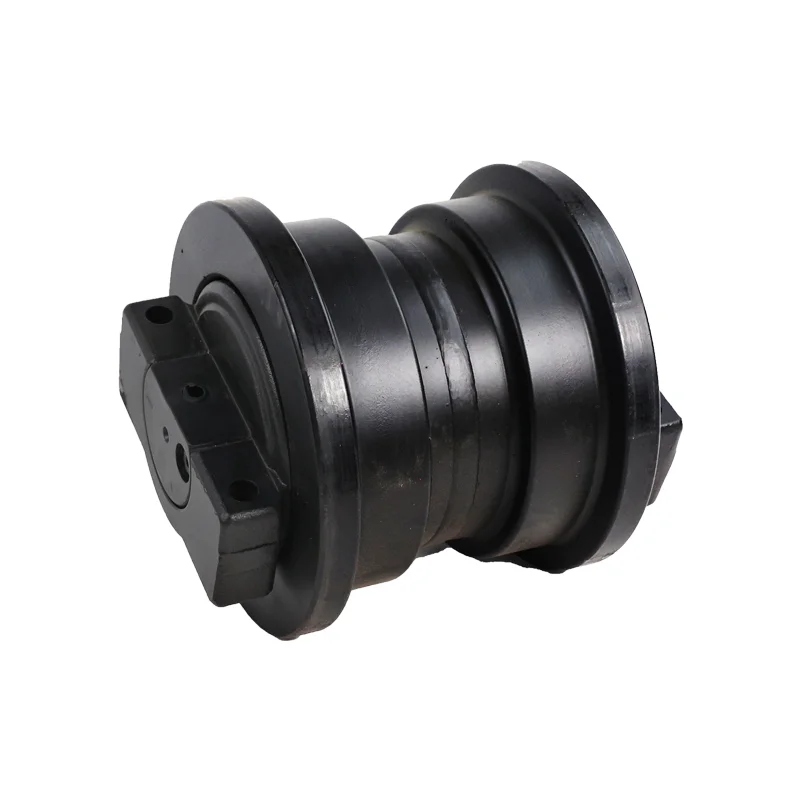
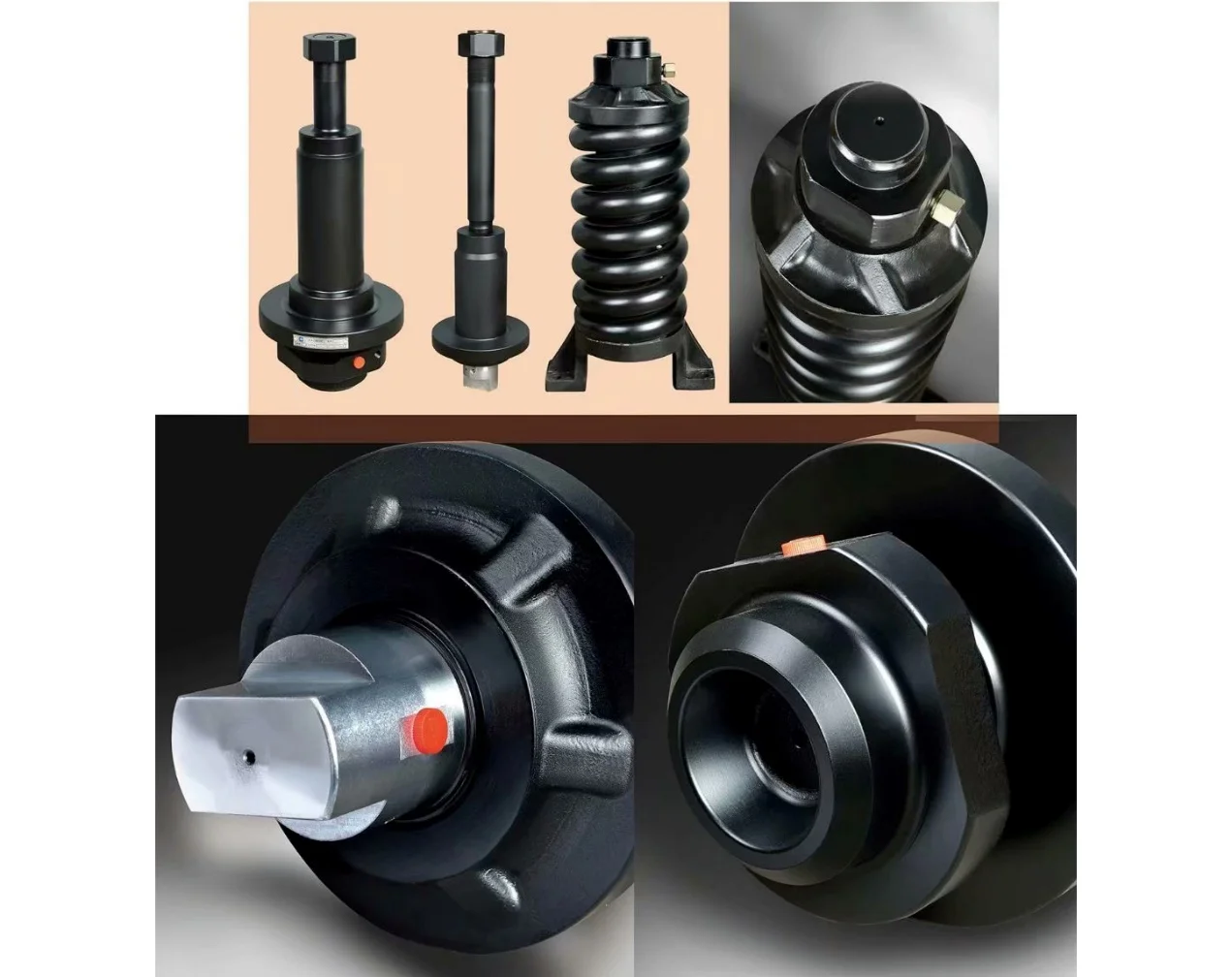
Simply put, the dozer idler wheel is a large, robust wheel at the end of a bulldozer’s undercarriage track. It acts as a guide, maintaining proper tension so the heavy rubber or steel track rolls correctly and doesn’t slip off. Without this component, the whole track system can wobble, leading to costly stops and repairs. It's a key element in heavy equipment across industries, ensuring operational continuity whether clearing land or responding to emergencies.
Key Factors in Dozer Idler Wheel Design and Performance
Durability and Material Quality
Dozer idler wheels are typically made from high-grade steel alloys, often treated to resist extreme abrasion and corrosion. The longevity of the wheel directly reduces downtime and maintenance expenses. Industries riding on rugged terrain — think mining in remote Australia or logging in Canada — prioritize wheels that won’t degrade under pressure.
Precision Engineering and Fit
An idler wheel must be perfectly sized and balanced to the dozer model. Precision in manufacturing helps prevent undue stress on the wheels and lessens vibrations, leading to smoother operation and enhanced machine longevity.
Seal and Bearing Technology
Good bearings and seals keep dirt and debris out while allowing the wheel to spin freely. Innovative labyrinth seals, for instance, can withstand tough environmental conditions. This prevents failures that could lead to expensive replacements.
Maintenance Accessibility
Some modern designs favor ease of service, with replaceable bushings or modular construction, letting technicians swap parts swiftly—critical on high-demand worksites.
Product Specification Snapshot
| Feature | Typical Range | Notes |
|---|---|---|
| Outer Diameter | 400mm – 850mm | Varies by machine size |
| Material | Heat-treated alloy steel | Ensures wear resistance |
| Weight | 20 – 150 kg | Depends on size & design |
| Bearing Type | Sealed ball or roller bearings | Protects from contaminants |
Global Applications & Use Cases
The dozer idler wheel sees action globally, from desert mines in Chile to forest harvesters in Scandinavia. Large-scale infrastructure initiatives, such as the Belt and Road projects, rely heavily on durable tracked machinery. Oddly enough, they’re just as crucial in disaster zones: after an earthquake in Nepal, tracked bulldozers with reliable idler wheels cleared debris quickly, enabling rescue teams to get access.
- Mining operations in remote sites
- Military and defense engineering
- Natural disaster recovery efforts
- Heavy agriculture and forestry sectors
Mini takeaway: The idler wheel is the unsung hero enabling machines to operate in the toughest conditions — literally supporting people rebuilding communities.
Advantages & Long-Term Value
Investing in quality dozer idler wheels means fewer breakdowns, less downtime, and substantial cost savings. The wheels’ durability links directly to sustainability by extending machinery lifespan and reducing waste from frequent replacements. Beyond economics, there’s a social dimension: safer, more reliable machines protect workers on-site and enable faster, more efficient project delivery.
Vendor Comparison Highlight
| Vendor | Material Quality | Warranty (months) | Lead Time | Customization Available |
|---|---|---|---|---|
| Crafts Manufacturing | Heat-Treated Alloy Steel | 24 | 4-6 weeks | Yes |
| Global Track Parts | Standard Steel | 12 | 6-8 weeks | Limited |
| HeavyEquip Co. | Reinforced Steel Alloy | 18 | 5 weeks | Yes |
Future Trends & Innovations in Idler Wheel Technology
Looking ahead, manufacturers are experimenting with composite materials to reduce weight without sacrificing strength—better fuel efficiency, less wear on the machine. Smart sensors integrated into the wheel assembly are also emerging, able to provide real-time data on pressure, temperature, and wear — boosting predictive maintenance capabilities.
Environmentally, there’s a push for greener manufacturing processes and recyclable components. As machinery begins embracing electric and hybrid engines, idler designs may also evolve to handle different torque and operational demands.
Challenges & Expert Solutions
Of course, no piece of equipment is perfect. One common challenge is premature bearing failure in muddy or dusty environments. Experts suggest combining advanced sealing technology with regular condition monitoring to mitigate risks. Training maintenance crews on correct tension adjustment can extend idler wheel life significantly—something that surprisingly still trips up many operations.
FAQ: Frequently Asked Questions About Dozer Idler Wheels
1. How do I know if my dozer idler wheel needs replacement?
Signs include unusual noises, visible wear, track slippage, or vibration. Regular inspections during scheduled maintenance will catch early issues. If the wheel shows deep grooves or bearing failure, replacement is advised to prevent downtime.
2. Can a worn idler wheel cause damage to other undercarriage parts?
Absolutely. A malfunctioning idler wheel increases track tension irregularities, accelerating wear on rollers, sprockets, and the track itself. Timely replacement saves money by protecting related components.
3. Are there different idler wheels for rubber-tracked vs. steel-tracked dozers?
Yes. Idler wheels for rubber-tracked machines often have rubber coatings or specialized tires to match the track type, while steel-tracked wheels are bare steel designed for greater durability.
4. How do environmental factors affect idler wheel performance?
Harsh environments, like extreme cold or sand, can degrade seals and bearings faster. Selecting wheels with stronger seals and adopting proactive maintenance schedules helps manage these conditions.
5. Where can I find customized dozer idler wheels for specialized machinery?
Trusted manufacturers like Crafts Manufacturing offer customization options. They work closely with clients to adjust sizes, materials, and bearing types to suit specific operational needs.
Conclusion & Call to Action
The dozer idler wheel might seem like a small cog in the vast machinery ecosystem, but its role is undeniably central. Quality wheels save time, reduce costs, and enable machines to perform safely across uneven terrains worldwide. For those looking to invest wisely, understanding these nuances is crucial. For more detailed specs or custom solutions, I encourage you to visit our website — engineering excellence is just a click away.
Mini takeaway: When machines move the earth, the right idler wheels move the mission forward — reliably, efficiently, and sustainably.
References:
1. World Bank Infrastructure Data
2. Wikipedia - Track Rollers and Idlers
3. ISO 6165:2024 - Earth-moving machinery — Basic types — Terminology
Post time: Dec-05-2025