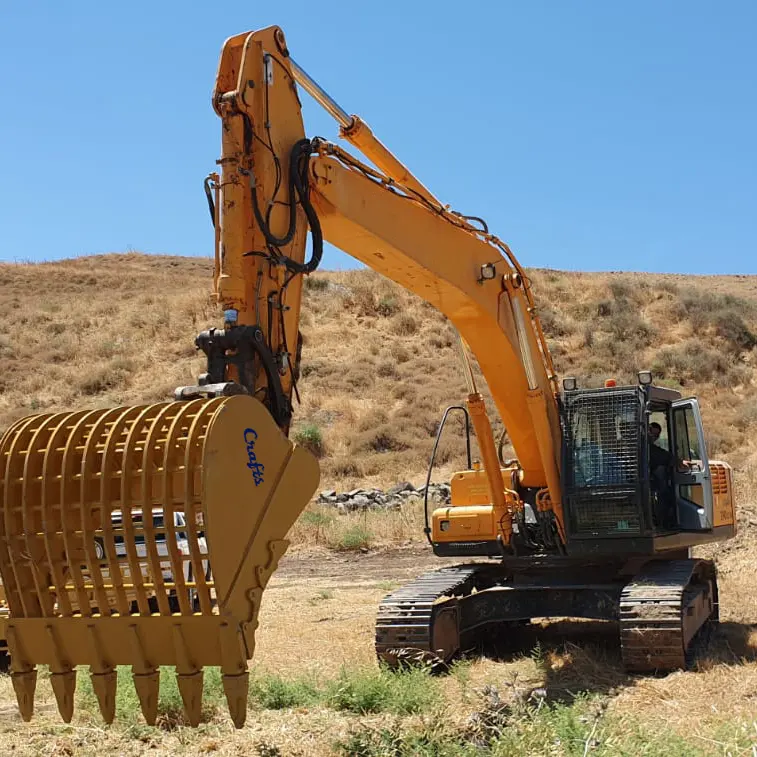
Heavy Equipment Undercarriage Parts: A Comprehensive Guide
The undercarriage is the foundation of any heavy equipment machine, responsible for supporting the entire load and providing traction. Maintaining its integrity is critical for operational efficiency and safety. This article dives deep into heavy equipment undercarriage parts, covering essential components, common issues, and how to maximize their lifespan. Understanding these parts, from track rollers to seals, is crucial for minimizing downtime and ensuring cost-effective operations. Crafts-Mfg specializes in high-quality undercarriage components designed for durability and performance.
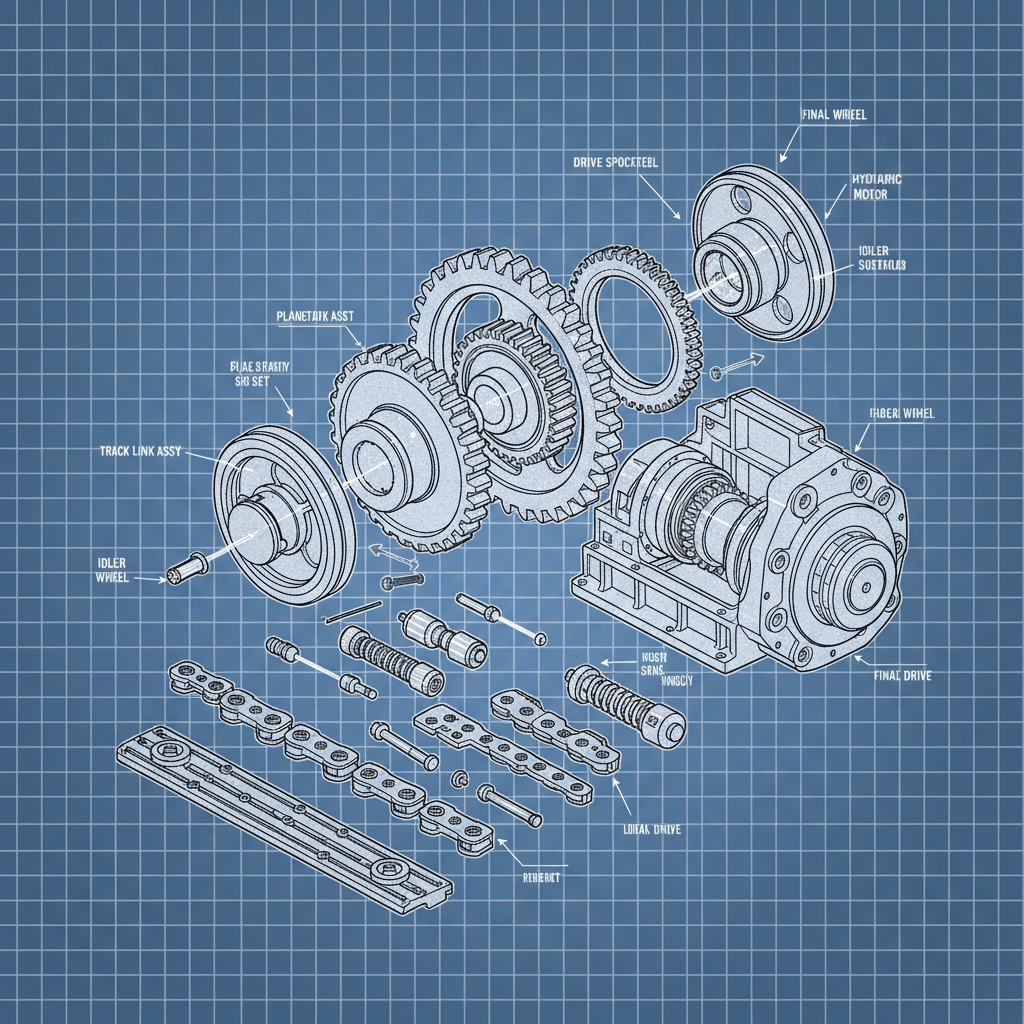
Key Components of Heavy Equipment Undercarriage
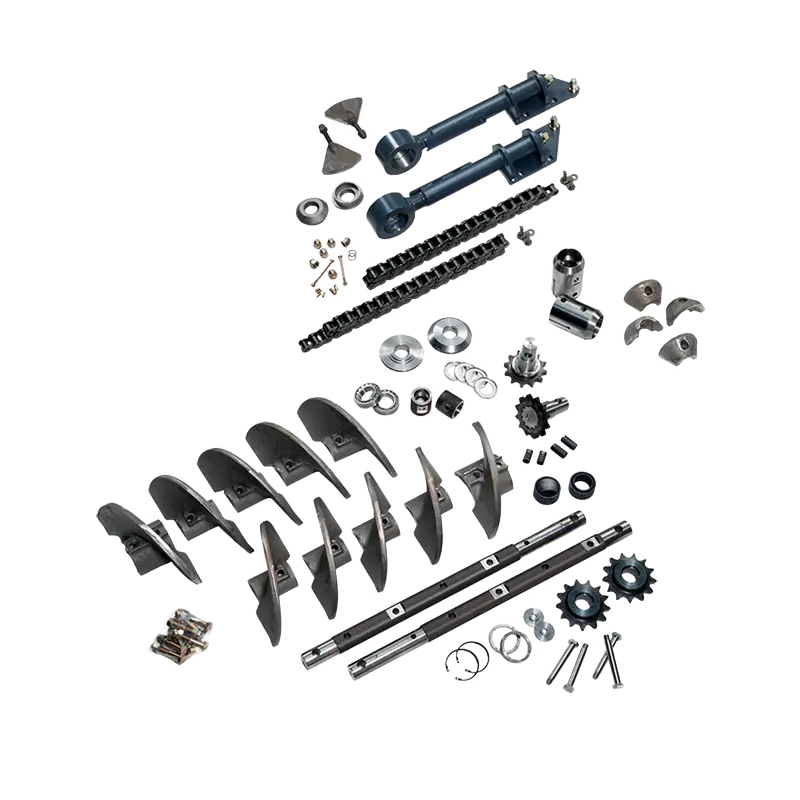
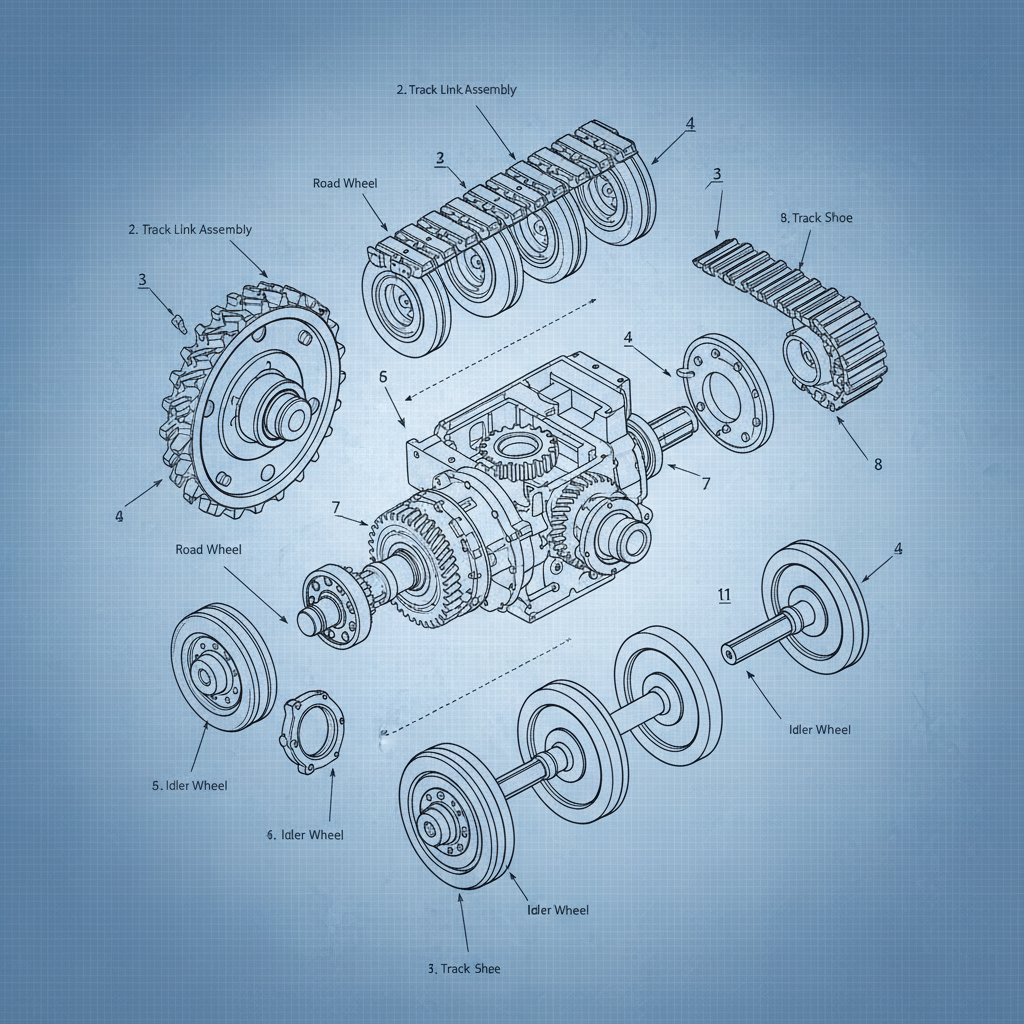
The undercarriage comprises several vital parts working in unison. These include track rollers, idlers, sprockets, track links, carrier rollers, and seals. Each component plays a specific role in distributing weight, maintaining tension, and providing a smooth ride. Track rollers support the weight of the machine and allow it to move along the tracks. Idlers guide the tracks around the sprockets and maintain tension. The sprocket is the driving force, engaging with the track links to propel the machine forward. Properly functioning seals are crucial for preventing contaminants from entering and damaging internal components.
Key Highlights: Regular inspection and timely replacement of undercarriage components are essential for preventing costly repairs and maximizing equipment uptime. Investing in high-quality parts from reputable suppliers like Crafts-Mfg ensures long-term reliability.
Understanding Common Undercarriage Issues
Undercarriage parts are subjected to harsh conditions and are prone to wear and tear. Common problems include track roller wear, track link stretching, seal failures, and sprocket tooth damage. These issues can lead to decreased performance, increased fuel consumption, and potential machine failure. Identifying these problems early through regular inspections is key. Factors like abrasive ground conditions, improper lubrication, and overloading can accelerate wear. Preventative maintenance, including proper cleaning, lubrication, and component replacement, can significantly extend the lifespan of the undercarriage.
Preventative Maintenance Benefits:
• Reduced Downtime
• Extended Component Lifespan
• Lower Repair Costs
• Improved Machine Performance
Heavy Equipment Undercarriage Parts: A Comparison
Selecting the right undercarriage parts is crucial for optimal performance and longevity. Different manufacturers offer varying levels of quality and durability. Using inferior parts can lead to premature failure and increased maintenance costs. Crafts-Mfg focuses on providing high-quality, durable parts designed to withstand the most demanding applications. Here’s a comparison of standard versus premium undercarriage components:
Maximizing Undercarriage Lifespan: Best Practices
Several practices can significantly extend the life of your heavy equipment undercarriage. Regularly inspect tracks for proper tension, checking for excessive wear or damage. Maintain proper lubrication according to manufacturer’s recommendations. Operate the machine in a manner that minimizes stress on the undercarriage, avoiding sharp turns and excessive speeds on uneven terrain. Implement a track rotation schedule to ensure even wear across all components. And finally, proactively replace worn parts before they cause further damage.
Choosing the Right Supplier for Heavy Equipment Undercarriage Parts
Selecting a reliable supplier is paramount. Look for a supplier with a proven track record, offering high-quality parts, competitive pricing, and excellent customer support. Crafts-Mfg is a trusted partner for heavy equipment owners and operators, providing a comprehensive range of undercarriage parts and expert advice. We are committed to delivering superior products and exceptional service.
Conclusion: Investing in Quality Undercarriage Parts
Investing in high-quality heavy equipment undercarriage parts is a crucial step towards maximizing machine uptime, reducing maintenance costs, and ensuring operational efficiency. By understanding the key components, common issues, and best practices, you can proactively manage your undercarriage and protect your investment. Choose Crafts-Mfg for reliable, durable, and cost-effective undercarriage solutions.
Frequently Asked Questions (FAQs)
How often should I inspect my heavy equipment undercarriage?
Regular inspections are vital. A visual inspection should be performed daily before operation, looking for obvious signs of damage or wear. A more thorough inspection, including checking track tension, roller condition, and seal integrity, should be conducted at least every 50-100 hours of operation, or as recommended by the equipment manufacturer. Keeping a detailed inspection log helps track wear patterns and identify potential issues before they become major problems. Early detection and proactive maintenance are key to preventing costly downtime.
What are the signs of a worn track roller?
Several indicators suggest a track roller may need replacement. These include excessive play or wobble, flattened or worn flanges (the outer edges of the roller), and visible damage to the roller body. You might also notice unusual noises, such as squealing or grinding, during operation. Uneven wear on the tracks can also be a sign of worn track rollers. Ignoring these signs can lead to accelerated track wear and potential undercarriage failure.
How important are undercarriage seals?
Undercarriage seals are critically important for preventing contaminants such as dirt, dust, and water from entering the internal components of the undercarriage. Once contaminants enter, they can cause accelerated wear and damage to bearings, bushings, and other sensitive parts. Damaged seals also allow lubricant to escape, leading to insufficient lubrication and increased friction. Regularly inspecting and replacing seals as needed is a cost-effective way to protect your undercarriage investment. Crafts-Mfg offers high-performance seals designed for long-lasting protection.
What is track roller frame travel?
Track roller frame travel refers to the distance the track rollers move as the undercarriage travels. Monitoring this travel helps assess wear patterns and identify potential issues with the undercarriage components. Uneven travel indicates that certain rollers or components are wearing faster than others. Measuring track roller frame travel is an important part of a comprehensive undercarriage inspection program and helps proactive maintenance scheduling.
Post time: Feb-02-2026