Skid steers are undeniably among the most versatile and indispensable pieces of equipment on countless job sites, from sprawling construction projects and agricultural operations to intricate landscaping ventures and demanding demolition tasks. At the heart of a skid steer's adaptability lies its primary attachment: the bucket. Far from being a mere scoop, the right bucket transforms a skid steer into a specialized tool, capable of executing a vast array of tasks with precision and efficiency. Choosing the optimal bucket for your specific needs is not just about moving material; it's about maximizing productivity, extending machine life, reducing operational costs, and ensuring worker safety. A poorly chosen bucket can lead to diminished performance, increased fuel consumption, premature wear on the skid steer's hydraulics and frame, and ultimately, project delays and financial losses. Conversely, a carefully selected and expertly matched bucket can unlock unprecedented levels of efficiency, turning challenging tasks into streamlined processes. This comprehensive guide will delve into the critical aspects of selecting, understanding, and optimizing your investment in buckets for skid steers. We will explore the technical nuances that differentiate various bucket types, scrutinize leading manufacturers, examine the transformative power of customization, and illustrate real-world applications through compelling case studies, all to empower you to make informed decisions that drive unparalleled operational success. Understanding the intricate relationship between your skid steer, its bucket, and the tasks at hand is paramount to unlocking the full potential of your machinery and achieving superior results in any challenging environment.
Understanding the Technical Superiority of Modern Skid Steer Buckets
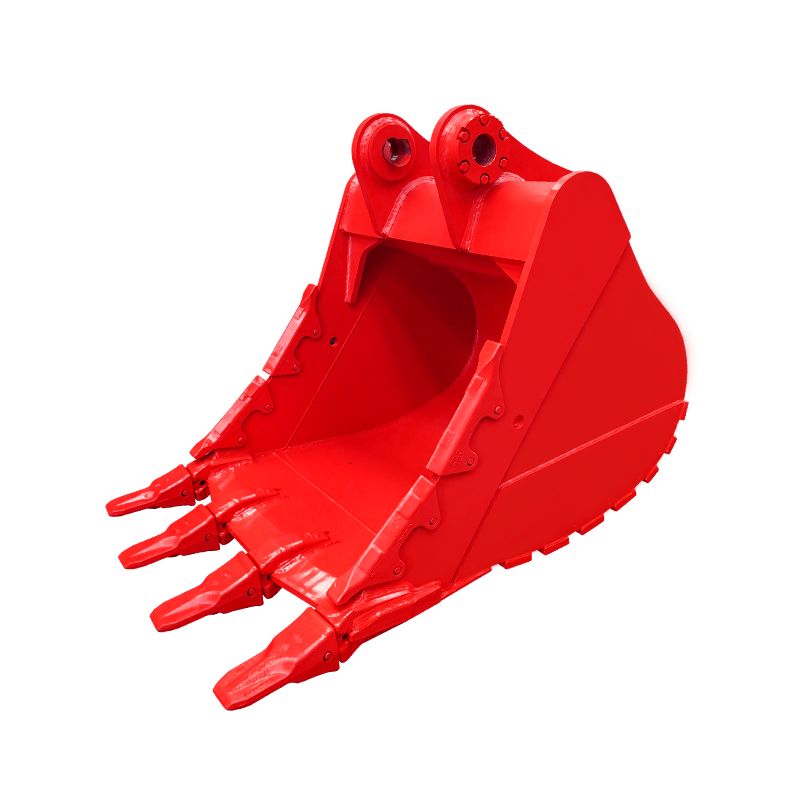
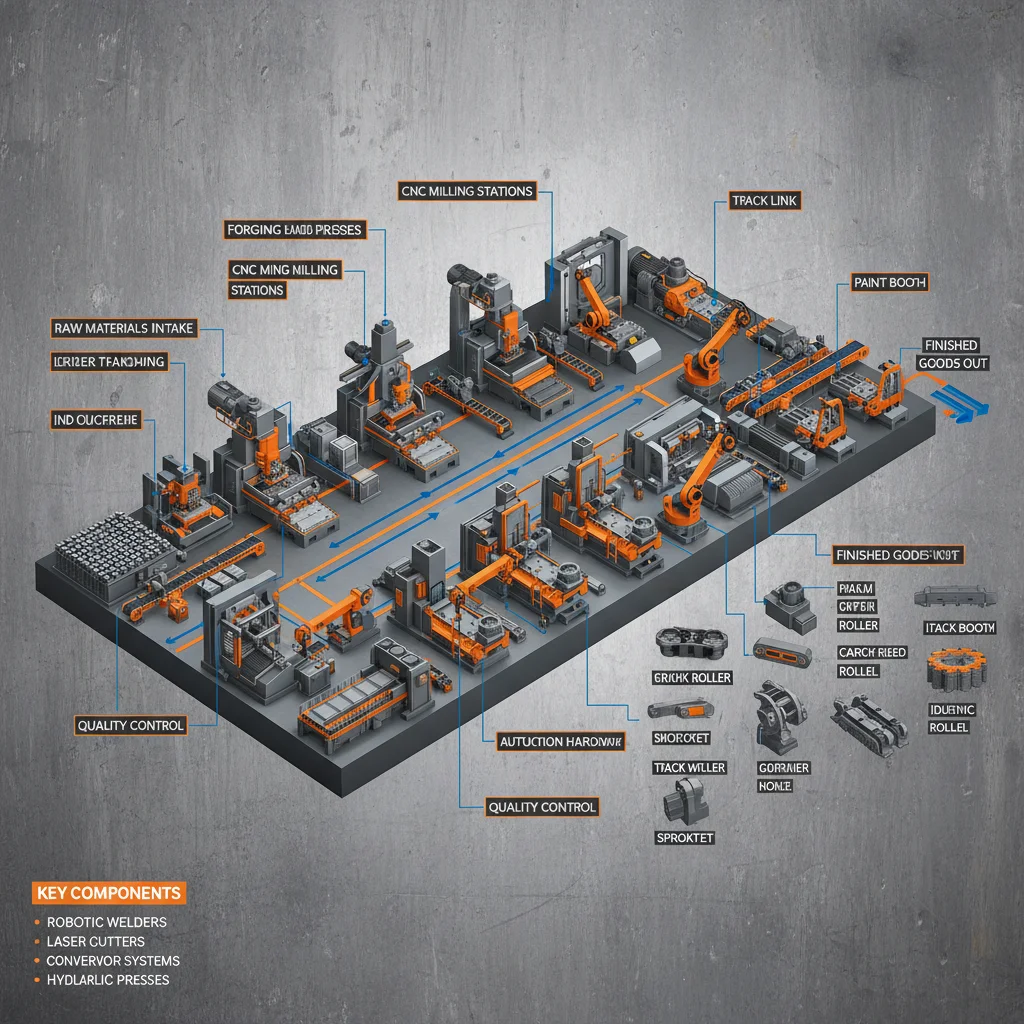
The evolution of skid steer buckets has moved far beyond simple steel boxes, embracing advanced engineering and material science to meet the rigorous demands of contemporary work environments. Modern buckets are marvels of design, integrating features that dramatically enhance performance, durability, and operational efficiency. Central to their technical superiority are the materials used. High-strength, abrasion-resistant (AR) steels, such as AR400 or AR500, are standard for critical wear areas like cutting edges, skid plates, and side cutters. These materials offer exceptional resistance to gouging and abrasion, significantly extending the bucket's lifespan, even in the harshest conditions involving concrete, rock, or highly abrasive soils. The structural integrity is further bolstered by precision welding, often robotically executed, ensuring consistent, robust seams that withstand immense stress and impact without fracturing.
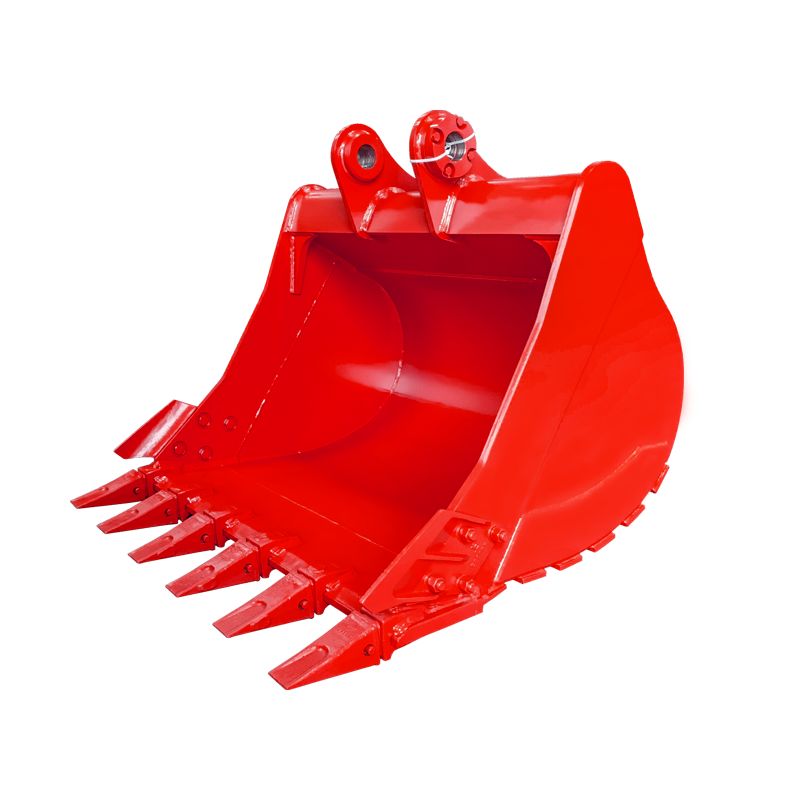
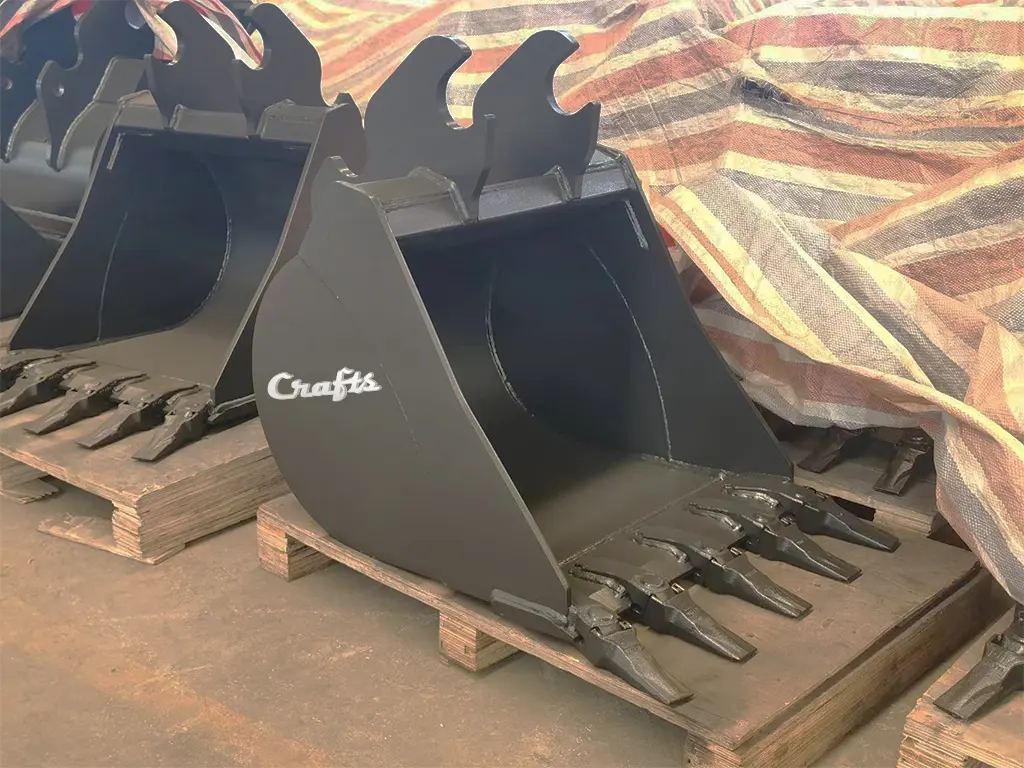
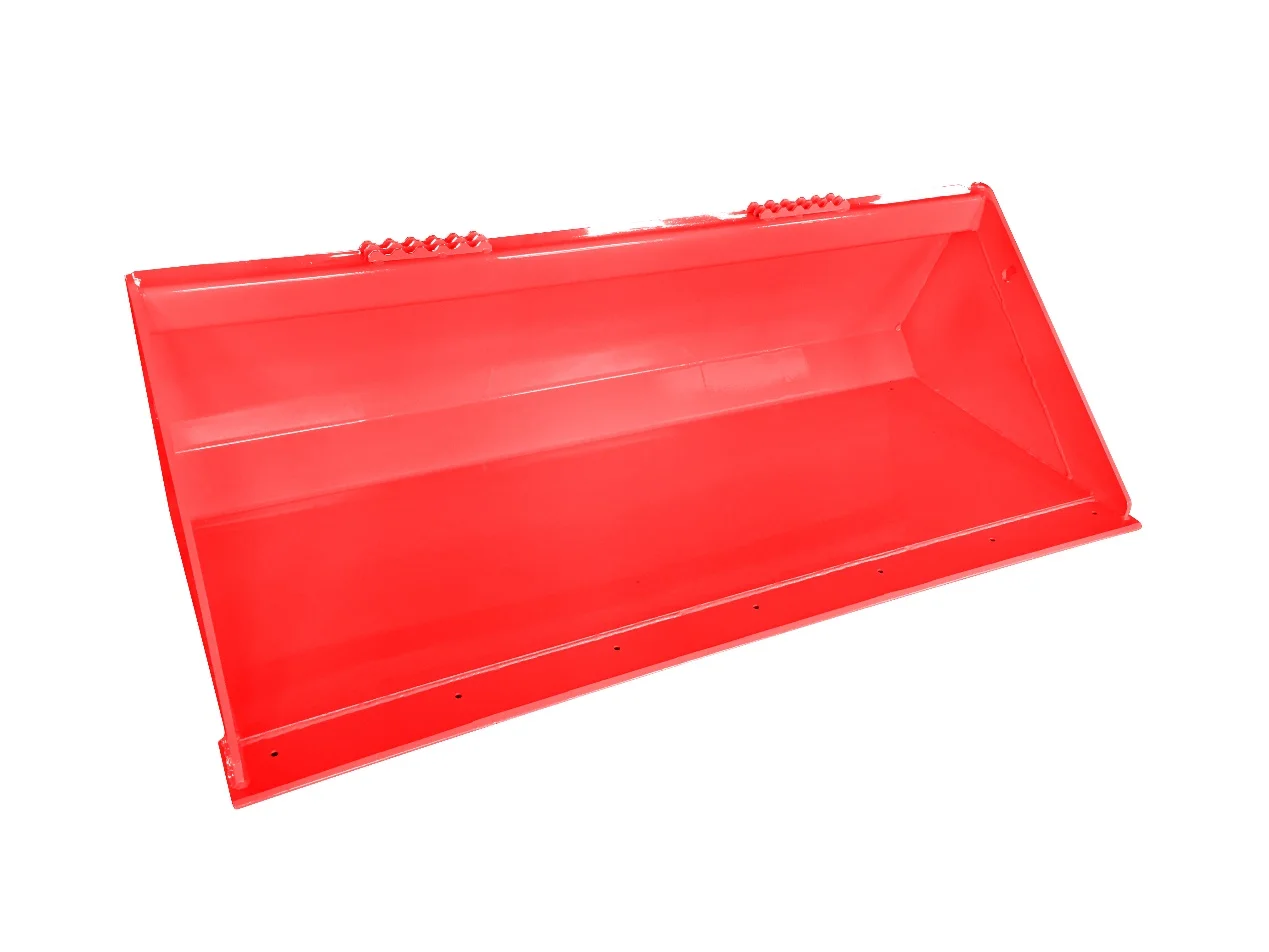
Design innovations also play a pivotal role. Low-profile bucket designs are engineered to improve operator visibility to the cutting edge, a crucial factor for precision grading and material handling, while also enhancing digging penetration. Optimized roll-back angles are integrated to maximize material retention, preventing spillage during transport and increasing the volume of material moved per cycle. Reinforced cutting edges, available as bolt-on or weld-on options, provide excellent protection and can be easily replaced or maintained. Bolt-on edges offer convenience for quick replacement in the field, minimizing downtime, while weld-on edges often provide a stronger, more permanent solution for severe-duty applications. Furthermore, various tooth configurations—from aggressive spade teeth for difficult digging to flat edge options for grading—allow operators to tailor their attachment to specific ground conditions and tasks. Skid bars, wear strips, and internal bracing are strategically placed to absorb impact, distribute stress, and prevent deformation, transforming a simple attachment into a sophisticated tool engineered for peak performance and longevity.
Evaluating Top Manufacturers for Skid Steer Buckets
The market for skid steer buckets is diverse, featuring offerings from original equipment manufacturers (OEMs) and a robust ecosystem of aftermarket specialists. Each manufacturer brings its unique strengths in design, material selection, and specialized applications. Understanding these distinctions is crucial for making an informed purchasing decision that aligns with your operational requirements and budget. OEMs like Bobcat, John Deere, and Caterpillar (through their Worksite Pro line) are renowned for buckets that offer seamless integration with their machines, often optimized for the specific hydraulics and lift capabilities of their skid steers. These buckets typically feature high-quality construction, rigorous testing, and comprehensive warranty support, albeit often at a premium price point.
Aftermarket manufacturers such as Star Industries, Bradco (Paladin Attachments), and AMI Attachments, among others, offer a vast array of specialized and general-purpose buckets that often excel in specific niches. These companies frequently focus on innovative designs, heavier-duty construction for extreme applications, or unique customization options not always available from OEMs. Their competitive pricing and willingness to cater to specific customer needs make them attractive alternatives. When evaluating manufacturers, critical factors include the grade of steel used for the bucket body and wear plates, the quality and type of welds, the range of available cutting edge options (e.g., bolt-on, weld-on, serrated, tooth bars), and the overall design philosophy (e.g., focused on general utility, severe duty, or specialized tasks like snow removal or grappling). Warranty policies, parts availability, and dealer support networks are also significant considerations that can impact the long-term value and operational efficiency of your investment. A detailed comparison provides a clearer picture:
Feature | Bobcat (OEM) | John Deere (OEM) | Worksite Pro (Caterpillar Aftermarket) | Star Industries (Aftermarket) | Bradco (Aftermarket) |
Material (Base) | High-strength carbon steel | High-strength carbon steel | High-strength carbon steel | ASTM A572 Grade 50 | High-strength steel |
Wear Plate/Edge | AR400 equivalent | AR400 equivalent | AR400 equivalent | AR400 / AR500 options | AR400 options |
Weld Quality | Robotic, consistent | Robotic, consistent | High-standard, often robotic | Precision MIG/TIG welding | Heavy-duty, reinforced |
Edge Type Options | Bolt-on, Weld-on | Bolt-on, Weld-on | Bolt-on, Weld-on, Tooth bar | Multiple profiles, teeth | Bolt-on, Tooth bar |
Design Focus | Versatility, integration | Durability, performance | Robustness, attachment diversity | Application-specific, heavy-duty | Specialized, high capacity |
Warranty | OEM standard | OEM standard | Varies by dealer | Varies by product, generally good | Standard manufacturer |
Price Range | Premium | Premium | Mid-to-high | Mid-to-high | Mid-to-high |
Specialty | Comprehensive range | Ground engagement tools | Broad spectrum of attachments | Rock, Grapple, High Capacity | Concrete, Severe Duty |
This table illustrates that while OEMs offer a reliable, integrated solution, aftermarket providers often fill specific market gaps with highly specialized, robust, and sometimes more cost-effective options, pushing the boundaries of what standard buckets can achieve. The final decision often balances brand reputation, specific application demands, budget constraints, and the level of customization required.
Tailoring Solutions: Customization for Specific Needs
While standard bucket offerings cover a wide range of applications, many operations encounter unique challenges that necessitate a tailored approach. Customization transforms a generic attachment into a highly specialized tool, perfectly adapted to address specific material properties, environmental conditions, or operational workflows. This bespoke approach can significantly enhance productivity, minimize machine wear, and optimize material handling efficiency, ultimately yielding substantial long-term savings.
The scope of customization for skid steer buckets is extensive. One common modification involves altering dimensions: custom widths can be designed to match trench dimensions precisely, reducing over-digging and backfill, while increased depth or height can maximize capacity for lighter materials like snow or mulch. Reinforcement is another key area; additional wear plates, thicker side walls, or specialized skid shoes can be integrated for operations involving highly abrasive materials (e.g., quarry work, recycling), extending the bucket's life exponentially. Cutting edge configurations can be custom-designed with specific tooth patterns, such as ripper teeth for breaking through compacted or frozen ground, or serrated edges for better grip on loose debris. For sticky materials like clay or asphalt, specialized coatings can be applied to reduce adhesion, ensuring cleaner dumping and faster cycle times.
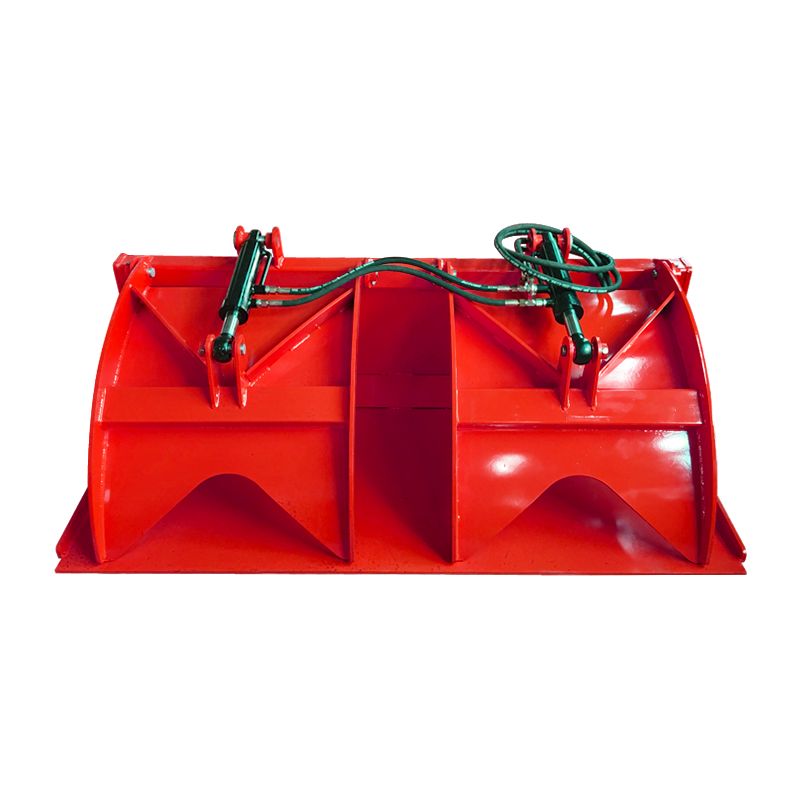
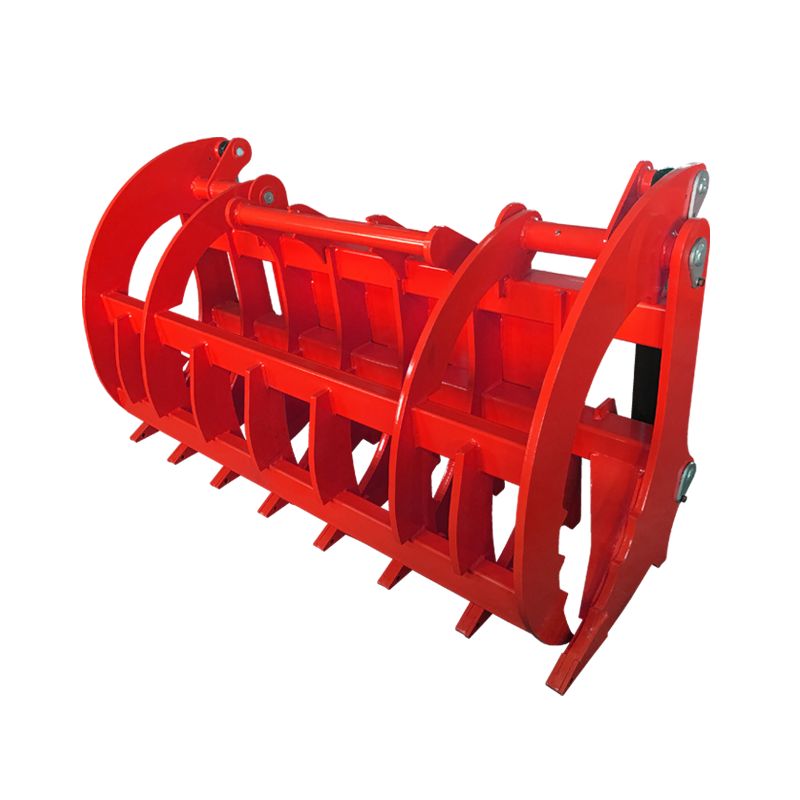
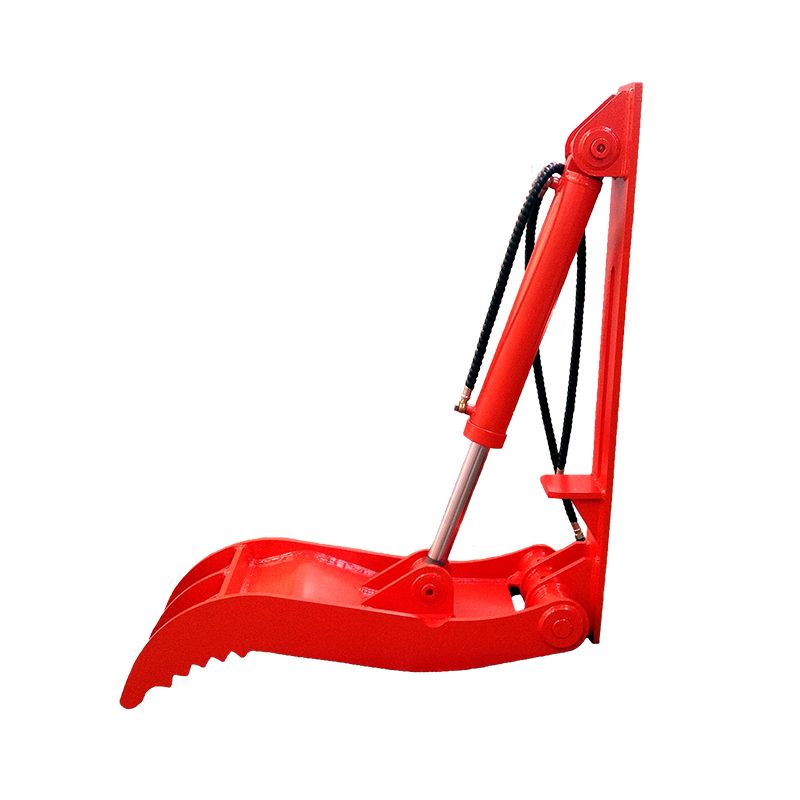
Hydraulic modifications are critical for specialized grapple buckets, allowing for custom jaw configurations, stronger cylinders, or unique opening mechanisms tailored to specific types of material (e.g., large logs, irregularly shaped demolition debris). Even the quick-attach system can be customized to ensure seamless and secure fitment with non-standard skid steer models or older machines. Engaging with manufacturers or experienced fabrication shops allows operators to articulate their precise needs, leading to solutions that are not merely functional but optimally efficient. The upfront investment in customization is often quickly recouped through gains in productivity, reduced maintenance, and the extended operational life of both the bucket and the skid steer itself, making it a strategic choice for operations seeking a definitive competitive edge.
Real-World Impact: Application Case Studies
The true value of a well-chosen or customized skid steer bucket becomes apparent in real-world applications, where its design and capabilities directly translate into measurable improvements in efficiency, cost-effectiveness, and project timelines. Here are several compelling case studies illustrating this impact:
Case Study 1: Heavy Excavation in Rocky Terrain (Construction Industry)
A construction firm working on a major utility trenching project encountered severely compacted, rocky soil that was rapidly wearing down standard digging buckets and slowing progress significantly. They switched to a severe-duty digging bucket equipped with AR500 steel wear plates, aggressive spade teeth, and reinforced side cutters. The result? Excavation time for a 100-meter trench was reduced by an average of 25%, from 8 hours to 6 hours, due to improved penetration and material retention. Furthermore, bucket wear was decreased by an estimated 40% over three months, significantly cutting down on maintenance and replacement costs. This specific bucket choice not only accelerated the project but also preserved the skid steer's hydraulic system by reducing strain from inefficient digging.
Case Study 2: High-Volume Material Handling in Agriculture (Dairy Farm)
A large dairy farm needed to efficiently clear manure from barns and distribute feed. Their existing general-purpose bucket was undersized and struggled with the volume and consistency of the materials, leading to multiple trips and extended operational hours. They invested in a high-capacity, light-material bucket, specifically designed for manure, featuring a larger volume and a grapple attachment. This upgrade allowed them to increase the volume of material moved per load by 35%. The grapple also provided superior control over loose materials, minimizing spillage. As a direct result, daily loading and clearing times were reduced by approximately 2.5 hours, freeing up valuable labor for other tasks and leading to an estimated annual saving of over $15,000 in operational costs, including fuel and labor.
Case Study 3: Site Preparation and Debris Management (Landscaping Company)
A landscaping company frequently performed site preparation for residential and commercial properties, involving grading, debris removal, and light excavation. They adopted a 4-in-1 multi-purpose bucket, leveraging its versatility. This single attachment replaced the need for separate buckets for digging, grading blades, and grapple attachments. The ability to open, close, and use the bucket's clam-shell function allowed operators to precisely grade soil, grab large boulders or tree stumps, backfill trenches, and efficiently collect brush and construction debris. This multi-functional capability eliminated the need to swap attachments frequently or bring an additional machine (like a dedicated grapple), thereby improving site turnover by 30% and reducing equipment transport costs by 20%. The firm reported a significant boost in project flexibility and crew efficiency.
These cases underscore that investing in the right bucket is not merely an expense but a strategic decision that directly contributes to operational excellence and bottom-line profitability across diverse industries.
Maximizing ROI: Best Practices for Bucket Selection, Data Impact, and Maintenance
Achieving a significant return on investment (ROI) from your skid steer buckets hinges on a combination of strategic selection, understanding their data impact, and diligent maintenance. The initial decision-making process for bucket acquisition is paramount. Begin by thoroughly assessing the primary materials you will be handling. Is it light snow, abrasive rock, sticky clay, or loose dirt? Each material dictates specific design requirements for capacity, durability, and edge configuration. For instance, handling high-density materials with an oversized bucket can quickly lead to hydraulic strain and structural damage on your skid steer, diminishing its lifespan and increasing maintenance costs. Conversely, using a small bucket for light materials reduces operational efficiency through excessive cycle times.
The data impact of proper bucket selection is quantifiable and far-reaching. Studies show that using an optimally matched bucket can reduce a skid steer's fuel consumption by up to 15-20%, simply by minimizing wasted effort from inefficient digging angles or overloaded lifts. Furthermore, correctly sized and designed buckets can increase the volume of material moved per hour by 25-40%, directly translating into faster project completion and reduced labor hours. By preventing premature wear and tear on both the bucket and the skid steer's internal components, such as cylinders and pins, operators can extend the lifespan of their equipment by several years, potentially saving tens of thousands in repair or replacement costs over the machine's lifetime. This also minimizes downtime, which can be the most significant hidden cost in any operation; an unexpected bucket failure can halt an entire project.
Beyond selection, rigorous maintenance practices are critical for maximizing ROI. Regular inspections should be conducted daily, focusing on the cutting edge, teeth (if applicable), side cutters, and welds for any signs of cracks, excessive wear, or deformation. Prompt replacement of worn-out parts, such as bolt-on edges or individual teeth, is crucial to maintain digging efficiency and prevent further damage to the bucket body. Neglecting a worn cutting edge, for example, forces the bucket's base to absorb more abrasion, leading to irreparable structural damage. Cleaning the bucket thoroughly after each use, especially when working with corrosive materials like manure or certain chemicals, prevents material buildup and rust. Proper storage, off the ground and under cover, protects against environmental degradation. By adhering to these best practices, operations can ensure their skid steer buckets remain productive, durable, and deliver maximum financial benefit throughout their operational life.
The Evolving Landscape of Buckets for Skid Steers Technology and Innovation
The future of buckets for skid steers is poised for significant advancements, driven by continuous innovation in material science, sensor technology, and automation. As construction, agriculture, and other industries demand greater efficiency, precision, and sustainability, bucket manufacturers are responding with cutting-edge solutions that promise to revolutionize how material is handled. One of the most prominent trends is the development of advanced materials. Expect to see an increased adoption of even lighter, stronger alloys and composites, potentially reducing bucket weight while enhancing durability and fuel efficiency. Self-healing coatings or specialized wear-resistant materials designed to extend lifespan in ultra-abrasive environments are also on the horizon, minimizing maintenance downtime and replacement costs.
Another exciting area of innovation lies in smart technology integration. Future buckets may come equipped with embedded sensors capable of providing real-time data on load weight, material density, and even wear patterns on cutting edges. This data can be integrated with the skid steer's telematics system, offering operators and fleet managers invaluable insights into performance, optimizing payload, and scheduling predictive maintenance. Imagine a bucket that alerts you when a tooth is about to break or when its cutting edge needs replacement, preventing costly failures and maximizing uptime. GPS and RTK integration could allow buckets to achieve unprecedented levels of grading precision, automating certain tasks and reducing reliance on manual measurements.
Modular designs are also gaining traction, allowing components like cutting edges, teeth, and even side panels to be easily swapped out or reconfigured on-site, providing unparalleled adaptability for diverse tasks without needing to purchase multiple full buckets. This not only enhances versatility but also promotes a more sustainable approach by extending the overall lifespan of the bucket frame. Furthermore, as autonomous skid steers become more prevalent, buckets will be designed with specific features to complement automated operations, ensuring seamless integration and optimal performance. The emphasis on sustainability will also lead to more eco-friendly manufacturing processes and the use of recyclable materials. Staying abreast of these technological advancements will be crucial for businesses aiming to maintain a competitive edge and extract the maximum potential from their skid steer investments.
Frequently Asked Questions About Skid Steer Buckets
1. What are the primary types of buckets available for skid steers?
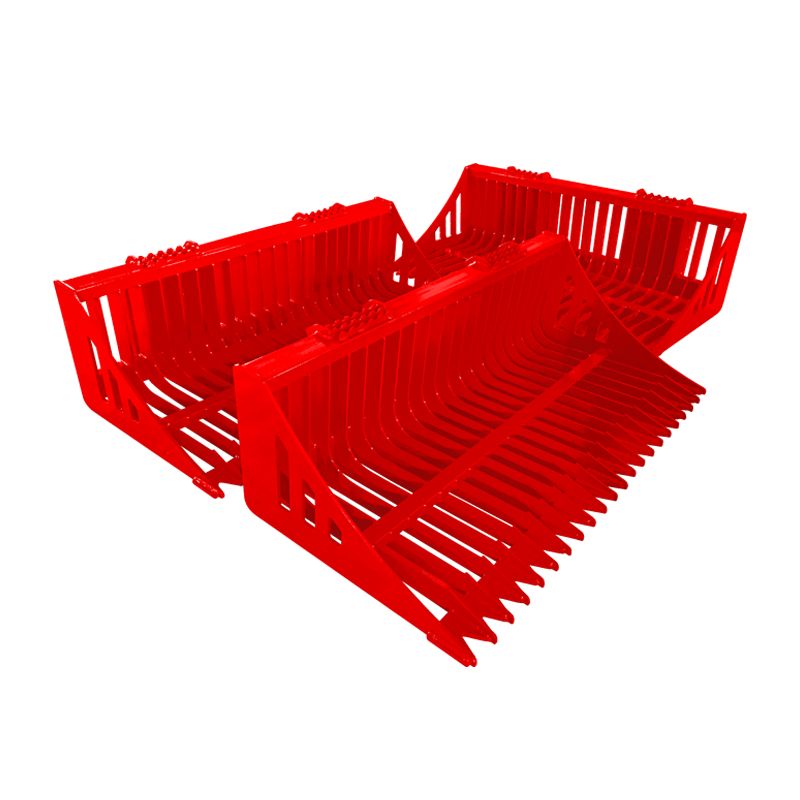
The primary types include General Purpose, Dirt/Utility, Low Profile, Rock, Grapple, 4-in-1 (Multi-Purpose), Snow, and Skeleton/Sieve buckets. Each is designed for specific material handling and ground engagement tasks.
2. How do I choose the correct size bucket for my skid steer?
Selecting the correct size involves considering your skid steer's operating capacity (rated operating capacity - ROC), tipping load, and the density of the material you'll be moving. An oversized bucket for dense materials can exceed your machine's limits, while an undersized one reduces efficiency.
3. What's the difference between a general-purpose bucket and a severe-duty bucket?
A general-purpose bucket is suitable for light to medium materials like soil and mulch. A severe-duty bucket, designed for abrasive materials like rock, concrete, and demolition debris, features reinforced construction, thicker steel (often AR400/AR500), and stronger cutting edges and welds.
4. Are bolt-on cutting edges better than weld-on edges?
Bolt-on cutting edges offer easier and faster replacement, minimizing downtime, and are often preferred for general utility. Weld-on edges provide superior structural integrity and are typically found on severe-duty buckets where maximum strength and abrasion resistance are critical, though replacement requires welding expertise.
5. How often should I inspect my skid steer bucket for wear and tear?
Daily visual inspections are highly recommended, especially focusing on the cutting edge, teeth (if applicable), side plates, and all welded seams. Promptly address any cracks, excessive wear, or deformation to prevent further damage and maintain efficiency.
6. Can I use a bucket from one brand of skid steer on another?
Yes, most modern skid steers use a universal quick-attach system, allowing buckets to be interchanged between different brands (e.g., a Bobcat bucket on a John Deere skid steer). However, always verify compatibility and ensure proper hydraulic connections for specialized attachments like grapples.
7. What are the benefits of a 4-in-1 bucket for skid steers?
A 4-in-1 bucket (or multi-purpose bucket) offers exceptional versatility, functioning as a dozer blade, grapple, clam shell, and standard bucket. This reduces the need for multiple attachments, saves time on attachment changes, and enhances operational flexibility for tasks like grading, digging, grappling, and backfilling.
Post time: Nov-26-2025